
Ghent
Medieval charm meets vibrant student energy in Belgium
Here's what nobody tells you about Ghent: it's everything Bruges promises to be, minus the tourist crowds crushing your Instagram shots. This medieval city sits quietly between Brussels and Bruges, letting its three towers pierce the sky while students bike past 12th-century stone walls like it's no big deal. The Leie and Scheldt rivers carve through the old town, creating postcard views at every bridge. But Ghent isn't stuck in the past. University students pack the bars on Overpoortstraat, street art covers medieval walls, and some of Europe's best vegetarian restaurants hide in narrow alleys. The city moves at its own pace — fast enough to keep you interested, slow enough to actually enjoy your beer.
Best Months
APR – SEP
~21°C · moderate crowds
Culture & Context
GOTHIC MEETS GRAFFITI
Ghent is a Flemish city through and through. Locals call themselves Gentenaars, and they're proud of it. The city has a university population that keeps things young and a little irreverent, and that energy mixes well with the medieval bones of the place.
You've got Gothic towers right next to graffiti alleyways. Students cycling past 12th-century stone walls. Craft beer bars inside old guild houses.
It doesn't feel staged or curated the way Bruges does. Here's the thing: Ghent has long resisted turning into a postcard. Locals genuinely dread it becoming over-touristed, which means you still get a city that feels lived in.
The Gothic-and-graffiti contrast is real, and it's not an accident. And don't call fries "French fries" here. They're frietjes, and Belgium takes strong ownership of them.
Local Customs
CHEEK KISS, SPEAK DUTCH
Greeting customs matter. Flemish people kiss on the cheek once, right side, every time they meet and say goodbye. But guys shake hands with guys unless it's a birthday or special occasion.
Try not to overthink it, just follow the lead of whoever you're meeting.. Tipping is not expected the way it is in North America. Service charges are included in bills.
Rounding up to the nearest euro or leaving 5-10% for genuinely good service is a nice gesture, but nobody will chase you down if you don't.. Belgians eat dinner late, around 7 or 8 PM. Don't show up at 6 PM expecting to find a buzzing restaurant full of locals.
You'll be the only one there.. Always wait to be seated in restaurants. Walking in and claiming a random table can ruffle some feathers..
Validate your tram or bus ticket immediately on boarding. Fare enforcers do show up, and a first-time fine is €107. There are no conductors, so nobody will remind you..
Recycling is taken seriously. Ghent has separate bins for different waste types. Pay attention, especially if you're staying in an apartment..
Cyclists own the roads and pedestrians come second. Always check for bike lanes before stepping off a curb. A polite bell ring means you're in the way.
Trams trump everyone, including pedestrians at crossings.. Speaking Dutch (even badly) earns you immediate goodwill. Locals are fluent in English and will switch instantly, but the attempt matters..
Don't speak French unless you're a native French speaker. In a Dutch-speaking city, addressing someone in French when you could use English or Dutch is a bit of a faux pas politically.
Safety
SAFE, WATCH PICKPOCKETS
Ghent is genuinely safe. Violent crime is rare and the city center is well-lit and walkable at night, partly because students keep the streets populated late. The main risk tourists face is petty theft, specifically pickpocketing in crowded areas during festivals, on public transport, and around major tourist spots.
Keep your bag zipped and worn crossbody. Don't hang bags on chair backs in cafes. The Gentse Feesten in July packs the city center with thousands of people, which creates prime conditions for opportunistic thieves.
Stay alert in that context specifically. Some outer neighborhoods (Brugse Poort, Rabot, Dampoort) have rougher reputations and are generally not on the tourist route anyway. Stick to the center and you'll have no issues.
The emergency number in Belgium is 112 for police, ambulance, and fire. Belgium's terrorism risk sits at a general elevated level (US State Dept Level 2 for the country), as it does for much of Western Europe. Major train stations occasionally have increased security checks.
Carry ID. Belgium requires tourists to have identification on them. A photocopy of your passport is generally fine but keep the original secure in your accommodation.
Getting Around
TRAMS, BIKES & WALKING
Getting in: The two main train stations are Gent-Sint-Pieters and Gent-Dampoort. Sint-Pieters is the bigger one and where most visitors arrive. A single train ticket from Brussels costs around €10.
From there, Tram 1 connects directly to the city center. Note that as of January 2026, major construction work at Sint-Pieters is ongoing on platforms 1 and 2, so expect some platform changes and disruptions. Within the city: De Lijn operates four tram lines (T1, T2, T3, T4) and an extensive bus network.
Tickets cost €3 for a single ride, valid for 60 minutes, meaning a transfer within that window is free. Buy via the De Lijn app (available in English) or at stop machines. Do not try to buy from the driver.
Pay contactlessly with your bank card, phone, or smartwatch directly on the tram. Fare enforcers do check, and the fine for riding without a valid ticket is €107 the first time. The historic city center is largely car-free and very compact.
You can walk across it in about 20 minutes. Cycling is popular and infrastructure is good. Bike rentals are available for under €5/day.
If driving, Ghent has a Low Emission Zone (LEZ) covering the center. Non-Belgian or Dutch vehicles must register in advance or face fines. Park-and-ride lots (marked P+R) sit outside the LEZ, with tram connections into the center.
Use them. Trying to park in the center is expensive and aggravating.
Useful Phrases
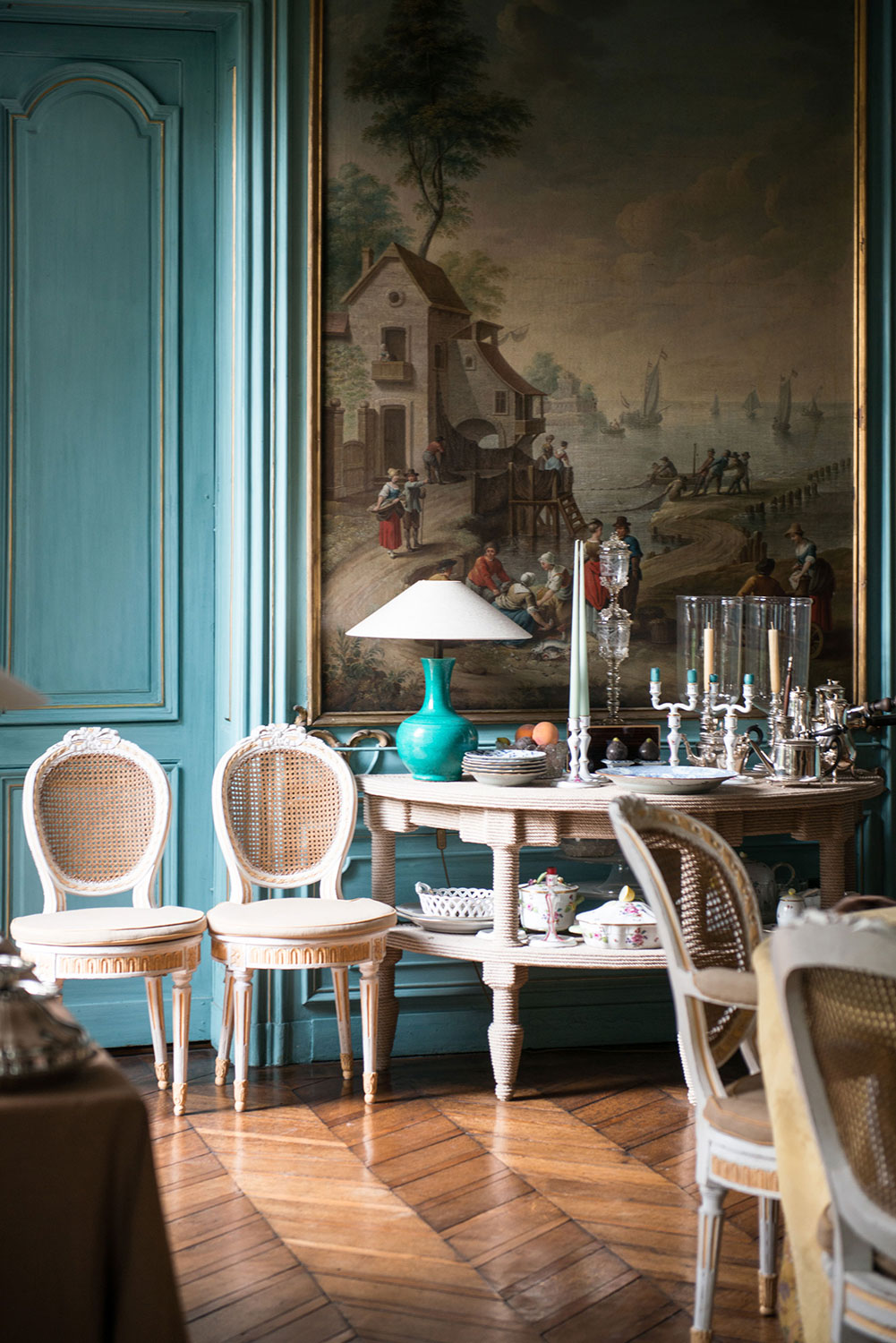
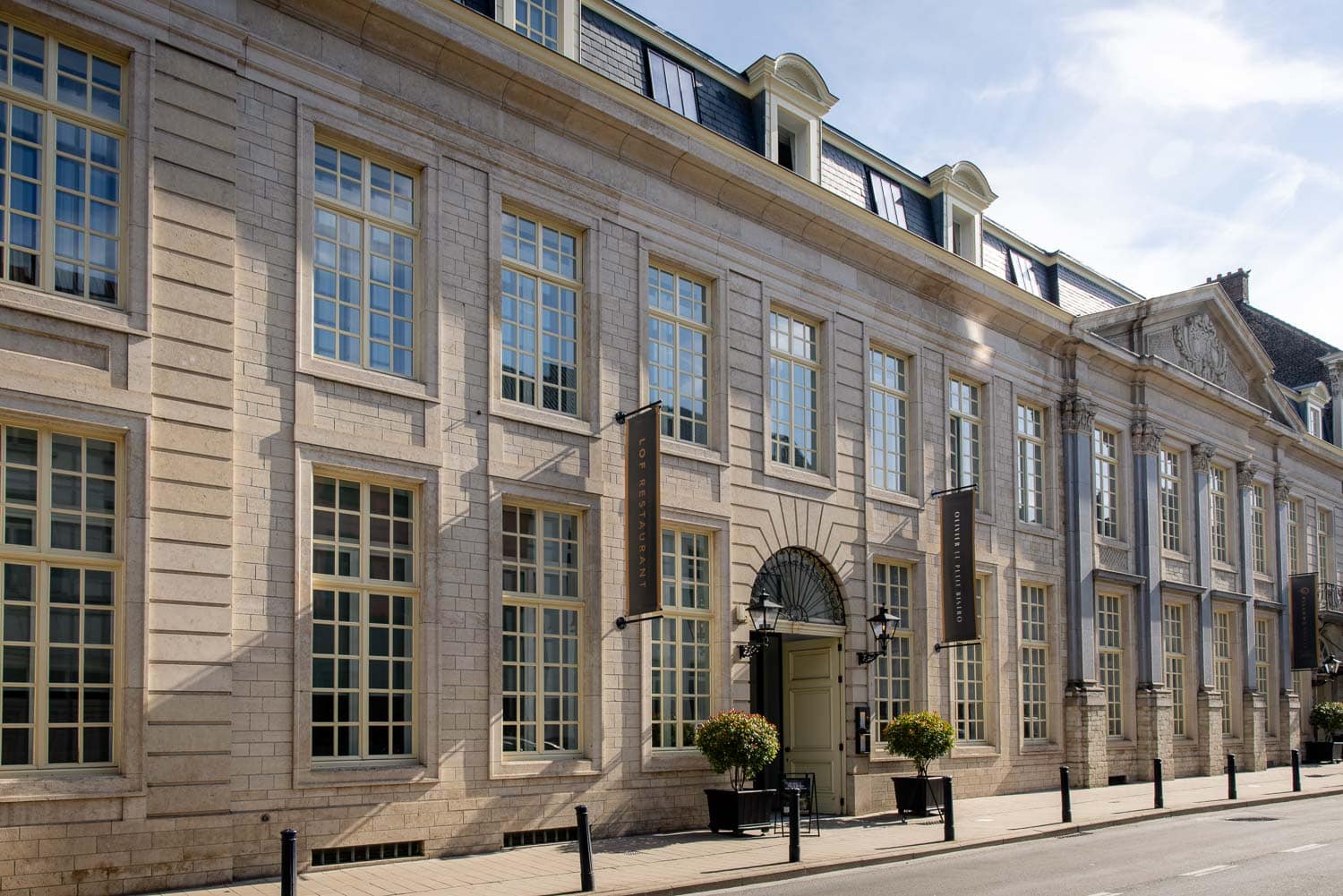
Where to Stay in Ghent
6 recommended properties
Things to Do in Ghent
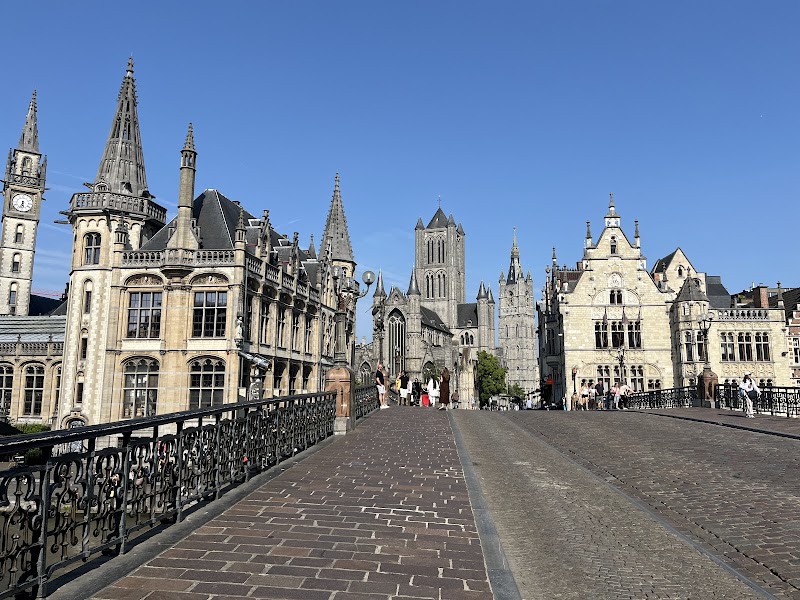
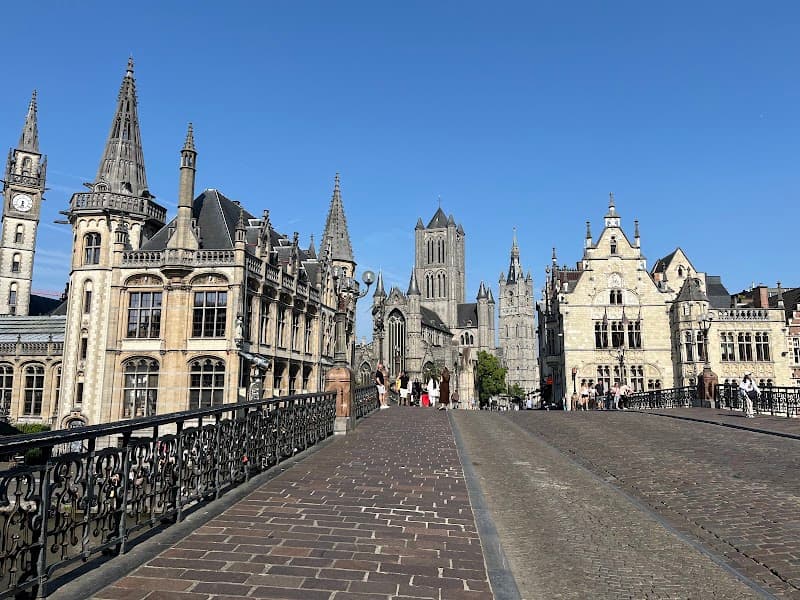
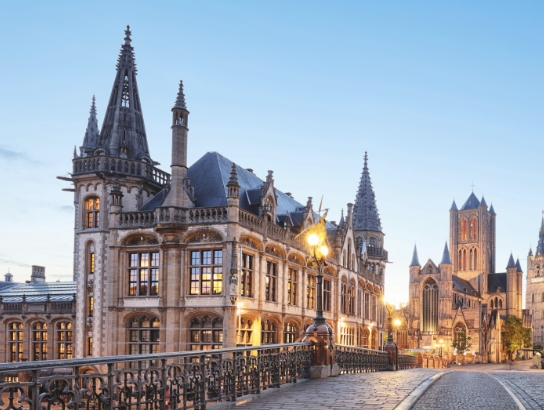
Saint Michael's Bridge and Korenlei
De Kuip (Historic Core) · 75 min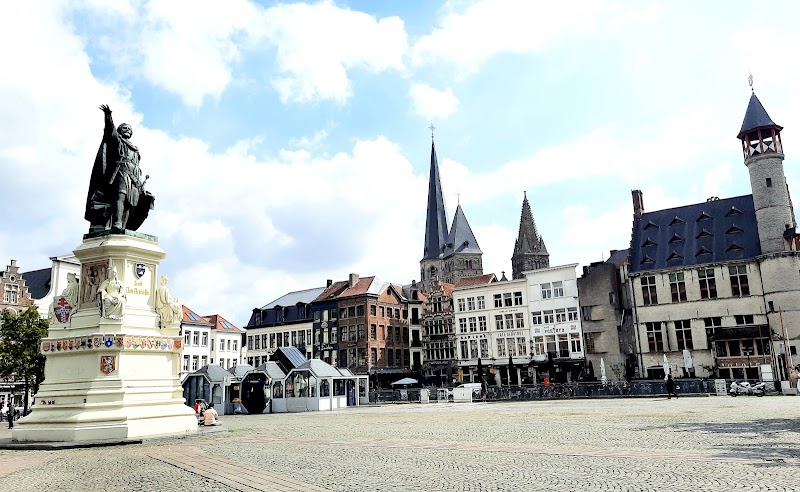
Vrijdagmarkt
De Kuip (Historic Core) · 60 min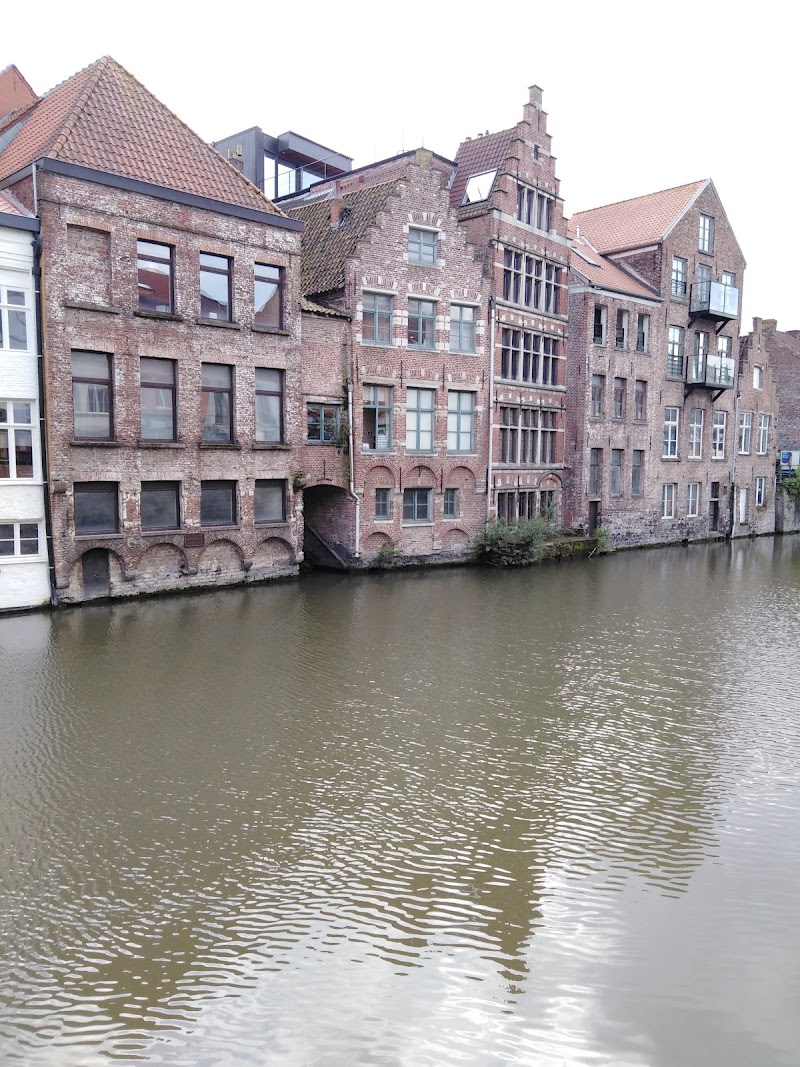
Patershol Evening Stroll
Patershol · 45 minMoney-Saving Tips
- 1.Buy groceries at Colruyt or Aldi instead of tourist-area shops to cut food costs by 40%
- 2.Happy hour at most bars runs 4-7 PM with €2-3 beers instead of €5-6 regular prices
- 3.The Ghent City Card costs €30 for 48 hours and includes public transport plus museum entries
- 4.Lunch menus at restaurants cost €12-18 versus €25-35 for dinner portions of the same dishes
- 5.Free walking tours run daily from the tourist office — tip your guide €5-10 instead of paying €20+ for private tours
- 6.Bike rentals from the city cost €3 per day versus €15-20 from tourist shops
- 7.Many churches offer free entry and contain art worth museum admission prices
- 8.Student bars near the university serve €3 beers while center bars charge €6+ for the same brands
Travel Tips
- •Download the Moovit app for real-time tram schedules — posted times are suggestions, not promises
- •Restaurants close between lunch and dinner (2:30-6 PM) so plan your eating schedule accordingly
- •Learn to say 'dank je' (thank you) in Dutch — locals appreciate the effort even if they switch to English
- •Carry cash for smaller bars and food stalls — many don't accept cards under €10
- •Book dinner reservations for Friday and Saturday nights, especially in Patershol district
- •The tourist office in the crypt of the Belfry sells discounted attraction tickets
- •Cobblestones get slippery when wet — pack shoes with good grip, not just style
- •Sunday mornings are perfect for photography — locals sleep in and streets empty out
- •Free WiFi works well in most cafes, but mobile data can be spotty in medieval buildings
- •The Ghent Festival in July transforms the city but books up accommodation months ahead