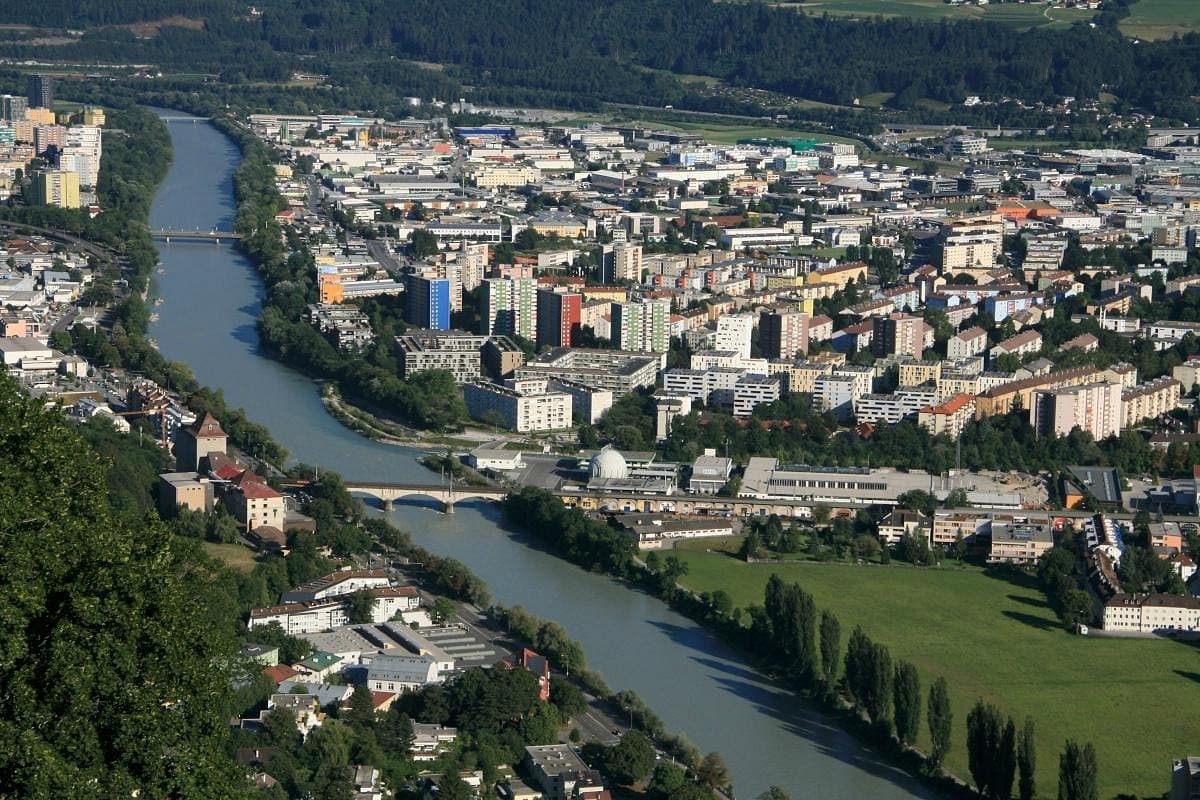
Innsbruck
Alpine Capital Where Mountains Meet Culture
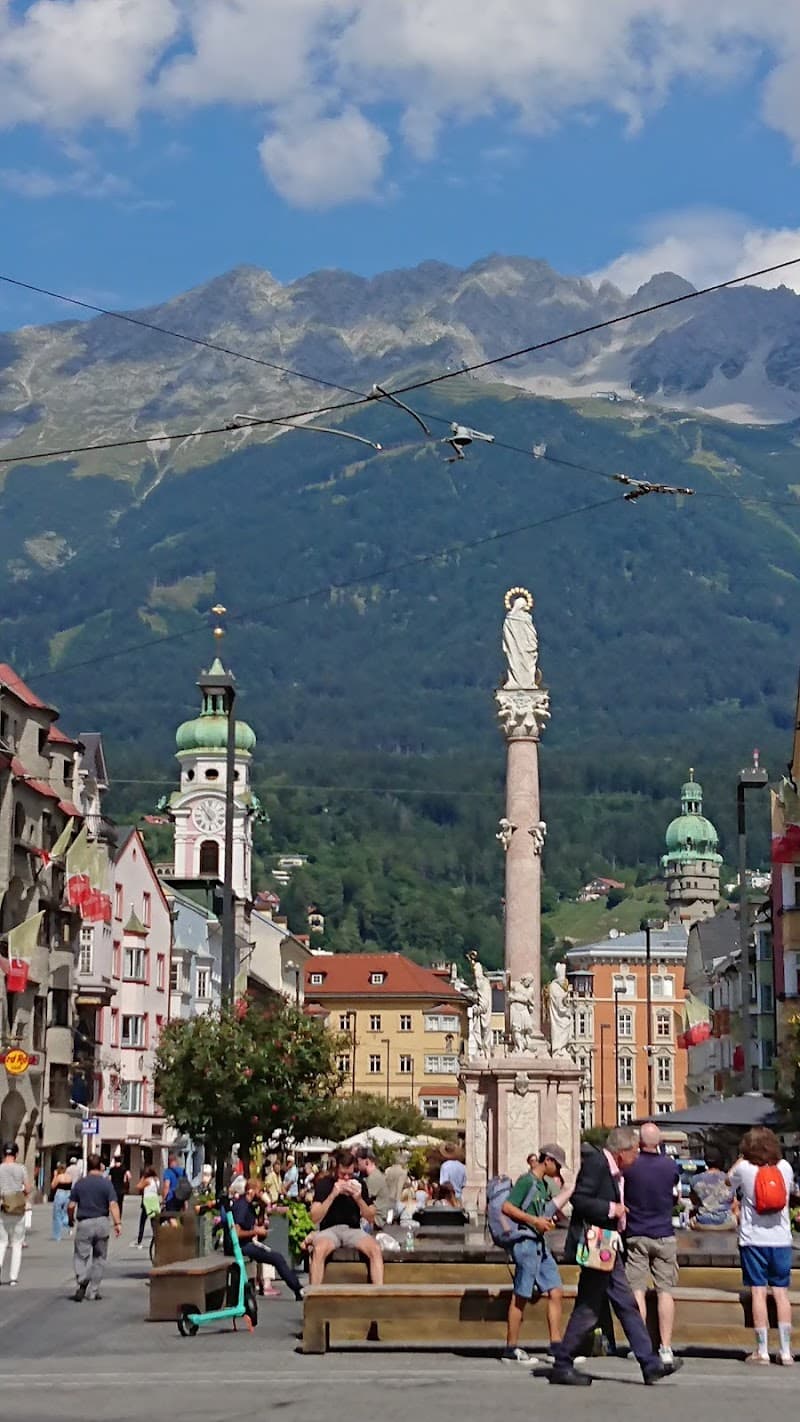
Picture this: You're sipping coffee at a sidewalk café on Maria-Theresien-Straße, watching snowboarders gear up for the slopes while baroque church bells chime in the distance. That's Innsbruck for you — a city where Olympic ski jumps cast shadows over medieval streets, and you can ride a cable car to 2,000 meters after browsing world-class museums.
The Tyrolean capital sits in a valley so dramatic it feels almost fictional. The Nordkette mountains rise straight from the city center, creating a backdrop that makes every Instagram story look like a postcard. But here's what the photos don't show: Innsbruck isn't just pretty. It's got serious Alpine credibility (two Winter Olympics), a thriving student scene thanks to its university, and enough cultural weight to punch above its 130,000-person size.
Look, this isn't some sleepy mountain town. Trams glide through the Altstadt past 500-year-old buildings, while the Bergisel ski jump — that gravity-defying Zaha Hadid design — reminds you this city means business when it comes to winter sports. And the food? Think beyond schnitzel. The restaurant scene here mixes traditional Tyrolean cooking with modern Alpine cuisine that'll surprise you.
Best Months
JAN · FEB · JUN · JUL · AUG · DEC
~14°C · high crowds
Culture & Context
TYROLEAN FIRST, AUSTRIAN SECOND
Innsbruck is the capital of Tyrol, and that regional identity matters more here than Austrian nationality. Tiroleans see themselves as Tiroleans first. The city hosted the Winter Olympics twice (1964 and 1976) and carries that mountain-sports DNA in everyday life — people ski before work, hike after it, and take the cable car for lunch.
The university (University of Innsbruck, founded 1669) keeps the city young and relatively international despite its modest size of around 130,000 people. The Habsburg dynasty left its fingerprints everywhere: the Hofburg palace, the Hofkirche, the Imperial Gardens. But the student bars on Universitätsstraße balance that imperial weight considerably.
The Tyrolean dialect is a real thing — thick, proud, and occasionally incomprehensible even to Germans from Munich. Locals in Innsbruck itself tend toward a slightly softened version, but head out into the surrounding villages and the dialect gets considerably more pronounced. English is widely understood by younger residents and hospitality workers.
Standard German gets you everywhere else.
Local Customs
GRÜSS GOTT, THEN DU
Greet shopkeepers when you enter. Walk into a bakery, a café, a small restaurant — say 'Grüß Gott.' It's not optional social nicety, it's just how things work here.
Silence reads as rude.. Tiroleans drop into the informal 'Du' address quickly. Don't be surprised if someone you've just met is already calling you by your first name and speaking casually.
They're being friendly, not presumptuous.. Tracht — traditional Tyrolean clothing like Lederhosen and Dirndl — is genuinely worn at festivals and family gatherings, not just for tourists. If you see it at a market or outdoor concert, it's the real deal, not a costume..
Restaurants will not bring your check until you ask. Signal a waiter and say 'Zahlen bitte' or 'Zol'n bitte.' Sitting around waiting for it to appear will take all evening..
At folk festivals and marquee parties, the dialect gets thicker and the music gets louder. Standard German politely retreats. Don't panic — a smile and a raised glass communicates most of what you need..
Mountain etiquette is taken seriously. On hiking trails, you greet everyone coming the other direction, especially above the treeline. A simple 'Hoi' or 'Grüß Gott' does the job.
Ignoring fellow hikers is considered strange.. Noise hours (Ruhezeit) are enforced. Quiet time typically runs from 10pm to 6am, and again from 12pm to 2pm in some residential areas.
Residential neighborhoods mean it.
Safety
VERY SAFE, WATCH CROWDS
Innsbruck is a genuinely safe city. The crime index sits around 26% with a safety index of 74%, and most visits go completely without incident. That said, pickpocketing does happen around the Old Town, the Golden Roof, Maria-Theresien-Straße, and the main train station area — the usual spots where crowds gather and attention wanders.
The area along the Bogenmeile (the railway viaduct arches near the central train station) gets reports of being sketchy after dark. It's not dangerous, but it's worth being aware of at night. For emergencies, call 133 for police and 112 for general emergencies.
Austria has excellent healthcare — around 5 doctors per 1,000 inhabitants and high hospital capacity. If you're heading into the mountains, always check avalanche warnings at lawinen.at before setting out in winter, and download the KATWARN app for severe weather alerts.
High altitude can affect people arriving from sea level, especially around Hafelekar at 2,256m. Take it slow on your first day up top.
Getting Around
TRAMS, BUSES & CABLE CARS
Innsbruck's local transport is run by IVB (Innsbrucker Verkehrsbetriebe). The network covers buses and trams across the city, and it's reliable. A single ticket costs around €2.
80 and is valid for 90 minutes across any combination of bus and tram lines. A 24-hour pass runs about €6.10.
Buy tickets at machines at major stops, from IVB service points in newsagents, or via the IVB Scout app — the app is genuinely more accurate than Google Maps for local routing. Night buses (N1, N2, N3, N7, N8) run from 23:00 to 05:00 and all pass through Hauptbahnhof. Most require just a standard ticket.
The Nordkettenbahn cable car system is a separate animal. The funicular (Hungerburgbahn) departs near the Goldenes Dachl every 15 minutes and takes you up to Hungerburg, where you connect to the Seegrubenbahn and Hafelekarbahn for alpine views. The whole system is covered by the Innsbruck Card.
Without the card, expect to pay around €13+ for the funicular return alone. The Innsbruck Card (24h €53, 48h €63) covers unlimited public transit, the Nordkette cable car, and free entry to most major museums and attractions. If you're spending full days sightseeing, do the math — it often pays for itself.
Many hotels also give guests a free Welcome Card, which includes public transit. Ask at check-in before buying anything. For regional connections, ÖBB trains run from Hauptbahnhof to Munich (about 2 hours), Salzburg (2 hours), Vienna (4+ hours), and across the Brenner Pass into Italy.
Flying in? Innsbruck Airport (INN) serves European routes but has fewer connections than Vienna or Munich — factor this into your routing.
Useful Phrases
Innsbruck Itineraries
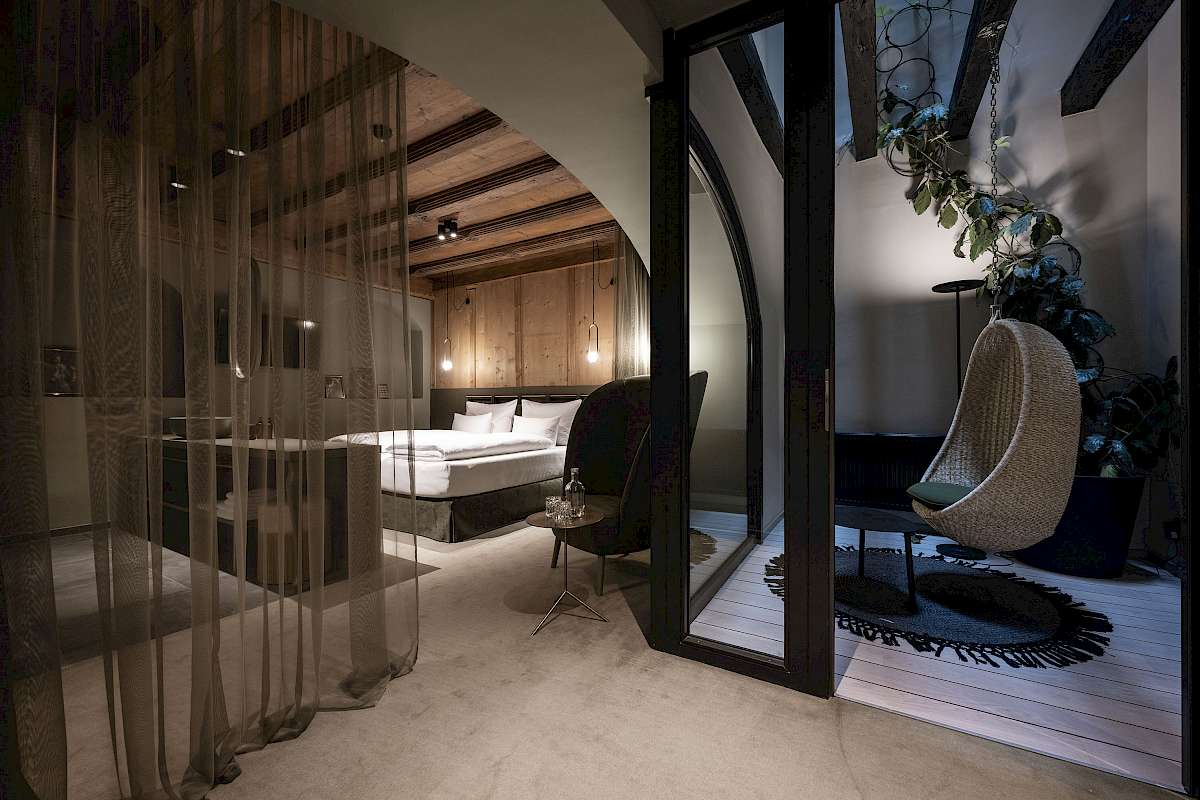
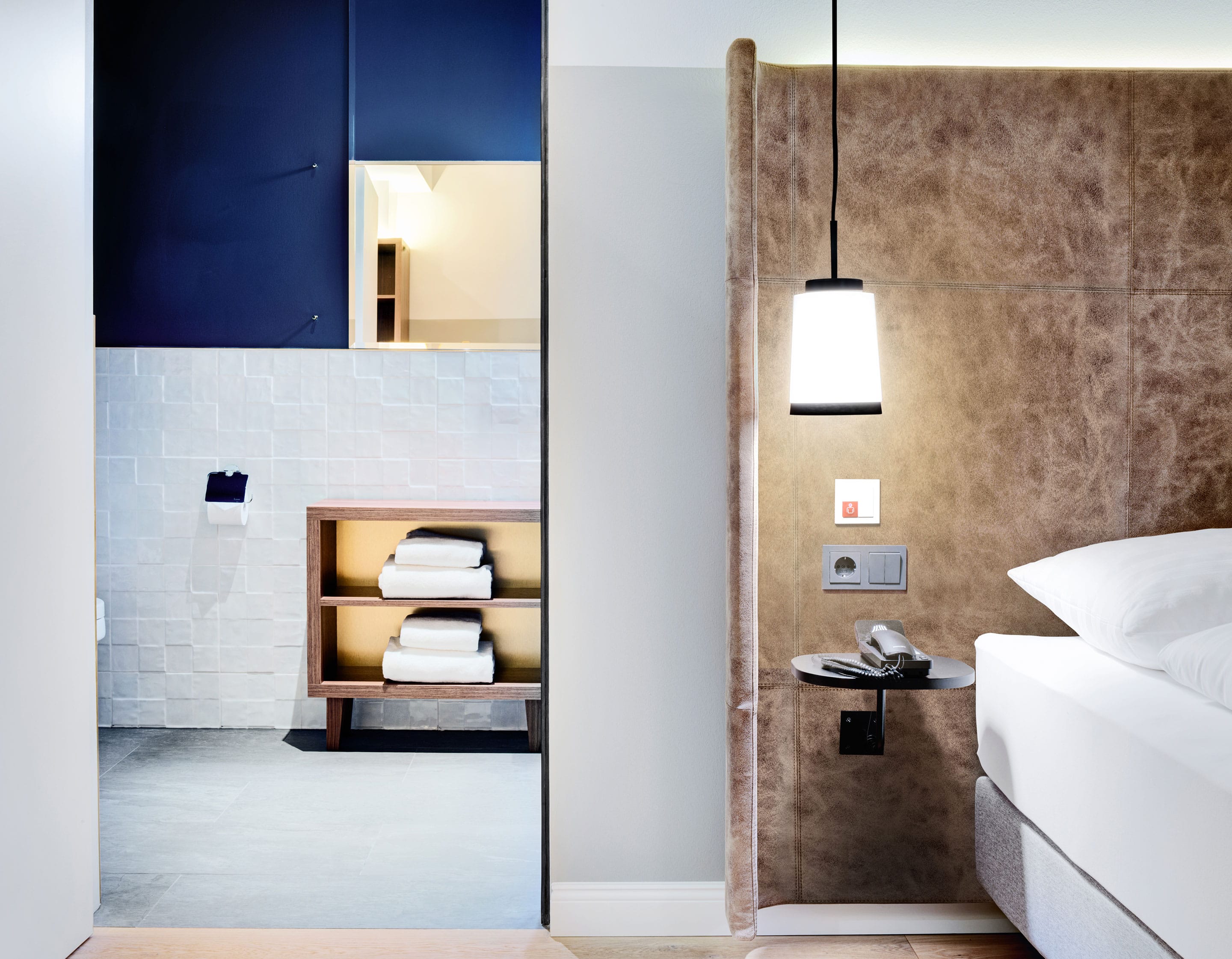
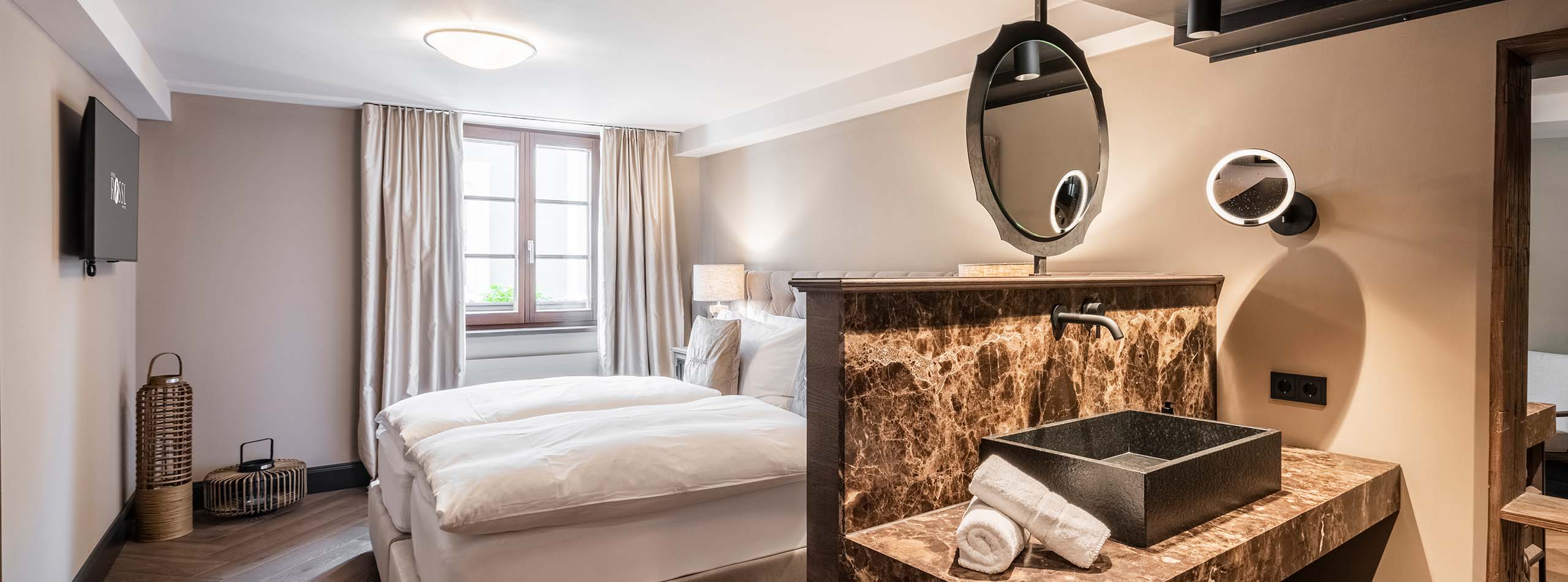
Where to Stay in Innsbruck
3 recommended properties
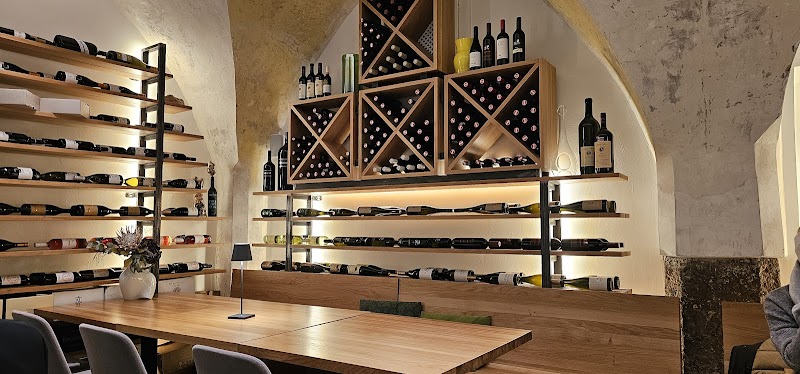
Things to Do in Innsbruck
Golden Roof & Old Town
City Center · 90 min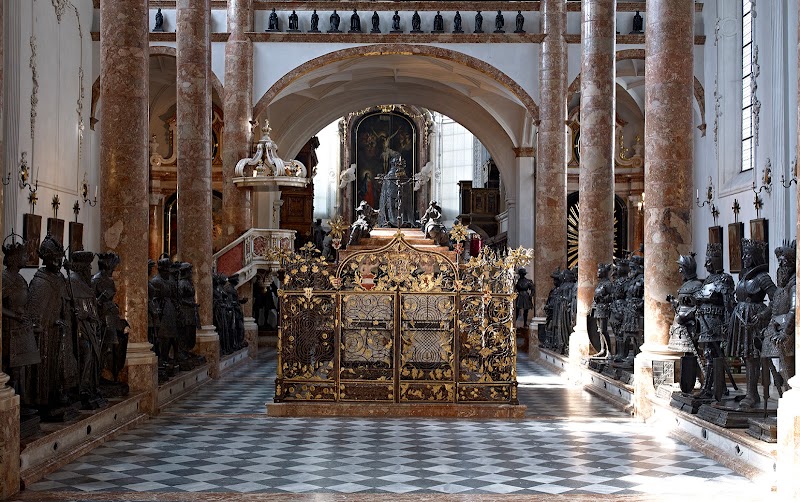
Hofkirche Innsbruck
City Center · 60 min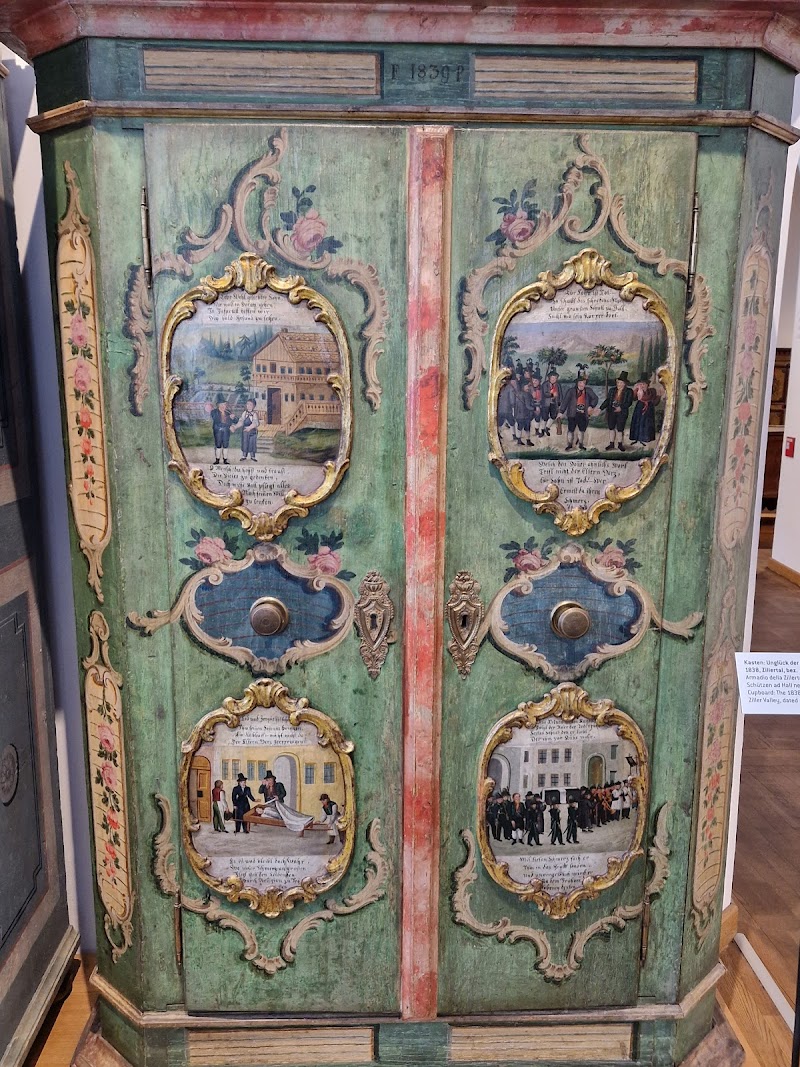
Tirolean Folk Art Museum
City Center · 90 minMoney-Saving Tips
- 1.Buy the Innsbruck Card (€49 for 48 hours) if you plan to use cable cars and visit museums — it pays for itself after two attractions
- 2.Eat lunch at university cafeterias like Mensa Innrain for €6-8 meals that locals use
- 3.Shop for groceries at Hofer (Austrian Aldi) rather than tourist-area Spar stores to save 30% on basics
- 4.Book cable car tickets online for 10% discounts, especially during peak winter season
- 5.Stay in Igls or Hall in Tirol and commute by public transport — hotels cost €40-60 less per night than city center
Travel Tips
- •Download the IVB app for real-time tram schedules — mountain weather can delay services
- •Pack layers even in summer — temperatures drop 15°C as you gain elevation on cable cars
- •Learn basic German greetings — locals appreciate the effort, especially in traditional restaurants
- •Check cable car weather conditions before heading up — clouds can roll in fast and ruin mountain views
- •Make dinner reservations by 5 PM — many restaurants close their kitchens early, especially Sunday nights