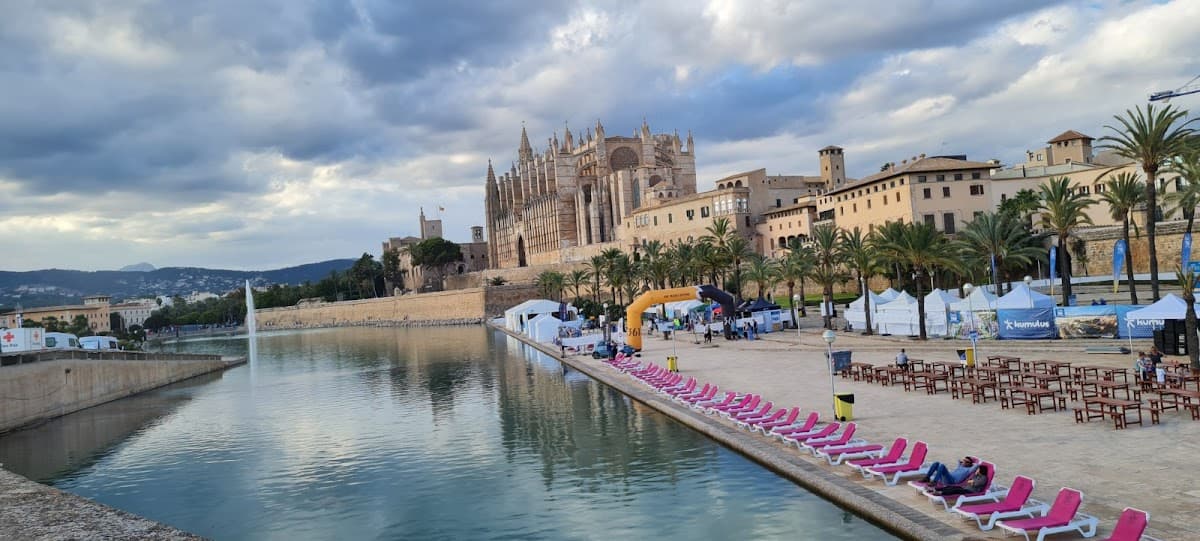
Palma de Mallorca
Mediterranean charm meets vibrant Spanish island culture
Palma isn't just another Mediterranean beach town. Sure, it's got the requisite palm trees and yacht-filled marina, but this Balearic capital has serious depth. The Gothic Quarter's narrow streets hide centuries-old churches and cutting-edge galleries. Michelin-starred restaurants sit blocks from family-run tapas bars where locals still gather for evening vermut. And yes, the beaches are stunning — Playa de Palma stretches for miles — but the real magic happens when you wander inland to discover Roman ruins, contemporary art spaces, and rooftop bars with views that'll make your Instagram followers weep with envy.
Best Months
APR – OCT
~26°C · moderate crowds
Culture & Context
CATALAN CITY, NOT RESORT
Palma is the capital of the Balearic Islands, home to around 430,000–440,000 people, and it operates as a real city year-round. Not a resort. The Gothic old town predates the Spanish tourism industry by several centuries, and locals feel that gap keenly. The city has Roman, Moorish, and Catalan layers visible in everything from the Arab Baths on Carrer Serra to the street names in Catalan rather than Spanish.
Here's the thing about Palma in 2026: it's at a crossroads. There are genuine anti-overtourism protests happening, housing costs have pushed locals out of the historic center, and rental prices are up sharply. The city is dealing with the same pressures as Barcelona and Lisbon. Go as someone who's curious about the place, not just using it as a backdrop for photos.
The local culture is Catalan, not generically Spanish. Mallorquín is the dialect people actually speak to each other. The food is Mediterranean with its own traditions: ensaïmada (the spiral pastry you eat at breakfast), sobrassada (spreadable spiced sausage), pa amb oli (bread rubbed with tomato and olive oil). These are not tourist inventions.
The wine scene is genuinely exciting right now. Local grape varieties Mantonegro and Prensal Blanc are appearing on more wine lists and the island's vineyards are winning attention beyond Spain. Worth exploring if you care about wine at all.
German visitors make up an enormous share of tourism. You will hear German on the street, see German menus, and find German-speaking staff everywhere. English is equally universal in tourist areas. Outside Palma and the resort strips, Spanish gets you much further than English.
Local Customs
MEALS ON CATALAN TIME
Meal times are non-negotiable. Lunch runs 14:00–16:00, dinner rarely starts before 21:00 and often later. Show up at 19:00 expecting dinner and you'll be eating alone in an empty restaurant with a tourist menu..
The siesta is real. Many local shops close from 14:00 to 17:00. Don't plan errands in that window..
Sunday closures are widespread. Supermarkets and most independent shops are shut. Stock up Saturday..
Locals speak Mallorquín (a Catalan dialect) between themselves — not Spanish. Road signs are in Catalan. Don't correct anyone or call it 'just Spanish'.
The language is a source of genuine cultural pride.. Tipping is not mandatory and locals rarely do it formally. Rounding up the bill or leaving loose coins is appreciated.
Leaving 5–10% at a restaurant for good service is perfectly normal and welcomed, but not expected.. Dress modestly when entering churches or religious sites. A scarf over shoulders is enough.
La Seu Cathedral actually has a dress code and will turn you away in beach clothes.. Avoid the Magaluf comparison. Palma locals are tired of their island being associated with package holiday excess.
Acknowledge that the city has its own distinct identity separate from the resort strip.. The Ecotax is charged per person per night at all tourist accommodation. It's not a scam — it funds environmental and infrastructure maintenance across the Balearic Islands..
Protests against overtourism have become more common in Palma. Be a considerate visitor: don't rent if you can't afford it, don't block streets for photos, support local businesses over chains.. August is when many Mallorcan residents themselves go on holiday, leaving the island to tourists.
The city stays busy but loses some of its local character.
Safety
SAFE, WATCH PICKPOCKETS
Palma is genuinely safe. Violent crime is rare. The crime index for the city sits around 35, which is low by European standards. That said, a few things to know.
Pickpocketing is the main issue, particularly around Plaça Major, the Old Town, and crowded market areas during peak season. Use a cross-body bag, don't put your phone on café tables, and don't keep a wallet in your back pocket. Standard European city behavior.
Avoid Son Gotleu district at night. It has higher crime rates than the rest of the city. Steer clear of waterfront areas late at night too.
The party zones around Magaluf and El Arenal have their own dynamic. Drink spiking in clubs has been reported. Don't leave drinks unattended and don't accept drinks from strangers. The UK government specifically warns against attending illegal parties in private villas — basic advice worth knowing.
Local authorities are cracking down on public drunkenness, balcony jumping, and noise violations with increased fines. Don't be that tourist.
If hiking in the Serra de Tramuntana, wear proper shoes, carry water, and check weather warnings. The terrain is serious in places. Emergency number for everything is 112.
Getting Around
FREE BUS, HIGHLY WALKABLE
Getting from Palma Airport (PMI) to the city is straightforward. The A1 bus runs every 15–20 minutes, connects to Plaça d'Espanya (the main transport hub), and costs €5 single or €8 return. The journey takes 20–30 minutes. Taxis run a flat rate of €25–30 to the city center. Both are fine options; the bus is the obvious choice if you're watching costs.
Within Palma, the EMT bus network covers the whole city with 30+ routes. Big change since 2025: regular EMT bus journeys are free when you pay with a contactless card. Cash single tickets cost around €2. Pay by card. It's that simple.
Palma has a metro (Line M1) connecting Plaça d'Espanya to the University of the Balearic Islands campus via Son Oliva. Useful for those specific stops but not critical for most visitors. A July 2026 extension adds a Parc Bit tech park stop.
For the rest of the island, TIB intercity buses and SFM trains depart from Estació Intermodal at Plaça d'Espanya. Free travel is confirmed to continue through 2026 with the Intermodal or Single Transport Card.
The vintage wooden train to Sóller (running since 1912) is a genuine experience and not included in free-travel schemes. A one-way ticket runs around €22–23, return roughly €30–40. Book online — it sells out in high season.
A new electric water bus (Bus Nàutic) is launching in 2026, connecting the port with the city and Portixol along the waterfront. It's designed to take pressure off the Paseo Marítimo traffic corridor.
If you plan to explore the island's more remote beaches, northern coast, or mountain villages, rent a car. Palma itself is walkable and bus-friendly; the rest of Mallorca often isn't. Note: Low-Emission Zones (ZBE) are being rolled out in Palma restricting older vehicles, and speed cameras are widespread across the island.
Useful Phrases
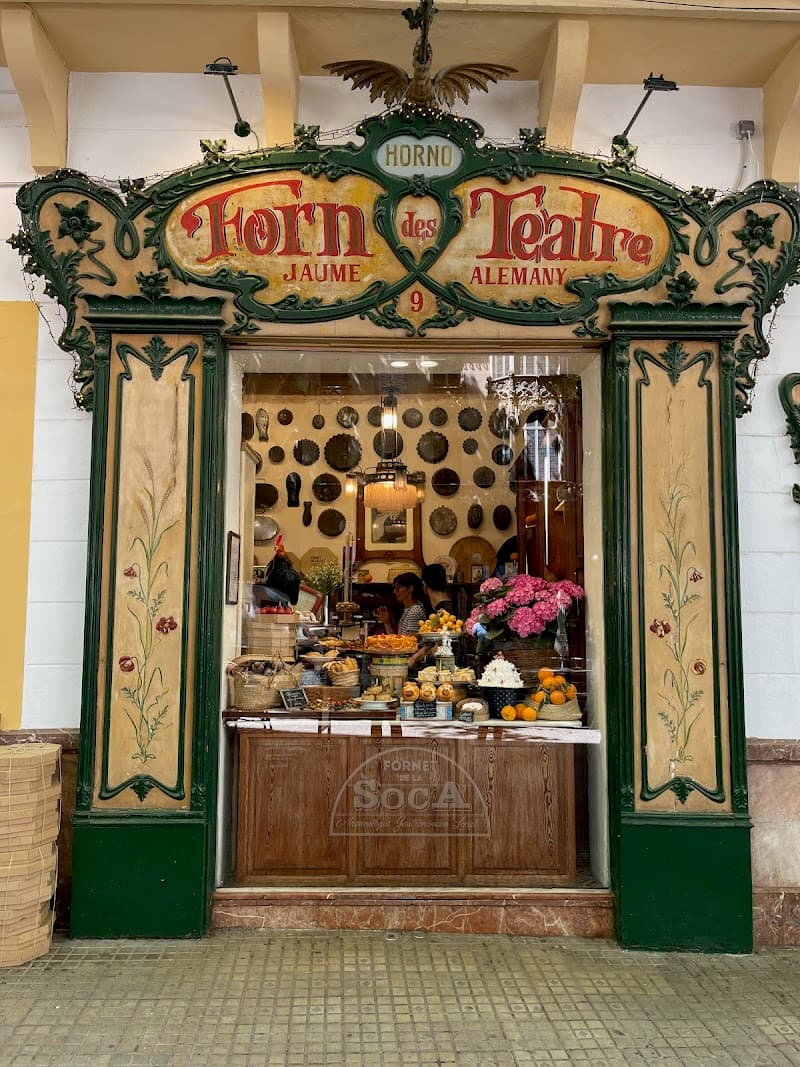
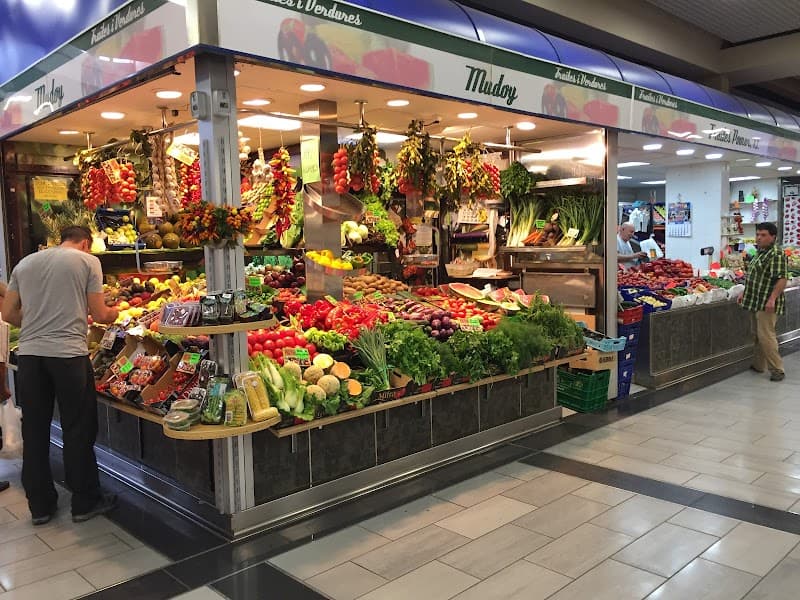

Things to Do in Palma de Mallorca
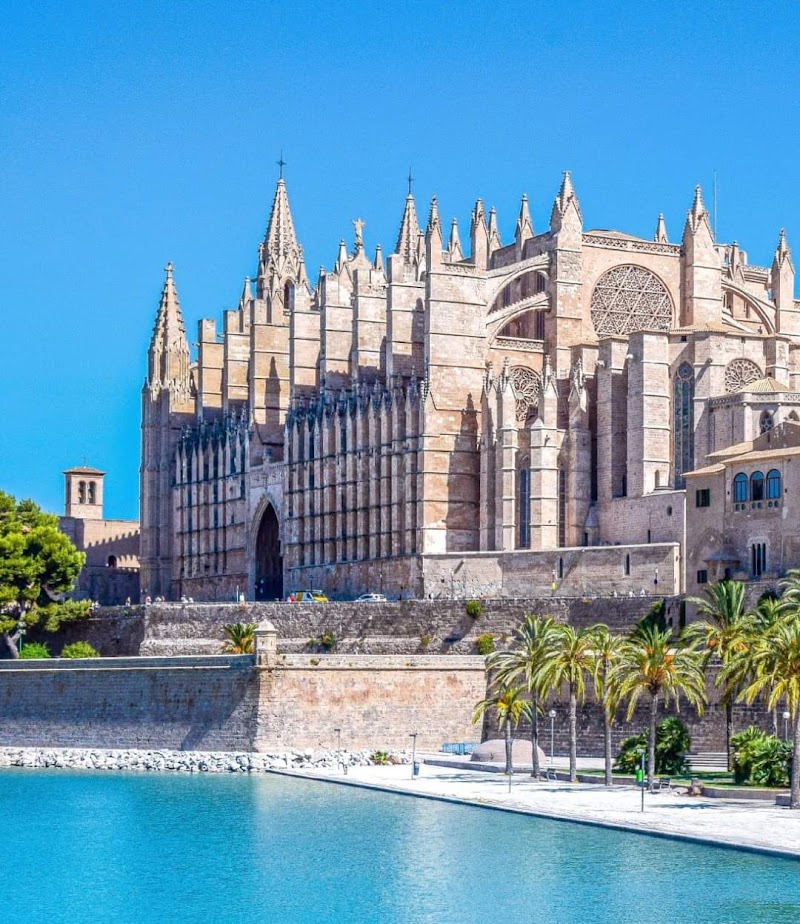
Catedral-Basílica de Santa María de Mallorca
Old Town · 45 min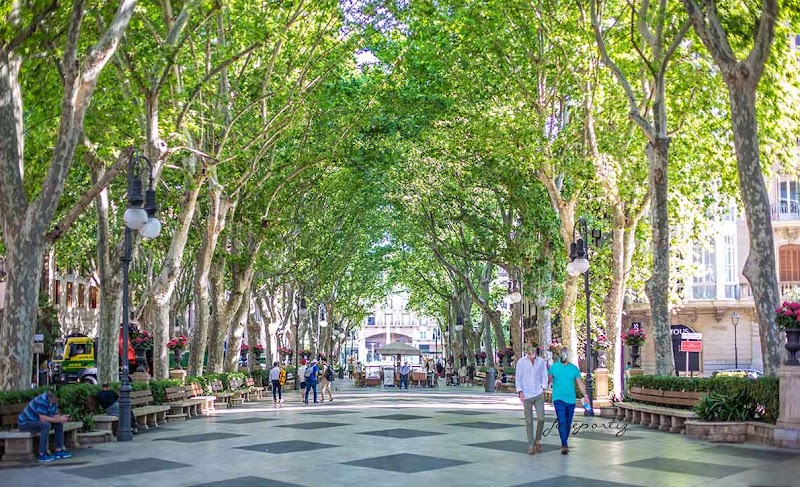
Passeig del Born
Old Town · 60 min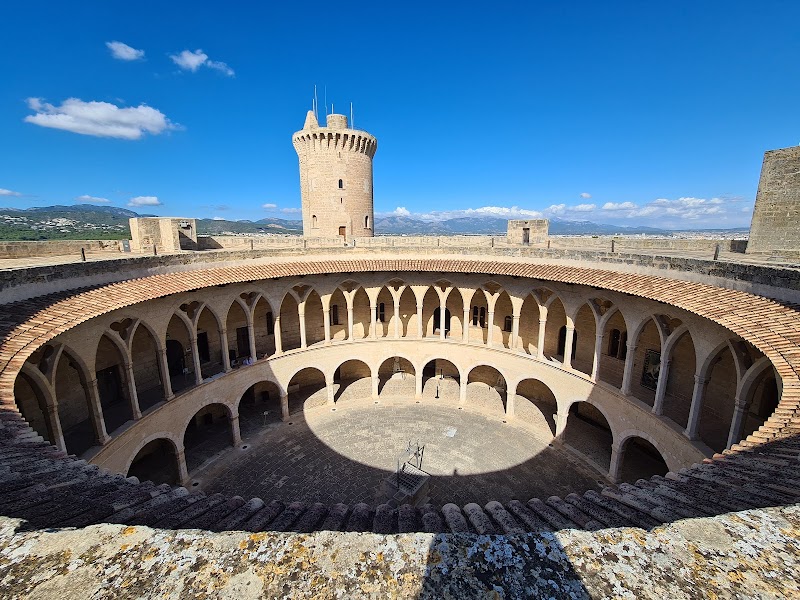
Castell de Bellver
Bellver · 90 minMoney-Saving Tips
- 1.Buy groceries at Mercadona or Lidl instead of tourist shops — prices drop by 50% for basics like water and snacks
- 2.Many museums offer free entry on Sunday mornings, including Es Baluard contemporary art museum
- 3.Lunch menus (menú del día) at local restaurants cost €12-15 and include three courses plus wine
- 4.EMT bus 10-ride cards save €5 compared to single tickets and work for multiple people
- 5.Beach clubs charge €20+ for sunbeds, but public beaches like Cala Major offer free access and facilities
- 6.Happy hour at rooftop bars (usually 6-8 PM) cuts cocktail prices from €12 to €8
- 7.Book accommodations in Santa Catalina or Portixol for better value than Gothic Quarter hotels
Travel Tips
- •Download the EMT Palma app for real-time bus schedules and route planning
- •Restaurants close from 3-7 PM, so plan lunch before 2:30 PM or wait until evening
- •Bring reef-safe sunscreen — many beaches now ban chemical sunscreens that damage marine life
- •Learn basic Spanish phrases — English isn't as widespread as other Spanish tourist destinations
- •Book the Sóller train tickets online in advance during peak season to avoid sellouts
- •Carry a reusable water bottle — public fountains throughout the city center provide free refills
- •Siesta is real — shops and banks close 2-5 PM, so plan accordingly
- •The Gothic Quarter's narrow streets aren't wheelchair accessible — stay in newer areas if mobility is a concern
Frequently Asked Questions
Explore Palma de Mallorca
BUILD YOUR
PALMA DE MALLORCA PLAN
Insider picks, smart timing, and a plan ready when you are.
Start Planning