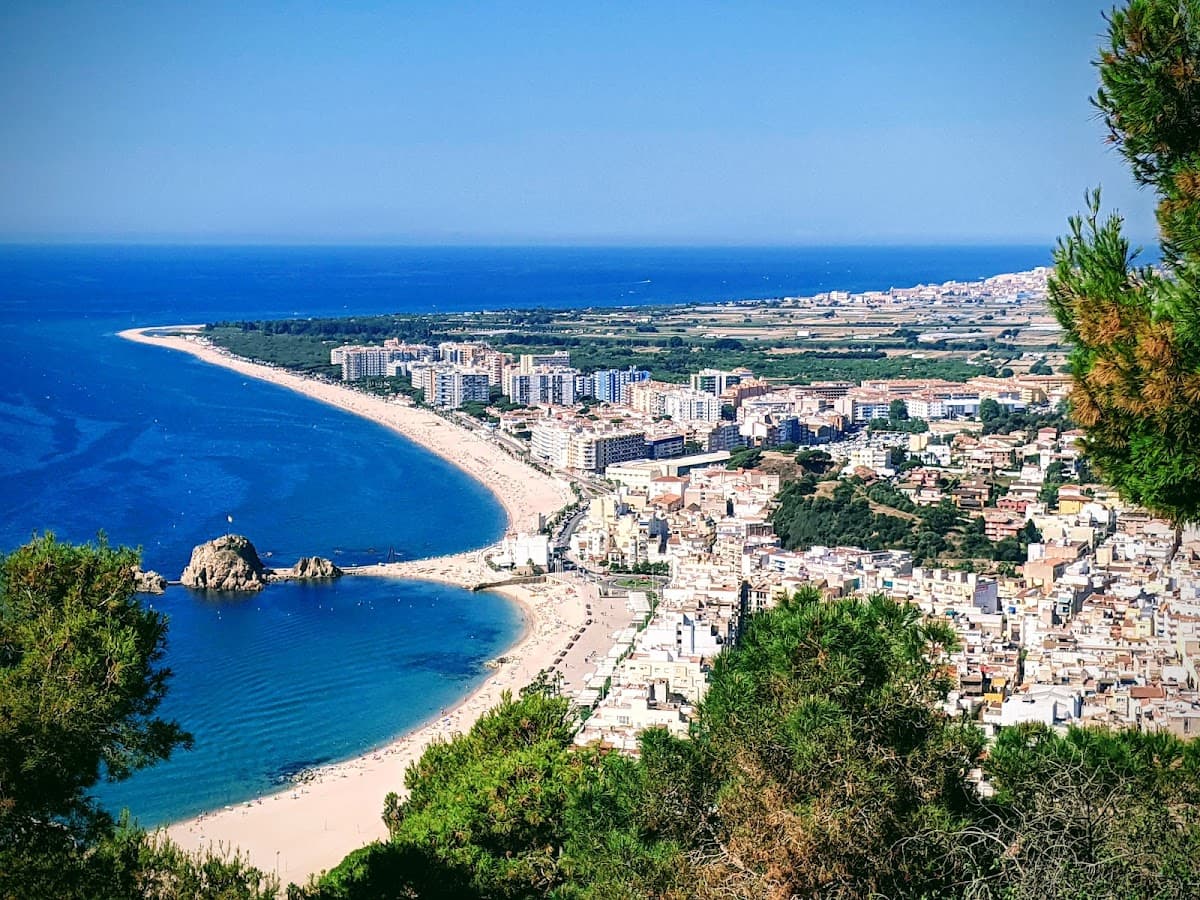
Costa Brava
Spain's wild coast of hidden coves and artistic heritage
Forget the crowded beaches of the Costa del Sol. Costa Brava delivers Spain's wildest coastline, where pine-covered cliffs drop into turquoise coves and medieval stone villages cling to rocky promontories. This is Catalonia's answer to the French Riviera, but with half the pretension and twice the character.
The name means "wild coast" in Catalan, and it lives up to the billing. Between Blanes and the French border, you'll find fishing villages that Salvador Dalí called home, beaches accessible only by footpath, and restaurants serving some of Spain's best seafood. The Costa Brava keeps one foot in its artistic past and another in its fishing heritage, creating a coastline that feels authentically Mediterranean rather than resort-manufactured.
But here's what makes it special: even in summer, you can still find your own slice of paradise. The region's 200 kilometers of coastline hide dozens of calas (coves) that require a bit of effort to reach. Pack good walking shoes, bring a cooler, and prepare to earn your beach time.
Money-Saving Tips
- 1.Stay inland in towns like Pals or Begur instead of beachfront hotels to save 30-40% on accommodation
- 2.Buy wine directly from Empordà cooperatives for €3-5 per bottle versus €20+ in restaurants
- 3.Pack lunch and water for beach days - coastal cafés charge premium prices for basic items
- 4.Visit in May, June, or September for shoulder season rates while still enjoying good weather
- 5.Take advantage of free beach access via Camí de Ronda hiking paths instead of paying for parking
- 6.Book dinner at top restaurants for lunch instead - many offer similar menus at half the price
Travel Tips
- •Download offline maps - cell service can be spotty on remote coastal paths and beaches
- •Bring reef-safe sunscreen and a hat - Mediterranean sun reflects intensely off white cliffs and water
- •Pack comfortable hiking shoes for accessing the best beaches via Camí de Ronda paths
- •Learn basic Catalan phrases - locals appreciate the effort more than Castilian Spanish
- •Book restaurants in advance during summer, especially in Cadaqués and Roses
- •Carry cash - many small beach bars and local establishments don't accept cards
- •Respect private property signs when exploring - some coastal paths cross private land
- •Check weather and sea conditions before boat trips - the Mediterranean can turn rough quickly