Chueca
Madrid's vibrant LGBTQ+ district with trendy bars and nightlife
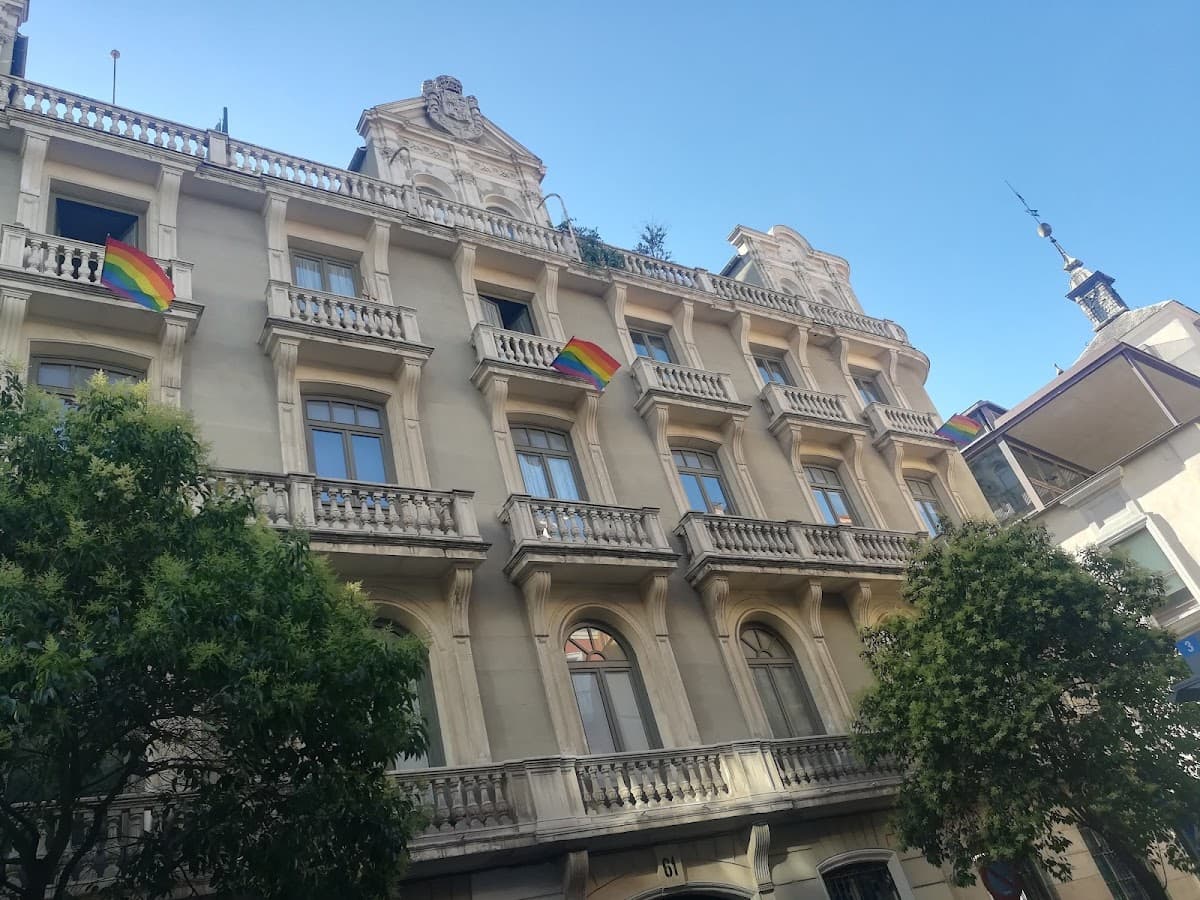
Chueca pulses with an energy that's impossible to fake. Madrid's LGBTQ+ heart beats strongest here, where rainbow flags flutter from wrought-iron balconies and the night doesn't even think about winding down until sunrise. But this isn't just about the scene – though the scene is spectacular. Chueca serves up some of Madrid's best shopping along Calle Fuencarral, hole-in-the-wall tapas joints that locals guard fiercely, and a daytime vibe that's surprisingly laid-back for such a party-focused neighborhood. The cobblestone streets around Plaza de Chueca tell stories of transformation – from working-class barrio to the cosmopolitan district that now anchors Madrid's progressive spirit. And here's what makes it special: everyone's welcome at the table.
Culture & Context
LGBTQ+ LIBERATION ENGINE
Chueca is named after Federico Chueca, a 19th-century zarzuela composer who died at the start of the 20th century. But the neighborhood's modern identity has almost nothing to do with him and everything to do with what happened next. In the 1980s, post-Franco Spain was still finding itself, and this then-declining neighborhood — cheap rents, crumbling buildings — became a refuge for the LGBTQ+ community emerging from decades of suppression.
They didn't just move in; they rebuilt the place from scratch. By the mid-1990s, Chueca had flipped from one of Madrid's worst addresses to one of its most desirable. Spain legalized same-sex marriage in 2005, making it the third country in the world to do so, and Chueca was the cultural engine behind that shift.
The neighborhood also claims roots in the movida madrileña — the explosive artistic and social liberation movement that swept Madrid in the late 1970s and early '80s. Today it's impossible to separate Chueca from the broader story of Spanish freedom. Traditional taverns from the 1890s sit next to avant-garde boutiques.
The Longoria Palace — one of the few fully Modernist buildings in Madrid — is just steps from drag cabarets. And the Museum of Romanticism on Calle San Mateo (inside an 18th-century palace) gets almost completely ignored by mass tourism, which makes it one of the best quiet hours in the entire city.
Local Customs
DINNER AT 10 PM
Dinner before 9 PM marks you as a tourist immediately. Most Madrileños don't sit down to eat until 10 or 11 PM on weekends, and kitchens stay open well past midnight.. Many bars serve free tapas with drinks — this is especially strong in Chueca.
El Tigre is legendary for it. Don't skip a drink just because you're not hungry; you might end up with a full plate of food anyway.. Sitting at an outdoor terrace costs extra.
Most places add a 10% surcharge for the privilege of sitting outside. Drink at the bar if you want local prices.. Public drinking (botellón) is technically prohibited and can result in fines.
The streets look free-flowing but police do enforce this, especially in residential areas late at night.. Two kisses on the cheek is the standard greeting between friends and when meeting new people — right cheek first, then left. Men often do this with women but handshakes between men are also common..
Greet café and bar staff when you enter and say goodbye when you leave. 'Buenas' covers both morning and afternoon. Ignoring the staff is considered rude..
Tipping is appreciated but not mandatory. Leave small change at lunch, 5–10% at dinner if the service was good. Nobody will chase you down if you don't..
Chueca is extremely LGBTQ+-welcoming year-round — this isn't just a Pride-week thing. Public displays of affection between same-sex couples are completely normal and unremarkable here.
Safety
WATCH PICKPOCKETS
Chueca is genuinely one of the safer neighborhoods in Madrid, which itself ranks 25th safest city out of 60 in a worldwide study. The streets stay well-lit and busy until very late — you are rarely alone even at 3 AM on a weekend. Violent crime is rare.
The real risk here, as everywhere in central Madrid, is pickpocketing. Don't leave your phone on the café table, keep your bag zipped in crowded areas, and don't flash expensive gear. Specific to Chueca: the club-heavy stretches of Calle Hortaleza and Pelayo get loud and crowded on weekend nights, which is exactly when opportunistic theft goes up.
Stay on main illuminated streets if walking alone after 2 AM. LGBTQ+ safety is genuinely excellent — Spain has had same-sex marriage since 2005 and public support is very high. Chueca is one of the most inclusive neighborhoods in Europe, year-round.
The emergency number in Spain is 112 (police, fire, ambulance). Beware common tourist scams: strangers offering to clean a stain off your clothes (a distraction), people pushing rosemary sprigs at you (they'll demand payment aggressively), and unofficial taxi drivers outside clubs. Use Uber, Cabify, or official white taxis with a red stripe.
Getting Around
METRO & TARJETA MULTI
The Chueca Metro station (Line 5 — Green) drops you directly at Plaza de Chueca, the neighborhood's central square. Metro runs 6:00 AM to 1:30 AM daily, with trains every 2–4 minutes at peak hours. You cannot buy a paper ticket anymore — you need a Tarjeta Multi card (€2.
50 one-time, reusable for 10 years) loaded at any station vending machine. Best value for visitors is the 10-ride Metrobús card at €12.20, which works on both metro and city buses.
For intensive use, the Tourist Travel Pass offers unlimited travel including the airport metro — €10 for 1 day, €17 for 2 days, €42 for 7 days. From Barajas Airport: take Line 8 to Nuevos Ministerios, switch to Line 10 to Alonso Martínez, then Line 5 to Chueca — about 40 minutes and €1.50–2.
00 plus the €3 airport supplement (waived with Tourist Pass). Nearby stations also useful: Gran Vía (Lines 1 and 5), Tribunal (Lines 1 and 10), Alonso Martínez (Lines 4, 5, 10). Night buses (búhos) cover the city after metro closes at 1:30 AM.
Uber and Cabify are widely available, roughly €30–35 to/from the airport. Don't bother with a car — streets are narrow, parking is a nightmare, and the entire city center is a Low Emission Zone requiring an environmental sticker.
Useful Phrases
Money-Saving Tips
- 1.Hit the grocery stores along Calle Hortaleza for snacks and drinks – bar prices add up fast in this tourist-friendly zone
- 2.Lunch menus del día at neighborhood restaurants cost €12-15 versus €25+ for dinner at the same places
- 3.Metro day passes cost €8.40 and cover unlimited rides, better value than individual tickets if you're exploring beyond Chueca
- 4.Happy hour at most bars runs 6-8 PM with drinks 30-40% cheaper than peak nighttime prices
- 5.Mercado de San Antón's ground floor sells fresh fruit and snacks at local prices, avoiding the tourist markup at corner shops
Travel Tips
- •Download the Metro Madrid app – Line 5 connects Chueca to most places you'll want to visit
- •Spanish dinner starts around 9 PM, so adjust your schedule or you'll be eating alone at tourist restaurants
- •ATMs along Gran Vía charge lower fees than the ones inside bars and clubs
- •Learn basic Spanish greetings – locals appreciate the effort even if your pronunciation needs work
- •Bring comfortable walking shoes – those cobblestone streets look charming but murder your feet after a few hours
- •Most shops close 2-5 PM for siesta, so plan your shopping around the Spanish schedule
- •Nightlife peaks Thursday through Saturday – Sunday and Monday nights run much quieter