Bilbao
Industrial Basque city reborn through stunning contemporary architecture
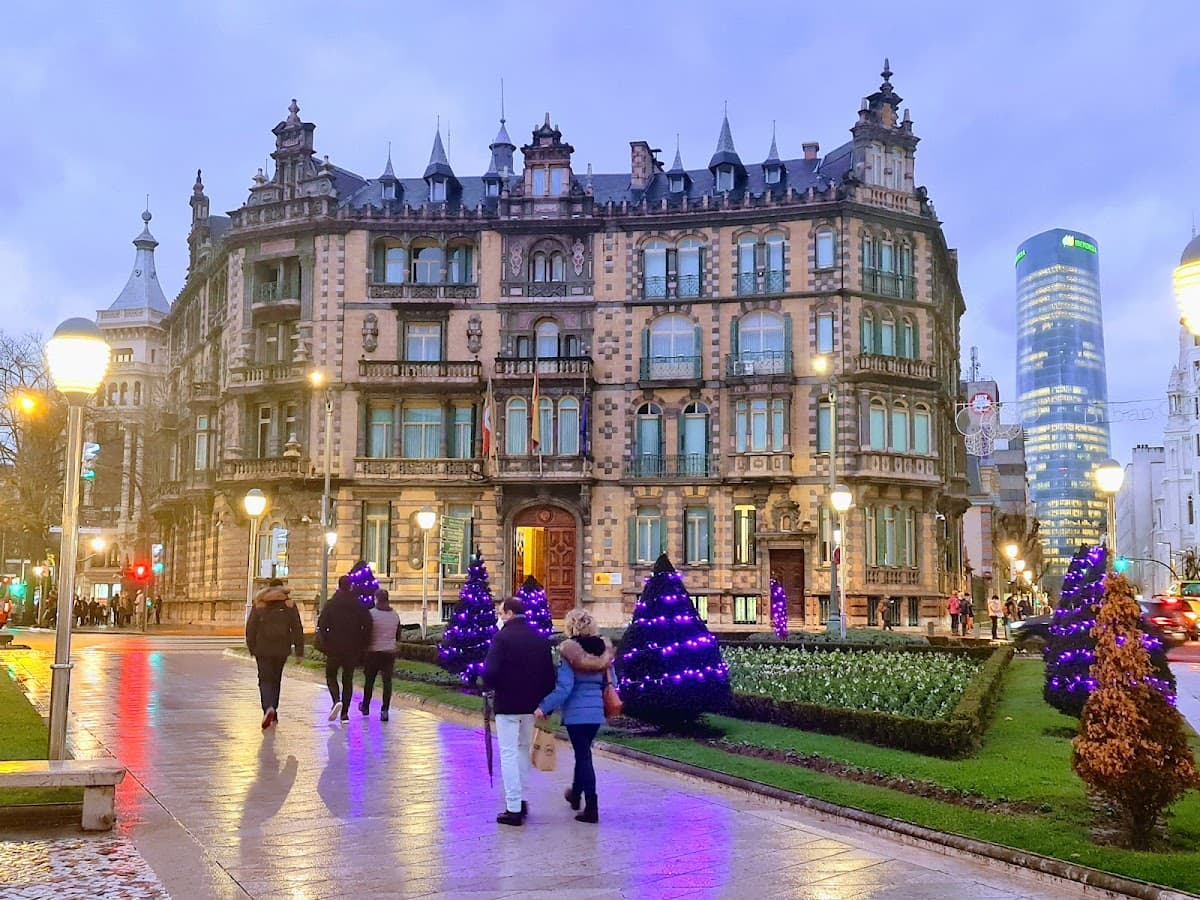
Bilbao doesn't look like the rest of Spain. Walk down Gran Vía and you'll see why — this former industrial port has reinvented itself as one of Europe's most compelling cultural cities. The Guggenheim Museum's titanium curves catch morning light off the Nervión River, while pintxos bars pack the narrow streets of Casco Viejo with locals arguing over football and politics.
The city wears its transformation well. Old shipyards have become parks, abandoned warehouses house contemporary art galleries, and the Metro stations look like they were designed by aliens (they were actually designed by Norman Foster, but same energy). But here's what makes Bilbao special: it never forgot its working-class roots. You'll find Michelin-starred restaurants next to century-old taverns, and locals who are just as proud of their industrial heritage as their shiny new museums.
The Basque culture runs deep here — from the language you'll hear on street corners to the pintxos that turn every evening into a crawl between bars. And unlike Barcelona or Madrid, you won't be fighting crowds of tourists for a good view.
Best Months
MAY – OCT
~25°C · moderate crowds
Culture & Context
BASQUE IDENTITY UNWAVERING
Bilbao is the capital of the Basque Country, and the Basques will remind you of that constantly. This is not Spain in the way Madrid or Barcelona is Spain. The language on every street sign is Euskara first, Spanish second. The identity runs deep, the food culture is almost aggressively serious, and Athletic Club de Bilbao (the local football team) operates on a strict policy of fielding only Basque-born or Basque-raised players. That's not a gimmick. That's religion here.
The city spent most of the 20th century as a gritty industrial port. Steel, shipbuilding, pollution. Then in 1997 the Guggenheim opened, Frank Gehry's titanium spaceship landed on the Nervión River, and the whole trajectory of the city changed. Tourists came. Hotels followed. But enough of the old Bilbao remains that it doesn't feel like a theme park. The siete calles (seven streets) of Casco Viejo still have the same bars where grandparents drank fifty years ago. The river walk from Casco Viejo to the Guggenheim takes twenty minutes and passes through neighborhoods that feel completely unperformed.
One thing to understand upfront: call a pintxo a "tapa" and you will not be making friends. These are not the same thing, and locals are well aware of the difference.
Local Customs
PINTXOS HONOR SYSTEM
Pintxos bars run on an honor system. Take food from the bar, keep your toothpicks, pay at the end based on how many you had. Be honest.
Some places monitor what you take.. Locals stand at the bar, eat and drink quickly, then move on. Sitting down for pintxos is fine, but it's not how regulars do it.
The whole point of txikiteo is sampling one or two bites at many different bars.. Never call a pintxo a 'tapa'. These are not the same thing and Basques are particular about the distinction..
The best pintxos time windows are 11am–2pm and 7pm–11pm. Go during the dead afternoon and you'll find stale food that's been sitting out too long.. Tissues on the bar floor are normal.
Locals wipe their hands and drop the tissue. Bar workers sweep constantly. It looks chaotic but it's just how things work..
Basque political history is complex. ETA formally dissolved in 2018, but the independence question still stirs strong feelings. Don't open this topic unless a local brings it up and clearly wants to discuss it..
Meals are long social events. The sobremesa (time spent at the table after eating, just talking) is real and not rushed. Don't ask for the bill the second you finish eating..
Tipping is not expected at pintxos bars. At sit-down restaurants, rounding up or leaving 5–10% is appreciated but not mandatory.. Athletic Club de Bilbao matches at San Mamés (the stadium locals call La Catedral) are a genuine cultural experience.
The Basque-only player policy makes home games feel intensely local. Check the fixture list before you visit.. Dress code for church visits: cover shoulders and knees at the Basilica de Begoña and the Catedral de Santiago.
Safety
GENERALLY VERY SAFE
Bilbao is genuinely one of the safer cities in Spain. Crime rates run about 30% below the national average. Violent crime is rare. That said, petty theft is a real thing, and it follows the same patterns as every European city: crowded metro, festival crowds, busy pintxos bars, areas around the Guggenheim.
The San Francisco district (part of Bilbao la Vieja) comes up consistently as the one area to be more cautious, especially at night. It's close to the center and fine during the day, but the streets can feel rougher after dark. If you end up there at night, stick to the busier, better-lit parts. Lehendakari Aguirre Street in Deusto is another area that gets lively in ways that aren't always pleasant late at night.
The standard advice: don't keep your phone in your back pocket, use a cross-body bag in the Ribera Market and around the Guggenheim, and pay attention to your surroundings during Aste Nagusia when crowds are massive.
For solo female travelers, the city rates very highly. The main areas (Casco Viejo, Abando, Indautxu) are comfortable day and night.
Water: Bilbao tap water is safe to drink. No need for bottled water.
Emergency number: 112 (works in English and Spanish).
Always use official white taxis with a horizontal red stripe. Confirm the meter is running, especially from the airport.
Getting Around
METRO & WALKABLE
Bilbao's center is compact enough that you'll walk everywhere between Casco Viejo and the Guggenheim, roughly 20 minutes along the river. But the public transport system is genuinely excellent when you need it.
The Barik card is your first purchase. It costs €3 and works on the metro, tram, buses, and the Artxanda Funicular. Think Oyster card for Bilbao. Single metro tickets run €1.50–€2 without it, but with it you pay €0.60–€1.50 depending on zones. The machines at metro stations don't give change, so any excess goes onto the card balance. As of 2025, contactless bank cards do NOT work at metro barriers — you need cash or a Barik card.
Metro Bilbao has three lines forming a Y shape. For tourists, the key central stops are Casco Viejo, Abando, Moyua, Indautxu, and San Mamés. The stations were designed by Norman Foster and are worth a look in themselves. Metro runs from around 6am to 12:30am, with extended hours on weekends.
The tram (Euskotren Tranbia) runs a scenic single line along the Nervión River connecting the Guggenheim area with Casco Viejo. Tram ticket: €1.90 (€0.73 with Barik). It's slower than the metro but the views make up for it.
Airport to city center: Skip the taxi (€25–30) unless you have heavy luggage. The Bizkaibus A3247 costs €3 and takes about 20 minutes, stopping on Gran Vía near Plaza Moyúa.
The Artxanda Funicular has been running since 1915 and goes up to the best panoramic viewpoint over the city. €3 one way, €5 return. Barik card accepted. Go at sunset.
Driving in Bilbao is not recommended. The old town is pedestrian-only, one-way streets are everywhere, and parking runs €15–25 per day.
Useful Phrases
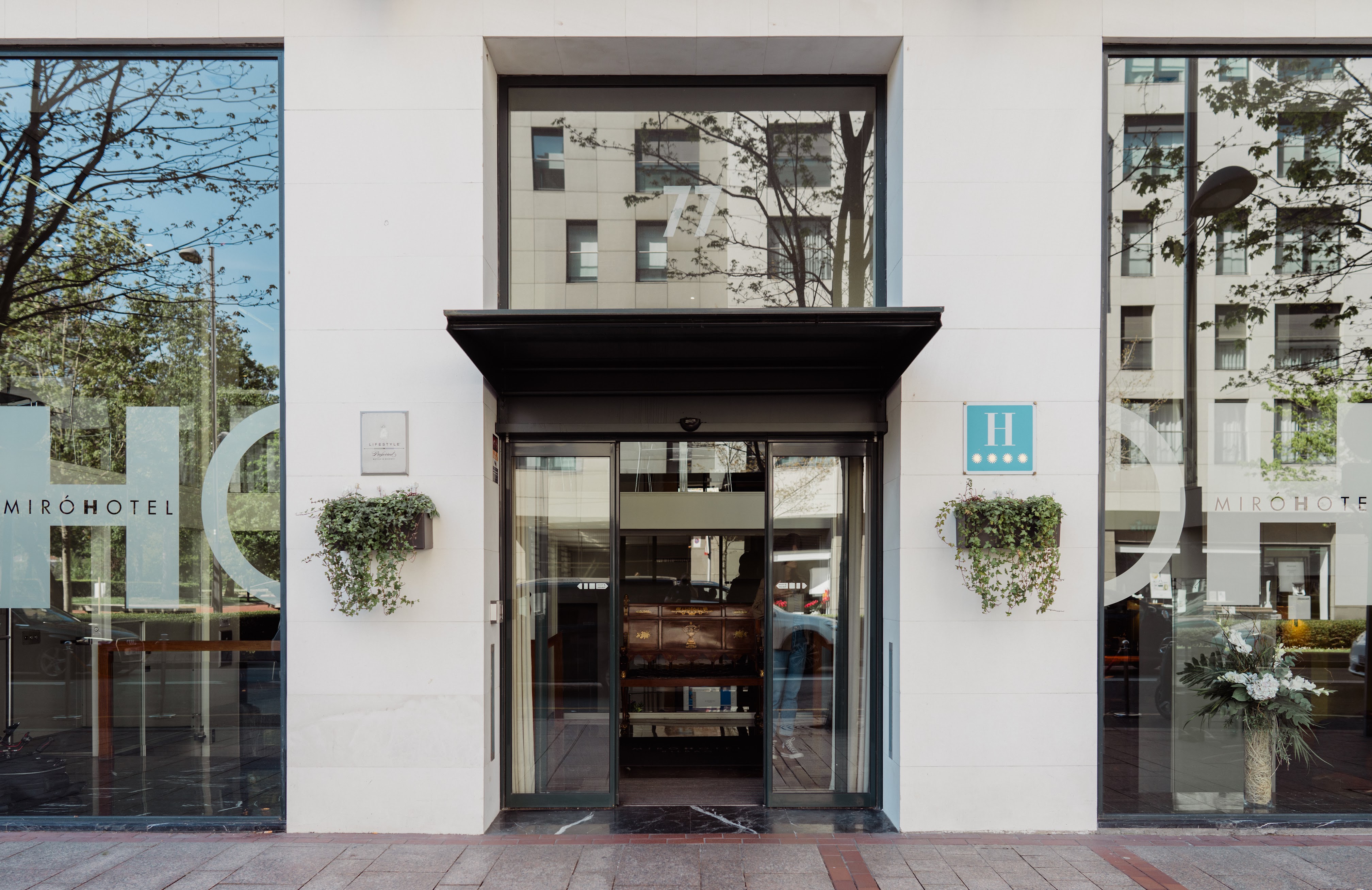
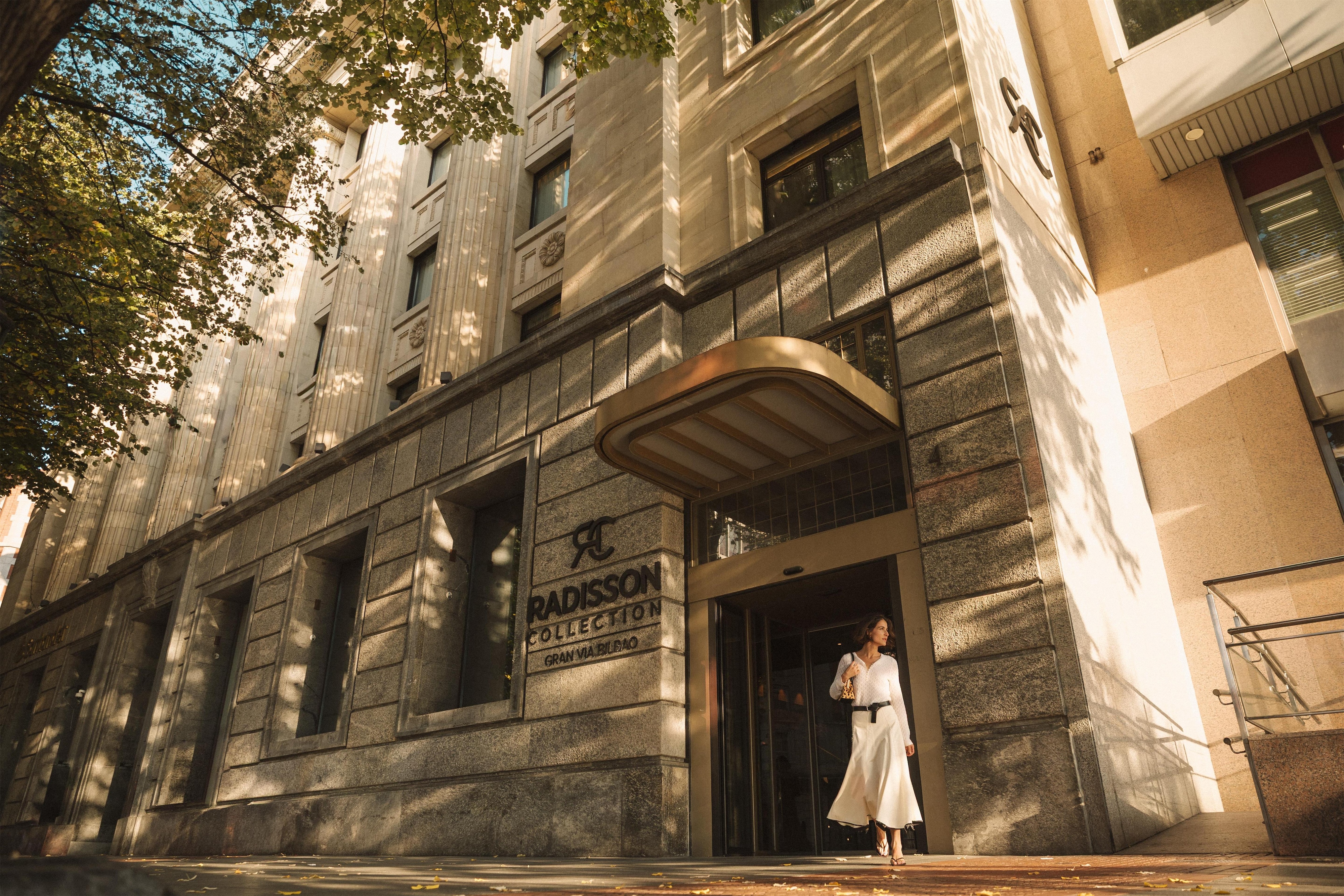
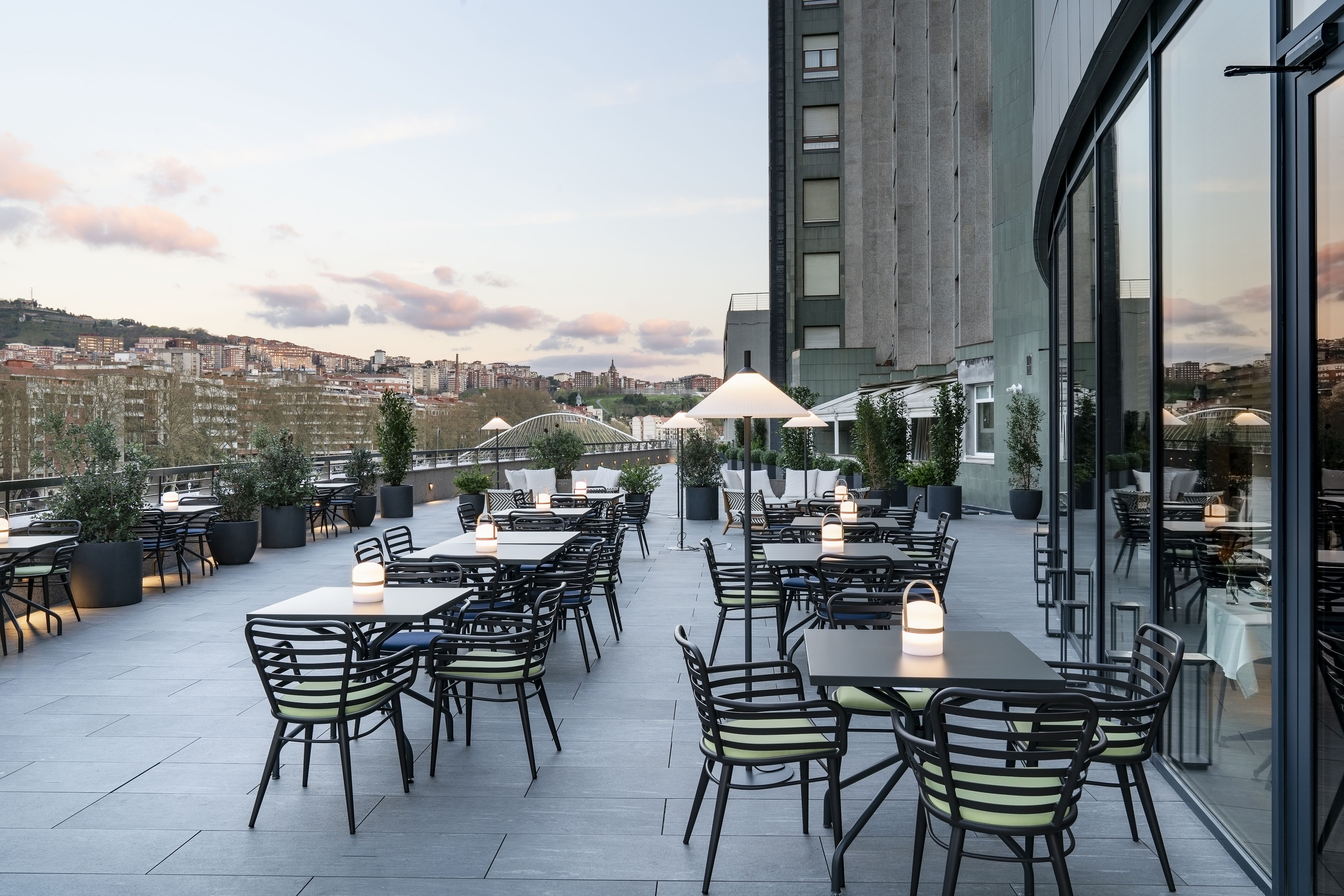
Where to Stay in Bilbao
5 recommended properties
Things to Do in Bilbao
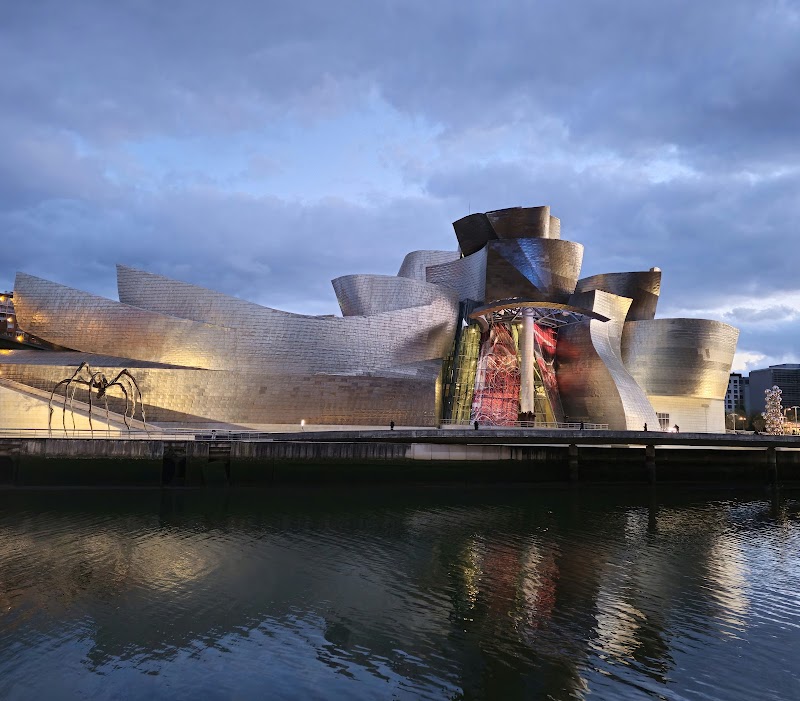
Guggenheim Museum Bilbao
Ensanche (Riverside) · 90 min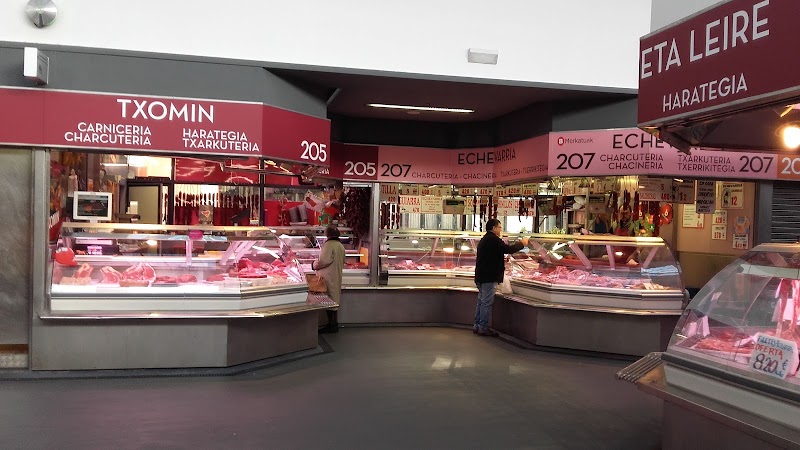
Mercado de la Ribera + Casco Viejo Market Walk
Casco Viejo (Waterfront edge) · 120 minMoney-Saving Tips
- 1.Buy a Barik transport card for €3 and load it with credit — single metro rides drop from €1.70 to €1.35
- 2.Skip the Guggenheim on Wednesdays after 6 PM when locals get free entry, but tourists still pay full price
- 3.Eat lunch at neighborhood bars instead of tourist restaurants — a full pintxos meal costs €15-20 vs €40+ at tourist spots
- 4.Book hotels in Deusto or outer neighborhoods and take the 10-minute metro ride to save €50+ per night
- 5.Visit the Mercado de la Ribera for cheap, fresh groceries if you have a kitchen — produce costs half what supermarkets charge
- 6.Take the bus to San Sebastián (€7) instead of the train (€12) — same journey time, different views
- 7.Many museums offer free entry on specific days for residents, but some extend this to all visitors on slow weekdays
- 8.Happy hour at pintxos bars runs 7-8 PM with discounted drinks and free small plates with each order
Travel Tips
- •Learn basic Basque greetings — 'kaixo' (hello) and 'eskerrik asko' (thank you) earn genuine smiles from locals
- •Bring layers year-round — Bilbao weather changes quickly, and rain can start without warning even in summer
- •Book restaurants ahead for dinner, especially Thursday-Saturday when locals fill up neighborhood favorites
- •The Guggenheim gets packed 11 AM-2 PM — visit early morning or late afternoon for better photo opportunities
- •Download the Bilbao metro app for real-time train schedules and service updates in English
- •Pack comfortable walking shoes with good grip — cobblestones in Casco Viejo get slippery when wet
- •Pintxos etiquette: stand at the bar, keep track of your own toothpicks, and pay when you leave, not after each item
- •ATMs are everywhere, but many small pintxos bars still prefer cash over cards
- •The tourist office in Plaza Circular offers free city maps and discount coupons for museums and restaurants
- •Sunday mornings are quiet — most shops close, but it's perfect for walking along the river without crowds