Porto
Port Wine Capital with Stunning Riverside Medieval Charm
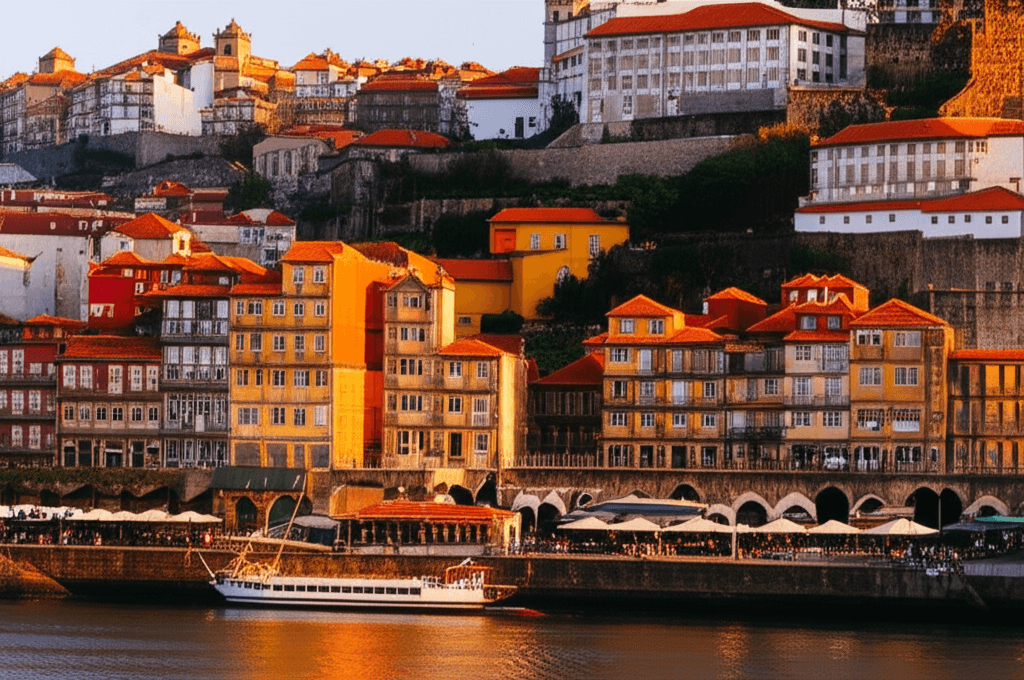
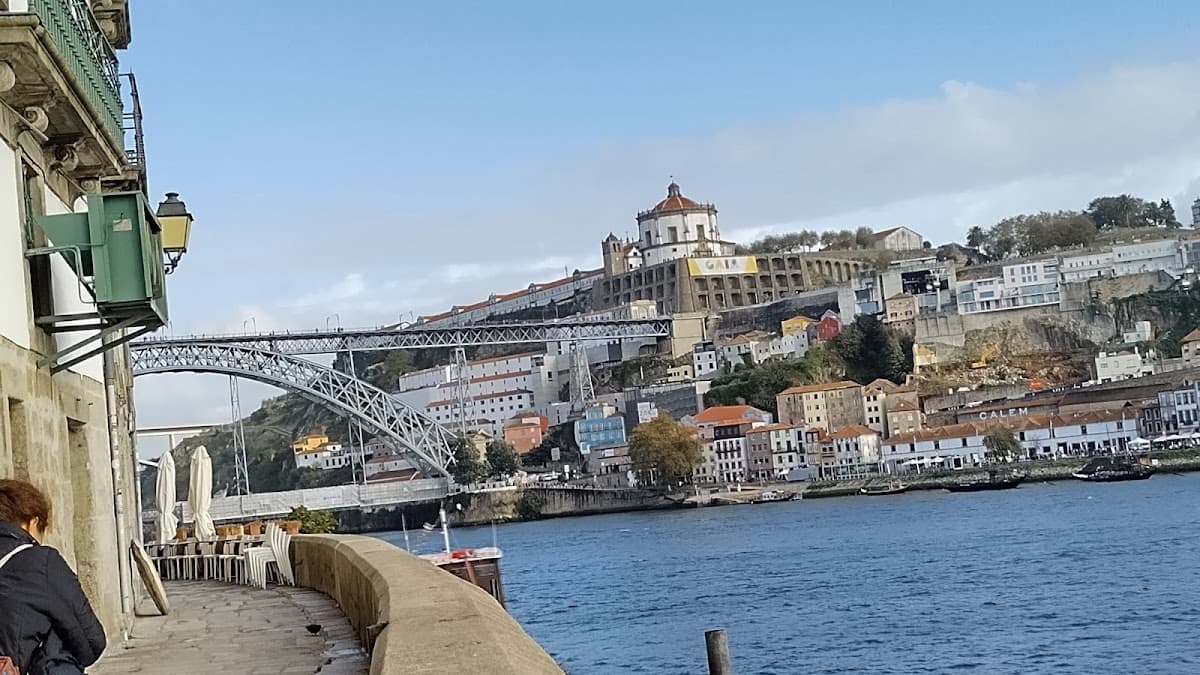
Porto hits different than Lisbon. Sure, it's smaller, but that's exactly why it works. The medieval center spills down to the Douro River like an amphitheater of terracotta roofs and blue azulejo tiles. Port wine cellars line the opposite bank in Vila Nova de Gaia. And the whole thing feels like a secret that's slowly getting out.
This isn't just another European city break. Porto moves at its own pace — slow enough to savor a glass of tawny port at sunset, fast enough to keep you discovering new corners. The food scene rivals any capital. The architecture spans centuries without feeling like a museum. And yes, the locals actually live here, not just serve tourists.
Here's what you need to know to do Porto right.
Best Months
APR · MAY · JUN · SEP · OCT
~22°C · moderate crowds
Culture & Context
UNPRETENTIOUS PORT WINE PRIDE
Porto is Portugal's second city, but locals will be quick to tell you it does the work while Lisbon takes the credit. The city stacks itself up steep hills over the Douro River, all terracotta rooftops and hand-painted azulejo tiles peeling in the salty Atlantic air. It's not trying to be pretty.
It just is. The pace here is slower than Lisbon, more residential, and noticeably less precious about tourism. People from Porto (called Tripeiros, a name with a whole story behind it) have a reputation for being direct, warm, and genuinely proud of where they live.
Fado shows up here too, but the city's real soundtrack is the clatter of trams on wet cobblestones, football chants from Estádio do Dragão, and wine glasses on riverside café tables. Port wine was born here — or more precisely, across the river in Vila Nova de Gaia, where the famous lodges (Graham's, Taylor's, Sandeman) have been aging barrels on the hillside for centuries. The food scene is serious.
Francesinhas (a molten, beer-sauce-drenched meat sandwich) are a local religion, and lunch menus at neighborhood restaurants can still be found for around €6-8. The city rewards slow walkers with good shoes and no particular agenda.
Local Customs
ASK FOR YOUR BILL
Greet everyone when entering a shop, café, or restaurant — a simple 'bom dia' or 'boa tarde' goes a long way. Porto locals are more traditional than Lisboetas and notice when you skip it.. In Porto, a coffee is ordered as a 'cimbalino', not 'um café' like in Lisbon.
Ordering by the local name immediately marks you as someone who did their homework, and baristas notice.. The bill in restaurants never comes unless you ask. Say 'a conta, por favor' — waiting for it to appear on its own will leave you sitting there indefinitely..
Lunch (almoço) is taken seriously between 12:30 and 2:30pm. Many local restaurants close after that and don't reopen until dinner around 7:30–8pm. Don't show up at 5pm expecting food..
Thank you is gender-specific: men say 'obrigado', women say 'obrigada'. Getting this right earns immediate visible warmth from locals.. Tipping is not mandatory but appreciated.
Rounding up or leaving 5–10% at restaurants where you were looked after well is the norm. Don't feel pressured by tourist-area hard sells for tips.. São João on the night of June 23rd means the whole city is outside hitting strangers with plastic hammers and releasing sky lanterns over the Douro.
This is not a metaphor. Participate, don't just observe.. Sundays and public holidays (especially April 25 and June 10) mean real closures — not just shorter hours.
Plan food and museum visits around this.
Safety
WATCH THE PICKPOCKETS
Porto is genuinely safe by European standards — Portugal ranks 7th on the Global Peace Index, and the US State Department maintains a Level 1 advisory (normal precautions). Violent crime against tourists is rare. The real issue is pickpocketing, concentrated in Ribeira, São Bento station, the Tram 1 route along the river, and crowded viewpoints.
Keep your bag zipped and worn in front in those spots. Don't hang bags on chair backs at outdoor cafés, and keep your phone face-down on tables. The neighborhoods to be more careful in after dark are Bairro do Aleixo, Bairro da Pasteleira, and around Campanhã train station late at night — none of these are tourist areas, but they're worth knowing.
Nightlife zones (Rua da Galeria de Paris is the main one) are active and policed but use common sense about getting home — pre-book a Bolt rather than wandering for a taxi at 3am. Solo female travelers consistently report feeling comfortable in Porto, with less street harassment than many southern European cities. Tap water is safe and good.
Tourist police operate from Rua Clube dos Fenianos 11 and offer multilingual assistance. For emergencies, 112 is the pan-European number. Pharmacies (look for the green cross) are everywhere, pharmacists are well-trained, and many medications are available without a prescription.
Getting Around
METRO & HISTORIC TRAMS
Porto's metro has 6 lines (labeled A through F) with 85 stations covering 70km of track. Line E (Purple) runs from Francisco Sá Carneiro Airport to Trindade station in the city center in about 30 minutes for €2 (plus a one-time €0.60 Andante card fee).
Trains run every 30 minutes on the airport line. Within the center, the metro runs every 5-10 minutes from roughly 6am to 1am. The Andante card is the rechargeable card that works across metro, buses, and some regional trains — but not historic trams.
Pick one up at any metro station vending machine. Transport is priced by zones; most city-center journeys are Z2 (€1.15-1.
50). The airport is Zone 4. Fines for wrong-zone tickets start at €50, so check before you load.
The Andante Tour card at €7.75 (24h) or €16.55 (72h) is worth it if you're moving around a lot.
Historic trams (Lines 1, 18, 22) cost around €3.50 onboard and are scenic rather than practical — Tram 1 runs along the river to Foz and is worth taking once. STCP operates 88 bus lines covering areas the metro doesn't reach.
Uber and Bolt work well in Porto and are reliable for late nights — after midnight, ride-share apps lock in a fare while taxis add a 20% night surcharge. Don't bother with a car inside the city. Parking is difficult, streets are narrow, and the metro handles airport trips cleanly.
A new MetroBus hydrogen-cell line (Line 1) opened February 2026 between Casa da Música and Império Square. Line H (Ruby Line) connecting Casa da Música to Santo Ovídio in Gaia is expected partially by late 2026.
Useful Phrases
Explore Neighborhoods
Explore the Region
Porto Itineraries
View all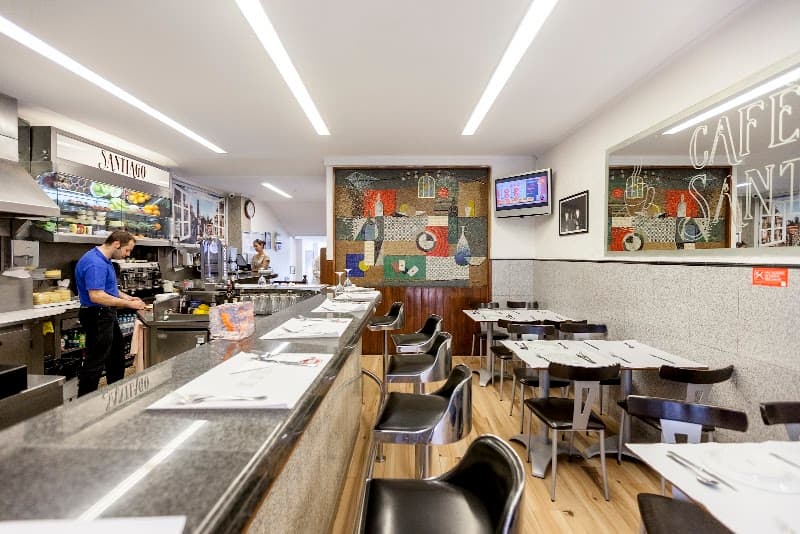
Porto Tiles, Views, and Francesinha
Weekend · $$$
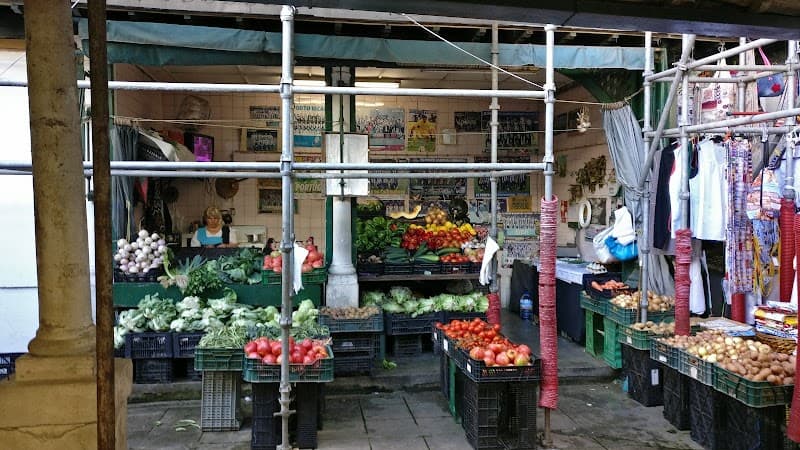
Porto Bites & Sips Along the Douro
Weekend · $$$

Porto Indulgence: Three Days of Douro, Tiles & Tasting
Weekend · $$$$$
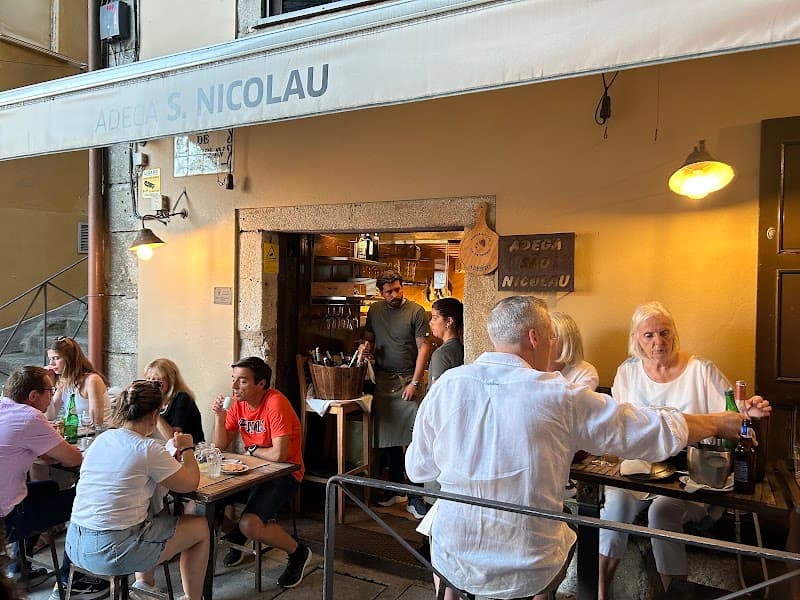
Slow Douro Day: Porto & Gaia for Two
Weekend · $$$
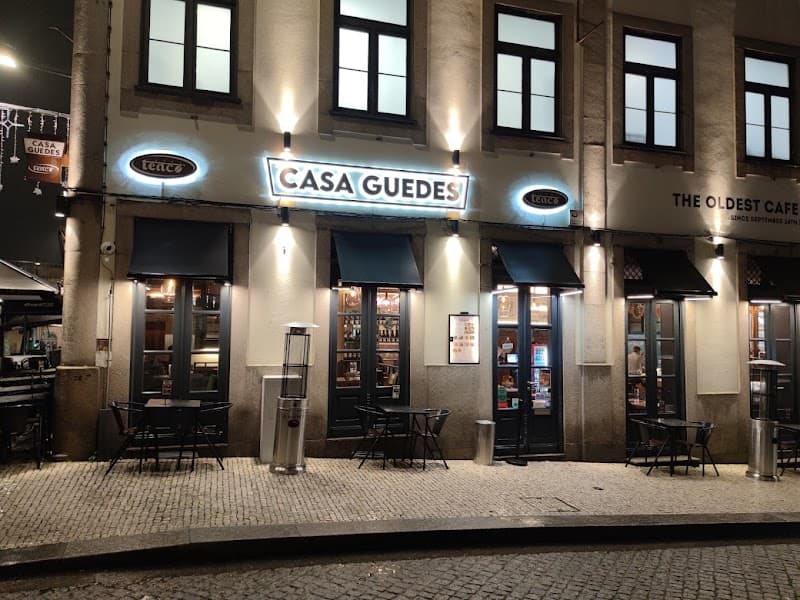
Four Flavors of Porto: Food, Wine & Nightlife
Weekend · $$$
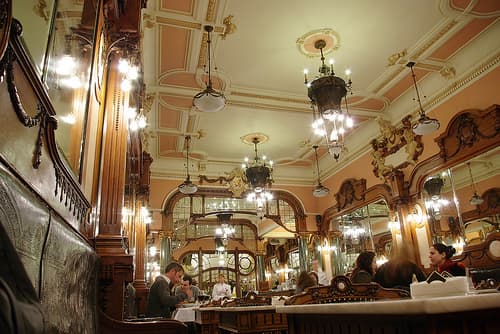
Elegant Porto in 3 Days: Wine, Views & Family Time
Weekend · $$$$
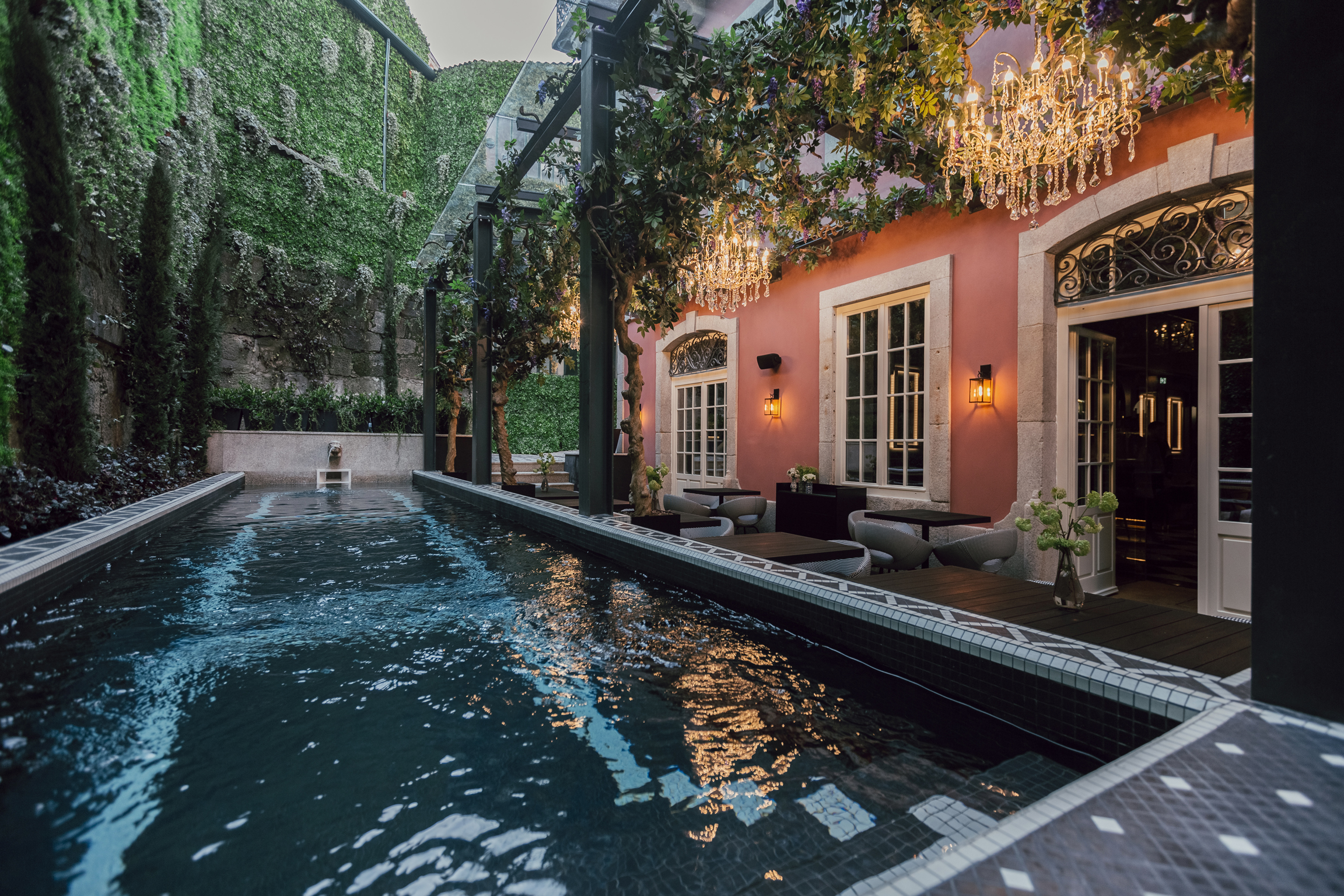
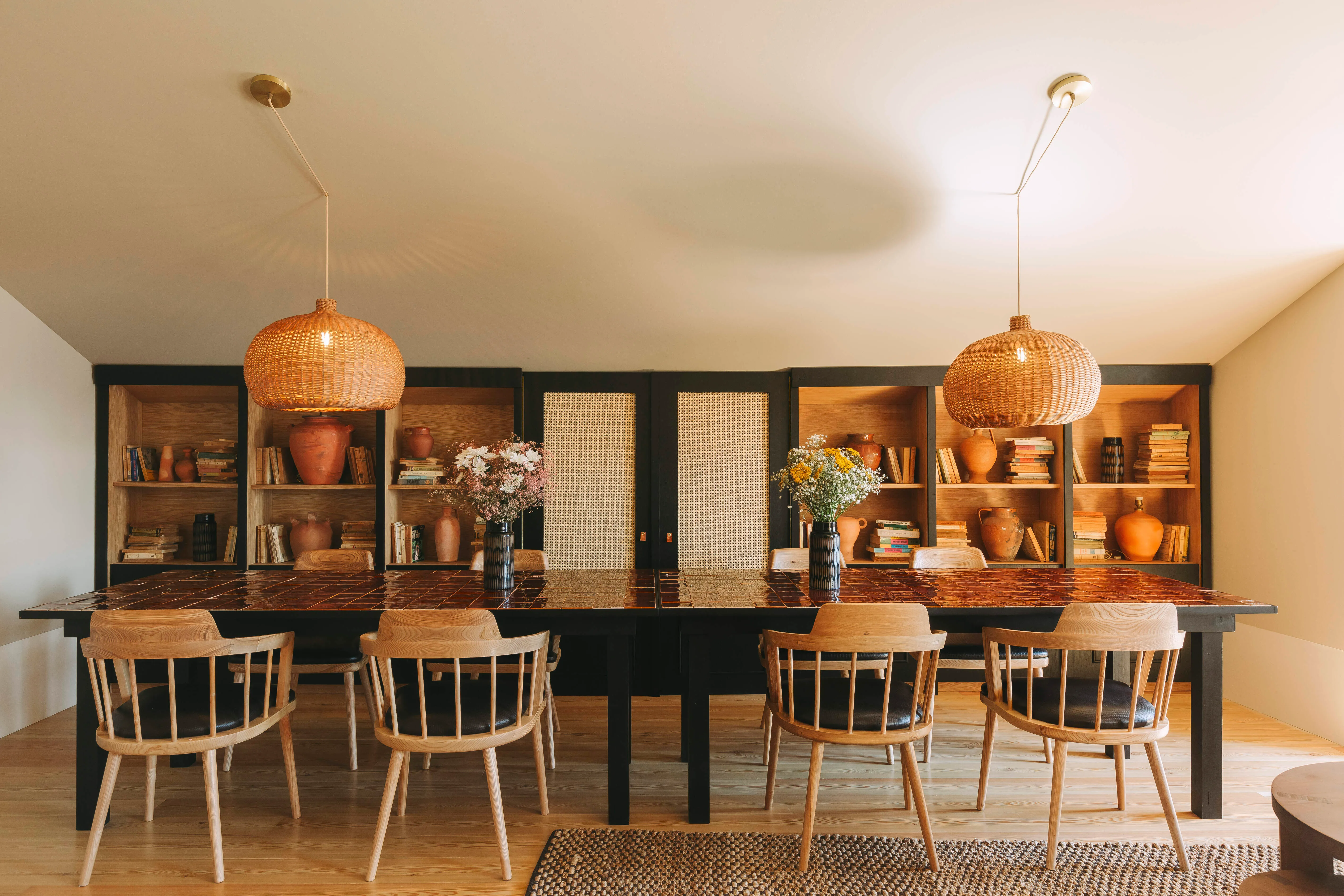
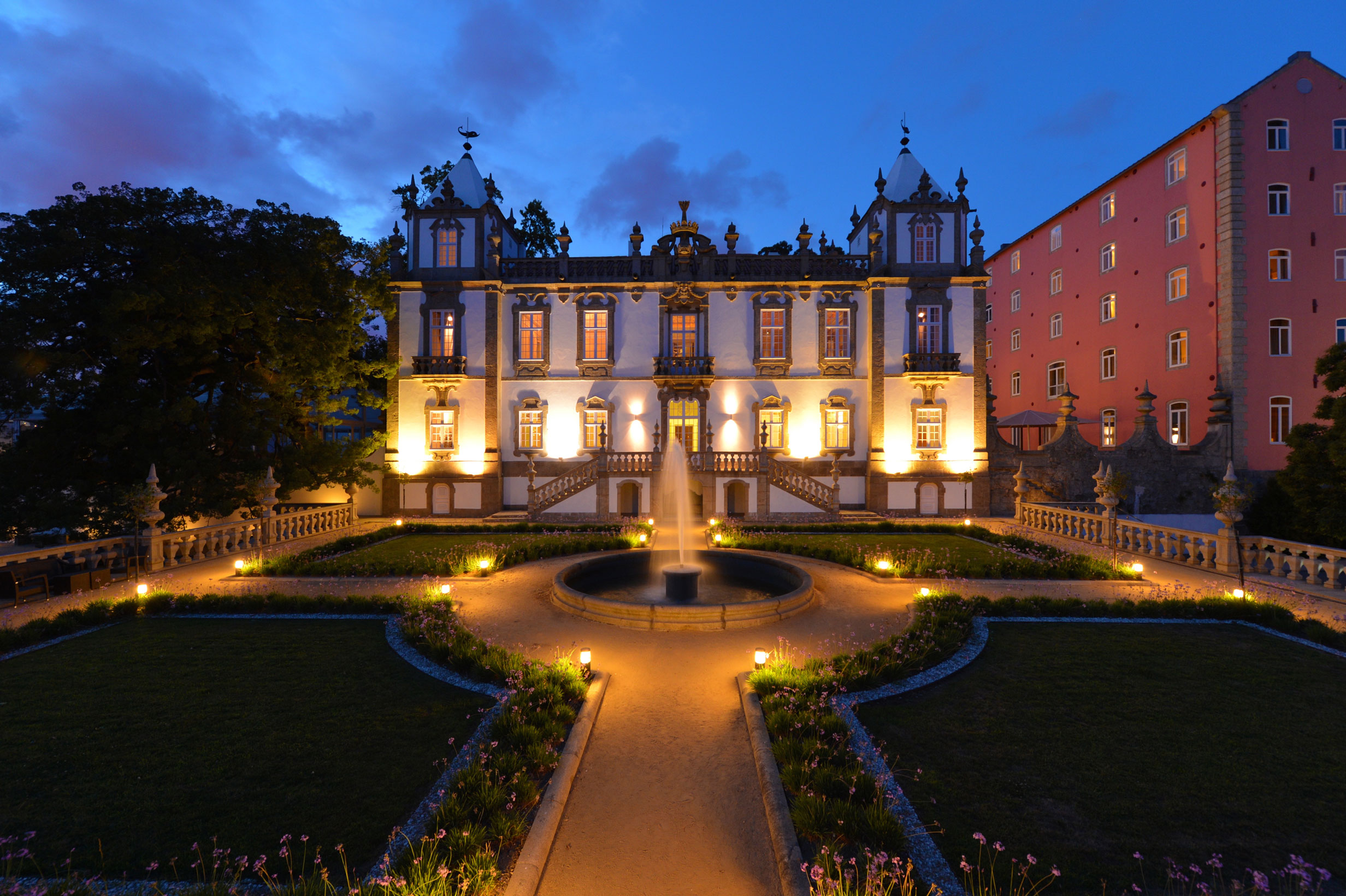
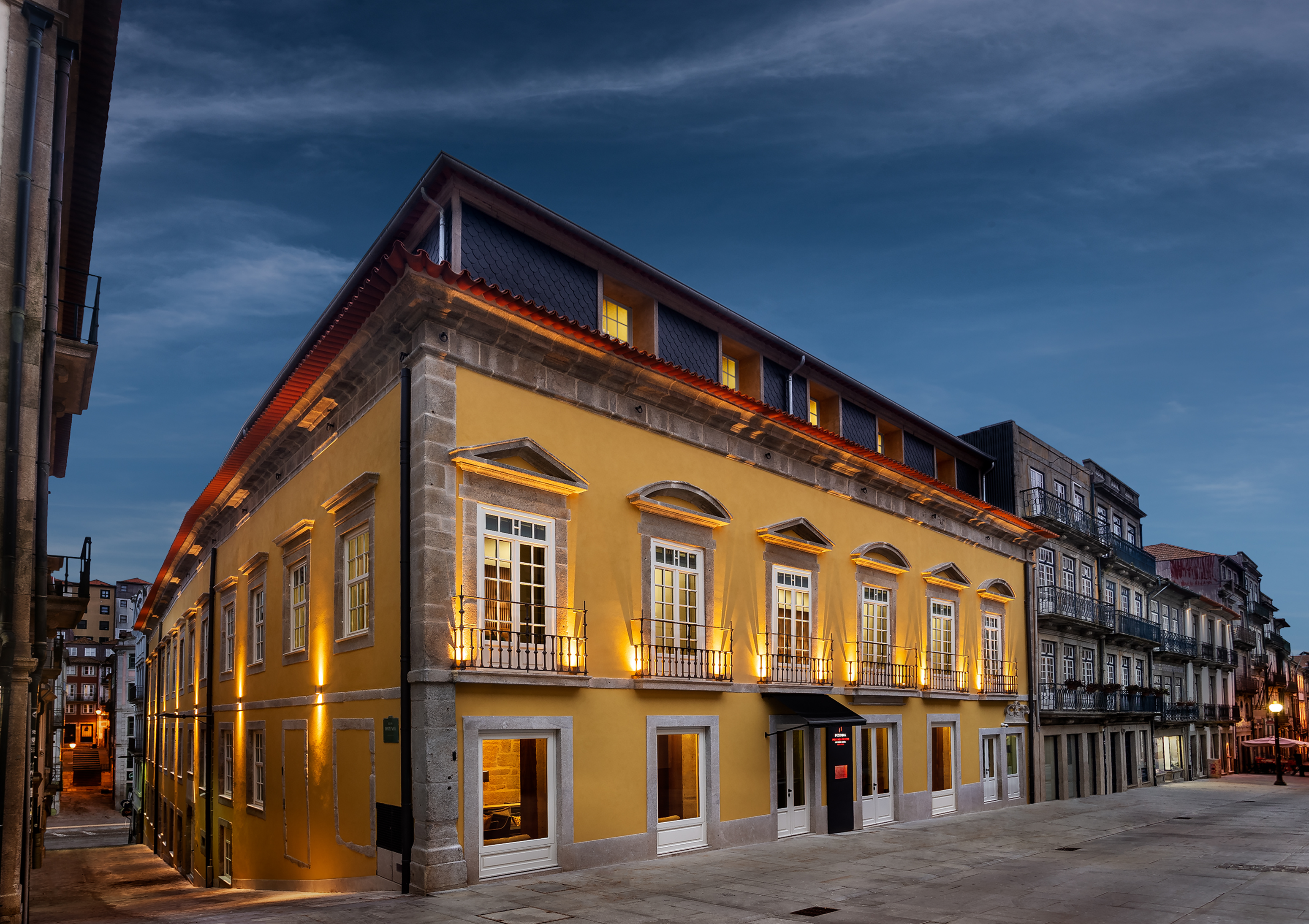
Where to Stay in Porto
9 recommended properties

Things to Do in Porto
São Bento Railway Station
Baixa · 45 min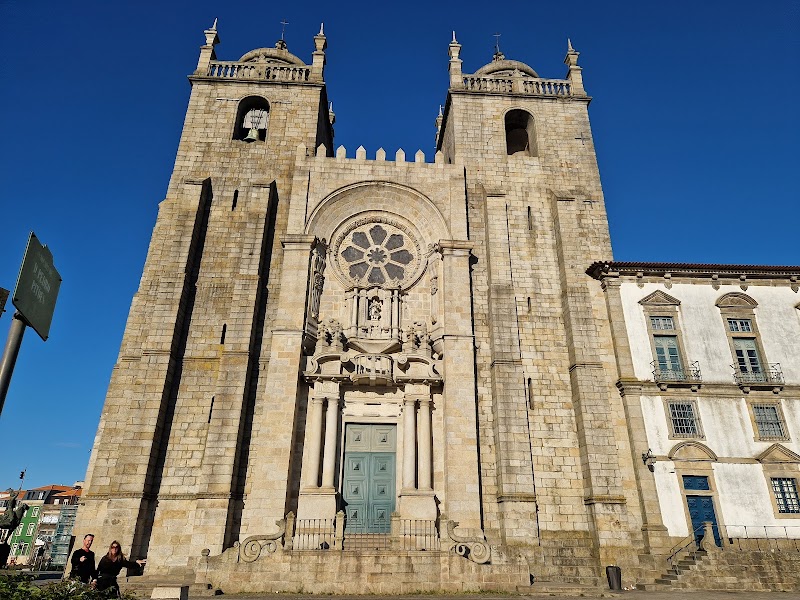
Porto Cathedral (Sé do Porto) and Terraces
Sé / Baixa edge · 60 min
Ribeira District Riverside Walk
Ribeira · 90 minMoney-Saving Tips
- 1.Buy port wine directly from the lodges in Vila Nova de Gaia — prices are 30% lower than in tourist shops
- 2.The Andante Tour card (€15) includes metro transport plus discounts at major attractions
- 3.Lunch menus at upscale restaurants cost half the dinner price — same food, smaller portions
- 4.Municipal museums are free on Sunday mornings until 2pm
- 5.Shop at Pingo Doce or Continente supermarkets instead of corner stores — prices drop by 40%
- 6.Many port lodges offer free tastings if you're not picky about which wines you try
Travel Tips
- •Download the Metro do Porto app — it shows real-time arrivals and works offline
- •Carry cash — many small restaurants and shops don't accept cards under €10
- •Learn basic Portuguese greetings — locals appreciate the effort and warm up quickly
- •Book port wine tastings in advance during summer — popular lodges sell out
- •Wear comfortable walking shoes — those cobblestones are slippery when wet
- •Restaurants open late — lunch starts at 1pm, dinner at 7:30pm at the earliest
- •Keep your phone charged — Porto's hills will drain your battery faster with GPS running