Assisi
Culture & Context
FRANCISCAN HEARTLAND
Assisi is not just a town — it's a living monument to one man. St. Francis was born here around 1181, died here in 1226, and 800 years later, the whole place still revolves around his legacy. In 2026, that's especially true: this is the year of the eighth Franciscan centenary, and the entire summer season (April through October) has been branded "Assisi Estate 2026" to mark the occasion with art, concerts, and exhibitions.
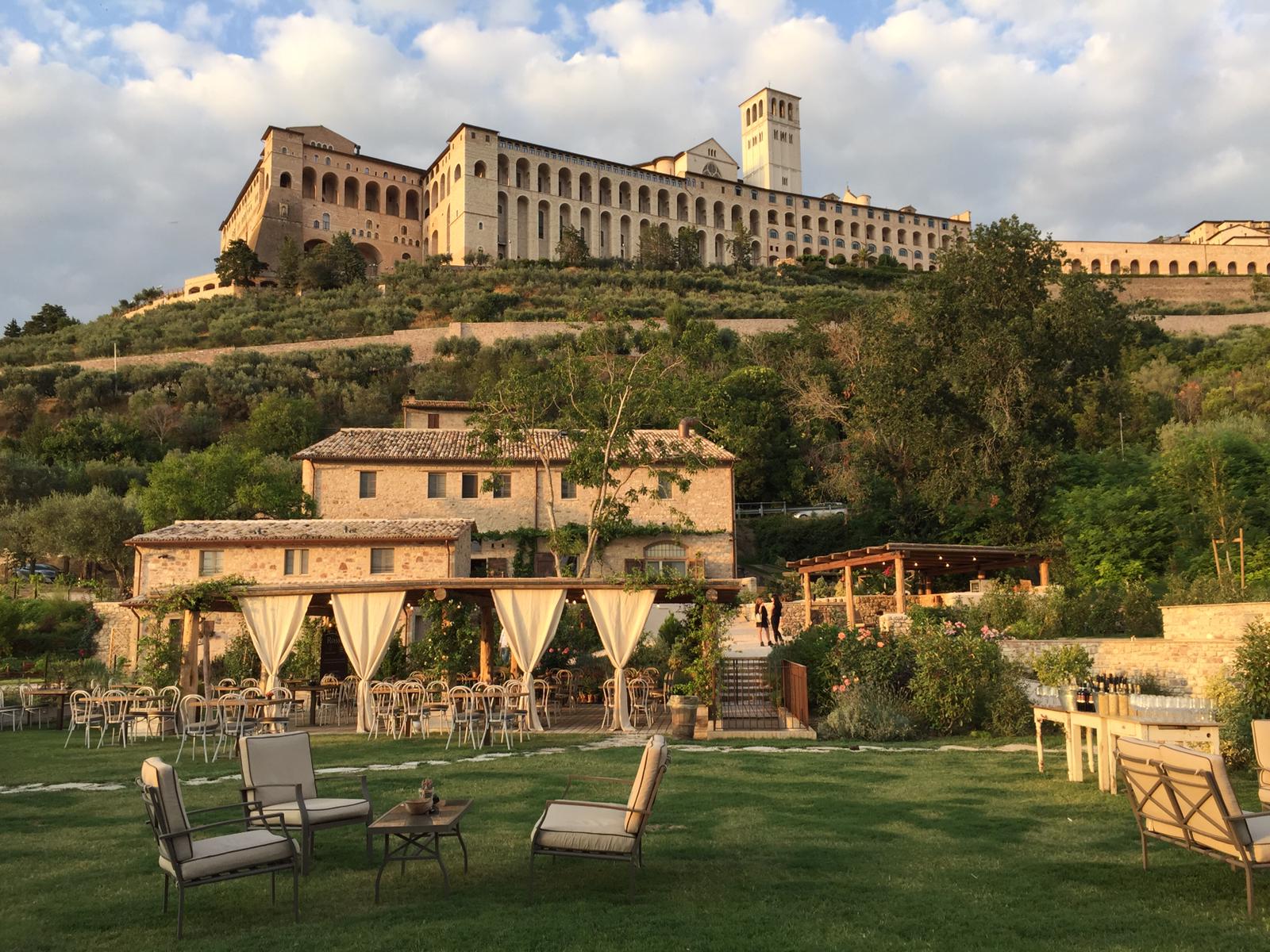
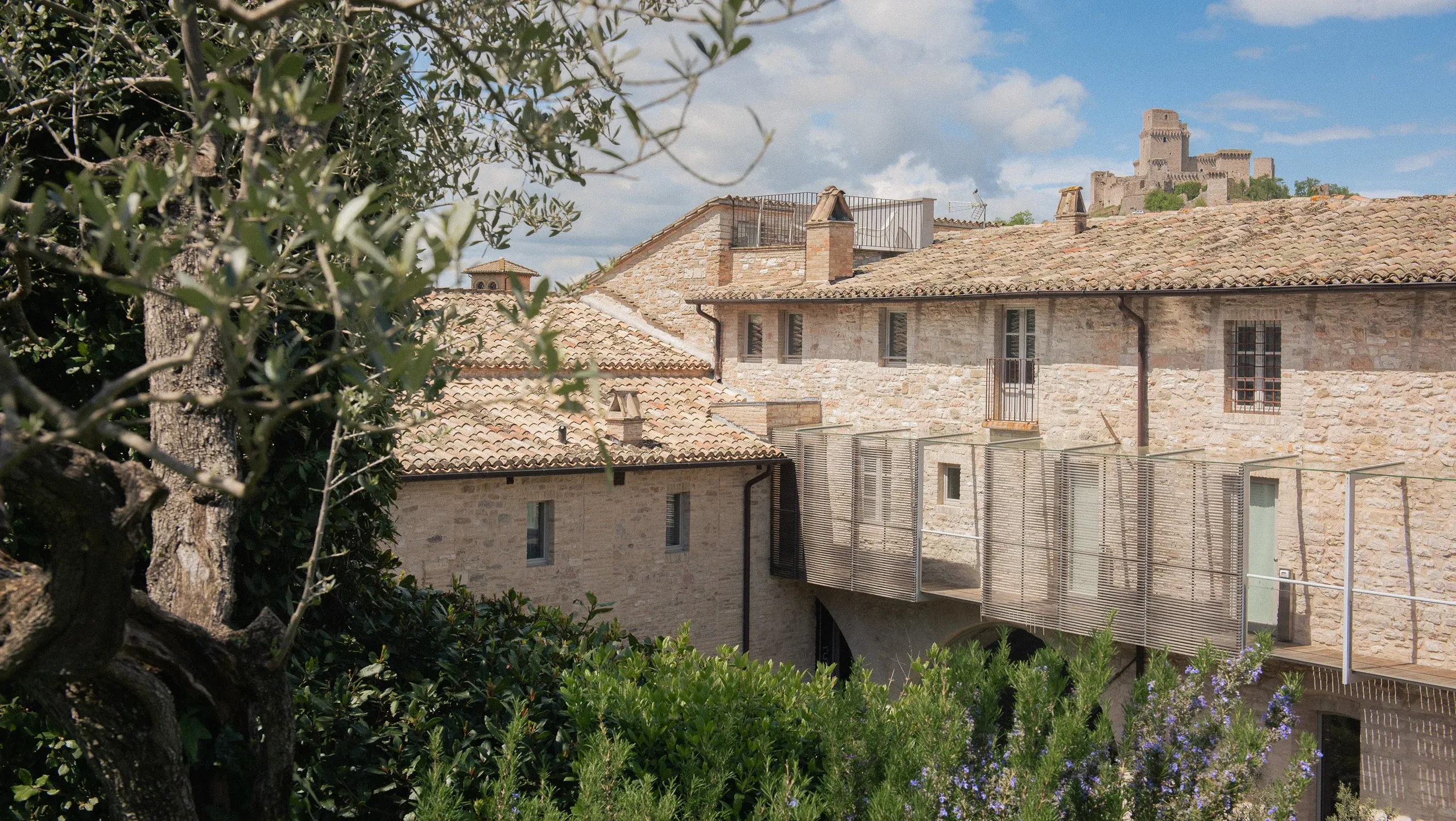
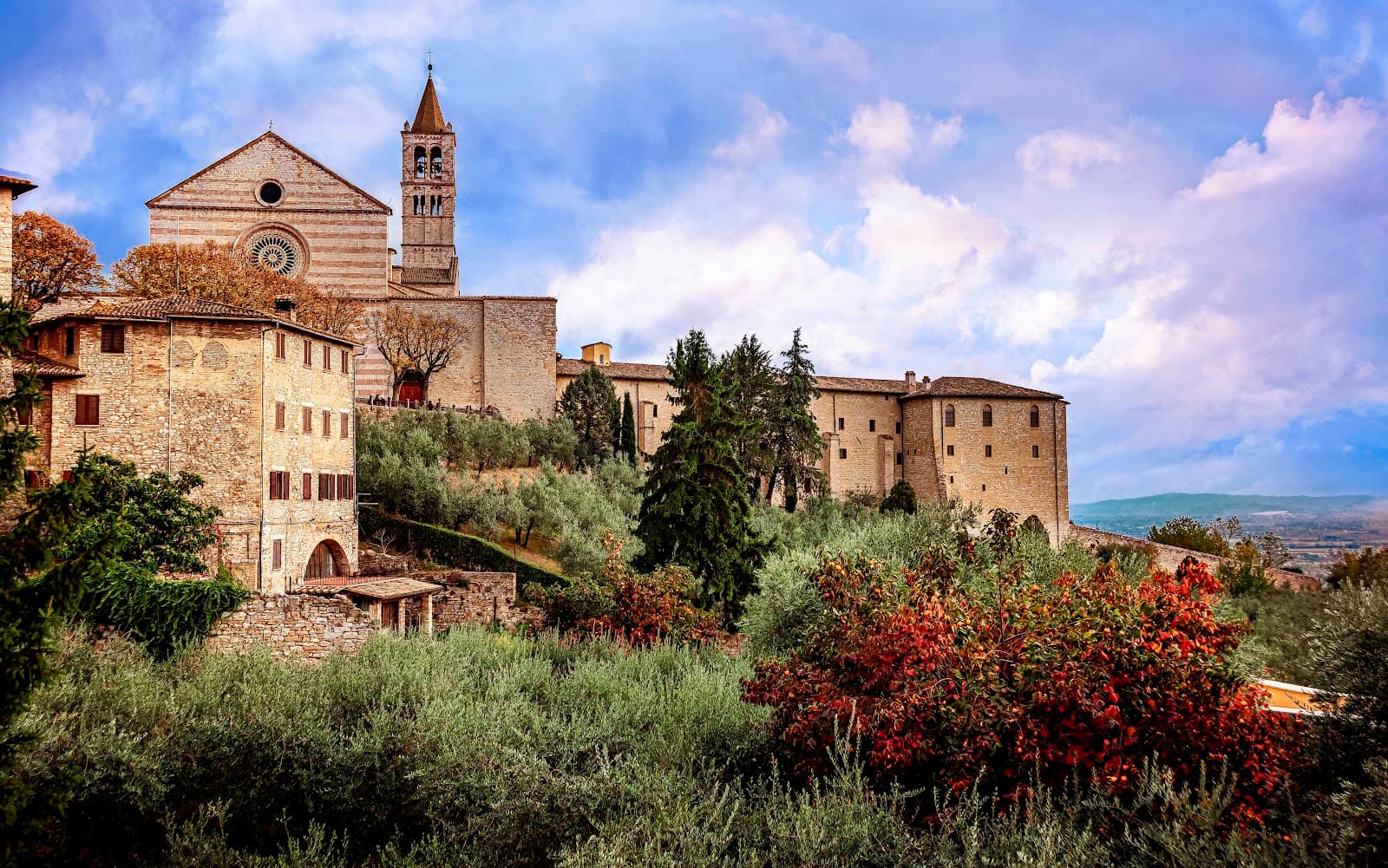
But it's not all pilgrims and church queues. The town sits on the slopes of Monte Subasio in Umbria, and the medieval street grid, pink-and-white limestone buildings, and sweeping valley views give it an almost cinematic quality. UNESCO listed the Franciscan structures here as a World Heritage Site back in 2000. The two main basilicas — St. Francis and St. Clare — are genuinely extraordinary even for non-religious visitors: Giotto's frescoes in the Upper Basilica alone make the trip worthwhile. Just a block or two off the main drag you'll find quiet corners that the tour groups skip entirely. That contrast — overwhelming at the basilicas, serene everywhere else — defines the place.
cultural_context_headline: FRANCISCAN HEARTLAND
Local Customs
COVER UP FOR CHURCHES
The dress code is strictly enforced at all the major basilicas. Shoulders must be covered, knees must be covered, no shorts (even knee-length ones can cause issues depending on the guard). Women get handed paper "shower curtain" wraps at the door if they're underdressed — it's better to just bring a scarf. Men should remove hats on entry. Photography is banned inside both the Upper and Lower Basilicas of St. Francis, including the tomb — guards are watchful. You can take a quiet snap in some of the smaller churches without issue, but flash is always inappropriate.
Beyond clothing: masses and prayer times are genuinely respected spaces. If a service is in progress, enter quietly or wait. The town has a contemplative rhythm that tourists occasionally disrupt, and locals notice. Sit at a café on Piazza del Comune in the evening instead — that's when the place breathes, and an Aperol Spritz on the main square as the light goes golden is the correct way to end a day here.
local_customs_headline: COVER UP FOR CHURCHES
Safety
VERY SAFE
Assisi is one of Italy's safest destinations. The religious significance means the town is well-patrolled and consistently well-maintained. Petty crime exists in theory but is genuinely rare in practice. The main annoyances are more about tourist saturation than safety: aggressive souvenir sellers near the basilica entrance, and prices that have crept up noticeably — two cappuccinos and two small croissants at a counter in March 2026 reportedly ran €10, which drew public complaints. Watch your footing more than your pockets. The streets are steep, paved in smooth stone, and get slippery when wet. Comfortable, grippy shoes are not optional here.
Getting Around
WALK + BUS COMBO
Getting to Assisi first: trains from Rome Termini take about 2.5 hours on a regional service. The trick is to book a ticket for "Assisi Centro" rather than just "Assisi" — that single Trenitalia ticket covers both the train and the connecting Assisi Link red bus to the historic center. From Florence, it's around 3 hours. The train station sits in the valley town of Santa Maria degli Angeli, about 4km below the hilltop center.
From the station, Line C buses (the Assisi Link) run frequently up to the historic center. A single ticket costs €1.30 if bought in advance at the tabaccheria inside the station, or €1.50 if bought directly on the bus (exact change required). The ride takes about 15 minutes. Taxis wait outside the station at a fixed €15 fare.
Once inside the walls, Assisi is best on foot. It's a small town. The catch: those streets are steep, cobbled, and uneven. The Mojano car park (for drivers) connects to the center via escalators and is considered the most convenient parking option. Inside the walls, small urban buses handle the steeper runs — Line C loops through the upper town, with stops at Piazza del Comune and near the Basilica di San Francesco.
Useful Phrases
Where to Stay in Assisi
5 recommended properties