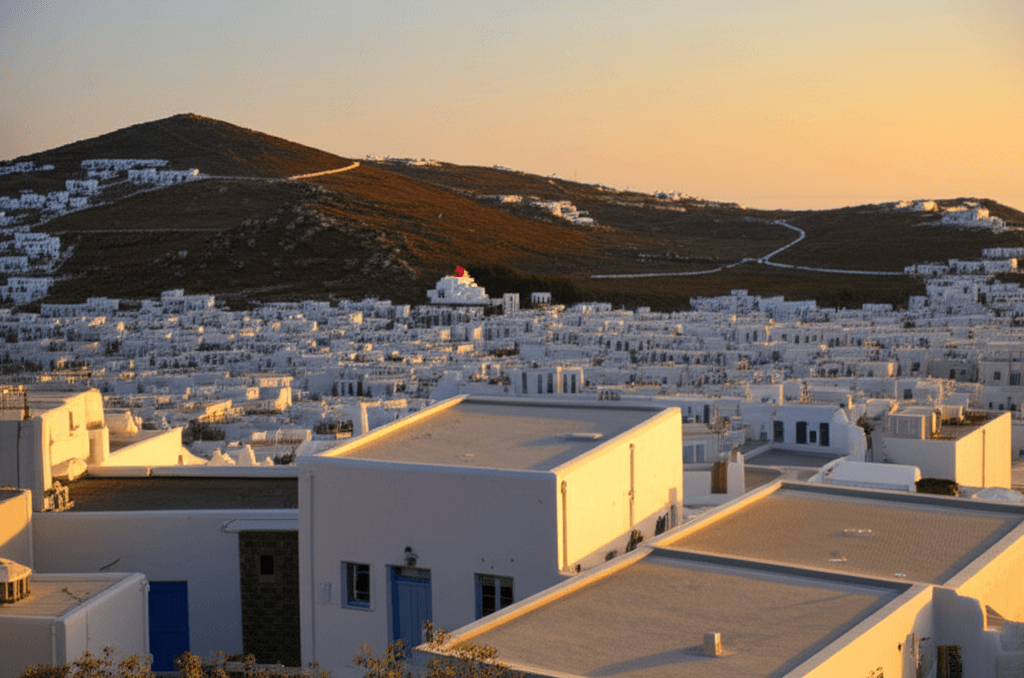
Mykonos
Greece's glamorous island of windmills and wild nights
Mykonos hits different. This isn't just another Greek island with pretty beaches and white buildings. It's where supermodels vacation, where DJs spin until sunrise, and where a simple lunch can cost more than most people's rent. But here's the thing – it's worth every overpriced euro.
The island sits in the heart of the Cyclades, just a quick ferry ride from Athens. Those famous windmills you've seen on Instagram? They're real, and they're spectacular. The party scene? Legendary. The beaches? Some of the best in the Mediterranean. The prices? Well, let's just say your credit card will remember this trip.
Look, Mykonos isn't for budget backpackers or families with young kids. This is where you come to see and be seen, to dance on tables at Scorpios, and to pretend you're rich enough to afford a villa in Aleomandra. And honestly? Sometimes pretending is half the fun.
Best Months
MAY – OCT
~27°C · moderate crowds
Culture & Context
ANCIENT MEETS HEDONISTIC
Mykonos spent centuries as a poor fishing island whose maze-like streets in Chora were literally designed to disorient pirate raiders. That history shows. You will get turned around in those alleys, and that's fine.
The town is small enough that confusion is temporary. The island became a hippie haunt in the 1960s, then a wealthy European escape, and by the 1980s had established itself as one of the world's first openly gay-friendly destinations. That progressive, live-and-let-live attitude is genuinely baked in.
Topless sunbathing is normal at most beaches. Full nudity exists at a few designated spots. Nobody is judging you.
The island also sits next to Delos, one of the most sacred sites in ancient Greece and the mythical birthplace of Apollo and Artemis. The entire island of Delos is a UNESCO World Heritage Site with ruins dating to 3000 BC. You can be sipping cocktails at a beach club one afternoon and standing among 5,000-year-old temple foundations the next morning.
That contrast is the actual soul of Mykonos.
Local Customs
ARRANGE TRANSPORT AHEAD
Tipping: Round up €2-5 at tavernas; 10% for beach club sunbed service is appreciated. Service is often already included, so check the bill first.. Dress modestly at religious sites.
The Panagia Paraportiani church gets tourists in swimsuits wandering through — don't be that person. Cover shoulders and knees.. Drinking on the street is technically permitted in Greece but locals view it as poor form.
The party happens at the clubs and bars, not the sidewalks.. The meltemi wind hits hard in July and August. It comes from the north and can reach gale force.
Anything you leave unweighted on a beach towel will be gone. Book this one into your mental packing list.. Always pay in euros at ATMs and card machines.
If a machine asks whether to charge in euros or your home currency, choose euros. The 'Dynamic Currency Conversion' option will quietly rob you with a terrible exchange rate.. Avoid the unlicensed 'pirate taxis' — unofficial drivers who often overcharge and have been linked to organized theft rings.
Book through licensed transfer companies or your hotel.. The KTEL buses only run until around midnight. If you're staying out late (and you probably are), arrange your return transport before you leave for the night.
Safety
WATCH YOUR WALLET
Mykonos scores around 80/100 on safety perception — one of the safer island destinations in the Mediterranean. The U.S.
State Department classifies Greece as one of the safest travel destinations in 2026. That said, a few things to know. Pickpocketing happens in the narrow alleys of Chora and at crowded beach clubs.
Don't bring your full wallet to the beach. Drink spiking incidents have been reported at Paradise and Super Paradise beaches. Don't leave your drink unattended.
The "pirate taxi" problem is real — unlicensed drivers overcharge tourists and have been linked to organized theft networks in the area. Stick to licensed transfers booked through your hotel. Road safety is a genuine concern: the Traffic Police recorded 15 accidents involving rental vehicles in 2025 on the narrow mountain roads connecting beach areas.
If you rent a scooter or ATV, drive carefully and don't do it after drinking. Emergency response times average around 12 minutes across the island. Emergency number is 112.
In summer, the island population swells from around 10,500 permanent residents to over 100,000. The infrastructure feels it. Don't drink tap water — buy bottled.
Sunburn and dehydration are the most common tourist health problems.
Getting Around
BUSES & WATER TAXIS
Getting to Mykonos: Mykonos Airport (JMK) has direct summer flights from major European cities and year-round connections from Athens (40 minutes, €60-150). Ferry from Piraeus (Athens main port) takes 5 hours regular or 3 hours by speedboat. From Rafina (closer to Athens Airport) it's 2.
5 hours. Ferry tickets run €30-80 depending on speed. On the island: The KTEL public bus system is the cheapest option at €1.
60-2.30 per ride. Two main stations in Chora — Fabrika (south end, serving Ornos, Platis Gialos, Psarou, Agrari) and Old Port (serving Paradise Beach, Super Paradise, Ano Mera).
Buses stop running around midnight. Taxis: scarce in peak season, expensive, and starting at €25 minimum. Don't try to hail one on arrival at the ferry port without a plan — arrange a transfer in advance through your hotel.
The SeaBus connects the New Port (where large ferries dock) to the Old Port in Mykonos Town for €2.50 — skip the private shuttles that charge much more. Water taxis depart from the Old Port to southern beaches and are a scenic way to hop between spots.
Rental scooters, ATVs, and cars give full flexibility; scooters are easiest for navigating parking in Chora. Just respect the narrow mountain roads.
Useful Phrases
Mykonos Itineraries
View all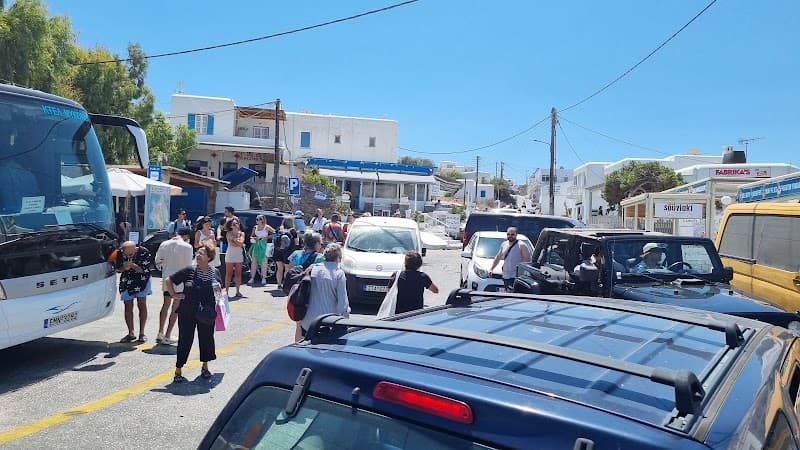
Slow & Scenic Mykonos Celebration Day
Weekend · $$$
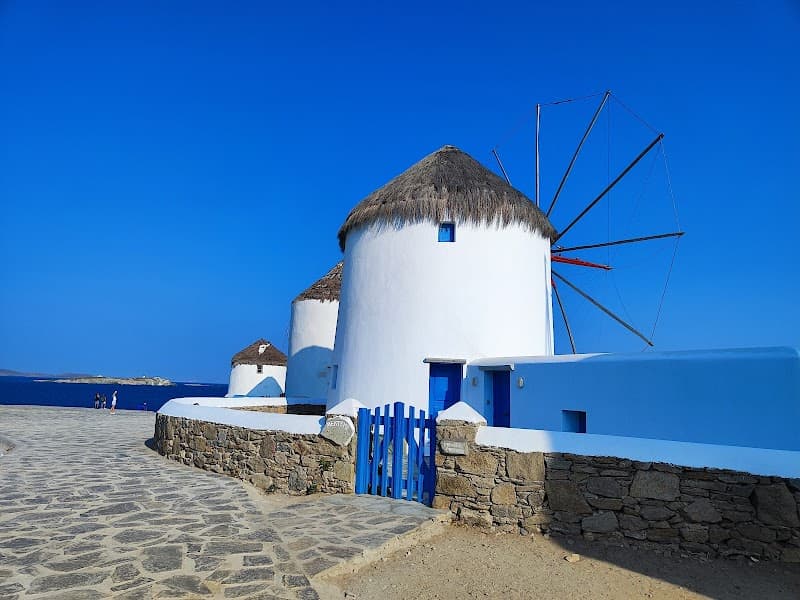
Seven Slow Days in Sun‑Kissed Mykonos
Week · $$$
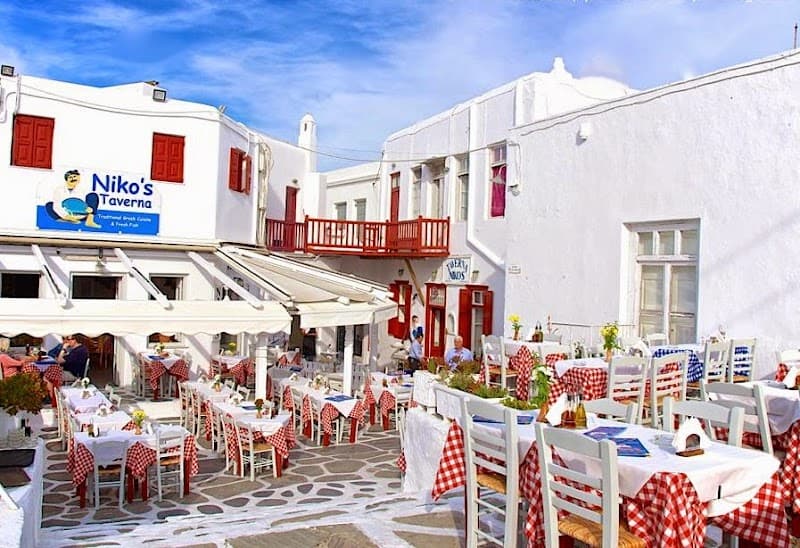
Romantic First Day in Mykonos: Alleys, Sunsets & Wine
Weekend · $$
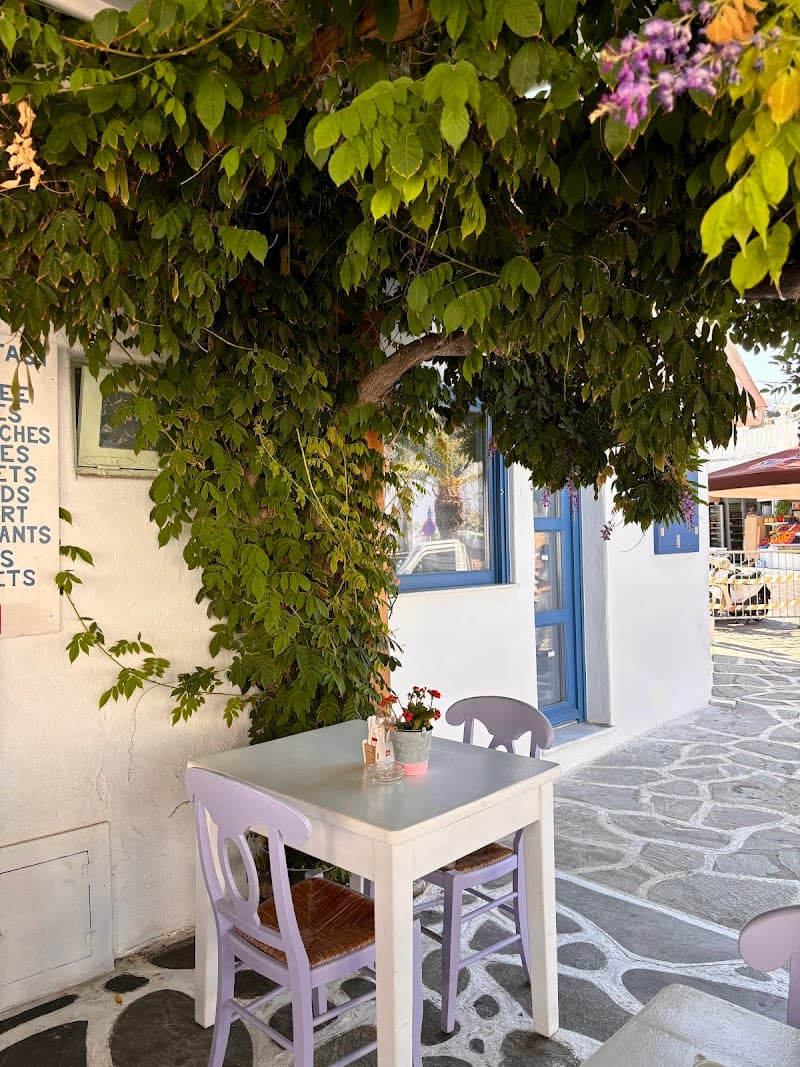
Tropical Thrills & Sunsets: Mykonos Days 9–11
Weekend · $$$
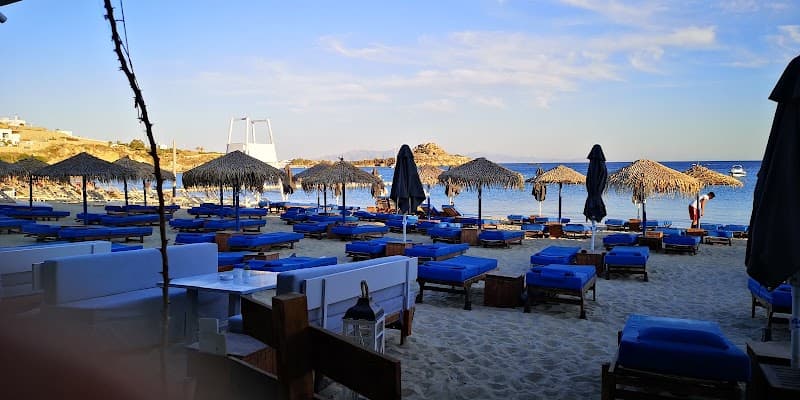
Four Perfect Mykonos Days: Beaches, Bites & Sunset Nights
Weekend · $$$
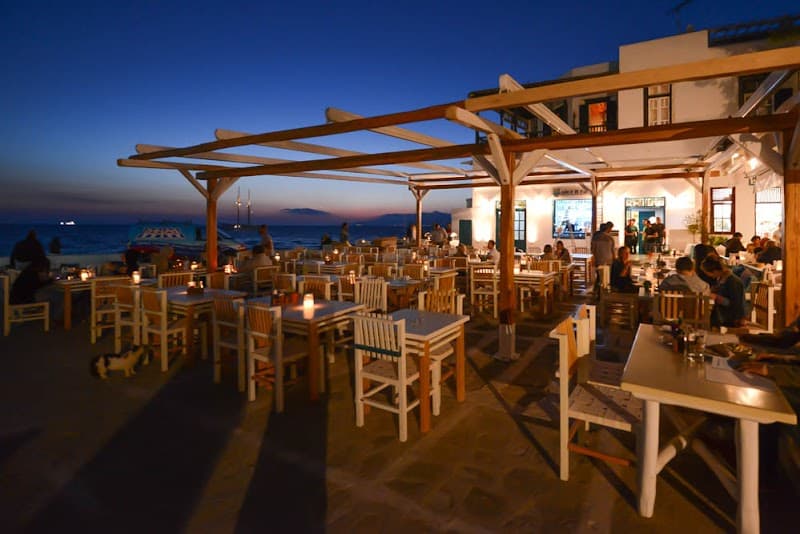
Eclectic Mykonos: Beaches, Bites & Sunset Beats
Week · $$$
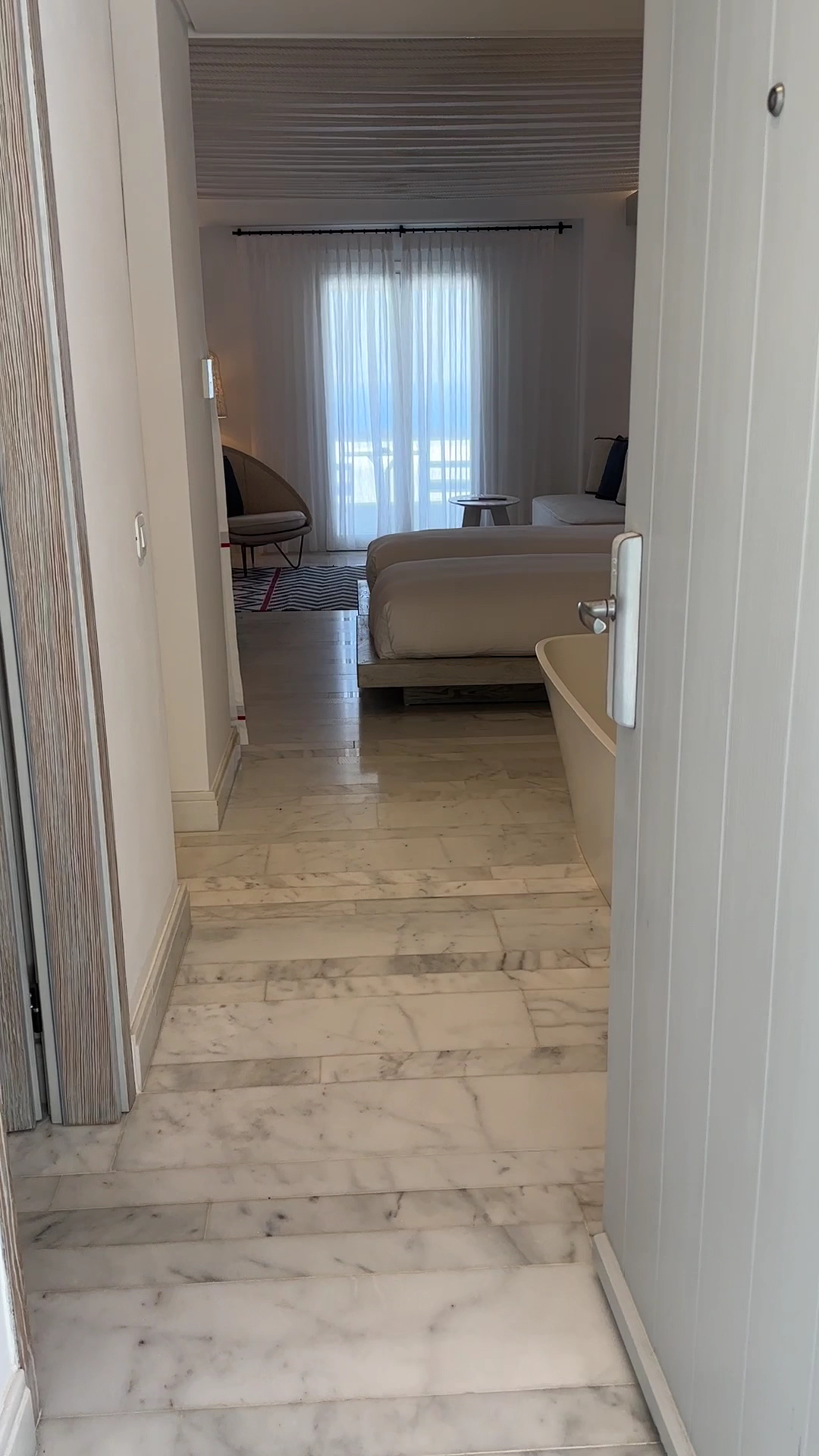
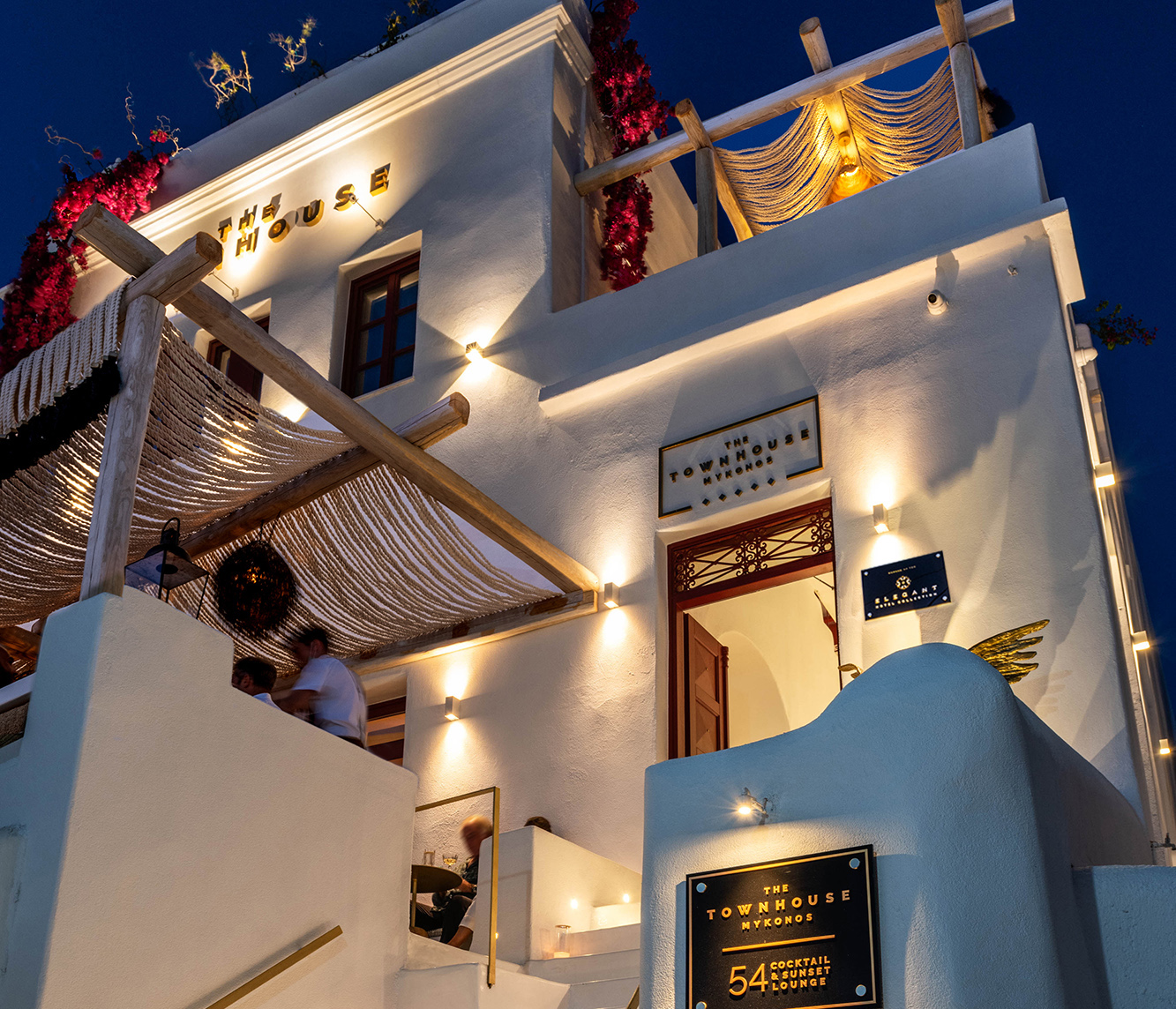
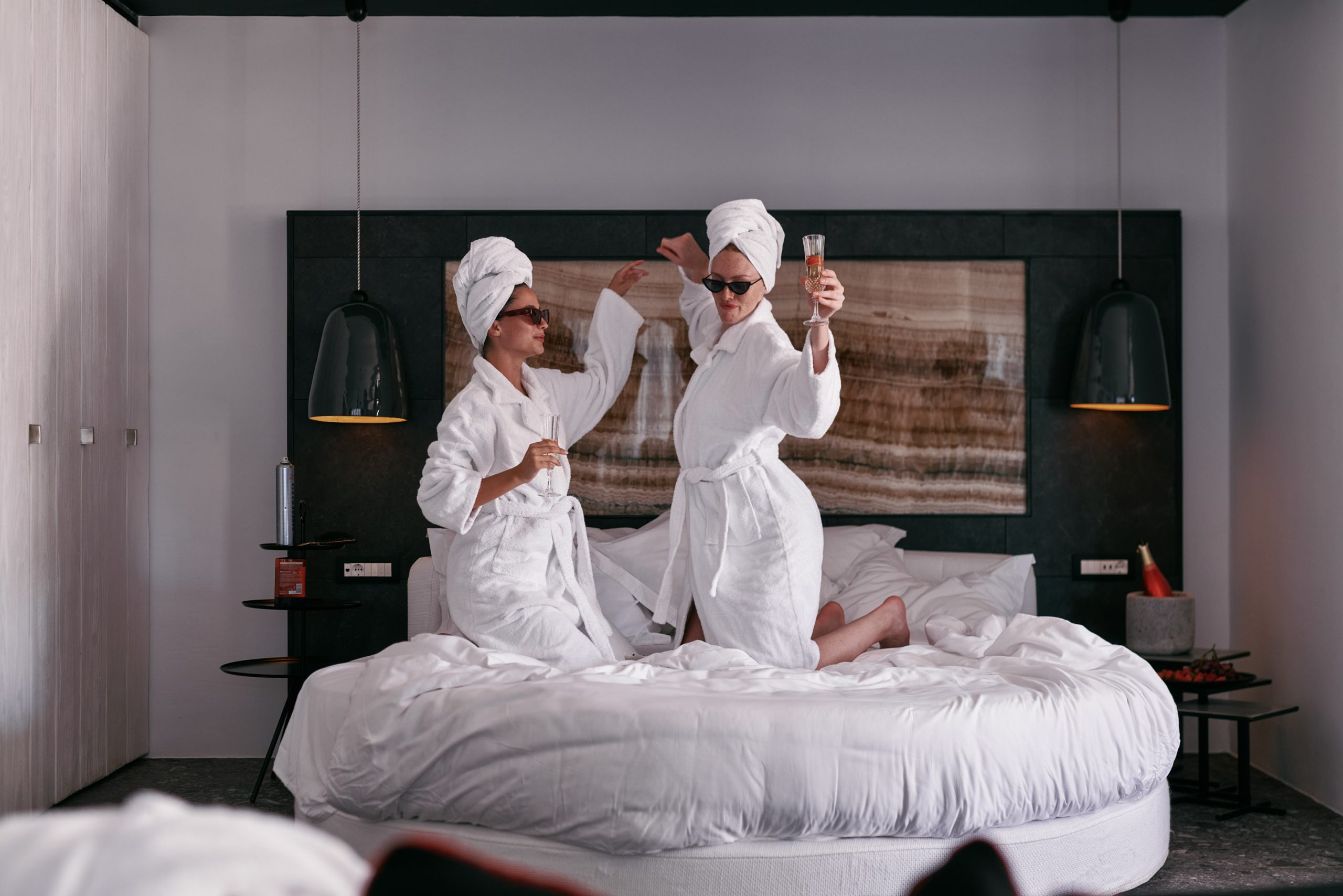
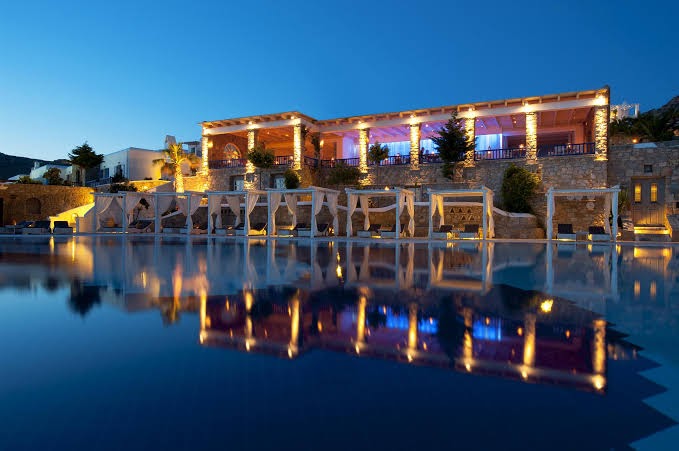
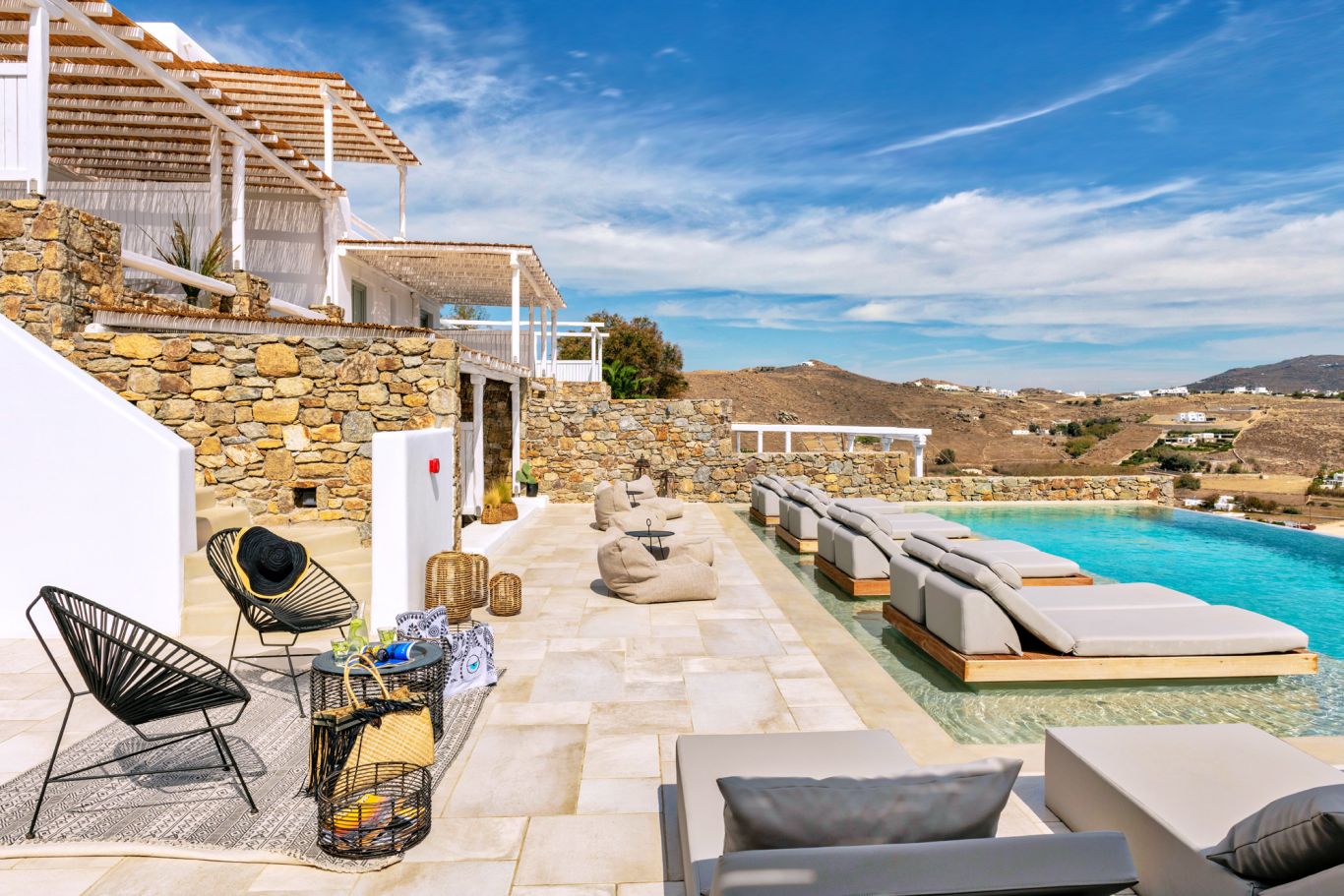
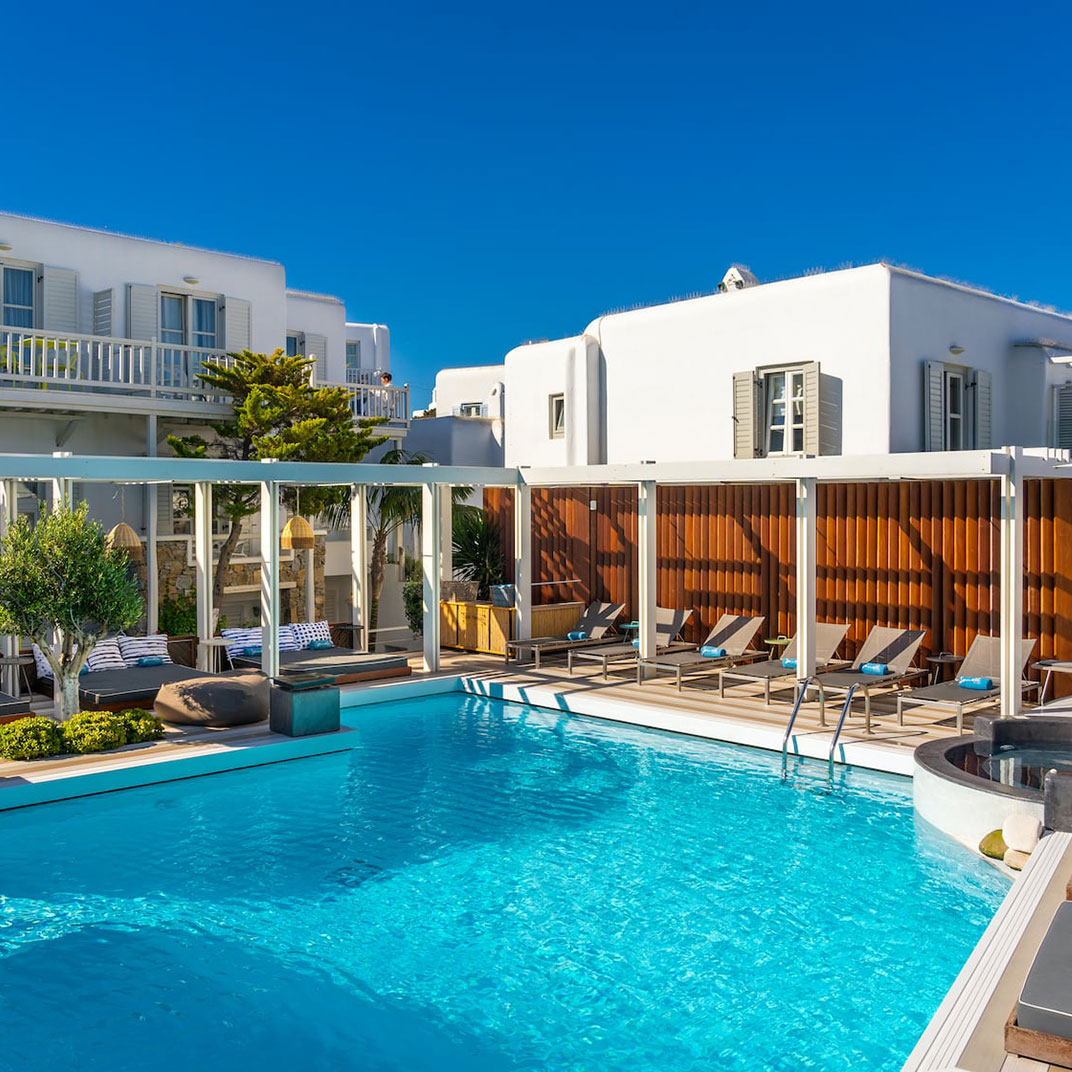
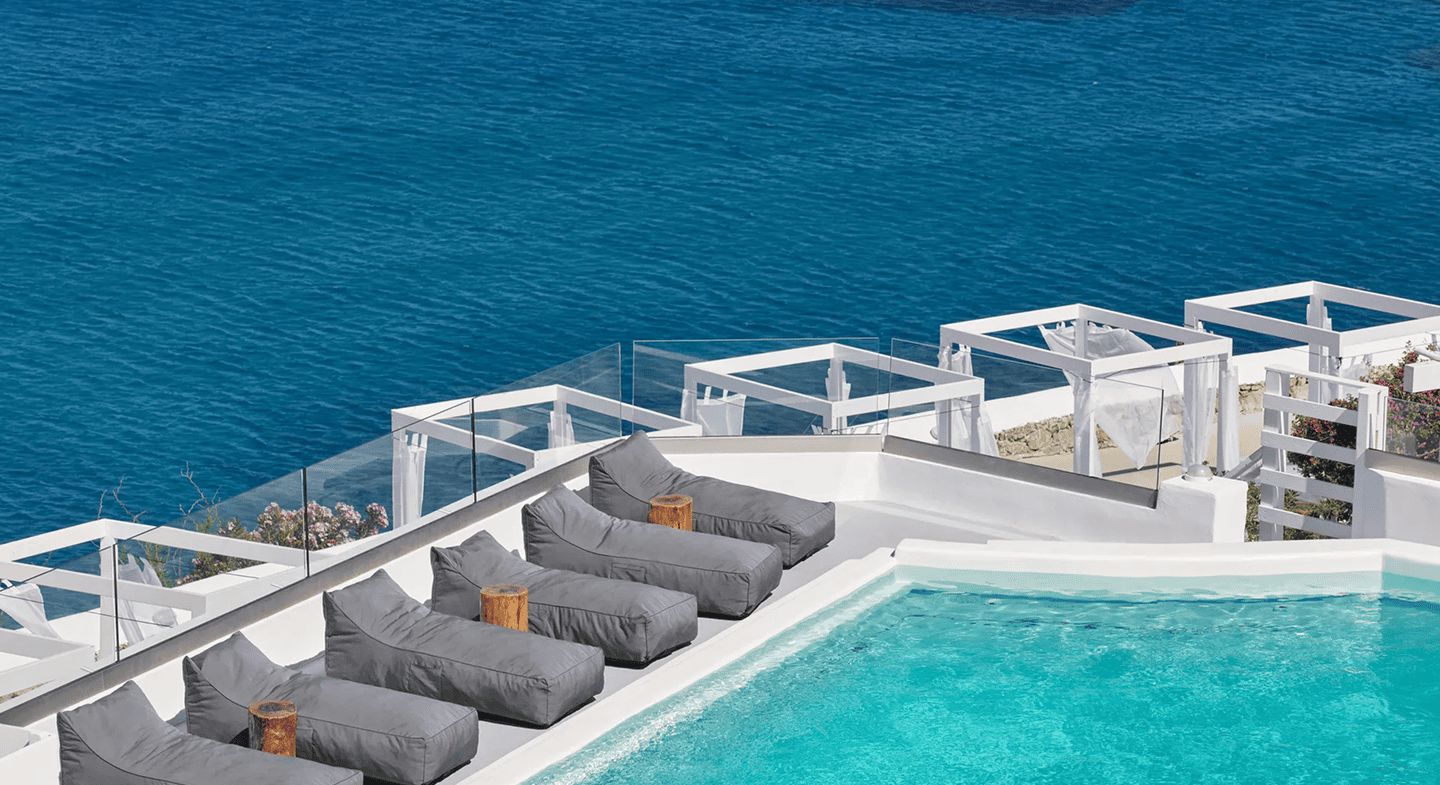
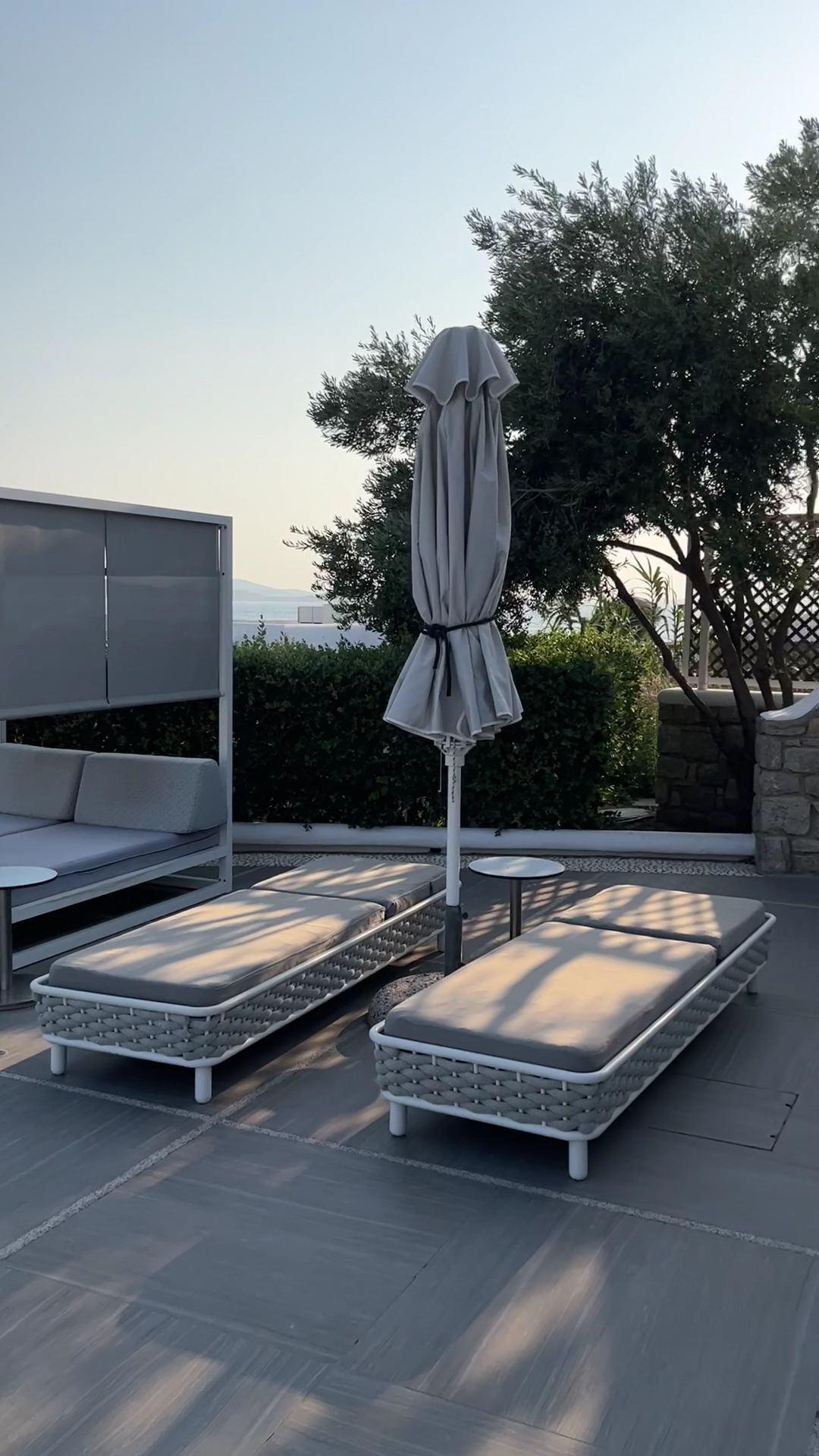
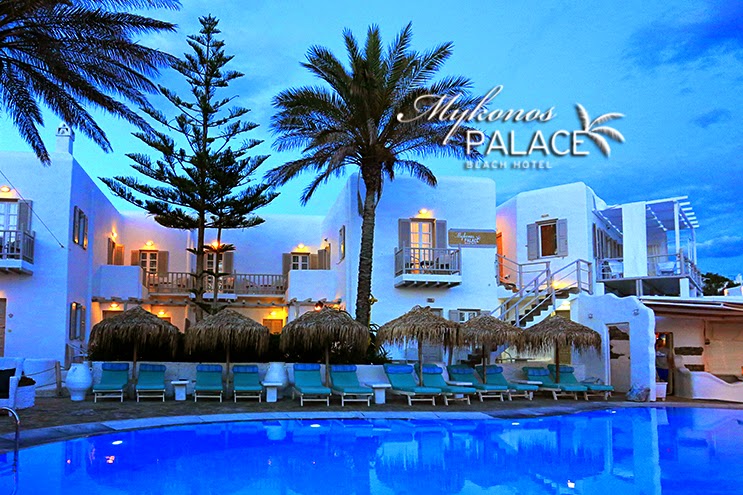
Where to Stay in Mykonos
9 recommended properties

Things to Do in Mykonos
Platis Gialos Beach
Platis Gialos Beach · 180 min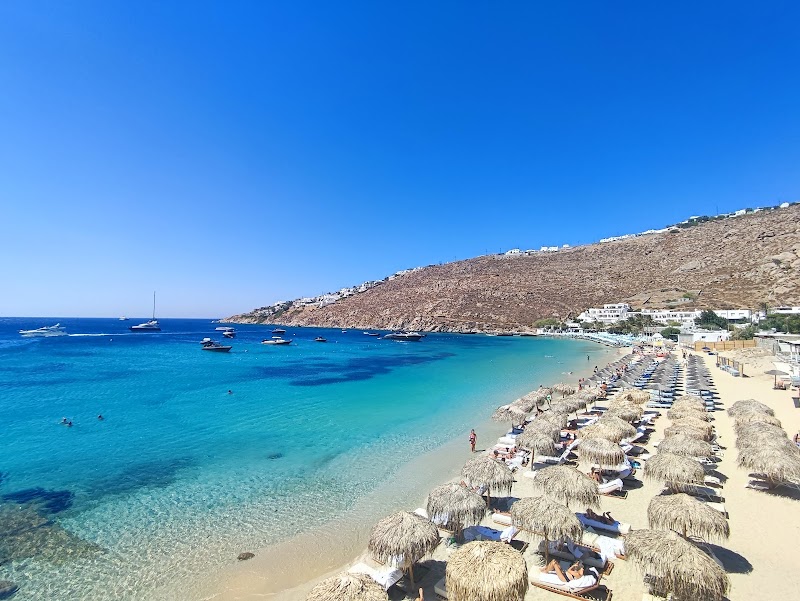
Psarou Beach Walk & Swim
Psarou Beach · 120 min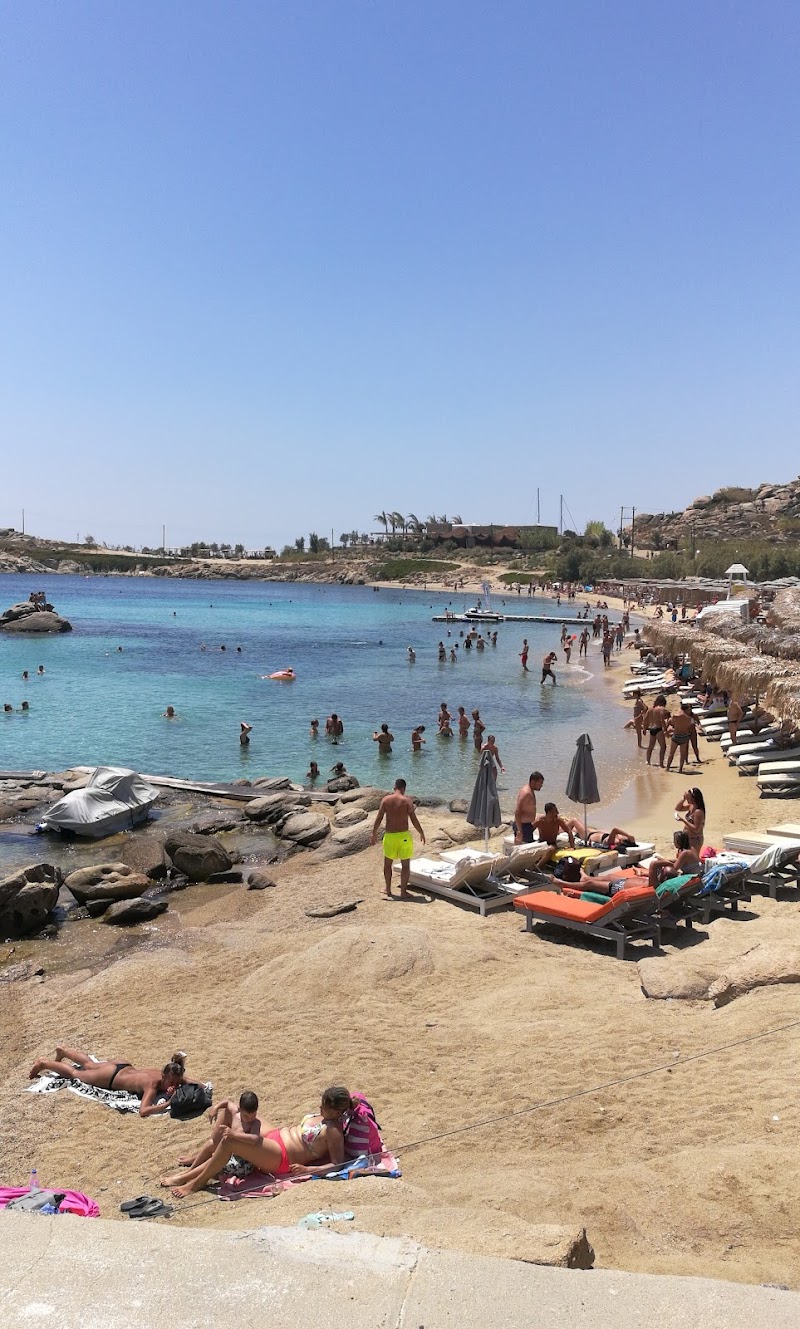
Paraga Beach Sunset Stroll
Paraga Beach · 45 minMoney-Saving Tips
- 1.Book accommodations early - prices double during peak season and availability disappears
- 2.Lunch at beach clubs often includes sun bed access, better value than paying separately
- 3.Shop for groceries at AB Vassilopoulos supermarket instead of tourist mini-markets
- 4.Pre-drink at your hotel - cocktails at bars cost €15-20 each
- 5.Take the bus to beaches instead of taxis - saves €20-30 per trip
- 6.Eat at tavernas in Ano Mera for authentic food at half the price
- 7.Avoid restaurants in Little Venice - you're paying for the view, not the food
- 8.Book ferry tickets online in advance for better prices and guaranteed seats
Travel Tips
- •Download offline maps - GPS signals can be spotty in the narrow Mykonos Town streets
- •Pack light layers - the meltemi winds can make 30°C feel like 20°C
- •Bring reef-safe sunscreen - the Greek sun is stronger than you think
- •Make dinner reservations weeks ahead during July and August
- •Carry cash - many smaller establishments don't accept cards
- •Learn basic Greek phrases - locals appreciate the effort, especially in Ano Mera
- •Pack comfortable walking shoes - those cobblestone streets are murder on heels
- •Bring a windbreaker for boat trips and northern beaches