Heraklion
Ancient Minoan gateway to Crete's treasures
Heraklion hits you with 4,000 years of history the moment you step off the plane. This isn't just Crete's capital – it's where Europe's first civilization left behind palaces that still puzzle archaeologists today. The Minoan ruins at Knossos sit just outside the city, while the old town wraps around a Venetian harbor that's been feeding travelers for centuries.
But here's what makes Heraklion work: it never forgot it's a real city. Between the tourist sites, locals still crowd the morning markets on 1866 Street, kids play football in Korai Square, and fishermen mend nets along the old harbor walls. The beaches start right at the city limits, the restaurants serve food that costs half what you'd pay on Santorini, and you can walk everywhere that matters.
The city works for families who want history without the stuffiness, solo travelers who like mixing culture with beach time, and anyone who appreciates that the best travel experiences happen when tourism and real life intersect.
Best Months
APR · MAY · JUN · SEP · OCT
~25°C · moderate crowds
Culture & Context
LAYERED HISTORY, WORKING CITY
Heraklion is the capital and largest city in Crete, home to around 145,000 people and one of Greece's major universities. It is a working city first, tourist destination second — which is both its appeal and its occasional frustration. The Venetian walls still ring the Old Town.
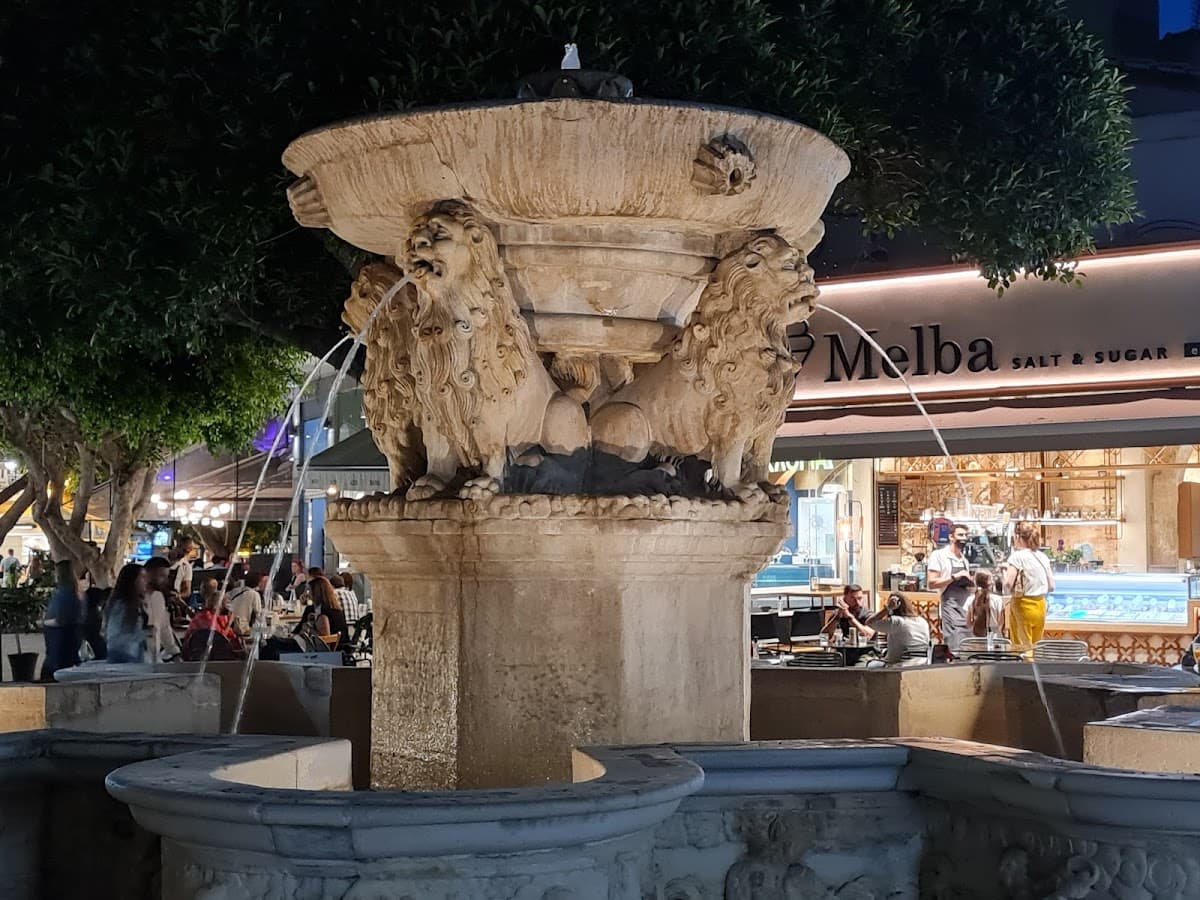
The Koules Fortress still guards the harbor. And the Archaeological Museum holds the world's best collection of Minoan artifacts, from the civilization that flourished here over 4,000 years ago. But walk ten minutes from Lions Square and you're in a city of traffic, concrete apartment blocks, and students on scooters.
Heraklion was largely rebuilt after heavy WWII bombing, which means much of the urban fabric is functional rather than beautiful. The birthplace of both El Greco and Nikos Kazantzakis, the city takes its literary and artistic heritage seriously — the annual summer festival is proof of that. Cretans in general have a reputation for being more independent-minded and stubborn than mainland Greeks.
They are also, by most accounts, extraordinarily generous. The island was under Venetian control for centuries, then Ottoman rule, which explains the layered architecture and the occasional Turkish fountain tucked beside a Byzantine church. This place has been fought over for a long time.
That history sits visibly in the streets.
Local Customs
RAKI GIFT, NEVER REFUSE
Raki culture is serious. When a taverna owner brings raki at the end of a meal, it is a gift and a gesture of goodwill. Refusing it is rude.
Sip it slowly.. Greeks eat late. Lunch runs 2–4pm and dinner rarely starts before 9pm.
Show up at a taverna at 7pm and you will be eating alone among empty tables.. Coffee is a social ritual, not a caffeine delivery system. Ordering a frappe or Greek coffee (not 'Nescafe') and sitting for two hours is normal and expected — no one will rush you..
Don't shake hands unless it's offered. Greeks tend to greet friends with a kiss on each cheek, but strangers often just nod or say hello. Follow the local's lead..
When visiting churches or religious sites — and Heraklion has many — cover shoulders and knees. The Cathedral of Agios Minas near the city center is a working church, not a tourist attraction, and dress codes are enforced.. Sundays and public holidays shut much of the city down.
Most archaeological sites, banks, and government offices close. Plan accordingly, especially around August 15 (Dormition of the Virgin Mary) and October 28 (Ohi Day).. Bargaining is not standard practice in shops or restaurants.
At the open-air market on 1866 Street, you can sometimes negotiate on produce if you're buying in quantity, but don't push it.. Greeks argue loudly about football and politics. This is normal socialization.
Do not mistake a heated conversation for an actual fight.. The concept of 'philoxenia' (hospitality to strangers) is real here. If someone invites you to their table or offers you food, accept.
It's genuine.. Tipping is appreciated but not mandatory. Rounding up or leaving 10% at a taverna is standard.
Leaving nothing is not offensive but leaving something is noticed and remembered if you return.
Safety
VERY SAFE, WATCH PICKPOCKETS
Heraklion is very safe. Violent crime is almost nonexistent. The main thing to watch is petty theft — pickpockets do operate around Lions Square and the central bus stations, so keep bags in front and don't leave your phone on cafe tables.
The area near the port can feel a bit dark and industrial at night, but it's not dangerous, just unwelcoming. Solo travelers (including women) report feeling comfortable walking at night in the center. Standard urban caution applies: stay aware in crowded spaces, don't flash expensive gear.
For emergencies, the single number across Greece for police, medical, and fire is 112. The general hospital is about 10km from the city center; private clinics are available downtown. Food safety standards are high.
Tap water is technically potable in Heraklion but locals mostly drink bottled — bottled water is cheap and everywhere.
Getting Around
BUS & CAR EXPLORE
Getting in: Nikos Kazantzakis International Airport (HER) connects directly to major European cities. Regular buses run between the airport and Eleftherias Square in the city center. Ferries from Piraeus (Athens) run daily, typically overnight — it's a perfectly comfortable crossing and saves a hotel night.
Getting around the city: The urban bus system covers two zones. Zone A (city center) costs €1.20 per ride; Zone B (airport, university, periphery) is €1.
60. Intercity buses (KTEL) connect Heraklion to Chania (€15–20, roughly 2.5–3 hours), Rethymno, and the rest of the island.
Taxis are available but pricey for longer distances. Car rental runs €25–30/day for an economy car — necessary if you want to explore the south coast or mountain villages. Parking in the city center is genuinely difficult in summer.
Fuel is around €1.83/litre. The coworking-friendly center is walkable for most daily errands, but a car opens up the rest of Crete significantly.
Note: a major new Kastelli International Airport is under construction and is expected to replace the current one around 2027.
Useful Phrases
Heraklion Itineraries

Money-Saving Tips
- 1.Buy produce and snacks at the Central Market on 1866 Street instead of tourist shops - prices drop by 60%
- 2.Eat lunch at tavernas away from the harbor - same food, half the price
- 3.Take the public bus to Knossos (€1.20) instead of tour buses (€25+)
- 4.Stay in Old Town guesthouses rather than beach resorts to save €30-50 per night
- 5.Fill up your water bottle at public fountains throughout the city center
- 6.Buy ferry tickets directly from the port office to avoid booking fees
- 7.Visit museums on Sunday mornings for reduced entry fees (€8 instead of €15)
- 8.Shop for olive oil and honey at the market - airport prices are 3x higher
Travel Tips
- •Download the Knossos Palace app before visiting - the audio guide is free and better than paid tours
- •Carry cash - many tavernas and small shops don't accept cards
- •Learn basic Greek greetings - locals appreciate the effort and often respond with better service
- •Avoid the harbor restaurants during cruise ship arrivals (usually 10 AM-4 PM)
- •Pack comfortable walking shoes - marble streets get slippery when wet
- •Book accommodation early for Easter week - Greek families fill hotels months in advance
- •Try the local Cretan wine varieties like Vilana and Kotsifali - they pair perfectly with the cuisine
- •Keep your Archaeological Museum ticket - it includes entry to several smaller sites around the city