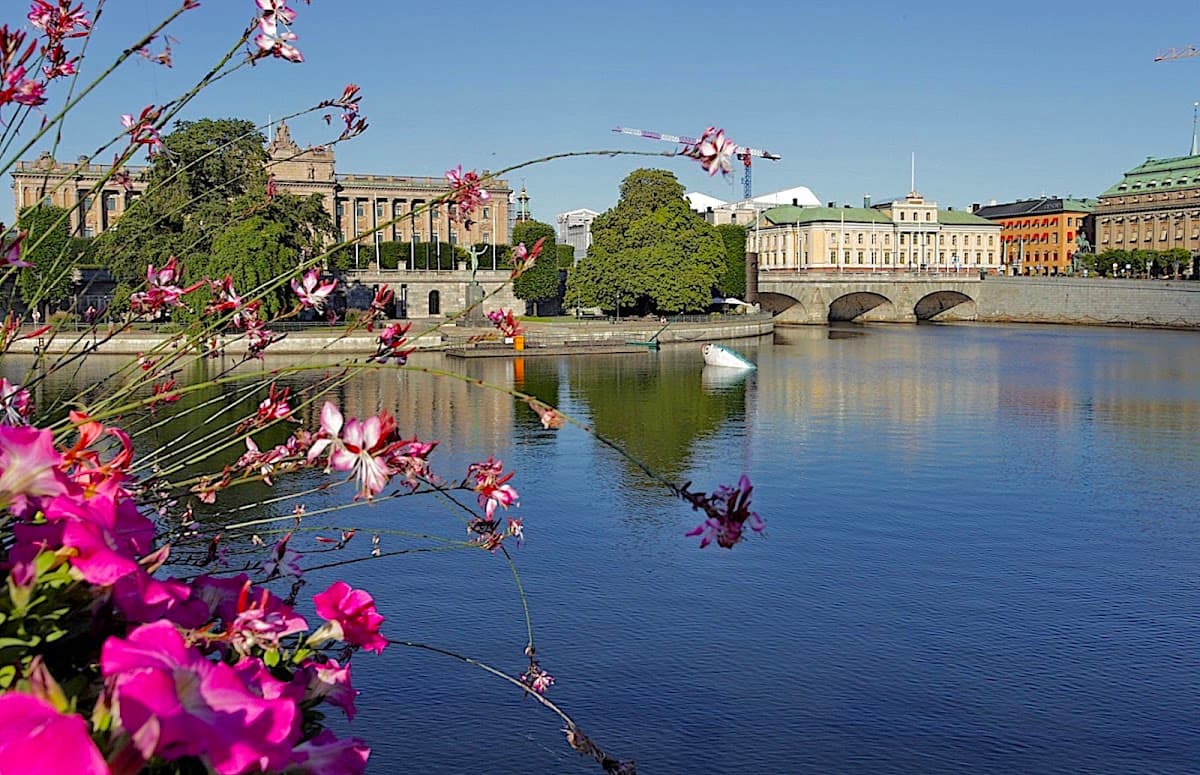
Stockholm
Scandinavian elegance across fourteen islands with royal grandeur
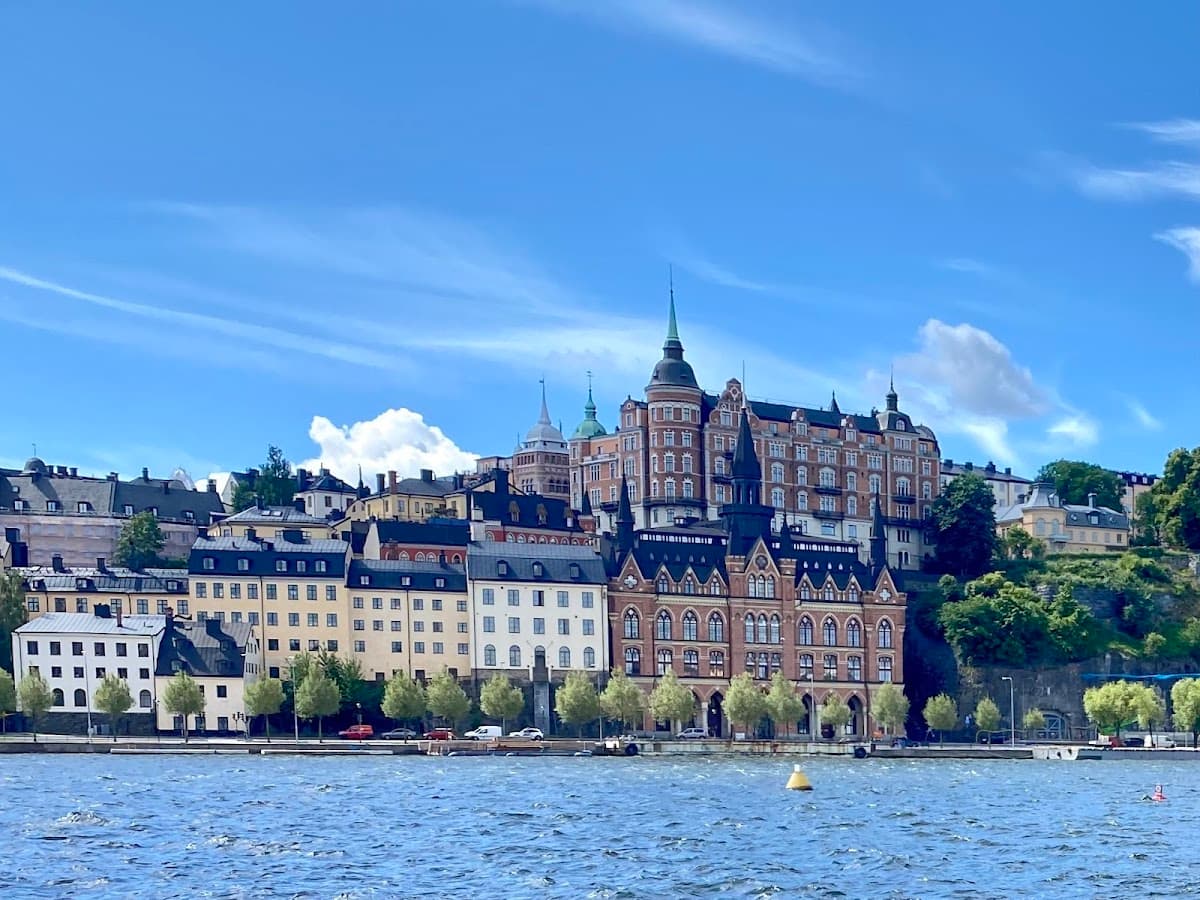
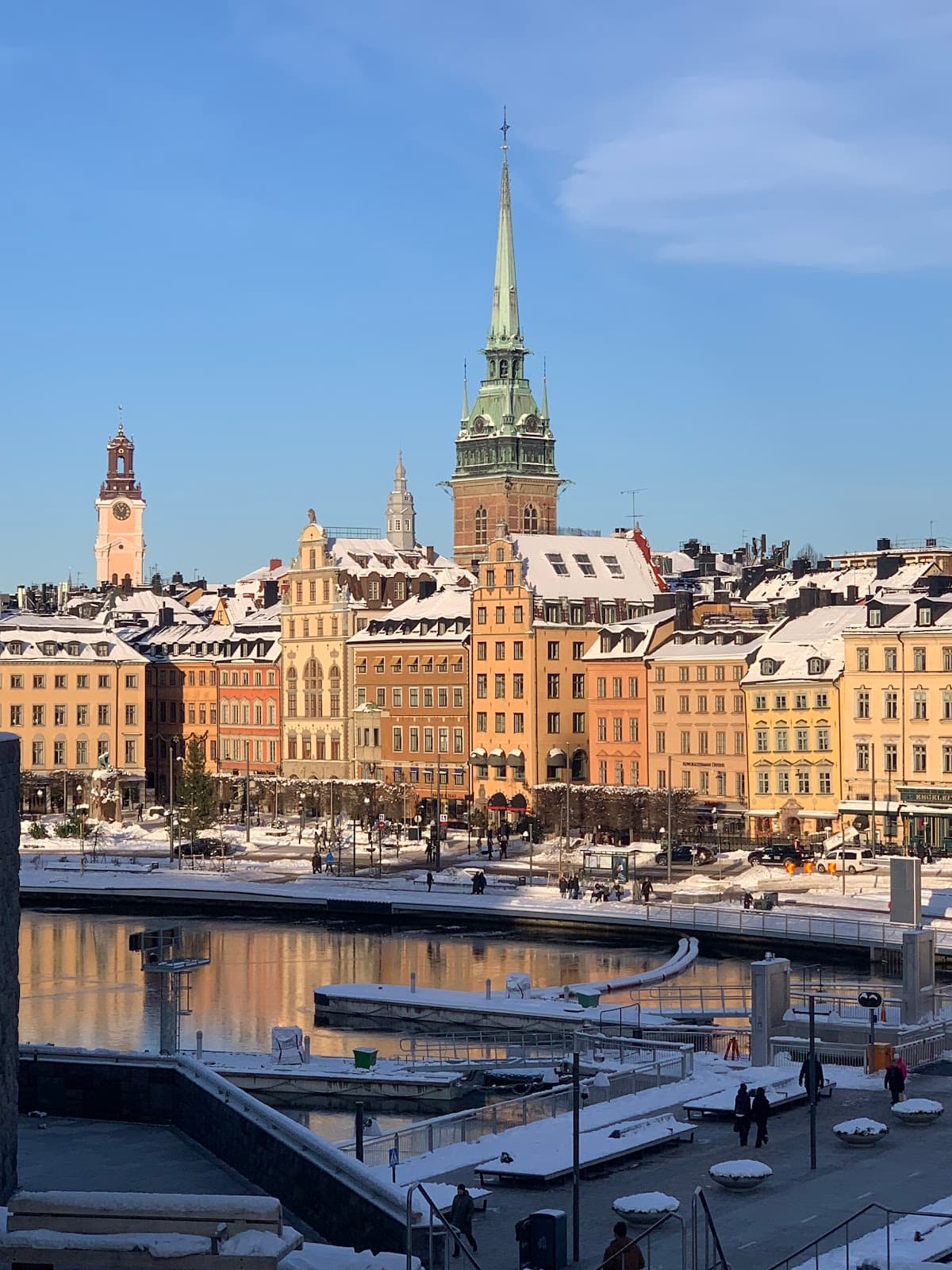
Stockholm spreads across fourteen islands connected by bridges, creating one of Europe's most beautiful capitals. The Swedish crown sits here among cobblestone streets in Gamla Stan, while modern design shops line the waterfront in Södermalm. You'll find royal palaces next to cutting-edge art galleries, and traditional fika culture alongside Michelin-starred restaurants. The city moves at its own pace — unhurried but never boring. Summer brings white nights and outdoor dining, while winter transforms the archipelago into a frozen wonderland perfect for museum hopping and cozy café culture.
Best Months
MAY – SEP
~19°C · high crowds
Culture & Context
ISLAND MODERNISM, NORDIC VALUES
Stockholm was founded in 1252 and is built across 14 islands where Lake Mälaren meets the Baltic Sea. The city consistently ranks among the top in Europe for quality of life, sustainability, and livability. English fluency is effectively universal here — anyone under 60 speaks it confidently, and most public signage is bilingual. Don't let that stop you from using a few Swedish words. Locals respond warmly to the effort.
Sweden runs on the concept of Lagom — a word with no direct English equivalent, roughly meaning 'just the right amount.' Not too much, not too little. This permeates everything from how loud you speak on the metro to how you dress for dinner. Understated is always correct.
The city has serious cultural export credentials: ABBA, Stieg Larsson's Millennium trilogy, Spotify, H&M, IKEA, and a disproportionate share of global pop music production all trace back here. But Stockholm doesn't trade much on nostalgia. The local identity leans forward — into design, sustainability, and clean modernism. The metro system alone, with 90+ stations decorated by commissioned artists, is worth a dedicated afternoon. It's genuinely called 'the world's longest art gallery.'
Here's the thing about winter in Stockholm: it's dark, seriously dark, with barely seven hours of daylight in December. But the city does not collapse into itself. Christmas markets appear in Gamla Stan, outdoor skating rinks open in Kungsträdgården, and every café doubles down on candles and warmth. Summers flip the equation entirely, with daylight lasting until nearly midnight around Midsummer. Plan your visit around what kind of light you want.
Local Customs
FIKA CULTURE RULES
Fika is non-negotiable. It's not just coffee — it's a twice-daily social reset baked into Swedish work culture and home life. Around 10am and 3pm, people pause.
If you're invited to someone's fika, bring a pastry or cake. Don't show up empty-handed.. Personal space on public transport is sacred.
Don't talk to strangers on the Tunnelbana. Sitting next to someone when empty seats are available is mildly strange by local norms. Keep your voice down..
Queuing is dead serious. The Swedish queueing system — whether at a deli counter or a bus stop — operates on invisible but strict rules. Jumping the queue is not forgiven quietly..
Shoes off at the door, always. If you're invited into a Swedish home, remove your shoes without being asked. This is non-negotiable regardless of how formal the occasion..
Punctuality is a form of respect. Arriving 5–10 minutes early for any appointment, tour, or dinner is standard. Being late without notice is genuinely considered rude..
Modesty is a core value. Loud self-promotion, showing off wealth, or talking over others will get you quietly judged. Swedish culture (sometimes called Jantelagen) values equality and understatement..
Cashless is the default. Many Stockholm businesses do not accept cash at all. Have a contactless card or the SL app ready at all times.
ATMs are harder to find than you'd expect.. Recycling is social currency. Sort your waste correctly.
Plastic bags cost 7–10 SEK each at shops. Carry a reusable bag. The environmental consciousness here isn't performative — it's embedded..
Skål etiquette matters at dinner. Fill others' glasses before your own. Make eye contact when toasting.
Skip the eye contact and you'll hear about it later.. Swedes eat dinner early, especially in colder months. Restaurant reservations at 5–6pm are common.
Don't roll up expecting a table at 9pm and find it fully booked.
Safety
WATCH PETTY THEFT
Stockholm remains one of the safer major capitals in Europe. Violent crime against tourists is rare, and most visits are completely trouble-free. The main thing to watch for is petty theft. Pickpocketing happens at Gamla Stan, T-Centralen station, the Vasa Museum queue, and on crowded metro trains — especially during peak hours (7–9am and 4–6pm). Keep your wallet in a front pocket and your phone out of your back pocket.
There's been genuine gang-related violence in Sweden's news cycle over recent years, including incidents in Stockholm suburbs. But these incidents are targeted, suburban, and statistically separate from tourist areas. Rinkeby and Husby are suburbs with higher crime rates — tourists have no reason to visit them. Central Stockholm, Gamla Stan, Södermalm, Östermalm, and Djurgården are all straightforward to navigate day and night.
The US State Department lists Sweden at Level 2 ('Exercise Increased Caution') due to terrorism risk, consistent with most of Western Europe. Canada's government notes an increase in gang-related gun violence in Stockholm County, though incidents have not typically occurred in tourist areas. Standard urban awareness applies.
A few practical notes: Don't accept rides from drivers approaching you at stations. Use licensed taxis (Taxi Stockholm or Sverigetaxi) or ride-hailing apps. In winter, icy sidewalks are a genuine physical hazard — wear boots with grip. Emergency number is 112.
Getting Around
METRO & CASHLESS
Stockholm's public transport is operated by SL (Storstockholms Lokaltrafik) and covers metro (Tunnelbana), buses, trams, commuter trains, and several ferries — all on one ticket system. It's cashless, reliable, and genuinely good.
The metro (T-bana) runs three color-coded lines — Green, Red, and Blue — with 100 stations across 105km. All three lines converge at T-Centralen, the main hub. Trains run from around 5am to 1am daily, with reduced night service after that on weekends. A single 75-minute ticket (valid for unlimited transfers within that window) costs 43 SEK (~$5). A 24-hour unlimited pass is 175 SEK (~$16); 72-hour is 350 SEK (~$32).
Pay with the SL app, a rechargeable green SL Access card (costs 20 SEK to get), or simply tap a contactless credit/debit card directly at the turnstile. Note: contactless always charges full adult fare and you can't buy multiple tickets with one card — use the SL app for groups.
The Djurgårdslinjen ferry runs from Slussen to Djurgården island (with a stop at Skeppsholmen) and is included in standard SL passes. Use it instead of paying for a boat tour. The views are excellent and it costs nothing extra.
For the airport: skip the Arlanda Express (it's around 280 SEK each way). Instead, take the commuter pendeltåg with an SL pass plus a 120 SEK supplement for the Arlanda zone. Flygbussarna airport coaches are another affordable option. Avoid rush hours (7–9am and 4–6pm) if possible. And don't walk in bike lanes — cyclists move fast and will not stop for you.
Useful Phrases
Explore Neighborhoods
Explore the Region
Things to Do in Stockholm
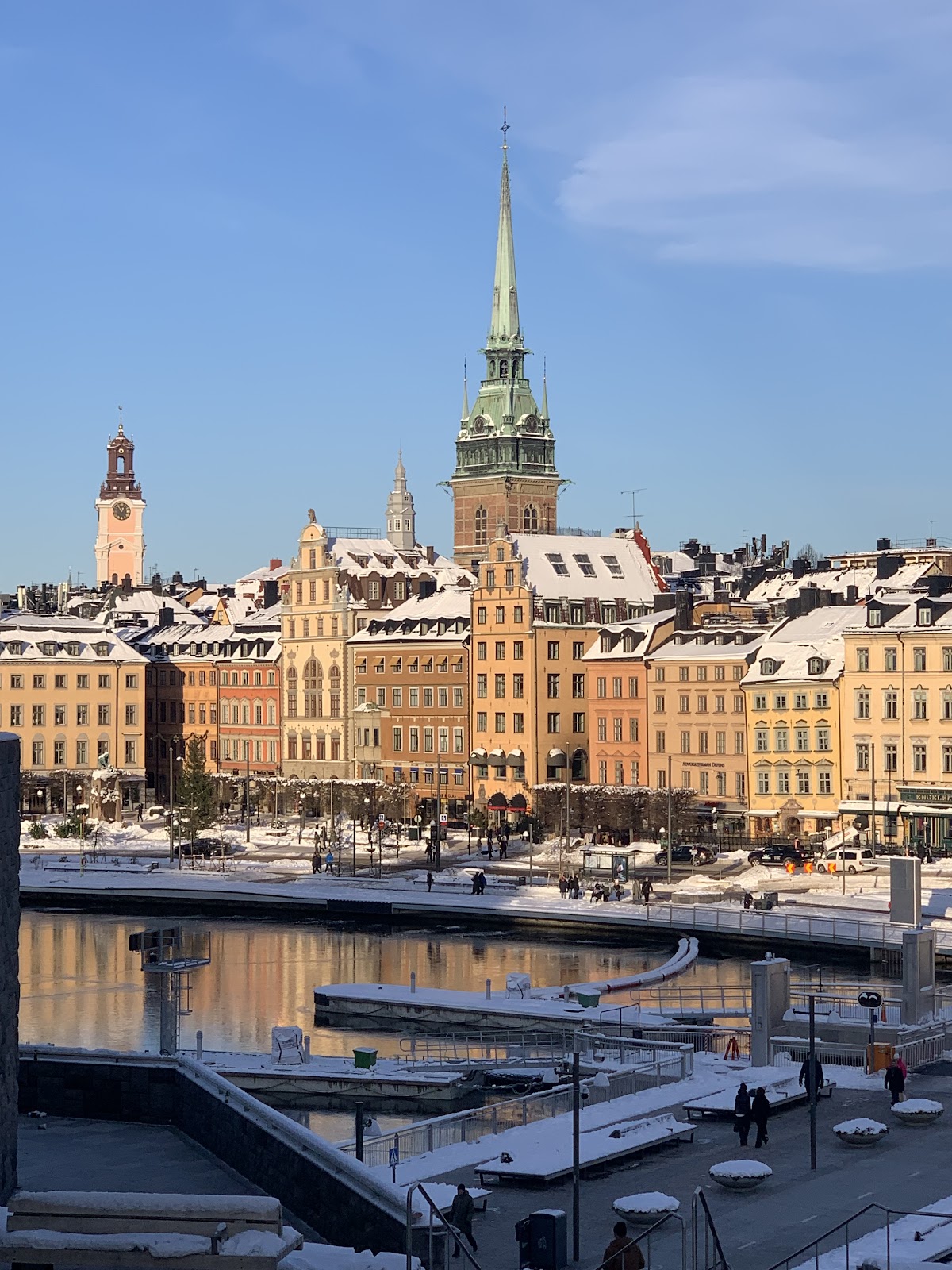
Gamla Stan
120 min
Vasa Museum
90 min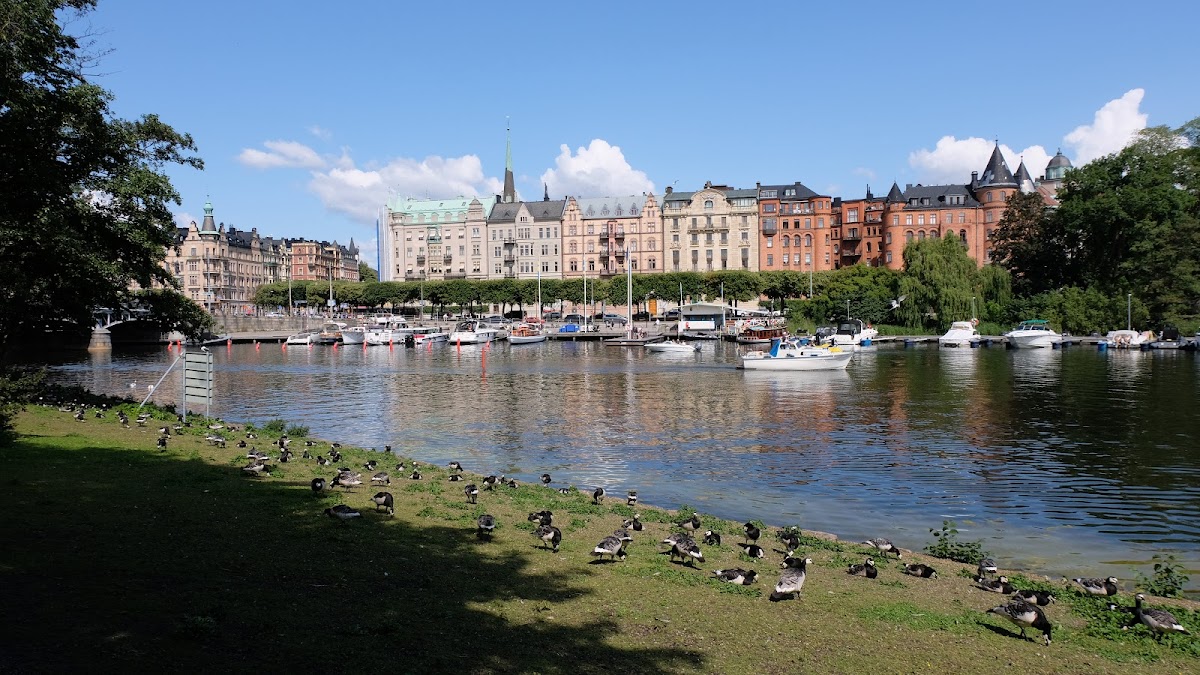
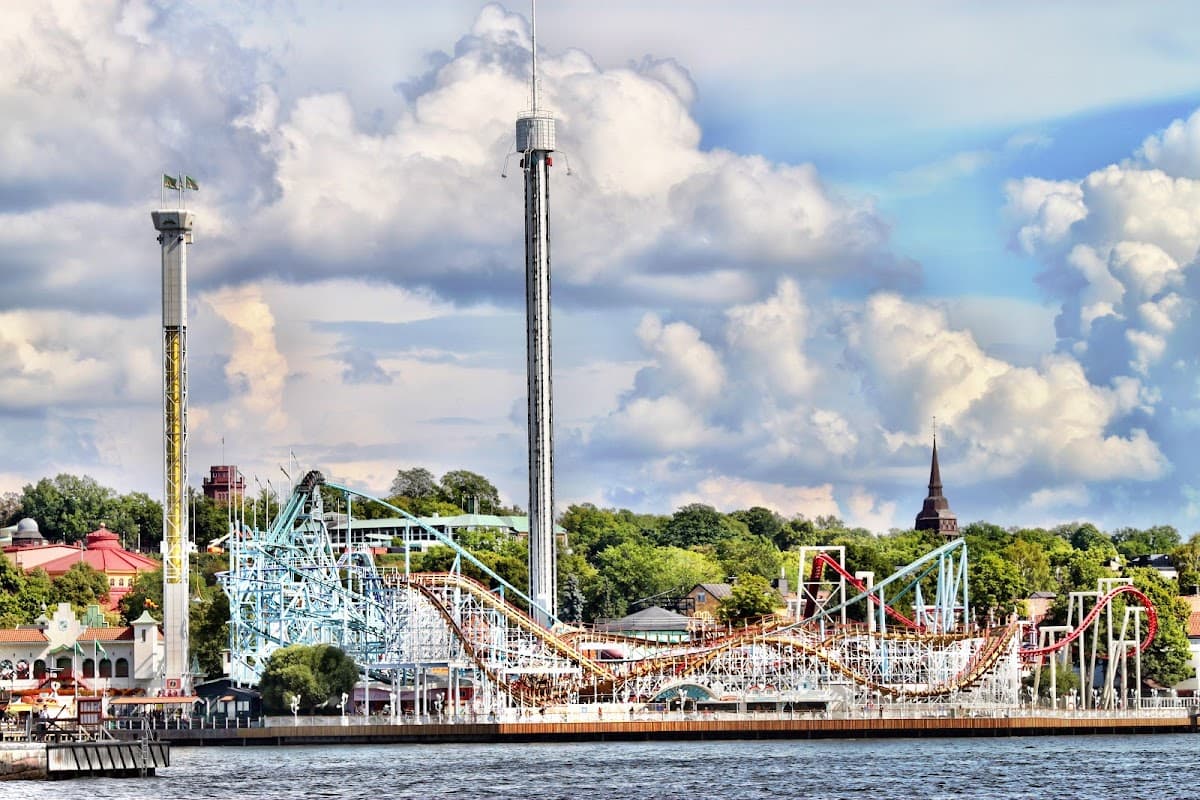
Djurgården Island
120 minMoney-Saving Tips
- 1.Buy groceries at ICA or Coop instead of eating out for every meal — restaurant prices will shock you
- 2.Get the Stockholm Pass for 675 SEK per day if visiting 3+ museums — includes public transport
- 3.Shop alcohol at Systembolaget before 8 PM weekdays, 3 PM Saturdays — bars charge 3x retail prices
- 4.Use city bikes (3 SEK per 30 minutes) instead of taxis which start at 45 SEK plus 15 SEK per km
- 5.Book restaurants for lunch instead of dinner — many offer same menu for 200-300 SEK less
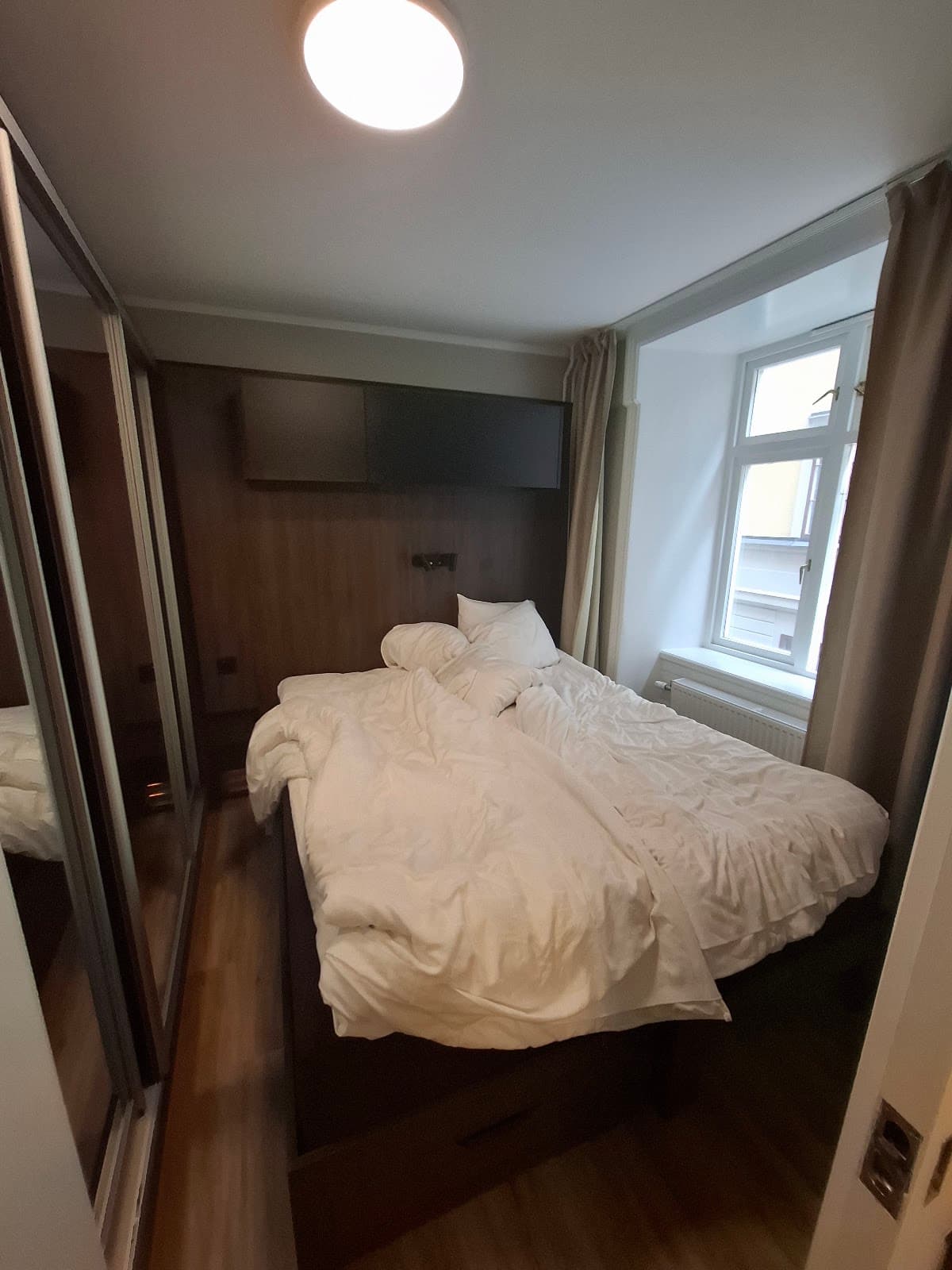
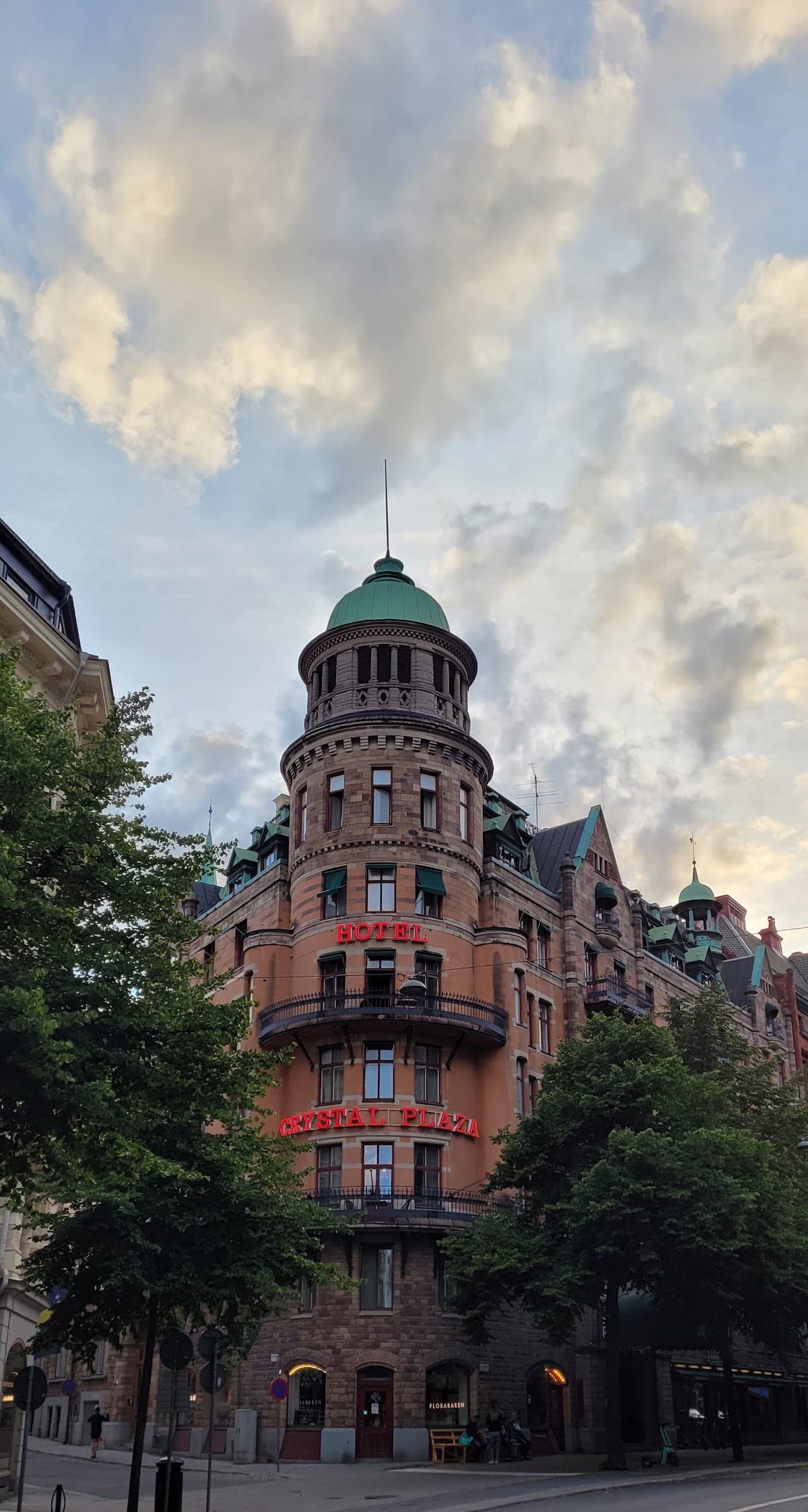
- 6.Stay in Södermalm hostels (400-600 SEK per night) instead of Östermalm hotels (2,500+ SEK)
- 7.Take the Arlanda Express to/from airport (315 SEK) rather than taxis (500-700 SEK)
Travel Tips
- •Download the SL app for real-time public transport — Stockholm's system is extensive but can be confusing
- •Book restaurants well ahead, especially in summer — popular spots fill up weeks in advance
- •Pack layers year-round — Stockholm weather changes quickly, even in summer
- •Learn basic Swedish greetings — locals appreciate the effort though most speak excellent English
- •Carry cash for small purchases — some cafés and markets don't accept cards under 50 SEK
- •Respect the Right to Roam laws when exploring nature — camp responsibly and leave no trace
- •Time museum visits for weekday mornings — weekends bring crowds and longer queues