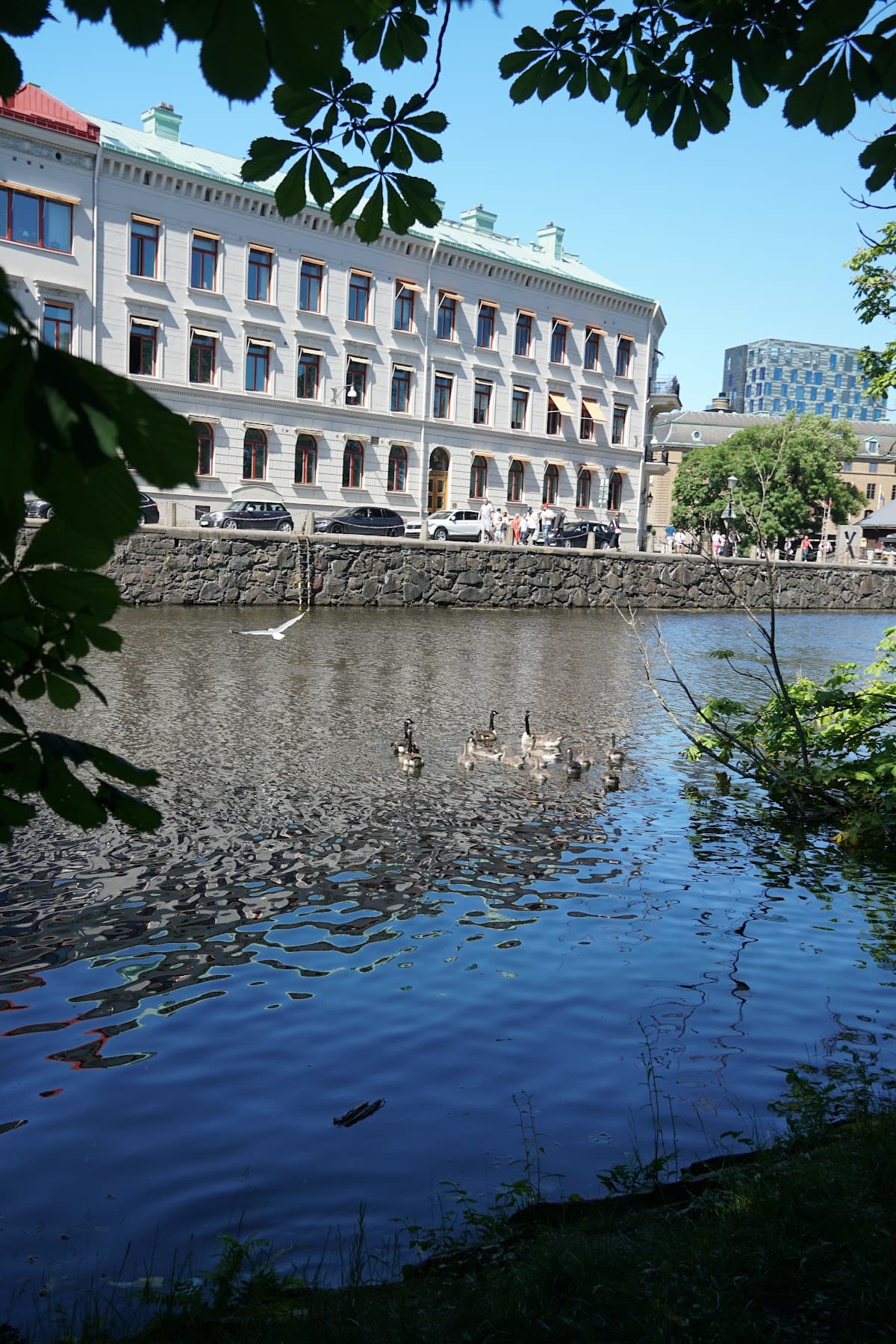
Gothenburg
Sweden's medieval island jewel in the Baltic Sea
Most people rush through Sweden chasing Northern Lights or Stockholm's royal palaces. But here's what they're missing: Gothenburg, a medieval island city where cobblestone streets wind between 17th-century buildings and waterfront cafes serve the best seafood in Scandinavia.
This isn't your typical Swedish experience. No IKEA jokes or ABBA references needed. Gothenburg moves at its own pace — locals bike along canal-side paths, couples share lingonberry pastries at Saluhallen market, and summer evenings stretch until nearly midnight over the archipelago's rocky islands.
The city sits where the Göta älv river meets the Baltic Sea, built on a cluster of islands connected by bridges and trams. Medieval fortifications still guard the harbor, while the Liseberg amusement park brings unexpected thrills to this otherwise laid-back destination. And those summer months? Pure magic, when the whole city migrates to outdoor terraces and the archipelago's beaches.
Itineraries coming soon
We're working on adding amazing itineraries for Gothenburg. In the meantime, try the app to create your own!
Money-Saving Tips
- 1.Buy a Gothenburg City Card for free museum entry and public transport - pays for itself if you visit 3+ attractions
- 2.Eat lunch at Saluhallen market instead of restaurants - same quality food at half the price
- 3.Take the free ferry to Älvsborgsbron bridge for harbor views instead of paying for sightseeing boats
- 4.Shop for groceries at ICA or Coop supermarkets rather than tourist-area convenience stores
- 5.Visit during June for summer weather without July's peak season hotel prices
- 6.Use the Styr & Ställ bike share system (25 SEK/day) instead of taxis for short trips
Travel Tips
- •Download the Västtrafik app for easy tram and bus payments - cash isn't accepted on public transport
- •Pack layers even in summer - Baltic Sea winds can make evenings surprisingly cool
- •Book archipelago ferry trips early in the day during summer - afternoon boats get crowded
- •Learn basic Swedish greetings - locals appreciate the effort even though most speak excellent English
- •Bring a reusable water bottle - tap water is excellent and refill stations are everywhere
- •Check Liseberg's schedule before visiting - the amusement park closes completely during winter months
Frequently Asked Questions
Explore Gothenburg
Ready to explore Gothenburg?
Get a personalized itinerary in seconds with Takeoff.
Free on iOS. No credit card required.