Reykjavik
Nordic capital where Northern Lights meet vibrant nightlife
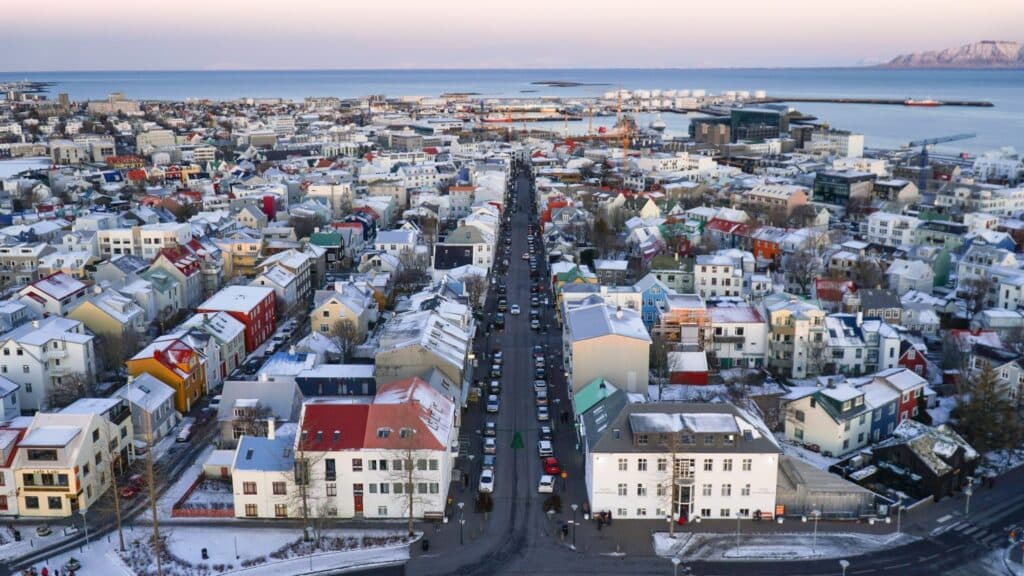
Reykjavik punches way above its weight for a city of just 130,000 people. This Nordic capital serves up Northern Lights in winter, midnight sun in summer, and a nightlife scene that rivals cities ten times its size. You'll find cutting-edge restaurants tucked between colorful corrugated houses, geothermal pools steaming in the city center, and some of the friendliest locals on the planet. The air is so clean it almost hurts to breathe, and the tap water tastes better than most bottled brands. But here's the thing – Reykjavik isn't cheap. A beer costs around $12, and dinner for two easily hits $150. Still worth it? Absolutely.
Best Months
JUN – AUG
~14°C · peak crowds
Culture & Context
CULTURAL POWERHOUSE, TINY SCALE
Reykjavik literally means "Smoky Bay" — early Norse settlers saw geothermal steam rising off the ground and thought the place was on fire. Solid first impression. It's the world's northernmost capital, home to around 130,000 people, and it operates at a scale that makes no sense for how much it produces culturally. Iceland Airwaves. The Reykjavik Arts Festival. A literary festival older than most EU institutions. A design scene that studios in Berlin and Copenhagen reference. And it all comes out of a city smaller than most mid-sized American suburbs.
The economy runs on geothermal energy, fish, aluminum, and a tourism boom that hasn't quite slowed down. Construction cranes are still the city's most common bird — that joke has been running for a decade because it keeps being true. The housing market is brutal, and the influx of tourists has pushed prices to levels that make Oslo look reasonable. Here's the thing about 2026 specifically: the August 12 total solar eclipse has put Reykjavik on a collision course with extraordinary demand. Book everything well in advance if you're visiting that month.
Icelanders are direct. Not rude, just efficient. They don't do small talk for the sake of it, and silence in a conversation isn't awkward to them the way it is for most visitors. Gender equality isn't a policy here, it's just how things work. Iceland has topped global gender gap rankings for over a decade. Don't make assumptions about who pays at dinner. The country is almost entirely cashless — Strætó buses dropped cash payments in June 2025, and even market stalls prefer contactless. Bring a card with no foreign transaction fees.
Local Customs
DIRECT, CASHLESS, SHOWER NAKED
Shower before you enter any geothermal pool or hot spring — and shower naked, without a swimsuit on. This isn't optional and there are often attendants checking. It applies to upscale spots like Sky Lagoon as much as neighborhood pools like Laugardalslaug..
No tipping is expected. Service charges are included in prices at restaurants and taxis. It's not rude to skip it.
If you had genuinely exceptional service, rounding up a taxi fare or leaving a small amount is fine, but don't calculate percentages.. Don't buy bottled water. Iceland's tap water is among the cleanest on earth.
Pack a reusable bottle. Paying for bottled water here is like paying to breathe.. Take your shoes off before entering someone's home.
It's automatic for locals — walking through an Icelander's front door with shoes on is jarring.. Iceland runs entirely cashless. The bus network dropped cash in June 2025.
Even small markets prefer card. Bring a contactless card with no foreign transaction fee.. Order a hot dog (pylsur) with 'einn með öllu' — one with everything.
That gets you crispy onions, ketchup, mustard, and remoulade. Bæjarins Beztu Pylsur on Tryggvagata is the institution. It costs less than a coffee..
Icelanders are direct and don't fill silences with small talk. Don't take it as unfriendly. They are friendly — just honest about it..
Don't drive off-road, ever. The moss and volcanic soil take centuries to recover. Fines are heavy and enforced.
Marked roads only.. The drinking age in Iceland is 20, not 18. State liquor stores (Vínbúðin) keep limited hours.
Stock up at the duty-free shop at Keflavík Airport on arrival.
Safety
SAFE CITY, WILD NATURE
Reykjavik is one of the safest capital cities in the world. Locals leave strollers outside cafes unattended and bikes unlocked. That's just normal life here. Police are generally unarmed and rarely visible in confrontational situations.
But the tourist boom has changed things slightly. Pickpocketing and ATM scams have increased in the Laugavegur shopping street area, around Hallgrímskirkja, and at popular Golden Circle sites. Organized groups from other European countries are specifically behind some of it, according to Reykjavik police. Watch your card at ATMs. Late-night downtown (especially around bar closing times on weekends) can get disorderly — not dangerous by global standards, but worth being aware of.
The bigger risk is nature, not crime. Between 600–700 people are rescued from the Icelandic countryside every year. Weather shifts fast and without warning. Reynisfjara black sand beach, south of the city, has waves that have swept tourists into the ocean — follow the safety signs there. Register your hiking plans at safetravel.is and download the 112 Iceland app before heading into any remote area. Emergency number is 112 for everything: police, ambulance, rescue.
One legal note: cannabis and CBD products are illegal in Iceland. Fines start at ISK 50,000 and can result in arrest.
Getting Around
WALKABLE DOWNTOWN, RENT A CAR
Reykjavik has no metro, no tram, and no trains anywhere in Iceland. The Strætó bus network runs 27 routes across the Capital Region, covering Kópavogur, Hafnarfjörður, and Garðabær as well as the city itself. Single tickets cost 670–690 ISK (about $4.20–4.99 USD) and are valid for 75 minutes. Cash has been gone since June 2025 — pay via the Klappið app or contactless card. The fare-capping system limits you to three rides per day and nine per week on the same card, which is genuinely useful. A monthly pass runs around ISK 11,600 (~$83).
Key routes: Route 1 connects downtown Hlemmur to Hafnarfjörður. Route 6 links Hlemmur east to Ártún. Night buses 101, 103, and 106 run Friday and Saturday nights. Downtown Reykjavik (101 postcode) is compact and walkable — most places between Hallgrímskirkja and the Old Harbour are reachable on foot without any bus needed.
From the airport: Keflavík International Airport is 50 km from the city center. The Flybus shuttle connects to BSÍ terminal in central Reykjavik and is the standard, sensible option. Taxis run $150–200 for the same route. Airport Express and Airport Direct are alternatives worth comparing.
For getting around Iceland beyond the city, a rental car is effectively essential. No buses reach the highlands. Roads can be hazardous in winter, and off-road driving is illegal, heavily fined, and actively enforced. Download the Parka app for parking payments in the city. A Borgarlína bus rapid transit corridor is under construction and expected to open in late 2026 or early 2027, connecting Kópavogur to downtown.
Useful Phrases
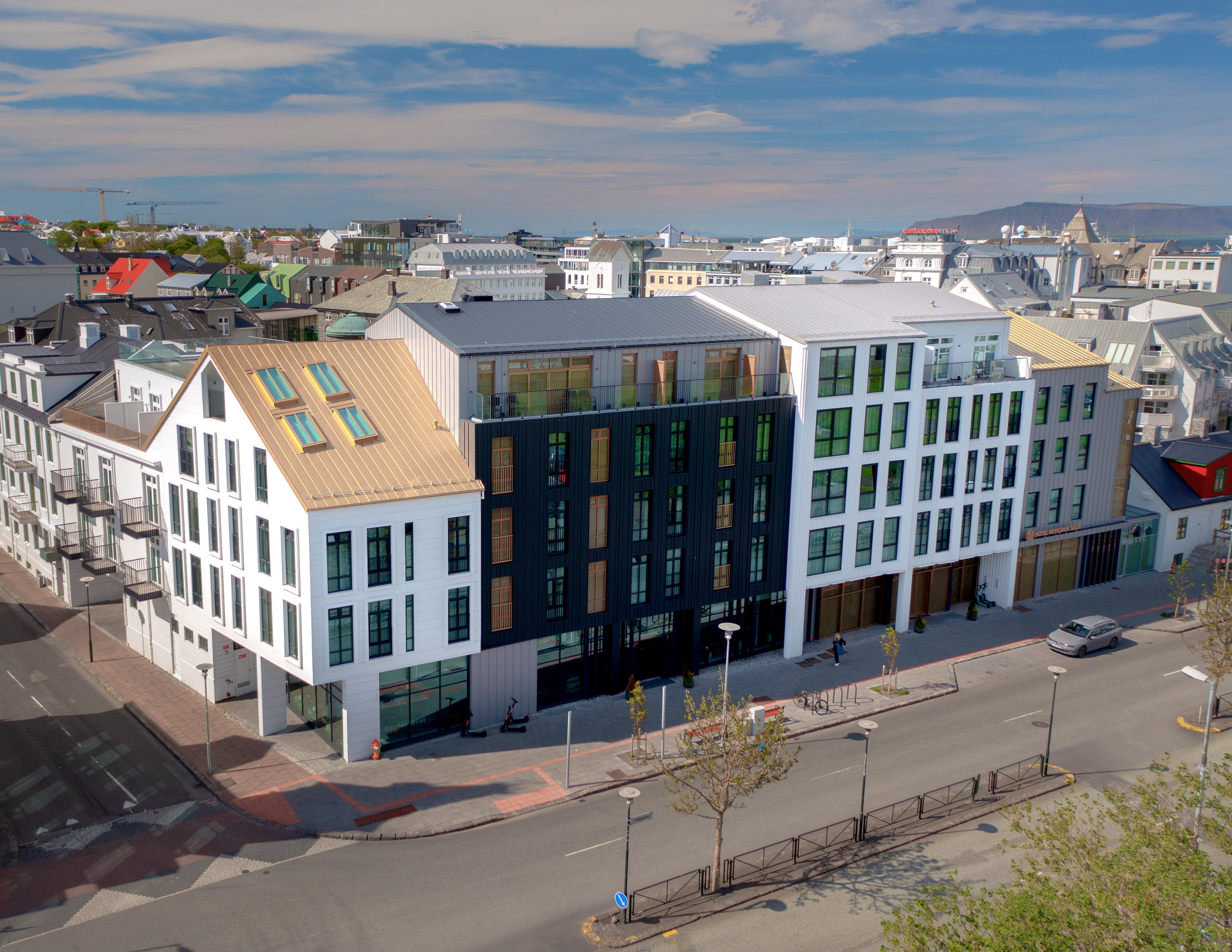
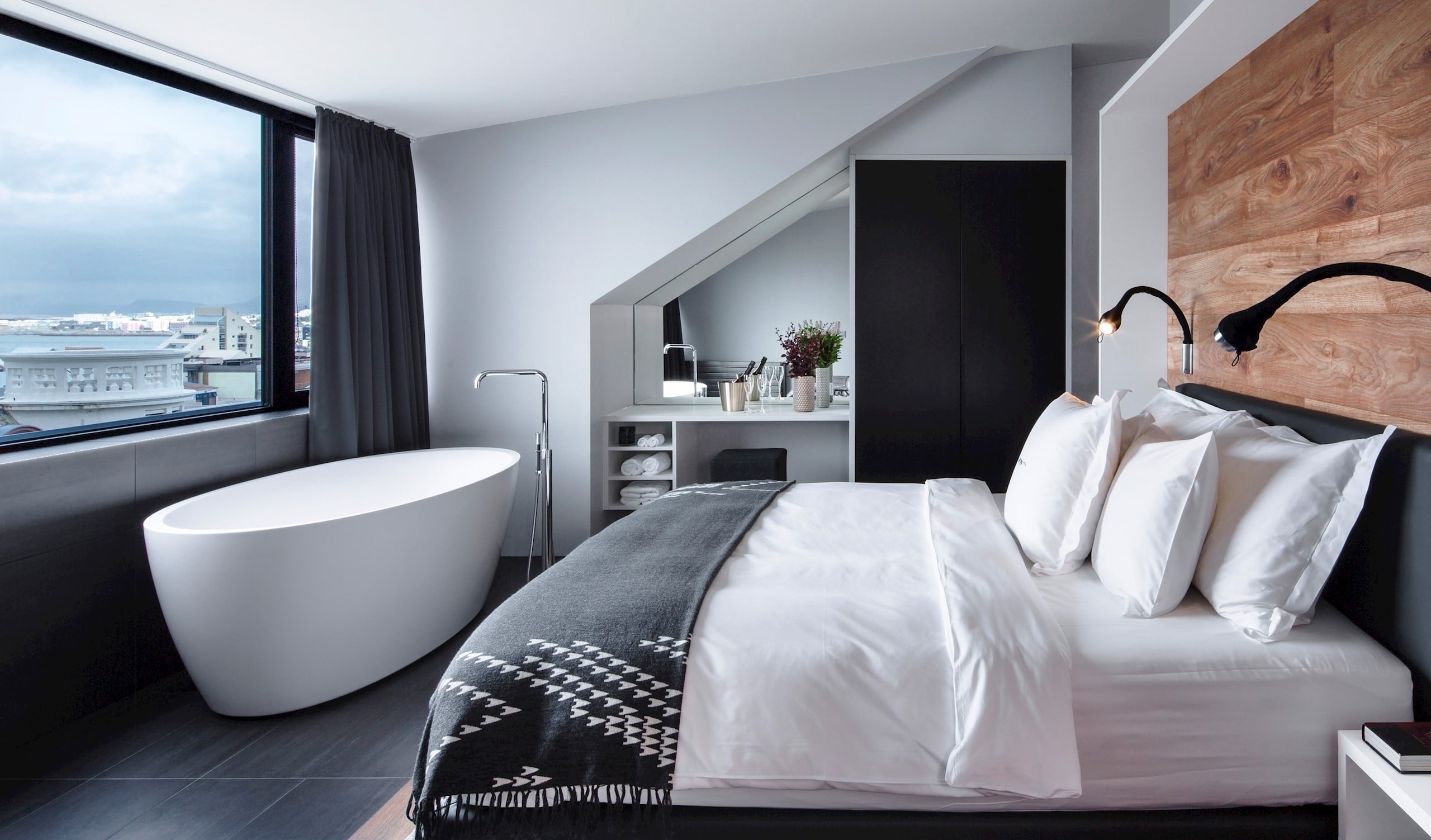
Where to Stay in Reykjavik
9 recommended properties


Money-Saving Tips
- 1.Shop at Bonus supermarkets (look for the pink pig logo) for groceries – they're 30% cheaper than other chains
- 2.Buy alcohol at Vínbúðin state stores, not bars where beer costs $12 per pint
- 3.Many museums offer free entry on certain days – check Reykjavik City Museum's schedule
- 4.The Reykjavik City Card ($35/day) includes bus transport and museum entries if you're hitting multiple attractions
- 5.Eat lunch at restaurants instead of dinner – many offer the same dishes for half the price
- 6.Fill up your water bottle from taps – Iceland has the world's cleanest tap water
- 7.Book Blue Lagoon tickets online in advance for better prices than walk-up rates
Travel Tips
- •Pack layers and waterproof gear – weather changes every 20 minutes here
- •Download the Aurora app to track Northern Lights activity in real-time
- •Learn to pronounce Reykjavik correctly: 'RAKE-ya-veek', not 'REY-kya-vik'
- •Tipping isn't expected – service charges are included in bills
- •Most locals speak perfect English, but learning 'takk' (thanks) goes a long way
- •Book restaurants in advance – Reykjavik has more restaurants per capita than any city, but they fill up
- •Bring a swimsuit – there are geothermal pools throughout the city, not just Blue Lagoon
- •Don't rent a massive 4WD unless you're driving the highlands – regular cars work fine for most routes