SUBREGION GUIDE
Baltic Coast
Historic seaside towns and pristine beaches along northern Europe
The Baltic Coast stretches like a string of pearls across northern Europe, connecting medieval Tallinn with baroque Riga and beyond. Here's where cobblestone streets meet sandy beaches, where amber washes ashore after storms, and where summer nights barely get dark. But this isn't your typical beach destination. The water stays cool even in July, and you'll trade palm trees for pine forests. What you get instead? Some of Europe's best-preserved medieval towns, beaches without the crowds, and prices that won't drain your travel fund.
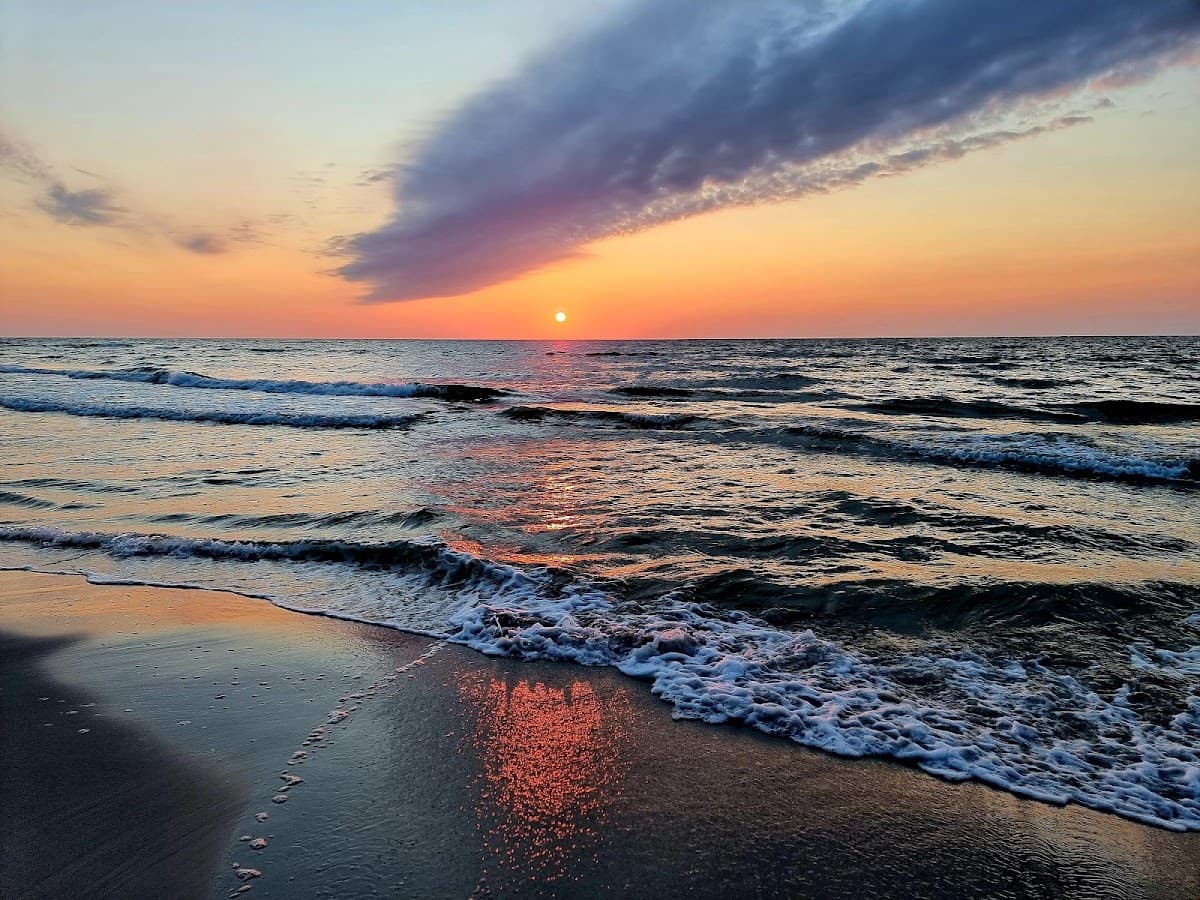
The Baltic Coast spans three countries and roughly 1,200 kilometers of shoreline. Estonia's Tallinn anchors the north with its UNESCO-listed Old Town, while Latvia's Riga sits in the middle with Europe's largest collection of Art Nouveau buildings. Lithuania's Vilnius lies slightly inland, but the coast includes the quirky Curonian Spit - a 98-kilometer sand dune peninsula shared with Russia. The region sits between 54° and 60° north latitude, which explains those famously long summer days. In June, the sun sets after 10 PM in Tallinn and barely sets at all further north. The landscape mixes dense forests, coastal wetlands, and surprisingly wide beaches. Most of the coastline faces west, so you get proper sunsets over the water - a rarity in Europe.
Money-Saving Tips
- 1.Buy groceries at Rimi or Maxima supermarkets instead of tourist-area shops - prices drop by 30-40%
- 2.Many museums offer free admission on certain weekdays - Tallinn's city museums are free on Thursdays
- 3.Local buses cost €1-2 per ride, while taxis charge tourist prices - download Bolt app for cheaper rides
- 4.Lunch specials at restaurants run €8-12 vs €20+ for dinner - eat your main meal midday
- 5.Hostels in old towns start around €15/night, while guesthouses outside city centers cost €25-35
- 6.Ferry day trips to Estonian islands cost €10-15 return - much cheaper than organized tours
- 7.Central markets offer the best exchange rates for cash, better than airport or hotel currency counters
Travel Tips
- •Download offline maps - cell service gets spotty along remote coastal stretches
- •Pack layers even in summer - sea breezes keep temperatures cool, especially in evening
- •Learn basic Russian phrases in addition to local languages - many older residents speak Russian
- •Bring a universal adapter - Baltic countries use European two-pin plugs
- •Book accommodations early for Midsummer (June 23-24) - it's the biggest celebration of the year
- •Carry cash for small vendors and rural areas - card acceptance varies outside major cities
- •Respect photography rules in Orthodox churches - many prohibit photos inside
- •Try local SIM cards for data - roaming charges add up quickly for non-EU visitors
Frequently Asked Questions
EU citizens need only ID cards. US, Canadian, and Australian visitors get 90 days visa-free in the Schengen zone, which includes all three Baltic countries. UK citizens need a passport but still get 90 days without a visa.
BUILD YOUR
BALTIC COAST PLAN
Insider picks, smart timing, and a plan ready when you are.
Start Planning