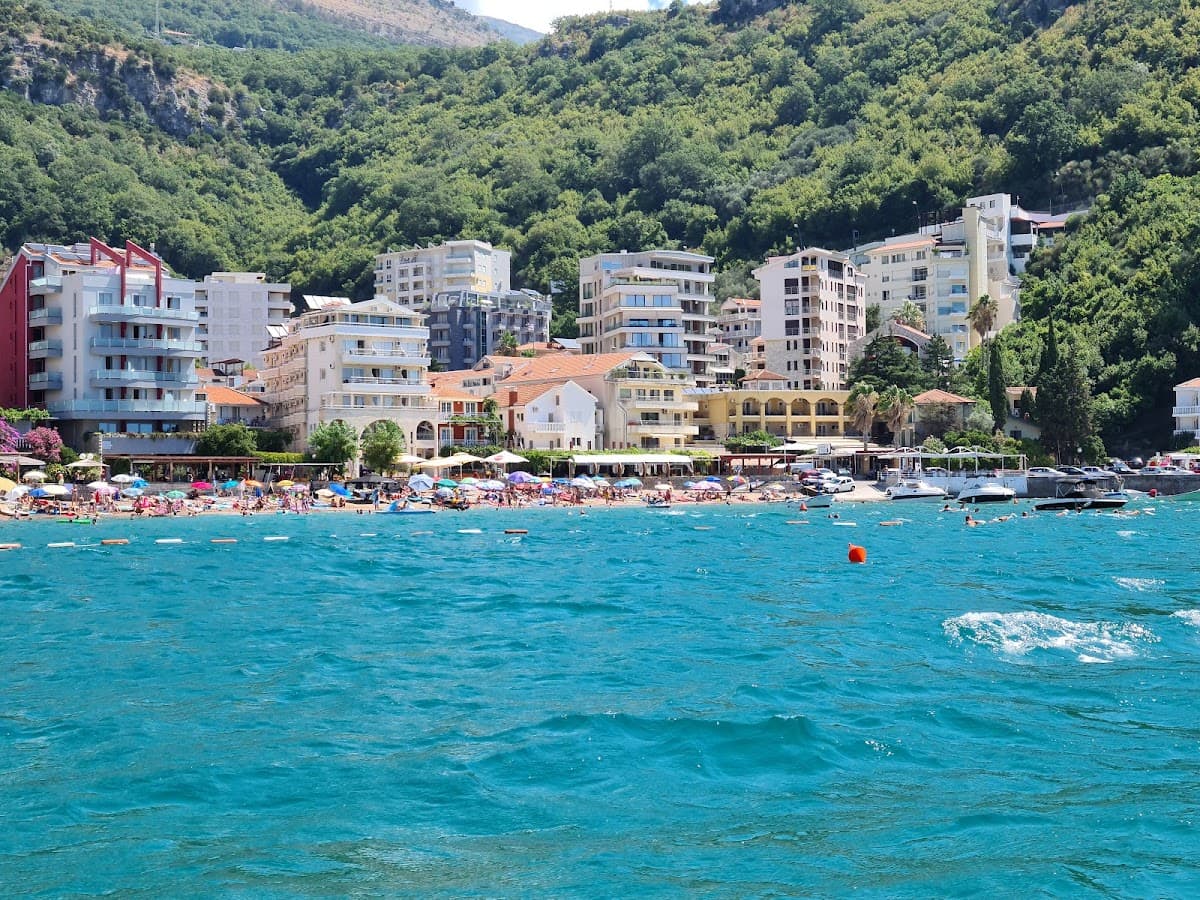
Budva
Montenegro's Adriatic party town with medieval charm
Look, Budva isn't trying to be anything other than exactly what it is: Montenegro's unabashed party capital wrapped in 2,500-year-old stone walls. This compact coastal city manages to pull off an impressive balancing act — medieval churches and Venetian architecture by day, thumping beach clubs and rooftop bars by night. The Old Town sits on a small peninsula, its ancient walls literally jutting into the Adriatic, while modern Budva sprawls along some of the country's best beaches. Sure, it gets crowded in summer, and yes, the music can be loud. But here's the thing: Budva owns its dual personality completely. You can explore Byzantine mosaics in the morning and dance until sunrise at Top Hill. The locals have been hosting visitors since Roman times — they've got this hospitality thing figured out.
Best Months
MAY – SEP
~26°C · high crowds
Culture & Context
VENETIAN RUINS, SUMMER CHAOS
Budva is one of the oldest continuously inhabited settlements on the Adriatic, founded roughly 2,500 years ago by Illyrian tribes and later shaped by Greeks, Romans, and then the Venetians during a 350-year rule that ended in 1797. The Venetians left the dialect, the carnival traditions, and the stone walls you walk today. The town was almost entirely destroyed in a 1979 earthquake and meticulously rebuilt — it looks genuinely old, and most visitors have no idea it was reconstructed.
That's actually impressive work. The "samo polako" (take it easy) mindset is real, not a tourist tagline. Life here moves at a deliberate pace, conversations are long, and nobody apologizes for it.
Over 800,000 people visit annually, making it Montenegro's most popular coastal town by a significant margin. In summer the population explodes with tourists from across Eastern Europe and beyond, and the party reputation is fully earned. But outside July and August, the town breathes differently.
The Citadel and sea walls are there year-round. So are the konobas serving fresh squid and local wine. The summer version and the shoulder-season version are genuinely two different experiences.
Local Customs
THREE CHEEK KISSES, COFFEE HOURS
When visiting a Montenegrin home, expect Turkish coffee and rakija (a grape or plum brandy) to appear immediately. Declining is fine, but accepting earns you serious warmth.. Greetings involve physical contact: three cheek kisses with family, one kiss and a hug with friends.
Don't initiate with a formal handshake only — it can read as cold.. Pointing with the lips is a real and common way to indicate direction. Locals do it constantly.
Don't be confused when someone nods their head toward a street instead of raising a hand.. Walking bare-chested or in swimwear through the Old Town is actually prohibited. Signs are posted and it is enforced.
Cover up before entering the stone gates.. Long coffee sits are normal and expected. Ordering an espresso and leaving in five minutes signals you're stressed or rude.
Budget 45 minutes minimum when you sit down with a local.. Montenegrins can be direct to the point of seeming brusque, especially older residents. It's not rudeness.
Conversations with shop owners often turn into long chats about where you're from and whether you've tried the local cheese yet.. Every visitor to Montenegro must register with local authorities within 24 hours of arrival. Hotels do this automatically.
If you're in a private rental or Airbnb, your host must give you a Potvrda (registration receipt). Keep it. Border officials can ask for it when you leave..
Taxi pricing is a known issue. Always agree on the fare before getting in, or insist on the meter. Uber and Bolt do not operate in Budva as of 2026.
Safety
VERY SAFE, WATCH BELONGINGS
Budva is very safe by any reasonable measure. Montenegro sits 34th on the 2025 Global Peace Index, ahead of Sweden and Poland, and the U.S.
State Department rates it Level 1 as of March 2026, which is as calm as international travel classifications get. Violent crime targeting tourists is essentially unheard of. That said, petty theft picks up in peak season (June–August), particularly around crowded beach areas, ATMs, and nightlife strips.
Keep bags in front of you, don't flash phones at busy beach clubs, and withdraw cash from bank-affiliated ATMs rather than standalone machines. Avoid Euronet ATMs entirely — the fees are predatory. The nightclub scene at places like Top Hill gets rowdy.
Solo female travelers report feeling generally safe, but standard after-dark awareness applies around club areas. Montenegro's roads deserve attention: narrow, winding, and shared with drivers who pass on blind corners without hesitation. The Budva-to-Kotor coastal road in particular is scenic and genuinely dangerous if you're not paying attention.
Seat belts are mandatory, phone use while driving is prohibited, and headlights must be on at all times. Emergency number is 112.
Getting Around
WALKABLE OLD TOWN, BUSES OUT
Closest airport is Tivat (TIV), about 20km north. Taxis to Budva cost €25–35 and take about 25 minutes. Podgorica Airport (TGD) is 65km away but often has cheaper flights and more options — buses from Podgorica to Budva run about €6 and take 90 minutes.
Many people fly into Dubrovnik (Croatia) and take a 3-hour bus for €25–35. Within Budva, walking handles nearly everything. Old Town to Slovenska Plaza is 15 minutes on foot.
For beaches further out — Jaz, Bečići, Sveti Stefan — local buses run regularly and cost €1–2.50. Sveti Stefan is 15–20 minutes by bus from the main station and costs €1.
50–2.50. There are no trains to Budva.
No Uber or Bolt as of 2026. Traditional taxis are the only ride option and you must agree on price before getting in or insist on the meter. Renting a car (from €25–30/day in summer) is genuinely useful for day trips to Kotor, Perast, and Lovćen National Park.
Parking inside Budva is limited and expensive at €2–4/hour during peak season. The lot near Hotel Mediteran is technically free but fills before 10am on busy days. Arrive early or walk from paid parking a few blocks back.
Useful Phrases
Budva Itineraries

Where to Stay in Budva
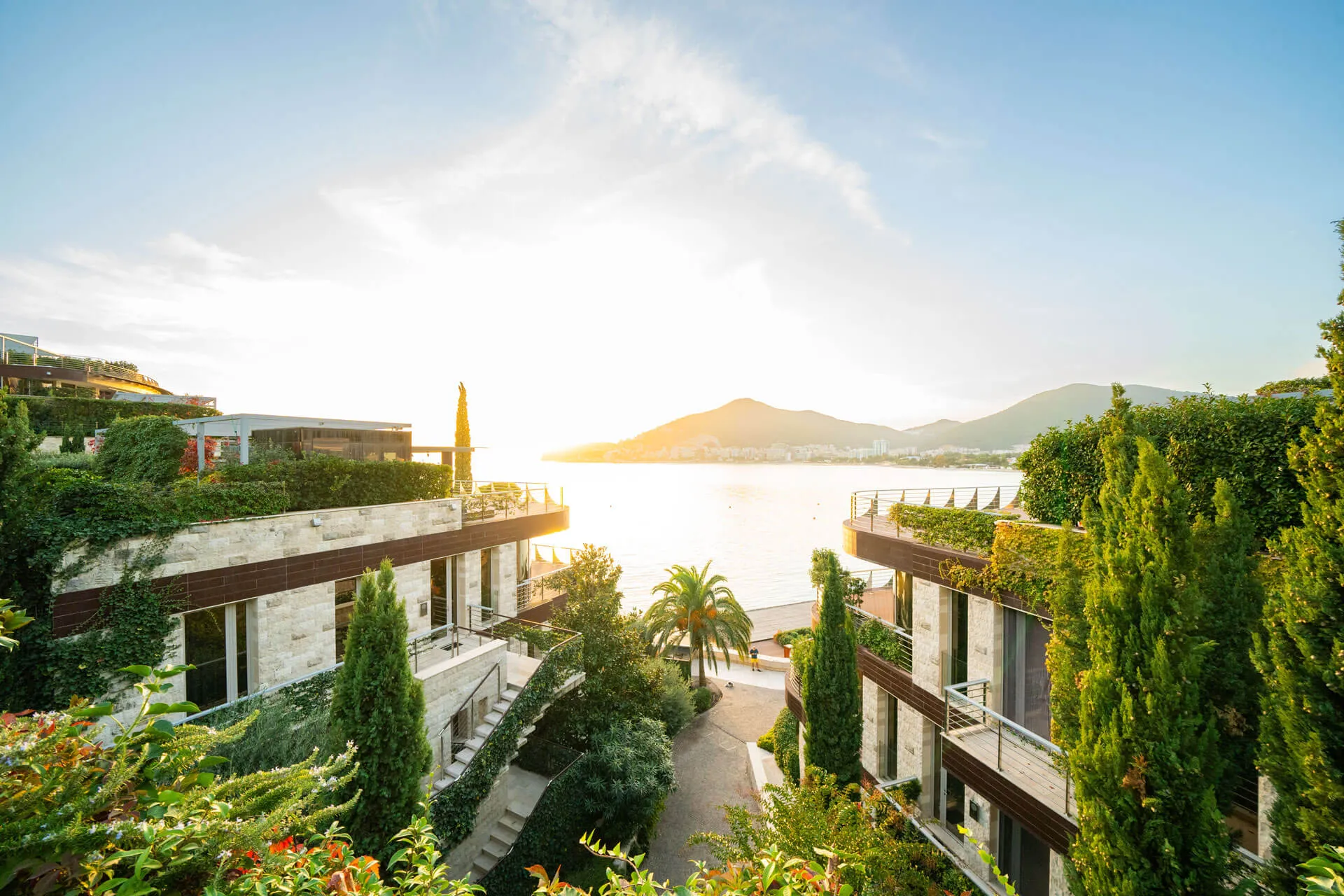
1 recommended properties
Things to Do in Budva
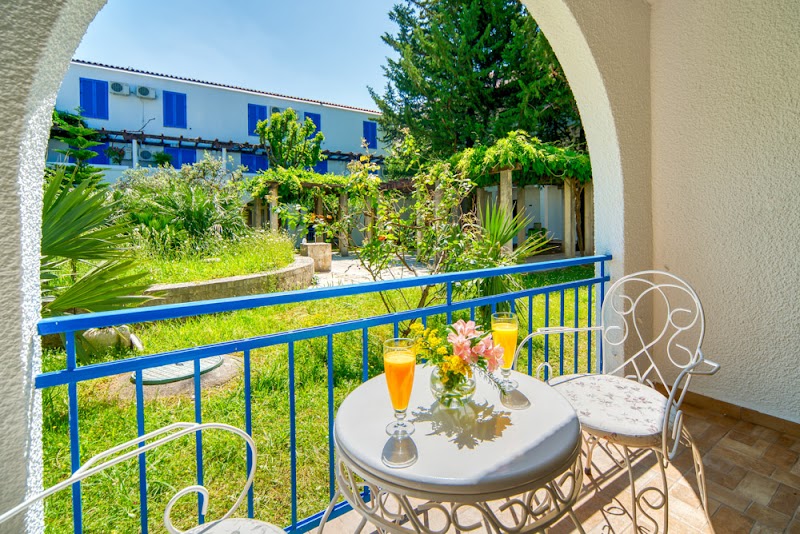
Slovenska Plaža Promenade Stroll
Slovenska Plaža · 60 min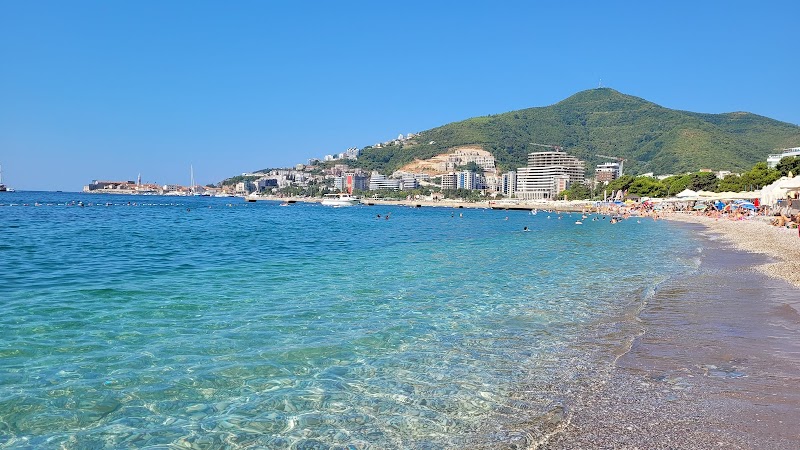
Slovenska Plaža Beach Time
Slovenska Plaža · 120 min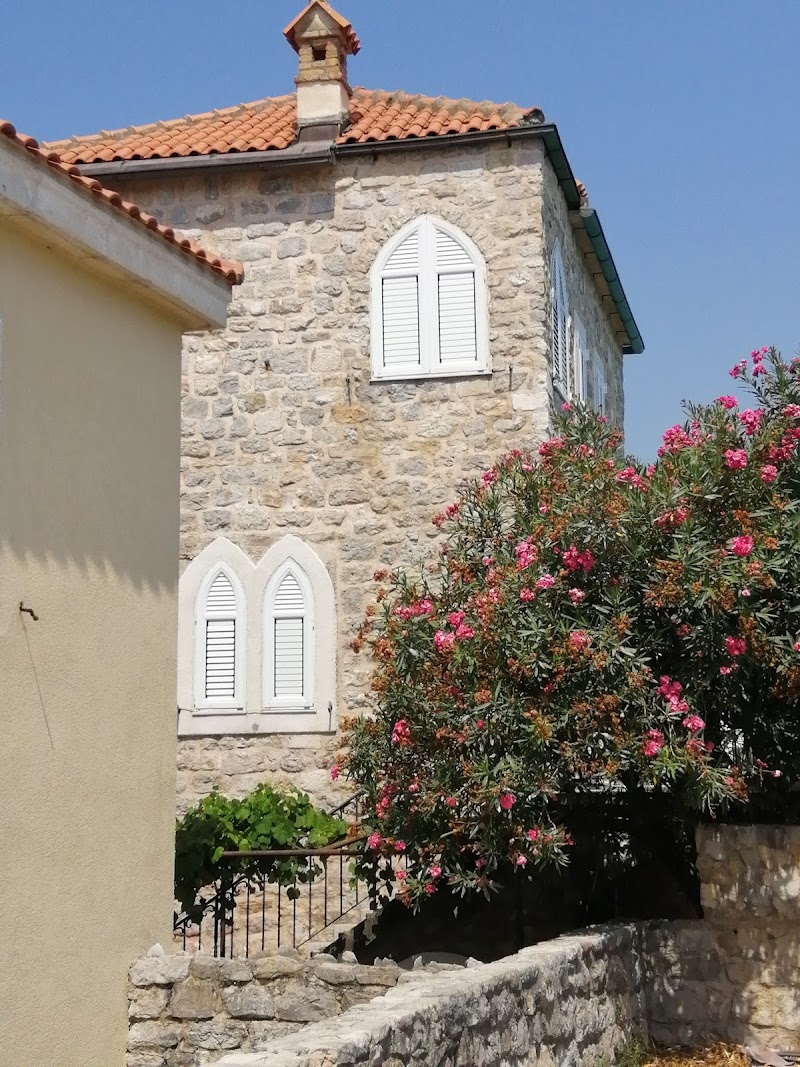
Budva Old Town Orientation Walk
Old Town · 90 minMoney-Saving Tips
- 1.Beach clubs charge €20-40 for sunbed rentals, but public beaches like Mogren offer free access with your own towel
- 2.Restaurants inside Old Town walls cost 30-50% more than identical places two blocks away
- 3.Local buses cost €1 per ride vs €15-20 for taxis covering the same distance
- 4.Grocery shopping at Voli or Idea supermarkets costs half of hotel minibar prices
- 5.Happy hour at beach bars (5-7 PM) offers cocktails for €8 instead of €15
- 6.Parking meters in the center cost €2/hour, but free spots exist 10 minutes walk from Old Town
Travel Tips
- •Download the CarGo app for reliable taxi service - local drivers often don't speak English
- •Bring water shoes for rocky beaches like Mogren - the stones can be sharp
- •Book restaurant reservations by 6 PM for same-day dining in summer
- •Old Town cobblestones get slippery when wet - pack proper shoes
- •ATMs inside Old Town charge higher fees than banks on Slovenska street
- •Beach towel rental costs €5-8 per day - bring your own from home
- •Nightclub dress codes are enforced - flip-flops won't get you into Top Hill
- •Local SIM cards from Telenor or m:tel cost €10 and work throughout Montenegro