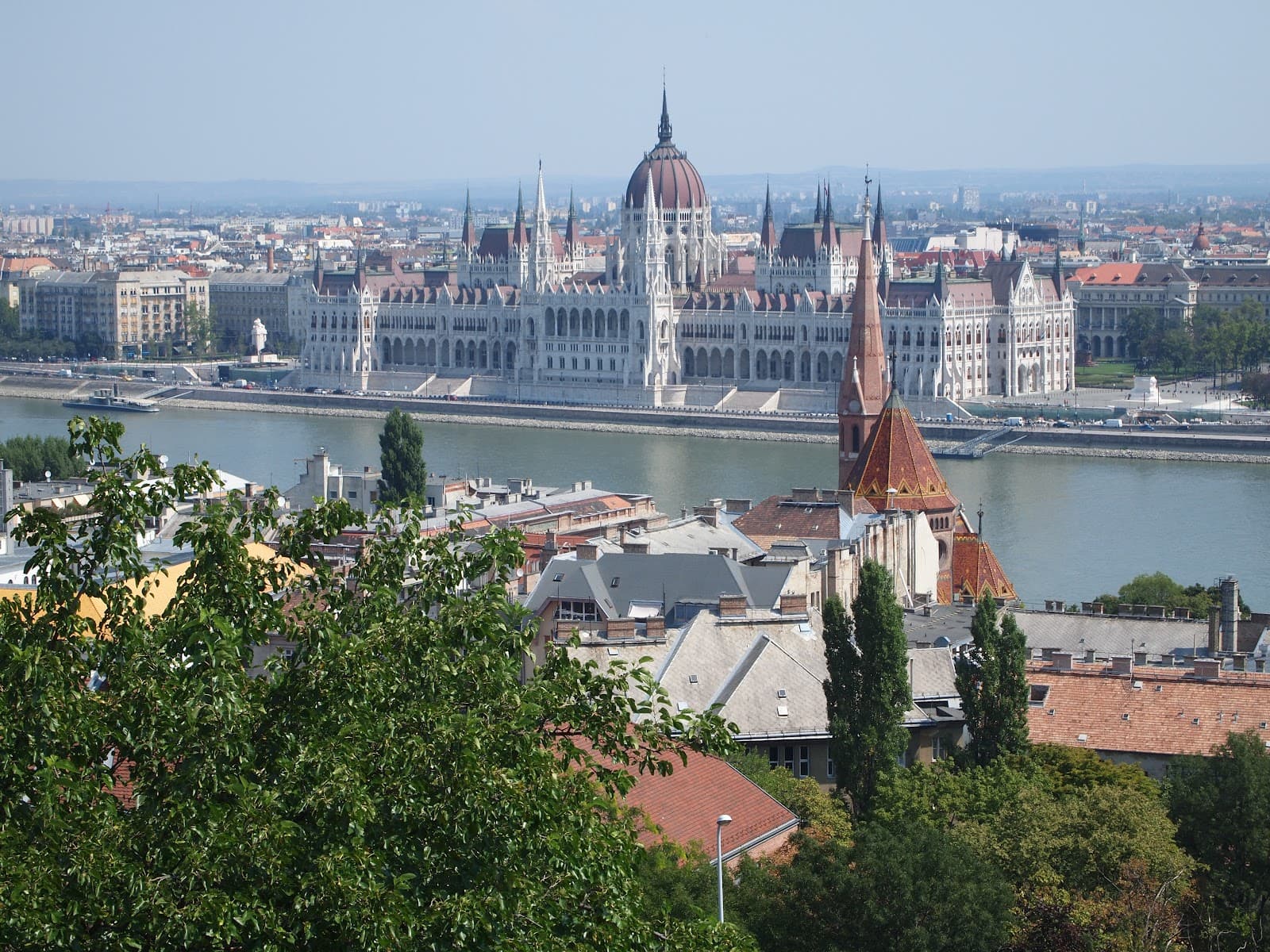
Budapest
Pearl of the Danube with thermal baths
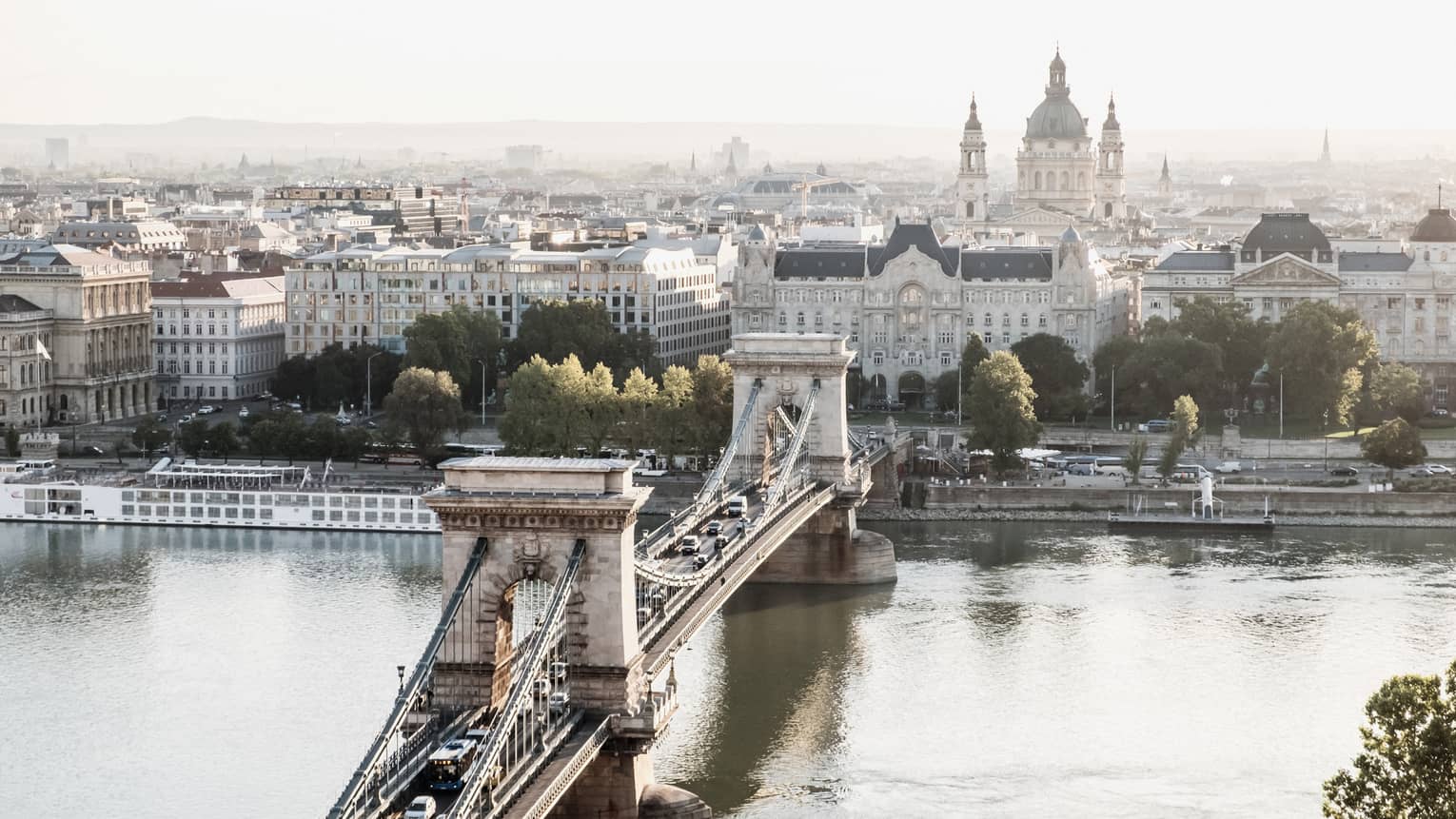
Budapest splits down the middle like a perfect first date conversation — Buda's rolling hills and royal castle on one side, Pest's grand boulevards and ruin bars on the other. The Danube River cuts between them, connecting two personalities that somehow make perfect sense together.
This isn't just another European capital with pretty buildings. Budapest runs on thermal springs that have bubbled up from deep underground for thousands of years. Romans built baths here. Ottomans added their own. Today you can soak in the same mineral-rich waters while snow falls outside, or nurse a hangover in Széchenyi's outdoor pools after a night in District VII's legendary ruin bars.
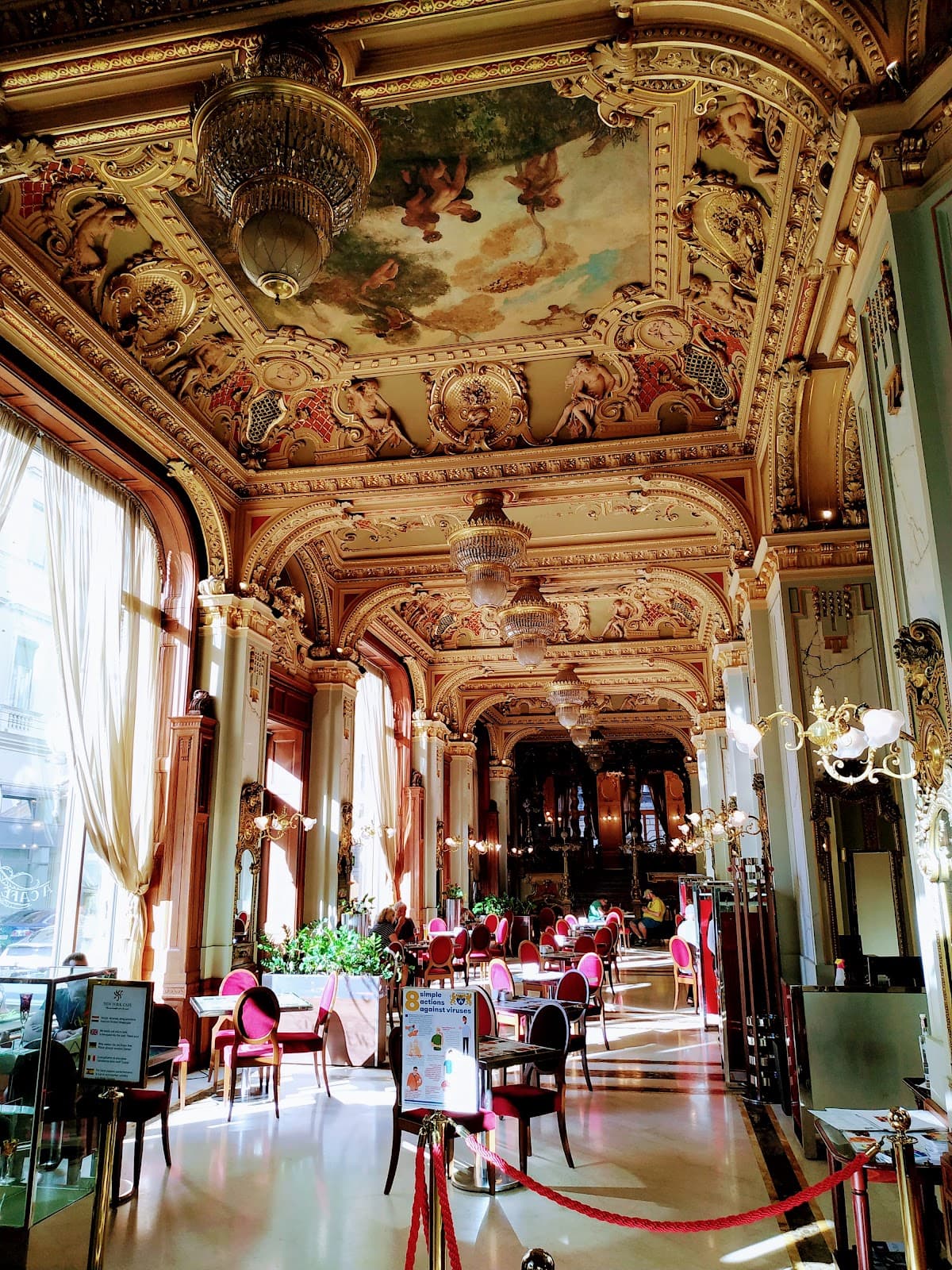
The city moves at its own pace. Mornings start slow with coffee and pastry at a traditional kávéház. Afternoons unfold in thermal baths or along the Danube promenade. Evenings heat up in converted apartments turned into bars, where fairy lights hang from crumbling walls and drinks cost less than a subway ride in most capitals.
Look, Budapest isn't trying to impress anyone. It just is what it is — beautiful, affordable, and refreshingly real in a continent full of tourist traps.
Best Months
APR – SEP
~24°C · moderate crowds
Culture & Context
EMPIRE, OCCUPATION, REVOLUTION
Budapest is split down the middle by the Danube. Buda on the west is hilly, residential, and quiet. Pest on the east is where most of the city's energy lives — the nightlife, the Jewish Quarter, most of the restaurants and museums.
Locals strongly identify as Central Europeans, not Eastern Europeans. Don't call them Eastern European — it tends to land badly. Hungary has a complicated national identity shaped by over a thousand years of empire, occupation, and revolution, and you'll feel traces of it everywhere.
The 1848 revolution against the Habsburgs still echoes in everyday customs, including the famous rule about not clinking beer glasses. As of January 2026, Airbnb short-term rentals are banned in District VI (Terézváros). Book hotels or B&Bs there instead.
Also note: Gellért Thermal Bath is closed for full renovation until approximately 2028. Go to Széchenyi, Rudas, or Lukács instead. Hungary passed a law in March 2025 restricting public events that support LGBTQ+ expression, and authorities can use facial recognition technology to enforce it.
Budapest itself has a generally more open atmosphere than the rest of Hungary, but LGBTQ+ travelers should be aware of the broader national context.
Local Customs
DON'T CLINK BEER
Don't clink beer glasses. This is a real thing. Legend says Austrian generals toasted with beer after crushing Hungary's 1848 revolution, and the grudge stuck.
A silent nod works. Wine and pálinka? Clink away and say Egészségedre..
Tipping works differently here. If you hand over cash and say köszönöm ('thank you'), the waiter takes that as 'keep the change.' Tell them the total you want to pay — tip included — before they process the transaction.
Ten percent is standard in restaurants.. Validate your transport ticket before boarding, every single time. Plain-clothes inspectors check regularly and the fine is up to 16,000 HUF.
No excuses accepted for being confused.. Thermal bath rules are enforced by surprisingly fierce locker room attendants. Shower before entering any bath.
Swim caps are mandatory in lap pools, even if you're bald. Swimwear is required in public areas — no nudity.. Keep your voice down on public transport.
Hungarians treat the metro and trams as quiet spaces. Speakerphone calls will earn you icy stares from every direction.. Gulyás is a soup, not the thick stew you might be imagining.
If you want the hearty meat-and-paprika dish, order pörkölt. Getting these mixed up in front of a local is a reliable way to cause a gentle but firm correction.. Stand right, walk left on escalators.
Budapest takes this seriously. Block the left lane and you'll know about it immediately.. Remove your shoes when visiting someone's home.
Bring flowers in odd numbers if invited to dinner — even numbers are for funerals. And if someone offers you pálinka, accept it gracefully even if you just sip.
Safety
WATCH YOUR BELONGINGS
Budapest is genuinely safe by European standards. Violent crime is rare. The real concerns are pickpockets and tourist-targeted scams, both of which are easily avoided with basic awareness.
Watch your belongings on crowded trams (especially the 4/6 line), at Keleti Station, and in the Jewish Quarter on busy nights. The 'friendly girl' scam is the most financially dangerous: someone approaches you on Váci Street or near the Jewish Quarter, suggests a bar, and leads you to a venue with unmarked prices and a bill that balloons to hundreds of euros enforced by security. Never follow strangers to bars.
Choose your own venues, check Google Maps reviews, and stick to well-rated ruin bars like Szimpla Kert. For taxis, use Bolt or the official Főtaxi booth at the airport — never hail from the street, especially near tourist hotspots or Keleti Station. Currency exchange on Váci Street and around Vörösmarty Square uses predatory rates despite 'no commission' signs — use bank ATMs or a Wise/Revolut card instead.
Avoid Euronet ATMs entirely. Hungarian law requires carrying valid ID at all times. Inspectors can ask for identification in crowded areas.
LGBTQ+ travelers: Budapest has a generally open atmosphere and gay bars and clubs operate openly, but a 2025 law restricts public events supporting LGBTQ+ expression and allows facial recognition enforcement. Public displays of affection may attract unwanted attention outside the capital. Emergency number is 112.
Tourist Police: +36 1 438 8080.
Useful Phrases
Explore Destinations
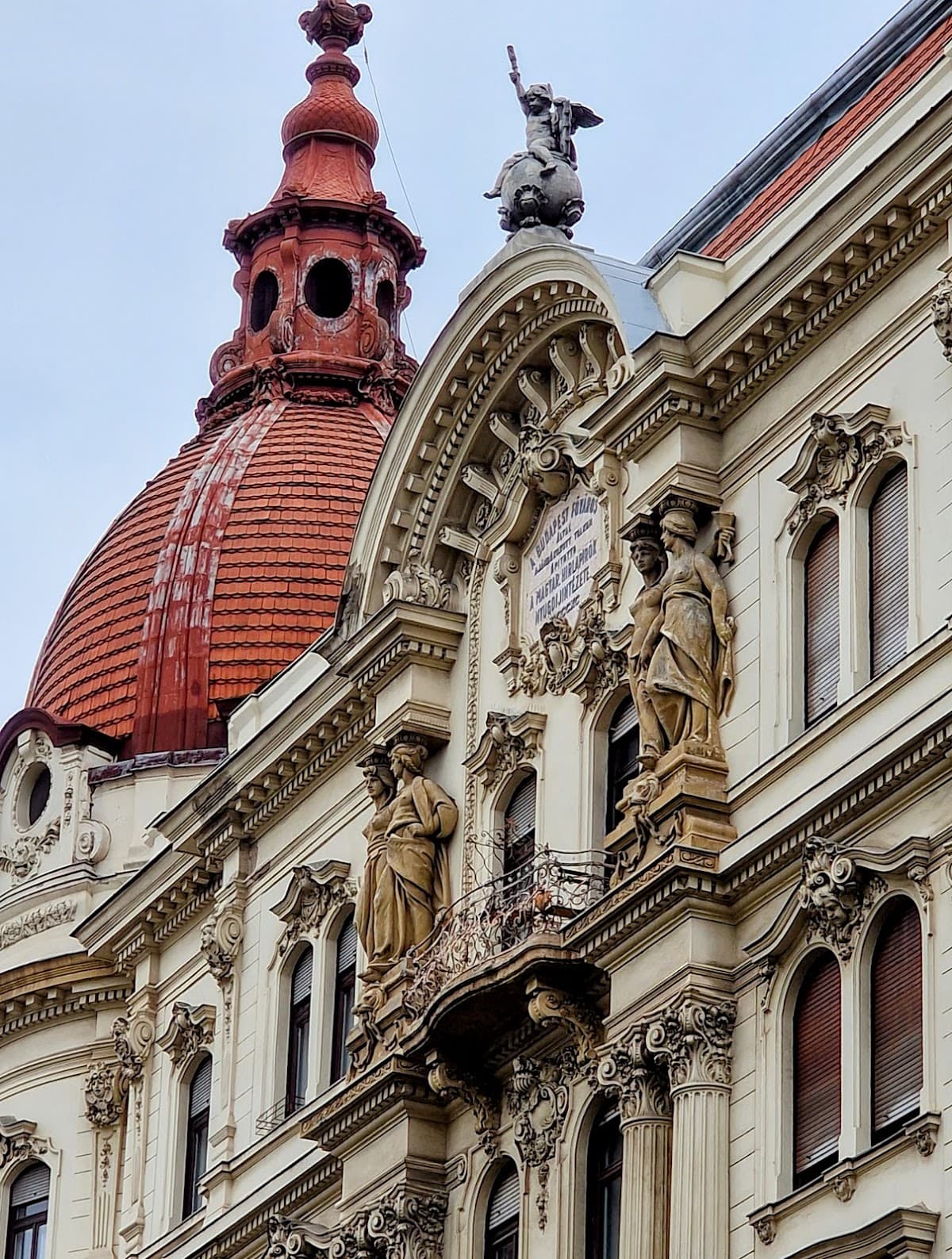
Explore the Region
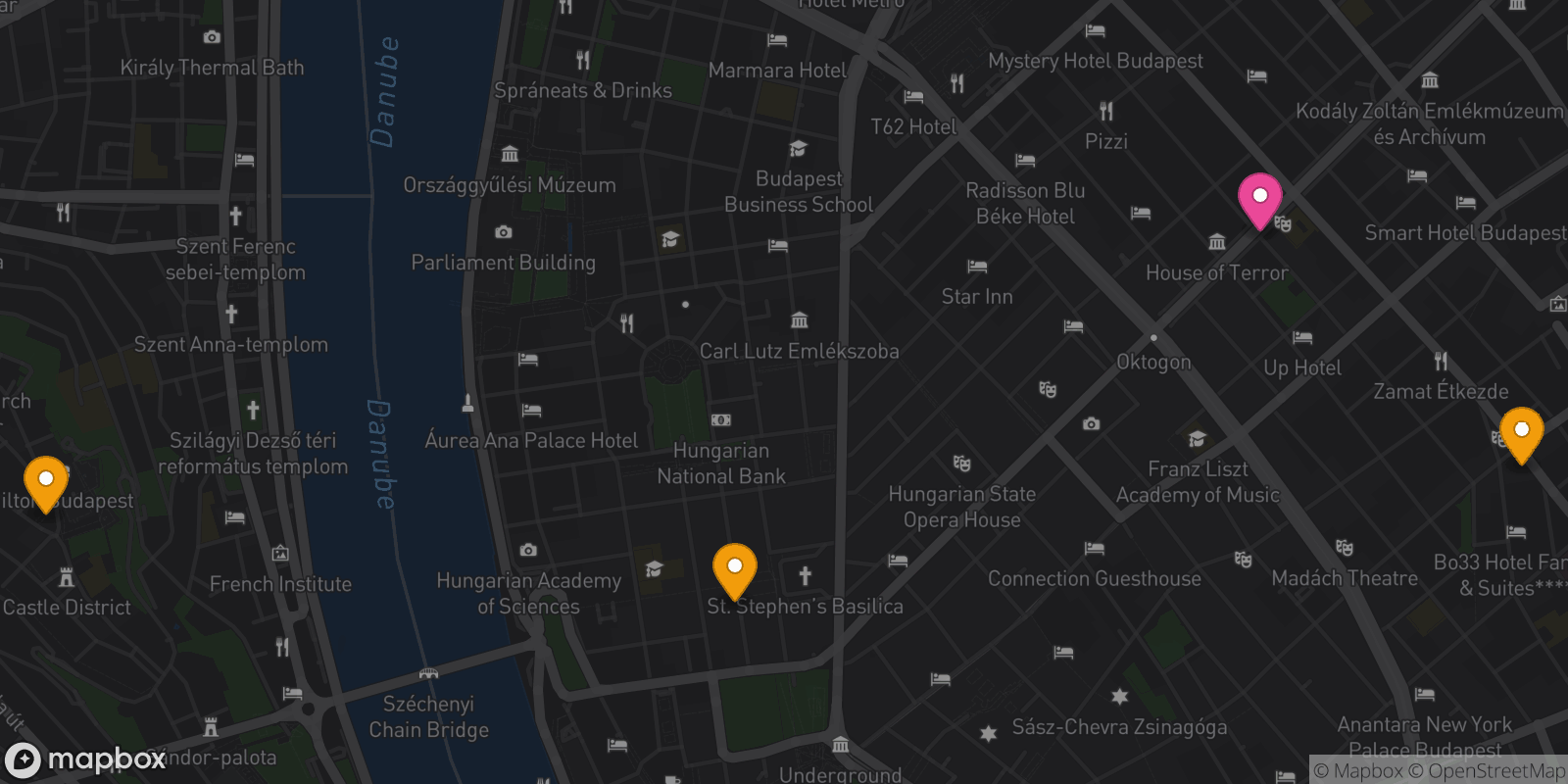
Budapest Itineraries
View all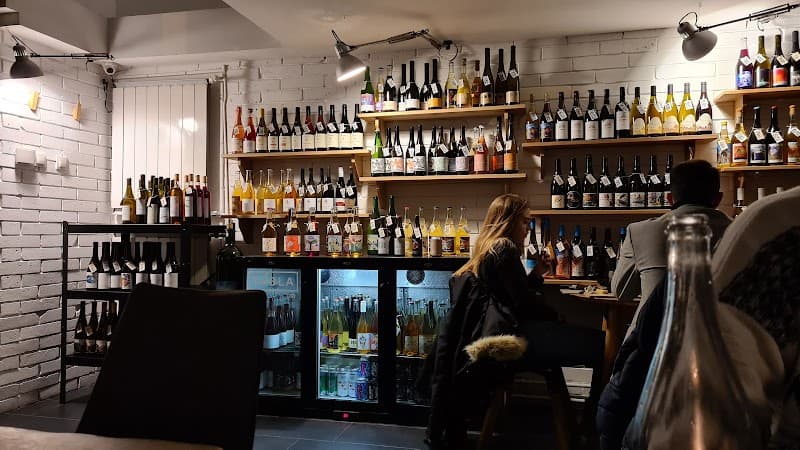
Ultra-Lux Budapest: Hills, Baths, and Hidden Courtyards
Weekend · $$$$$
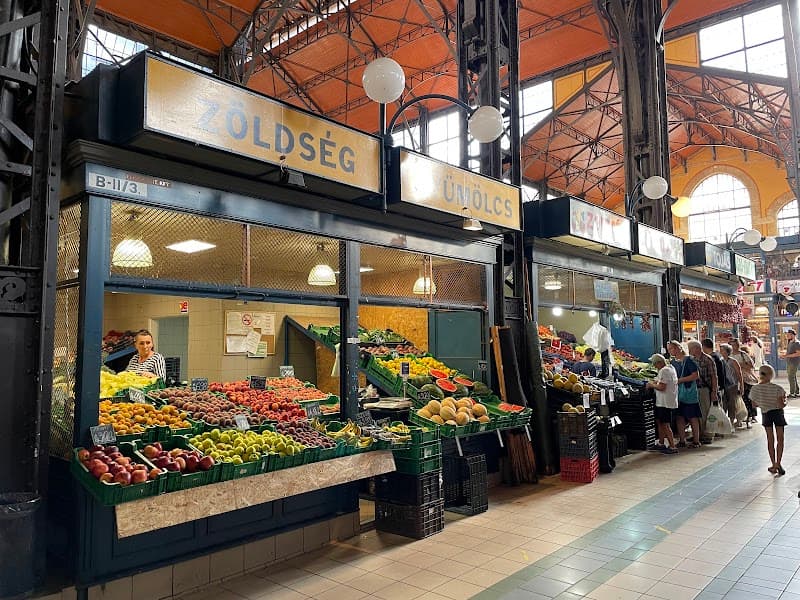
Slow-Cycle Budapest: Markets, Baths, Views, and Music
Weekend · $$$
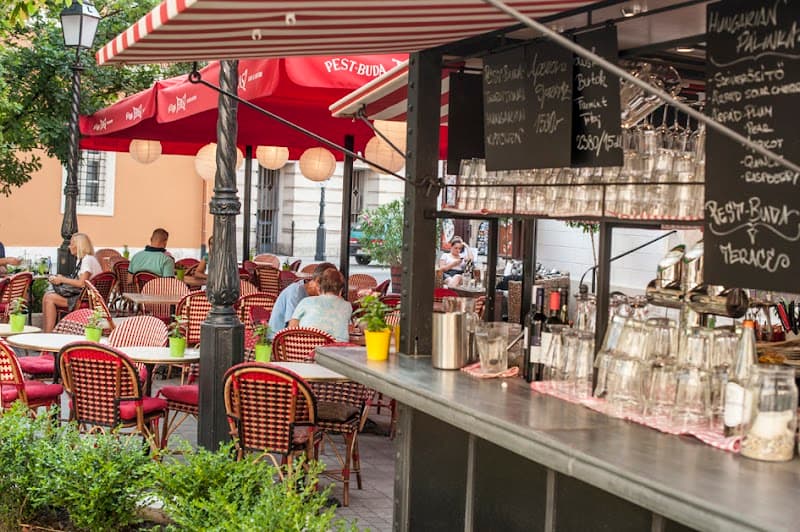
Minimalist Relaxation Day on Margaret Island
Weekend · $$$

Adventurous Budapest: Hikes, Markets & Nightlife Bliss
Weekend · $$$

Budapest Bliss: Minimalist Culture & Cuisine
Weekend · $$$

Romantic Budapest: 7 Days of Timeless Charm
Week · $$$$
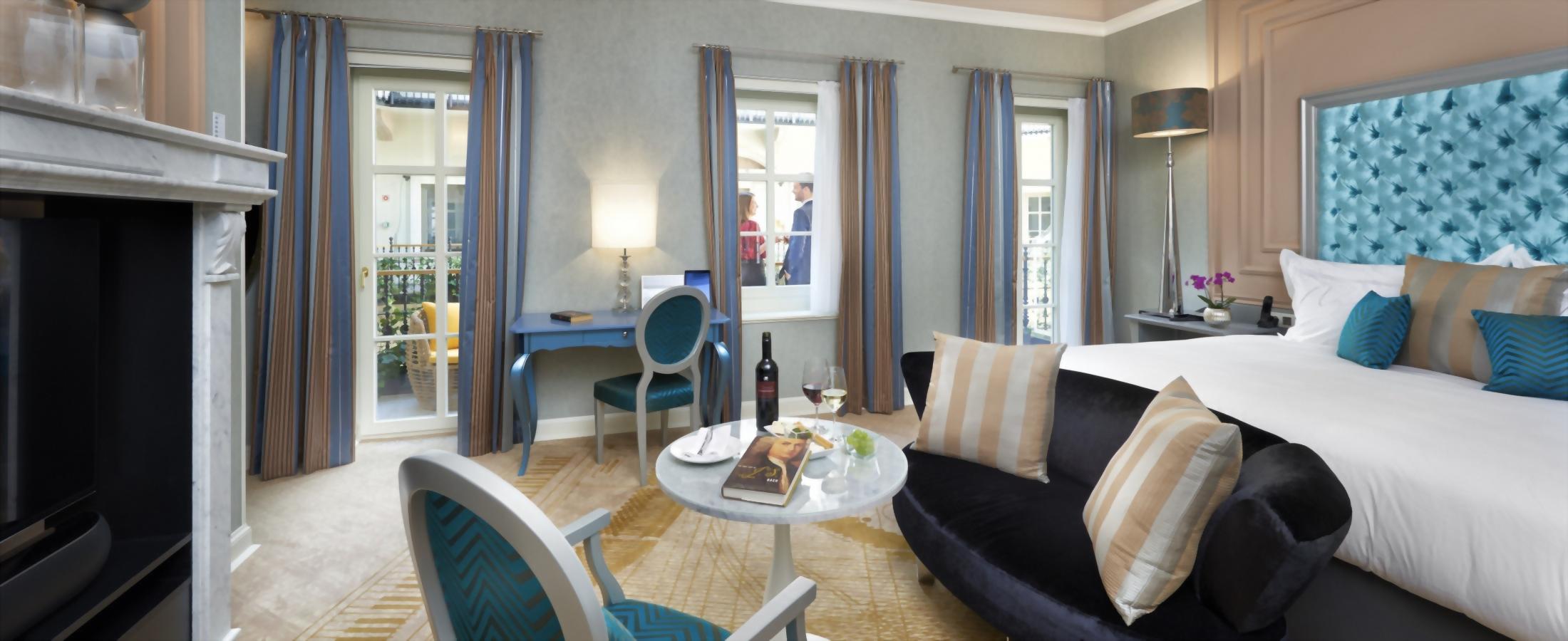
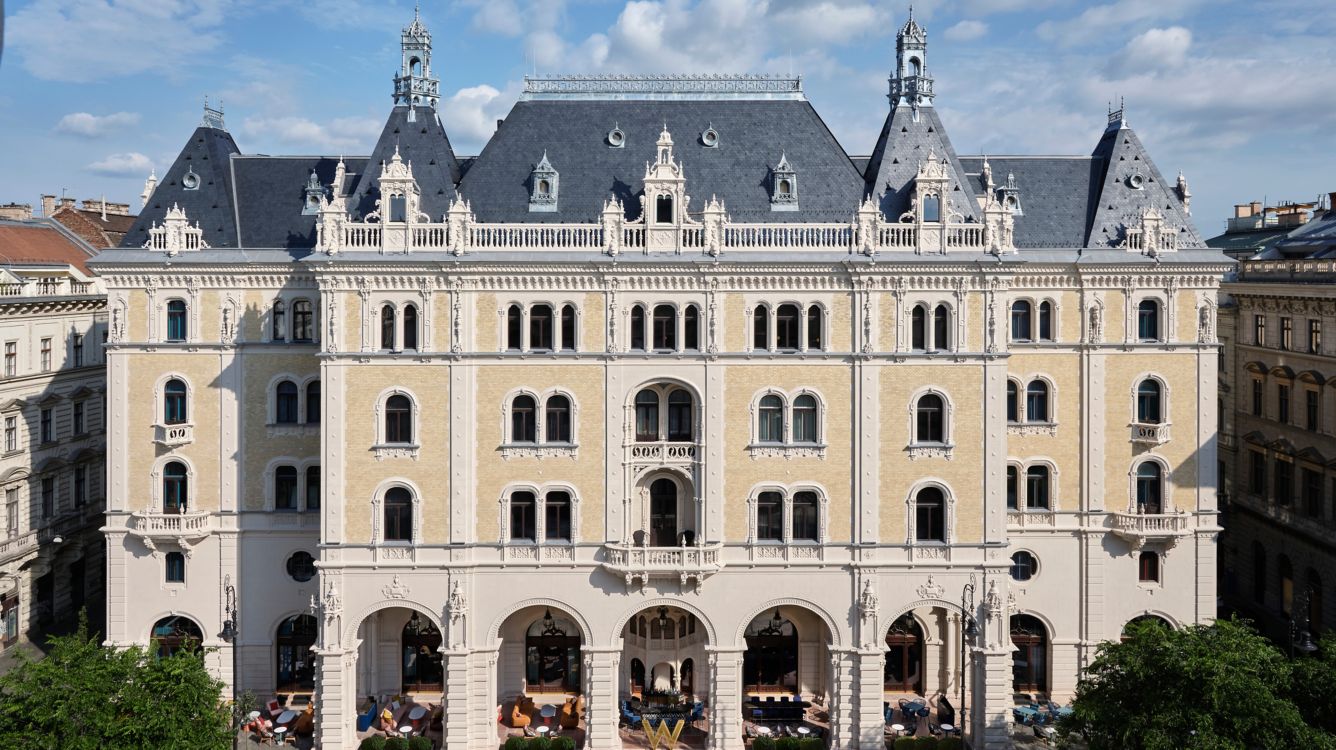
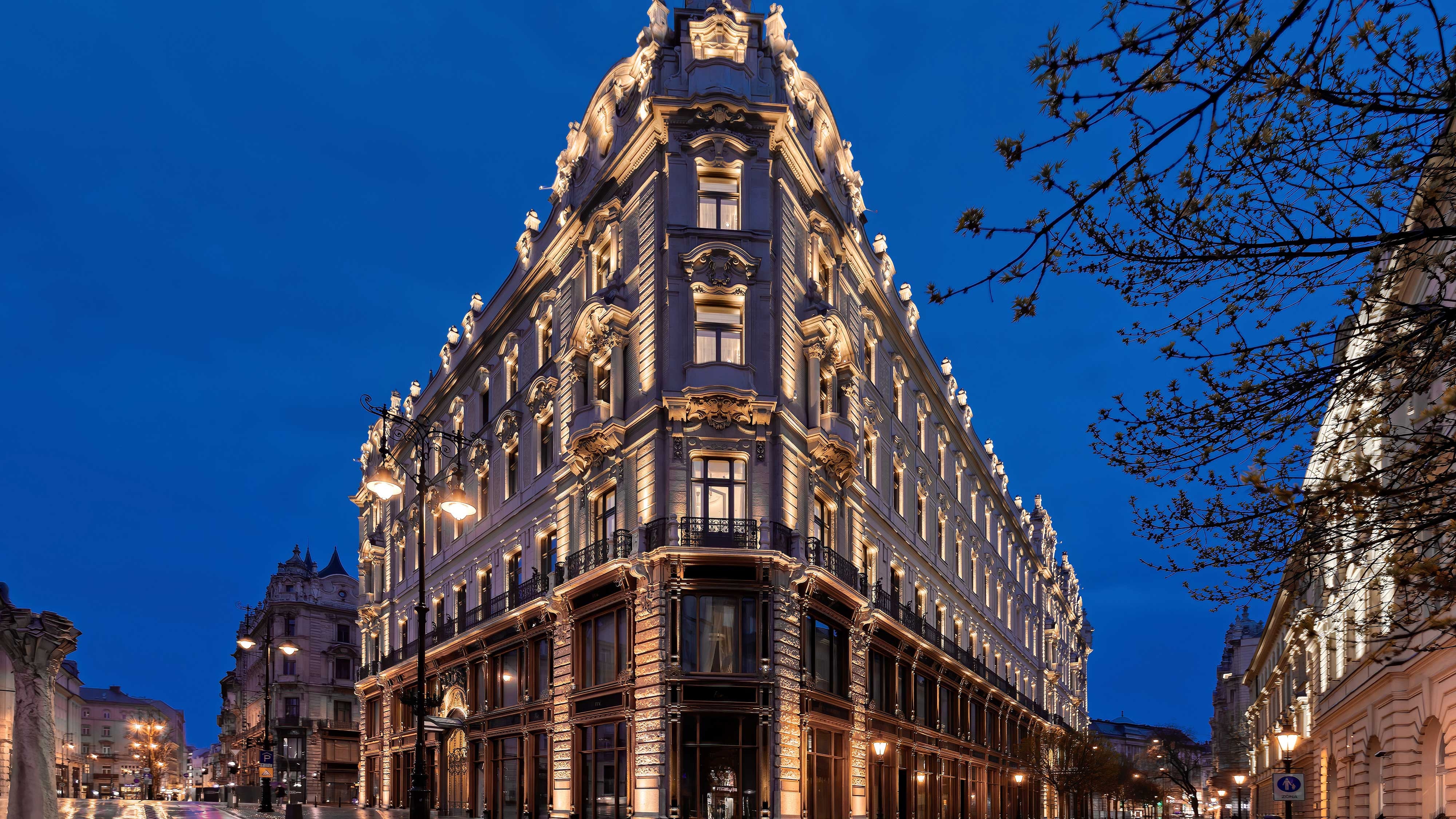
Where to Stay in Budapest
9 recommended properties
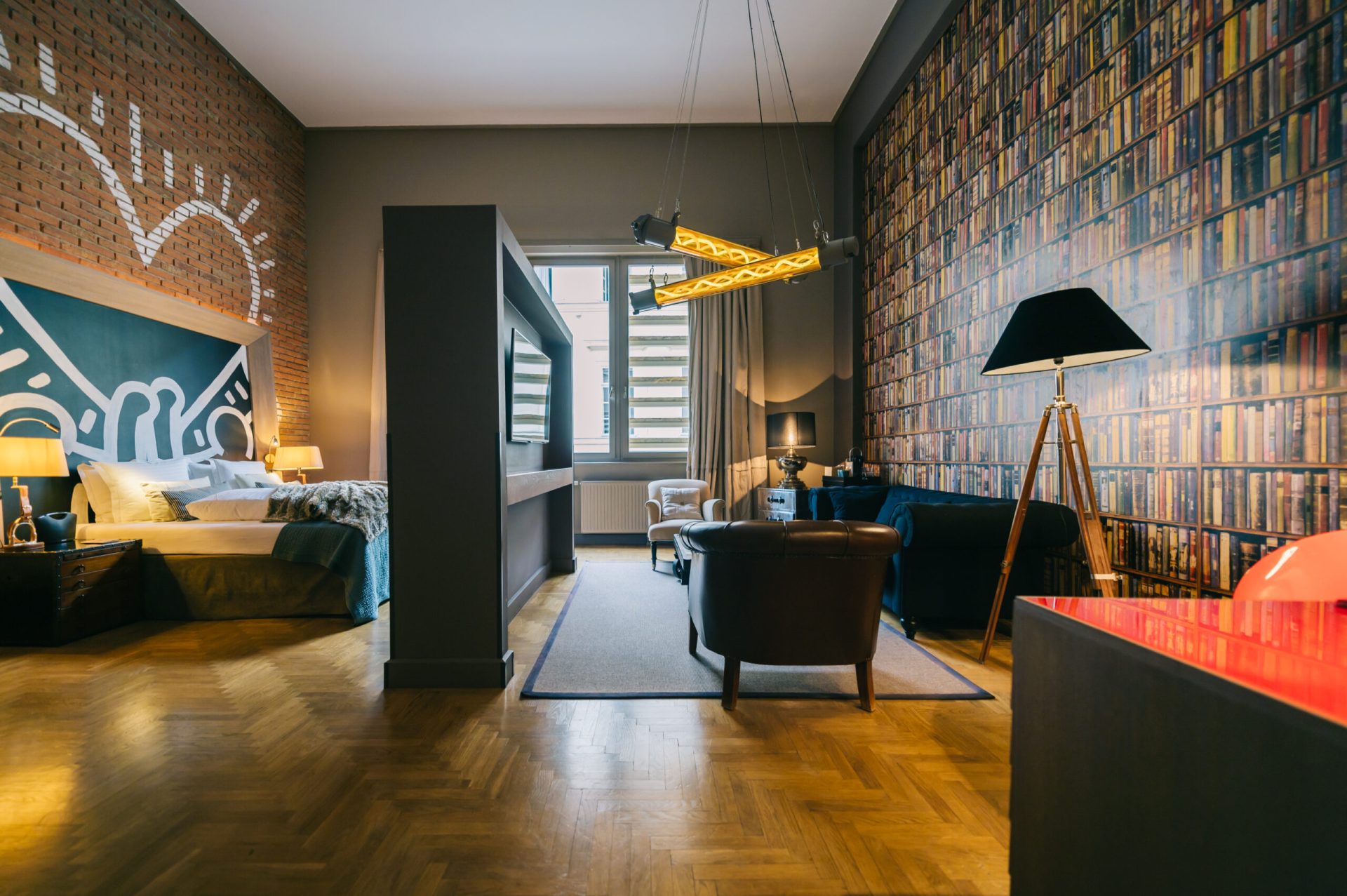
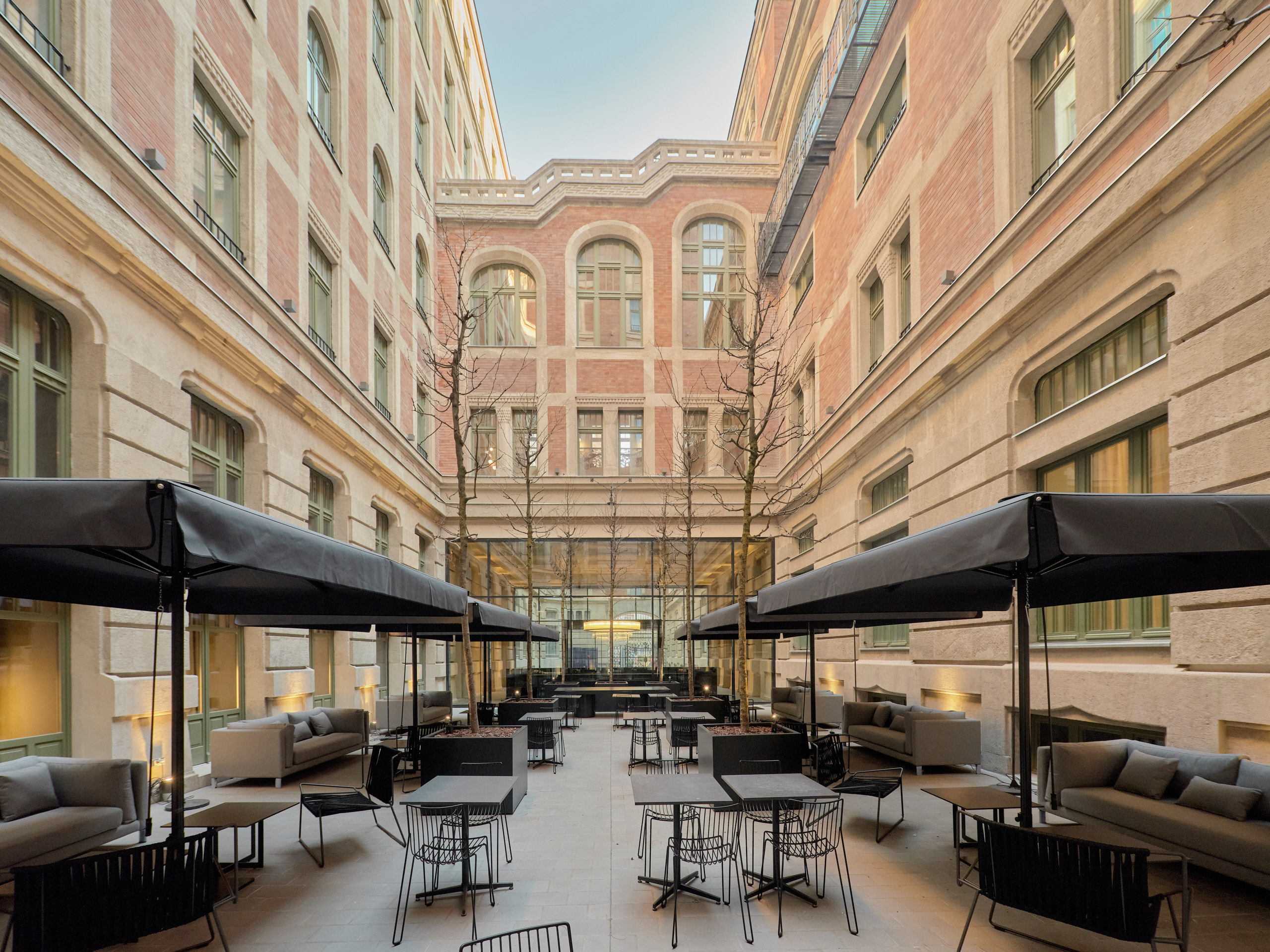
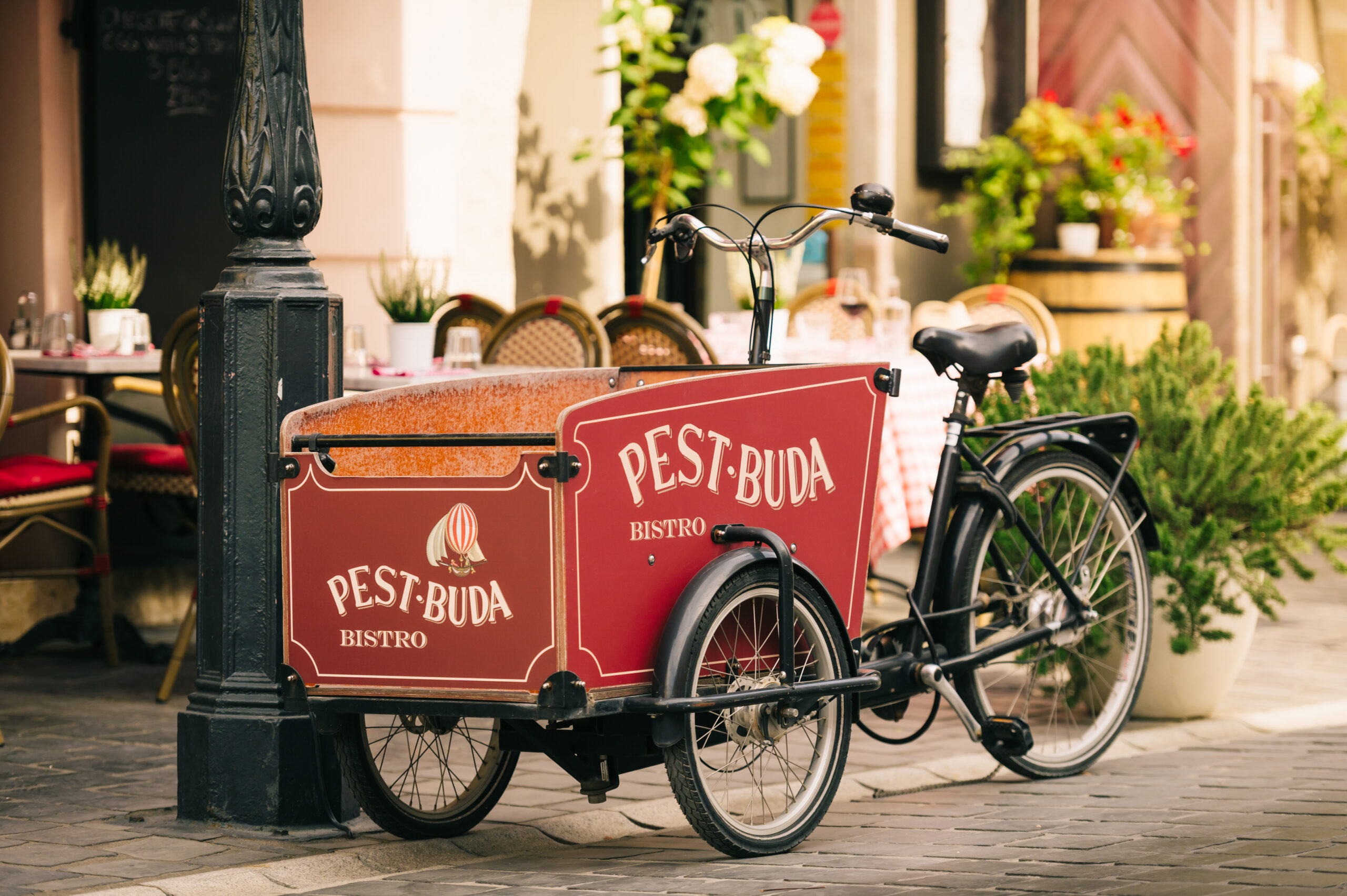
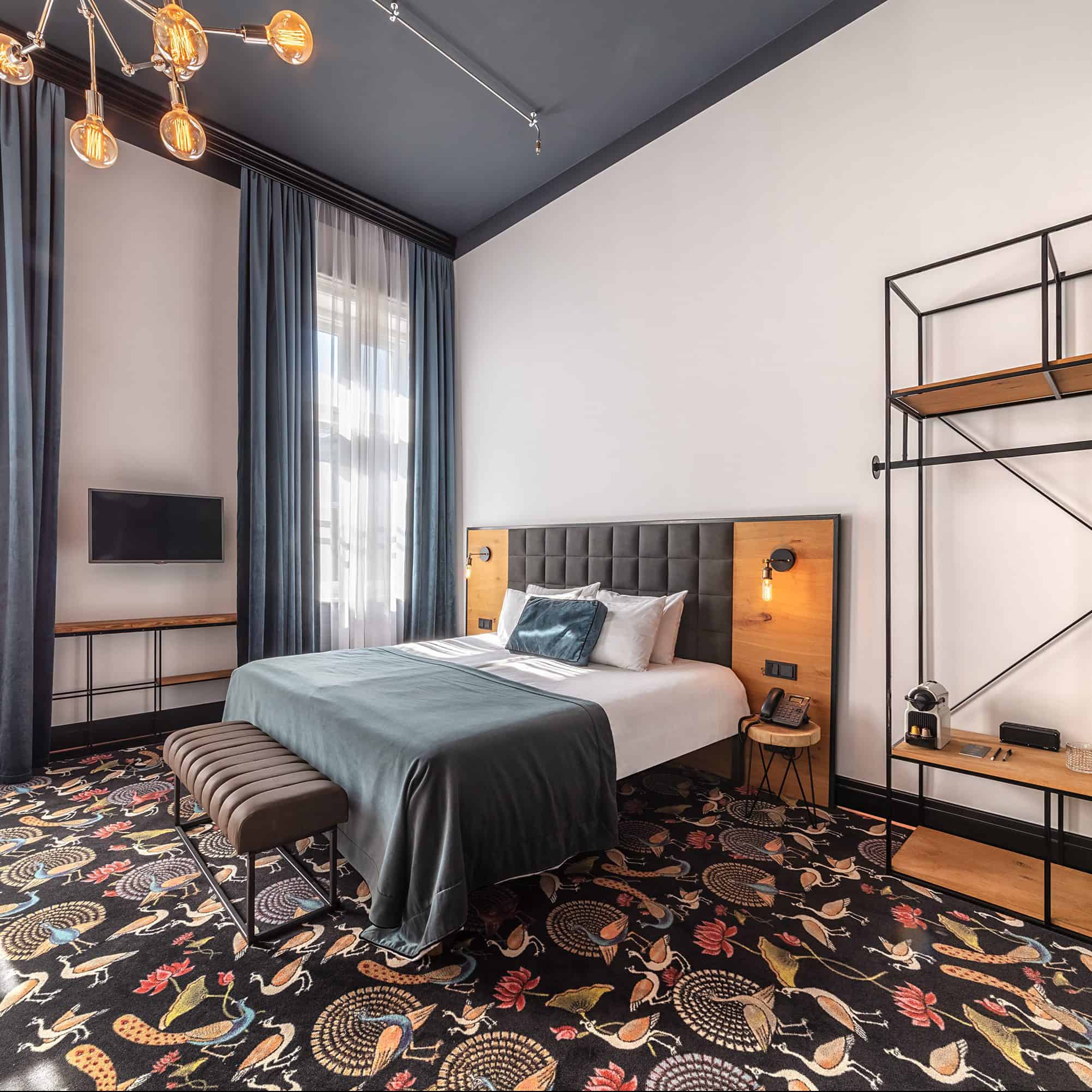
Things to Do in Budapest
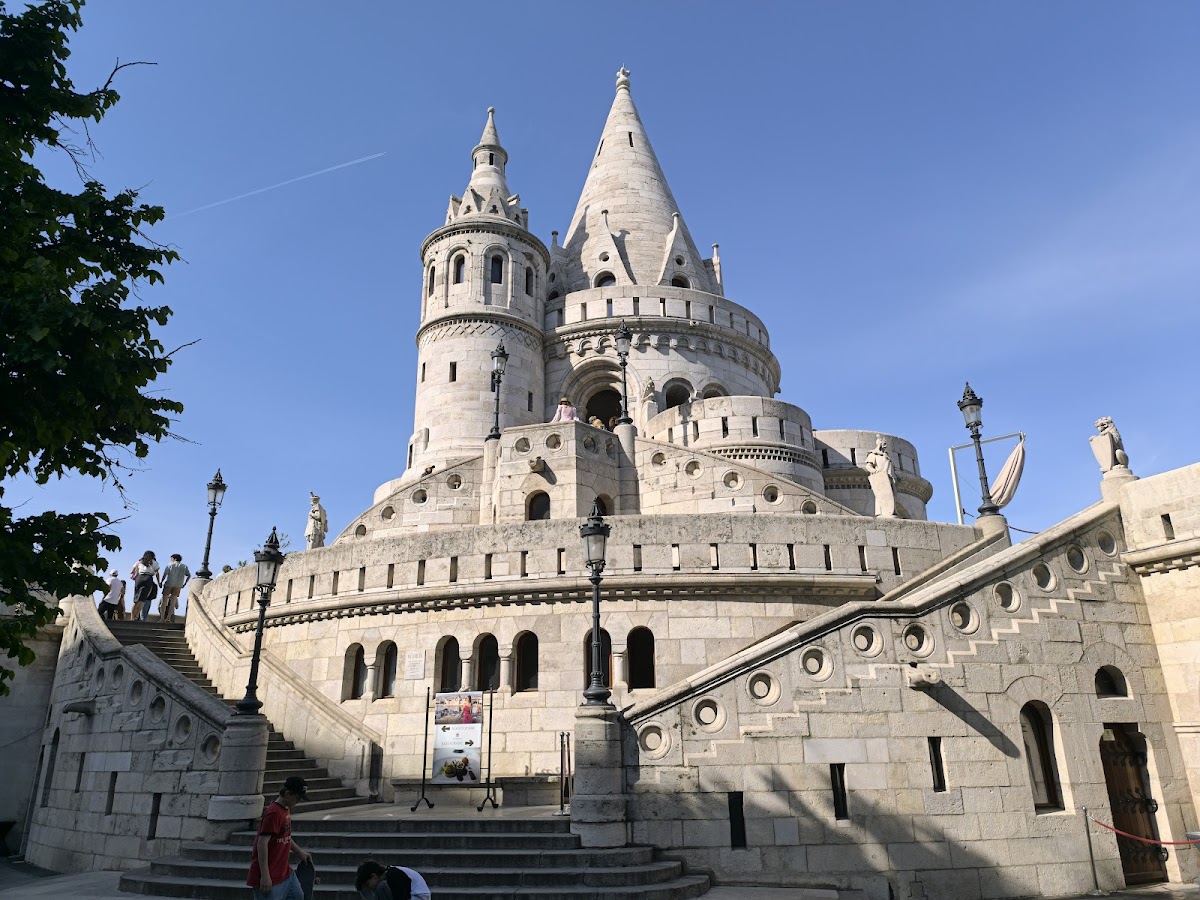
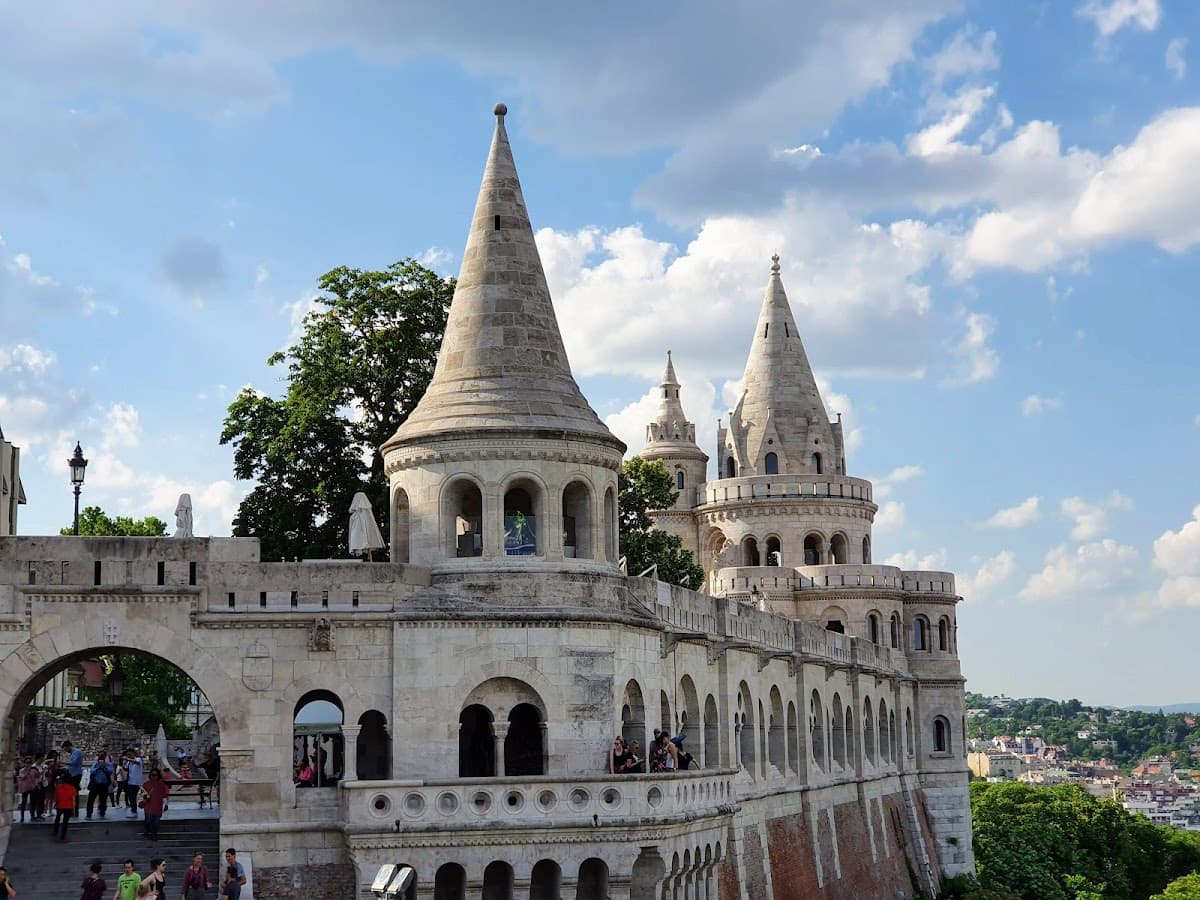
Fisherman's Bastion & Matthias Church
District I, Castle Hill, Buda · 90 min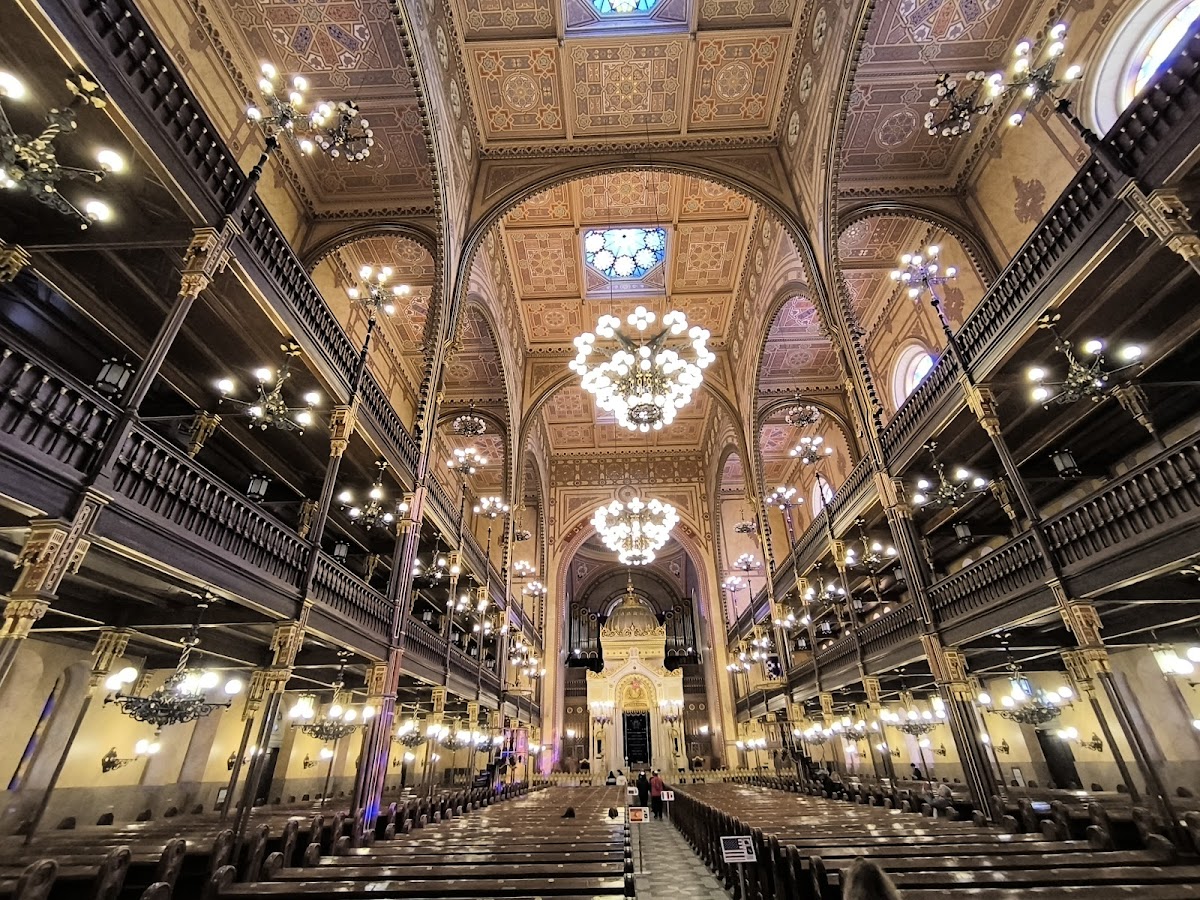
Dohány Street Synagogue & Jewish Quarter Walk
District VII, Jewish Quarter · 150 min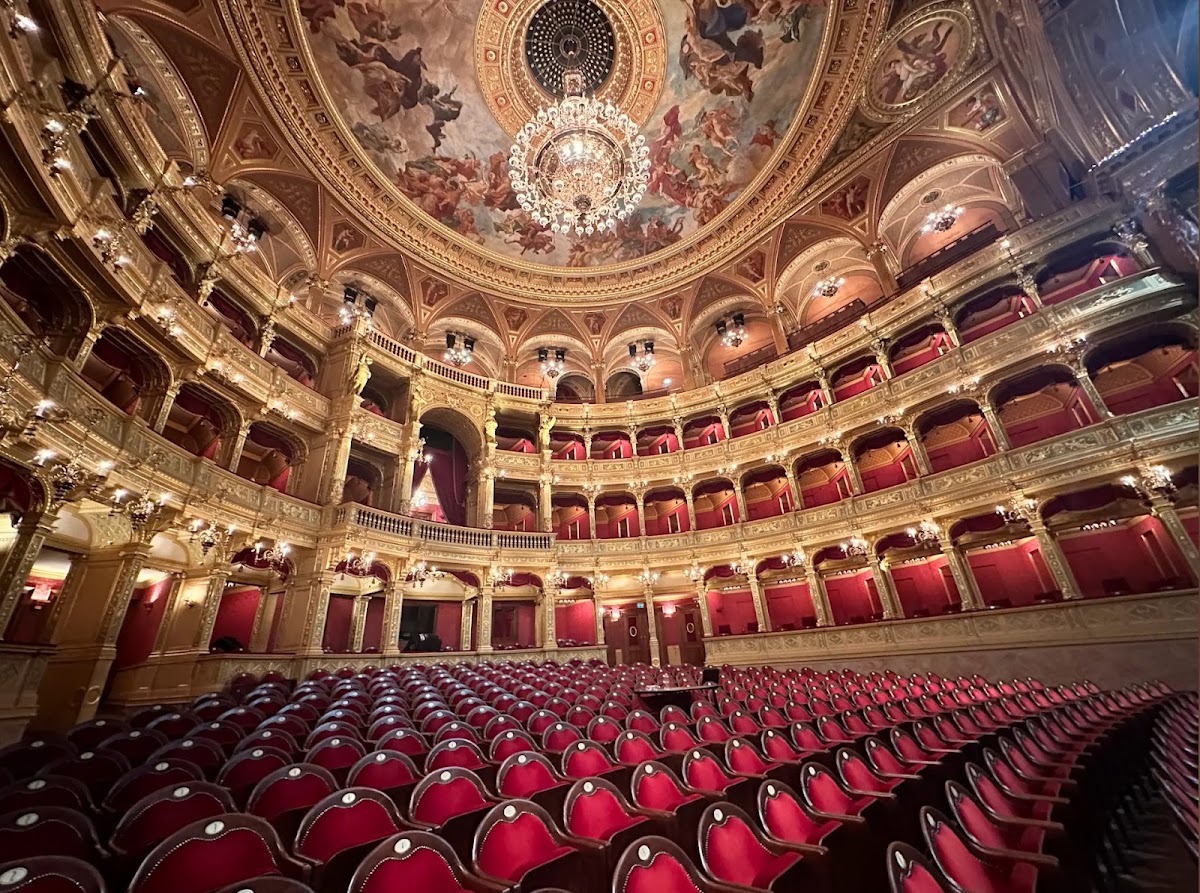
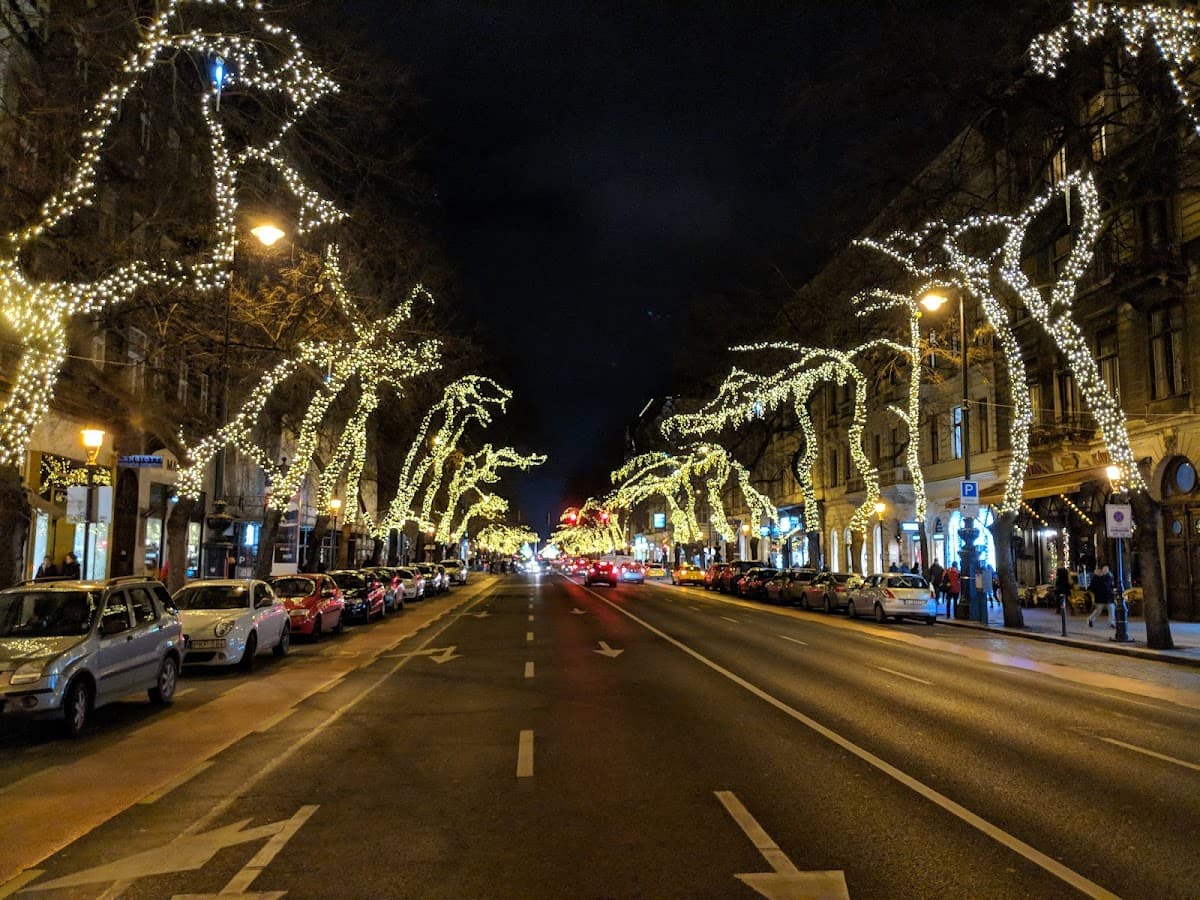
Andrássy Avenue & Hungarian State Opera House
District VI, Andrássy · 150 minMoney-Saving Tips
- 1.Buy a 72-hour Budapest travel card for 4,950 HUF if staying more than 2 days — it covers all public transport and some museum discounts
- 2.Eat lunch at the Great Market Hall upstairs food court — lángos costs 800 HUF vs 2,000 HUF at tourist restaurants
- 3.Happy hour at ruin bars runs 4-7pm with beers for 600 HUF instead of 1,000 HUF later
- 4.Thermal bath day tickets cost 6,200 HUF at Széchenyi but only 4,900 HUF after 6pm on weekdays
- 5.Many museums offer free admission on Hungarian national holidays — check dates before your trip
- 6.Street food from market vendors costs half the price of restaurant meals with similar quality
Travel Tips
- •Download the BudapestGO app for real-time public transport schedules and mobile tickets
- •Learn basic Hungarian greetings — locals appreciate the effort even if you butcher the pronunciation
- •Bring flip-flops or water shoes for thermal baths — the pool decks get hot and slippery
- •Book thermal bath visits for weekday mornings to avoid crowds and get better photos
- •Exchange money at banks or official exchange offices — avoid currency exchange booths near tourist sites
- •Restaurant service can be slow by American standards — it's not rude, just a different pace of life