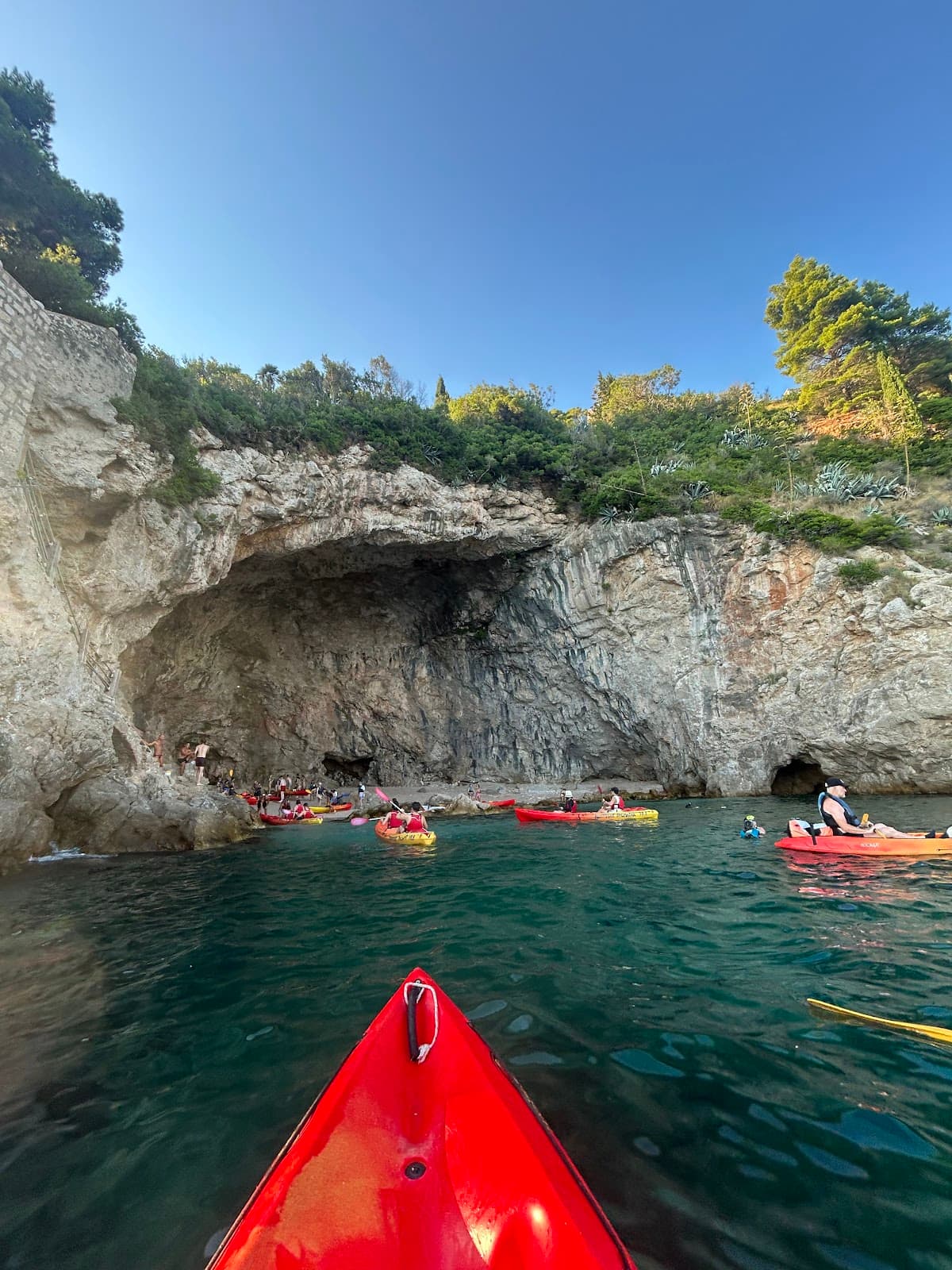
Dubrovnik
Pearl of the Adriatic with stunning medieval walls
Game of Thrones put Dubrovnik back on everyone's radar, but this Croatian coastal city was stunning centuries before King's Landing needed a backdrop. The medieval walls that circle the Old Town aren't just Instagram-worthy — they're a living piece of history where you can walk the same stones that merchants and nobles did 600 years ago.
But here's what the tour groups miss: Dubrovnik works best when you escape the crowds. Duck into a konoba tucked behind Stradun for black risotto that costs €18 instead of €35. Take the cable car up Mount Srđ at sunset when the day-trippers have left. Book that boutique hotel in Lapad where locals actually live.
The Adriatic here glows like liquid sapphire, and the limestone buildings turn golden at magic hour. Yes, it gets busy in summer — sometimes uncomfortably so. And yes, it's pricier than the rest of Croatia. But walk those walls at sunrise, sip wine on a terrace overlooking red rooftops, and you'll understand why Lord Byron called this place "the pearl of the Adriatic."
Best Months
APR · MAY · JUN · SEP · OCT
~24°C · moderate crowds
Culture & Context
INDEPENDENT SPIRIT, COFFEE RITUAL
Dubrovnik was an independent city-republic for centuries, which gives locals a fiercely independent streak that's still palpable today. The 1991-1992 shelling during Croatia's Homeland War left deep marks on the city and its people. It's not a topic to blunder into casually.
If it comes up, be respectful and follow the local's lead. Coffee here is a social ritual, not a caffeine delivery system. If someone invites you for kava, you sit, you stay, you don't take it to go.
Locals dress stylishly even for casual outings. And the Croatian thing about fish pricing — always confirm the price per kilogram before ordering whole fish at any seafood restaurant. It's required by law that every customer receives a printed receipt.
If a server skips this, you can ask. Croatian tax authorities actually require the server to ask whether you're paying cash or card before printing the bill, so don't be thrown off by that question.
Local Customs
COFFEE IS SACRED
Coffee is a social event here, not a quick stop. Locals linger for an hour or more. Never take coffee to go — it's considered slightly rude and very touristy..
Tipping is not mandatory, but around 10% is appreciated at restaurants. In bars, rounding up the bill is the local norm. Always tip in cash — adding it to a card bill isn't standard practice, and Croatian tax law requires the cash/card distinction to be declared before the bill is printed..
Dress code in the Old Town: wearing swimwear or going shirtless on Stradun or in churches can result in actual fines. Pack a light cover-up if you're going between beach and town.. When entering a church, cover shoulders and remove hats.
The War Photo Ltd gallery and Homeland War museums are genuinely moving — approach them quietly and respectfully.. Handshakes are the default greeting with strangers and in formal settings. Kisses on both cheeks are for close friends and family only..
The 'jugo' wind (a warm southern wind) is an accepted cultural excuse for bad moods, fatigue, or cancelled plans. If a local blames the jugo, nod and sympathize.. Saturday Winter Mornings: free English-language walking tours depart from the tourist office by Pile Gate every Saturday at 9:30am (until late March 2026), with a folklore performance at 11:30am.
A genuinely good deal.. Buy bus tickets at Tisak kiosks before boarding — you save about €0.77 per trip versus paying the driver..
Tap water from Dubrovnik's fountains (including the large Onofrio's Fountain near Pile Gate) is completely safe to drink. There's no reason to pay €3-4 for bottled water.
Safety
VERY SAFE, WATCH PICKPOCKETS
Dubrovnik is genuinely one of the safest cities in Europe. The US State Department rates Croatia Level 1 (exercise normal precautions), and violent crime against tourists is extremely rare. That said, the Old Town during peak summer is a pickpocket's playground. The Stradun, Pile Gate, the city walls entrance queue, the cable car line, and crowded buses are the main spots to watch. Use a cross-body bag. Men should never keep wallets in back pockets. Never leave bags on chair backs or belongings on the beach while swimming.
Avoid unlicensed taxis, particularly near the ferry terminal. Use Uber, Bolt, or agree on a fare before getting in any unmarked cab. The airport-to-city shuttle is the safest and cheapest transfer option at ~€10.
The slippery limestone streets are a genuine physical hazard — the stone polishes smooth over centuries and becomes genuinely dangerous when wet. Avoid flip-flops or smooth-soled shoes, especially on the walls or steep side streets.
In July and August, the stone walls trap heat and temperatures can push past 35°C. Carry water. The Onofrio Fountain near Pile Gate provides free, safe drinking water.
The Tourist Police near Pile Gate (+385 20 443 777) are English-speaking and specifically handle tourist issues. General emergency number: 112. Ambulance: 194. Police: 192.
Getting Around
WALKABLE OLD TOWN
No trains serve Dubrovnik. Getting here means flying into Dubrovnik Airport (DBV), 18km from the city, or arriving by long-distance bus or ferry into Gruž port. The airport shuttle (Atlas bus) meets incoming flights and runs to Pile Gate for ~€10 one way. A taxi or Bolt from the airport runs €35-45 — fine if you're in a group.
Inside the city, the Libertas bus system covers everything. Buy tickets at Tisak kiosks for €1.73 (not €1.99 from the driver). The 24-hour pass costs ~€5.31 and is worth it on a full day of neighbourhood-hopping. Buses 4, 5, 6, and 7 all connect Lapad and Babin Kuk to Pile Gate. The Old Town itself is pedestrian-only — no cars, no bikes, no exceptions.
Driving to Dubrovnik from elsewhere in Croatia is a long slog through mountains. Also note: the road from Split to Dubrovnik crosses briefly into Bosnia and Herzegovina (the Neum corridor), though a new bridge (Pelješac Bridge, opened 2022) now bypasses that crossing.
Ferries from Gruž port run to Lokrum (every 30 minutes in high season, ~€27 return), and seasonal routes connect to Hvar, Korčula, and Bari, Italy. Jadrolinija operates the overnight Bari ferry (mid-April through October).
Useful Phrases
Dubrovnik Itineraries
View all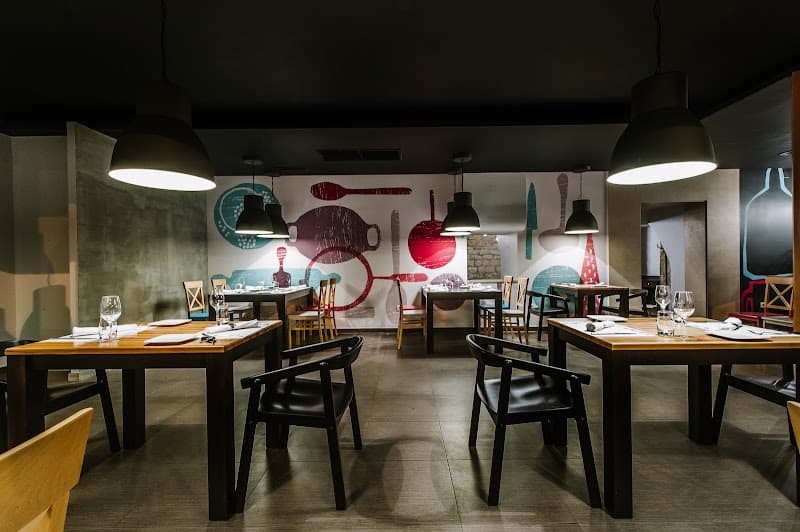
Dubrovnik in Seven Days: Beaches, Walls, Wine, and Easygoing Flavors
Week · $$
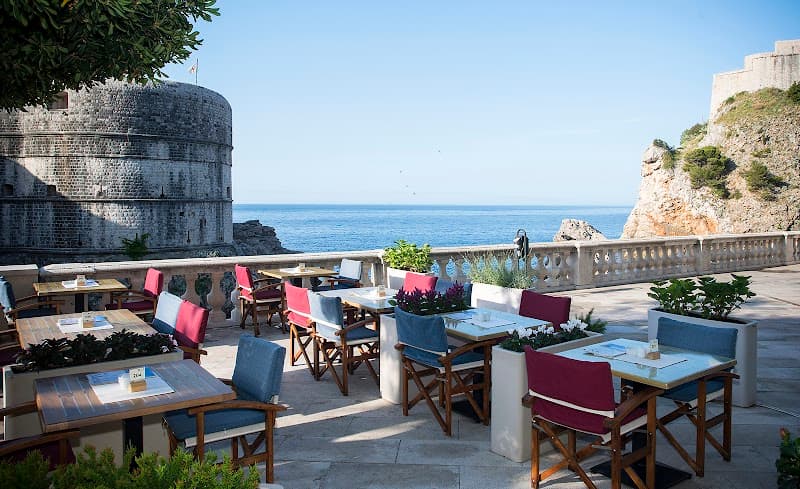
Dubrovnik Adventure & Adriatic Evenings: Days 2–5
Weekend · $$
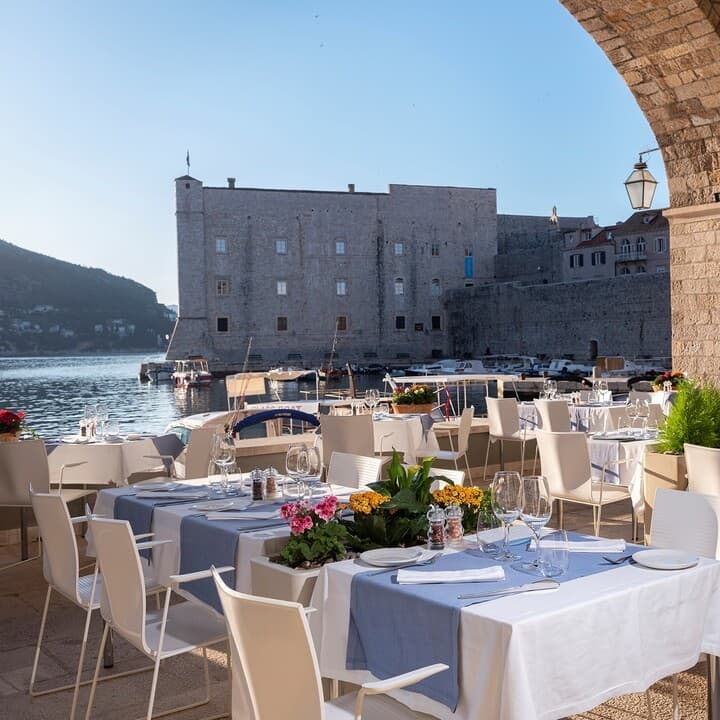
7 Days in Dubrovnik: Family Beaches, History & Island Adventures
Weekend · $$$
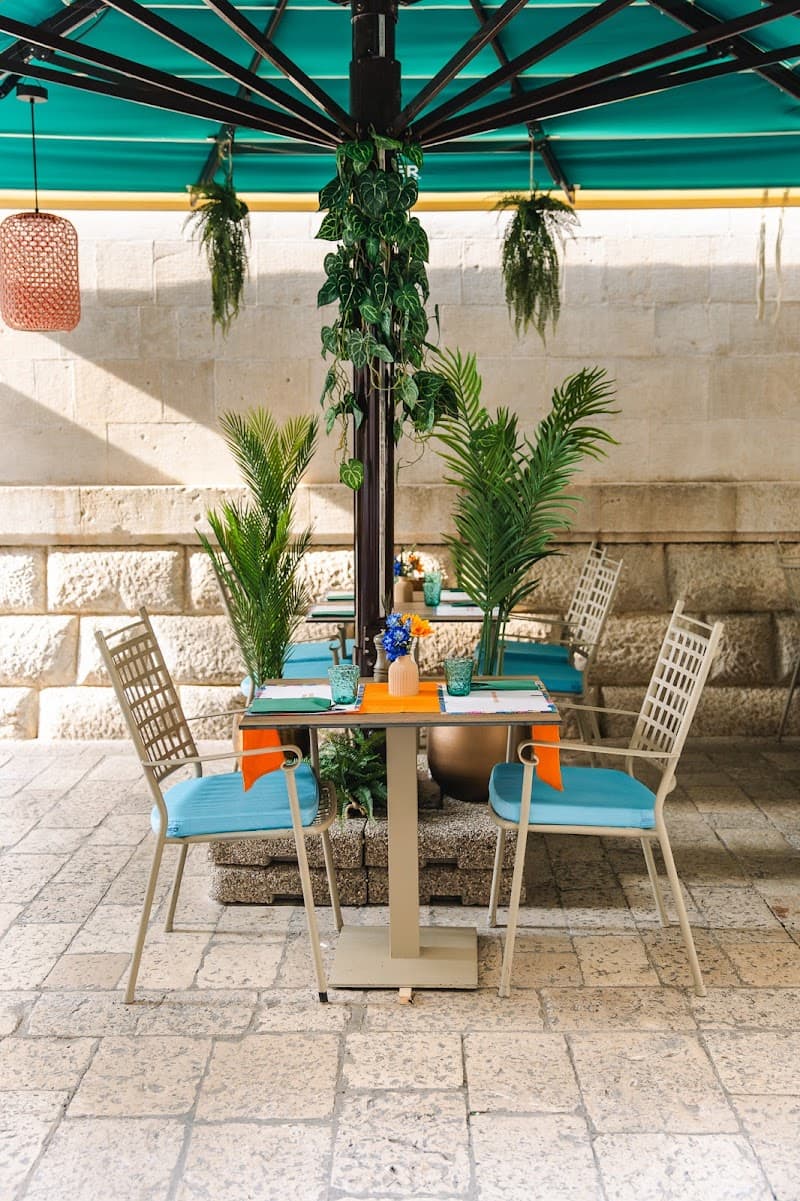
3 Days of Dubrovnik: Seafood, Views, and Sunset Drinks
Weekend · $$
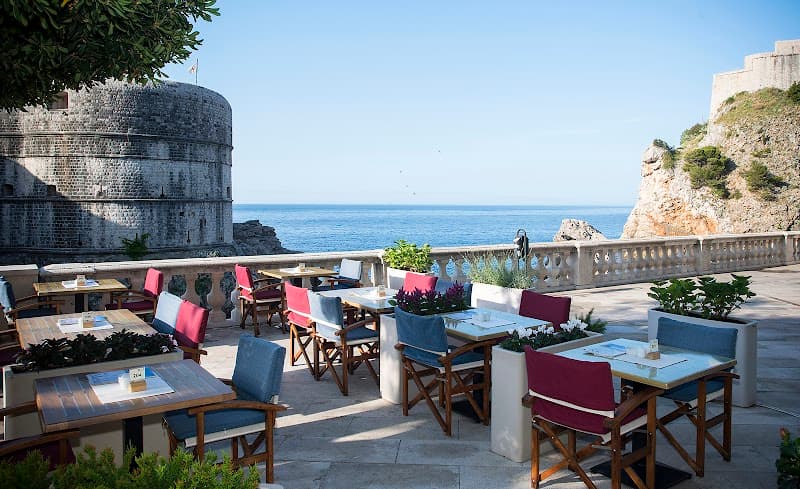
Dubrovnik on a Dime: Adventure & Old Town Magic
Weekend · $$
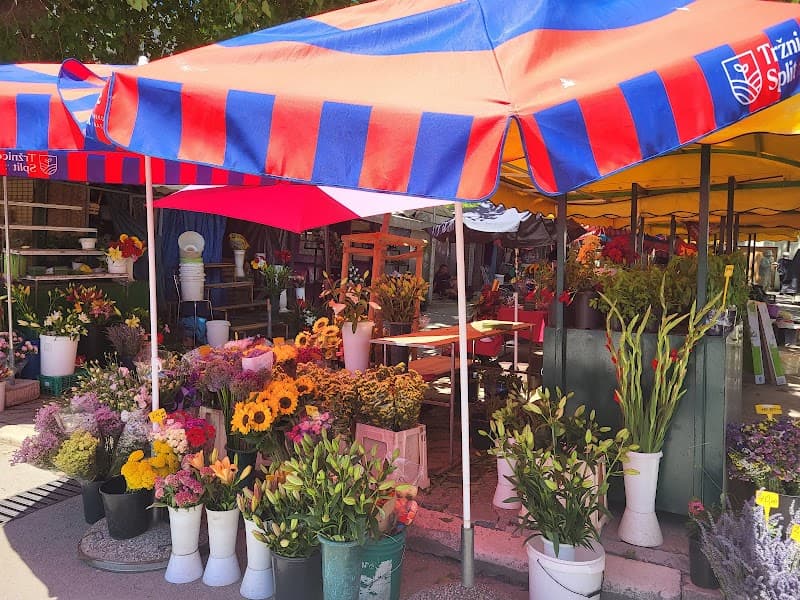
Dubrovnik Minimal: Food, Wine & Adriatic Serenity
Week · $$$
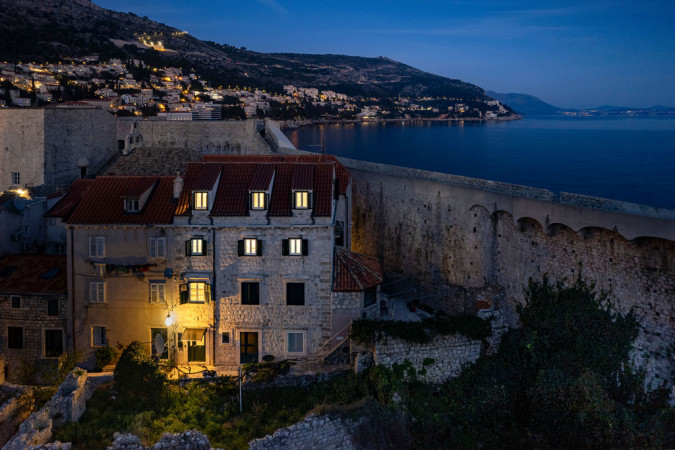
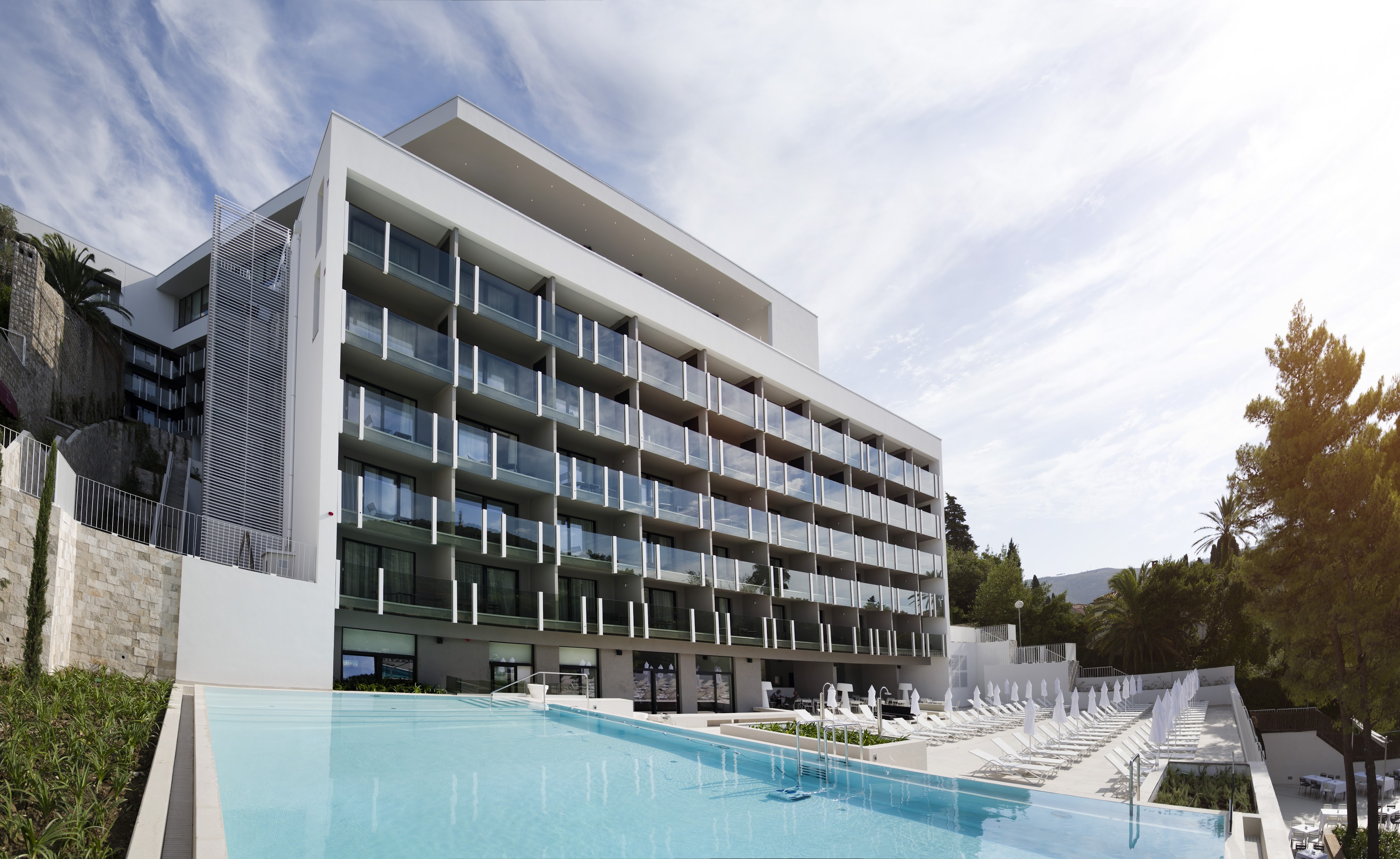
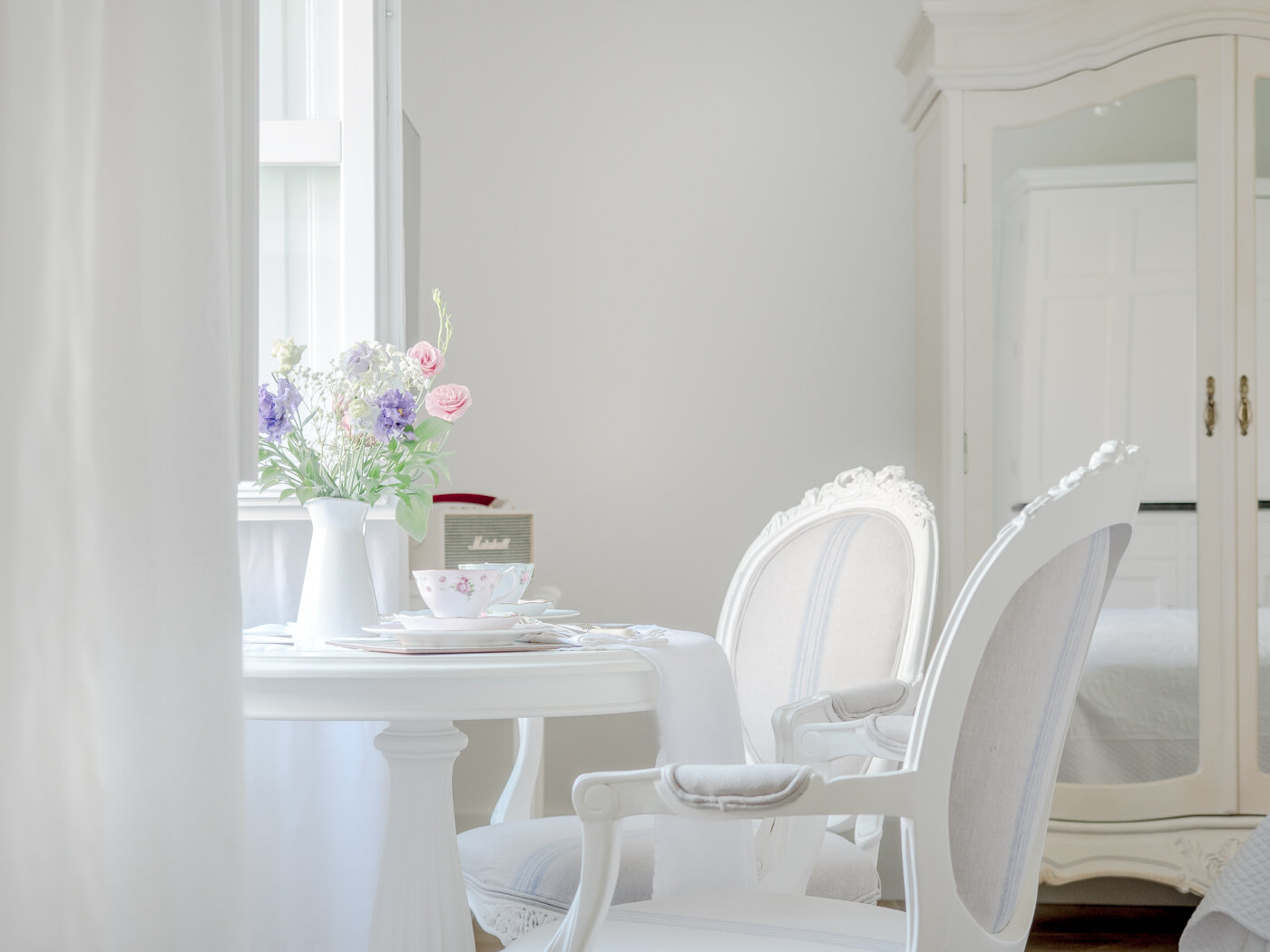
Where to Stay in Dubrovnik
9 recommended properties
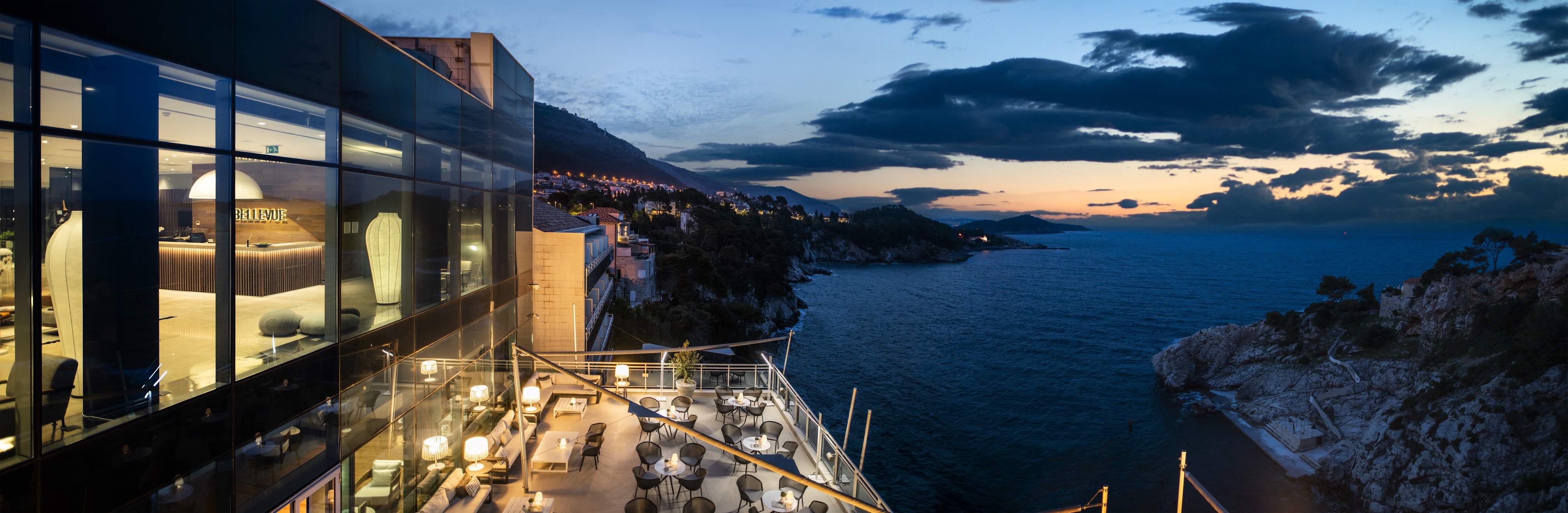
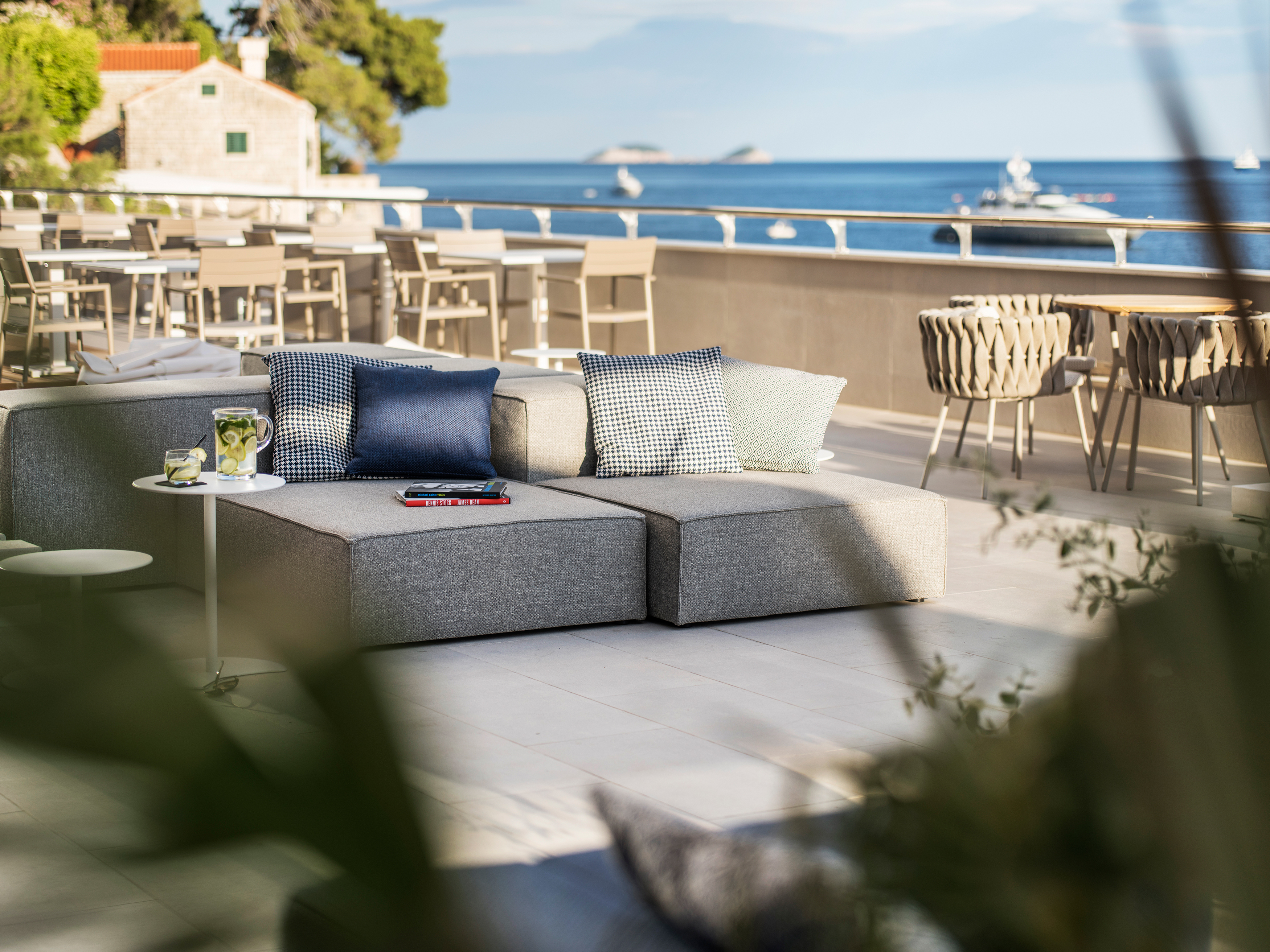
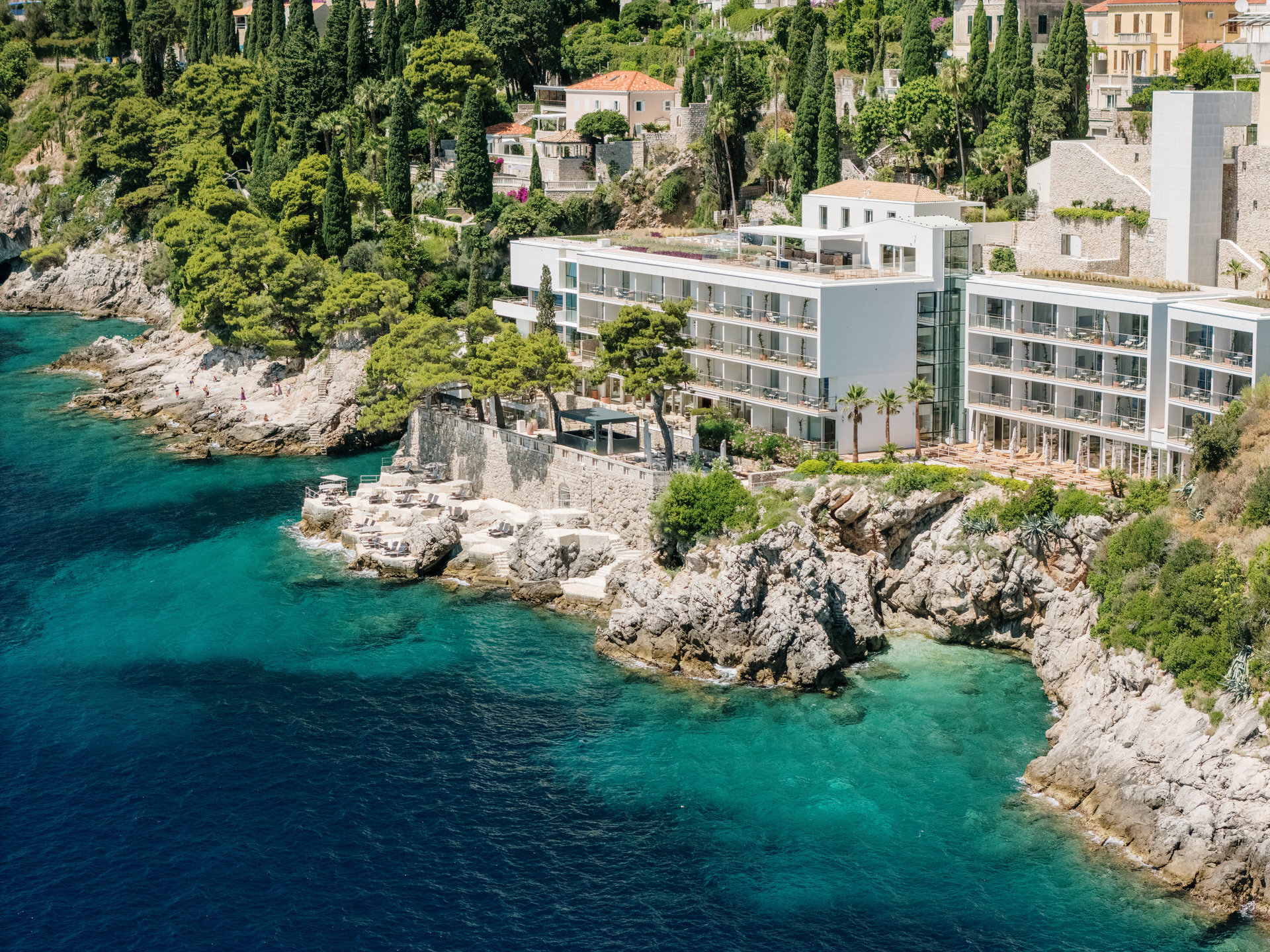

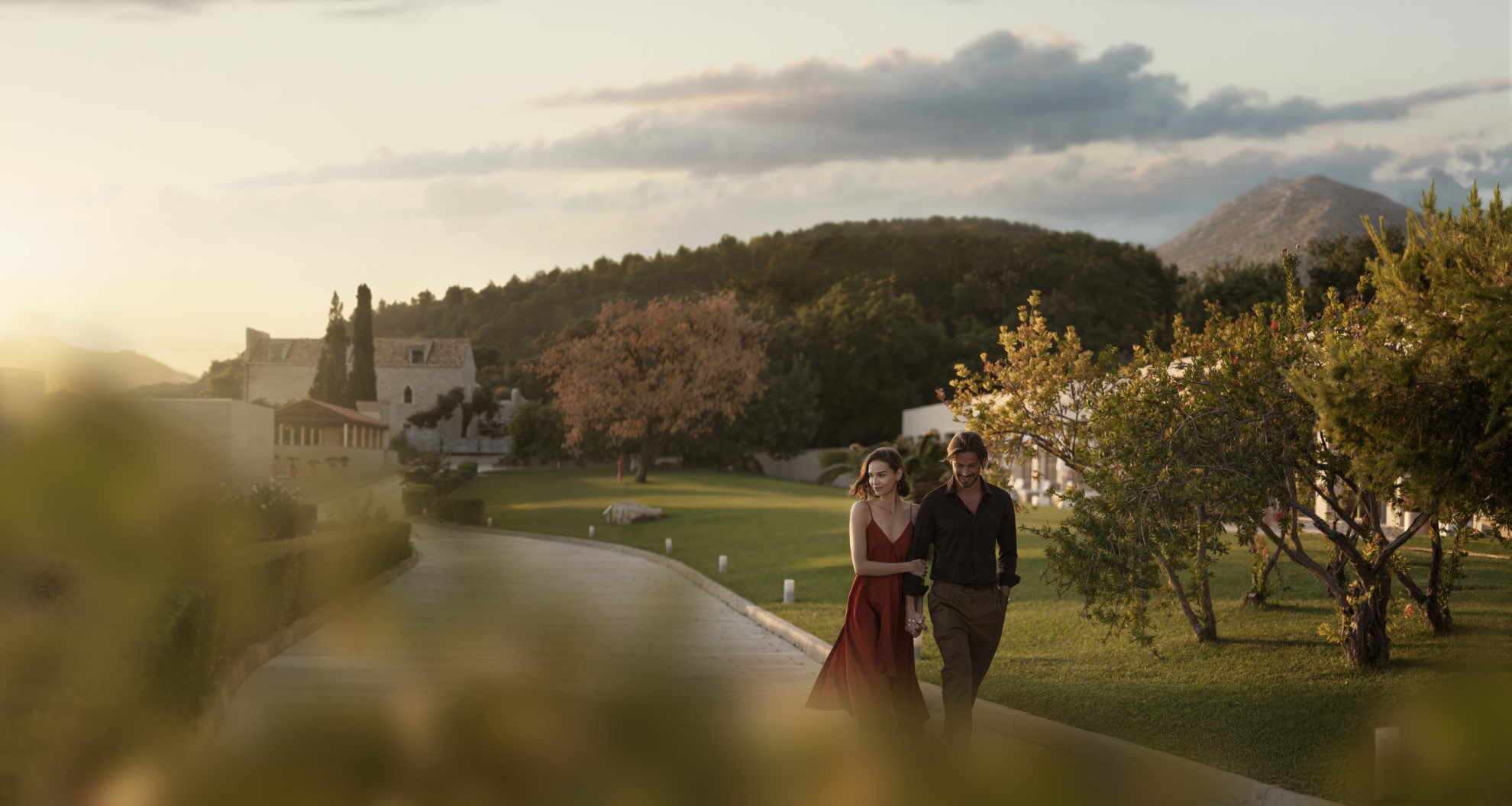
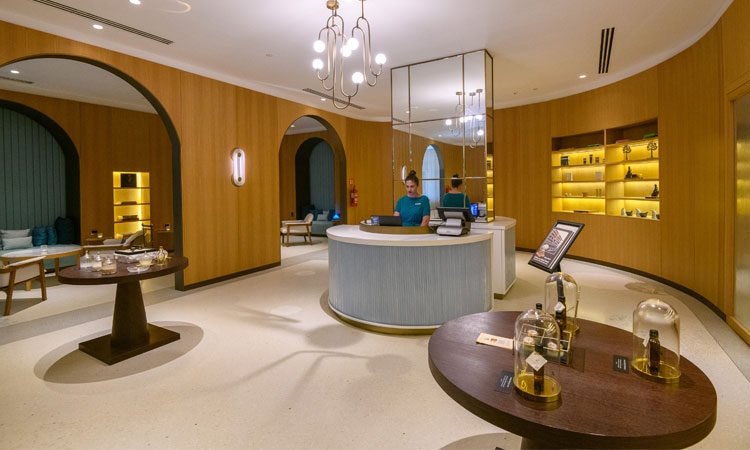
Things to Do in Dubrovnik
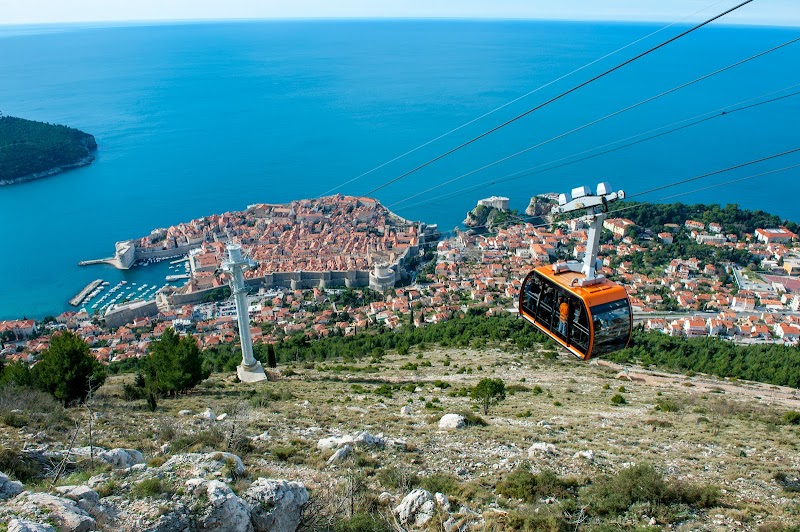
Mount Srđ Cable Car
Pile (upper) · 120 min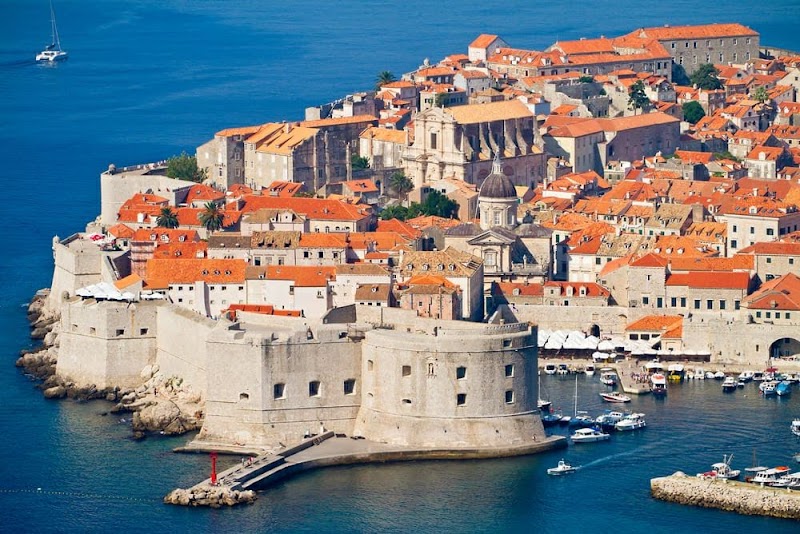
City Walls Walk
Old Town · 120 min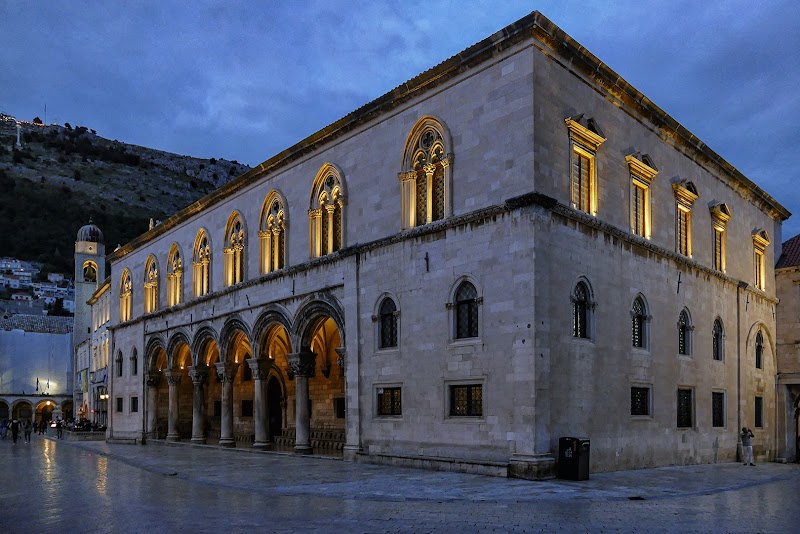
Rector's Palace & Sponza
Old Town · 90 minMoney-Saving Tips
- 1.Buy groceries at Konzum or Tommy supermarkets instead of tourist shops — prices drop 50% for basics like water and snacks
- 2.Take bus route 8 to the airport for 40 kuna instead of a 300 kuna taxi ride
- 3.Eat lunch at local konobas between 12-3pm when many offer daily menus for 80-100 kuna
- 4.Book accommodation in Lapad Peninsula — 30% cheaper than Old Town with easy bus connections
- 5.Walk the city walls early morning (8am) or late afternoon to avoid peak pricing and crowds
- 6.Drink at grocery stores first, then hit the bars — beer costs 8 kuna at Konzum vs 30 kuna at tourist bars
- 7.Pack a picnic for Lokrum Island — the island restaurant charges 3x mainland prices for basic food
Travel Tips
- •Wear comfortable shoes with good grip — the marble streets turn into ice rinks when wet
- •Book restaurants in advance during summer, especially for sunset terraces with views
- •Bring a refillable water bottle — public fountains throughout Old Town provide free drinking water
- •Start walking the city walls by 8am to beat crowds and heat, or go after 5pm for golden hour photos
- •Download the Dubrovnik Card app for discounts on museums and attractions if you plan to visit several
- •Pack reef-safe sunscreen — the Adriatic sun reflects off white limestone and burns faster than you expect
- •Learn basic Croatian phrases — locals appreciate the effort and service improves noticeably
- •Keep your phone charged — Google Maps works better than paper maps in the winding Old Town streets