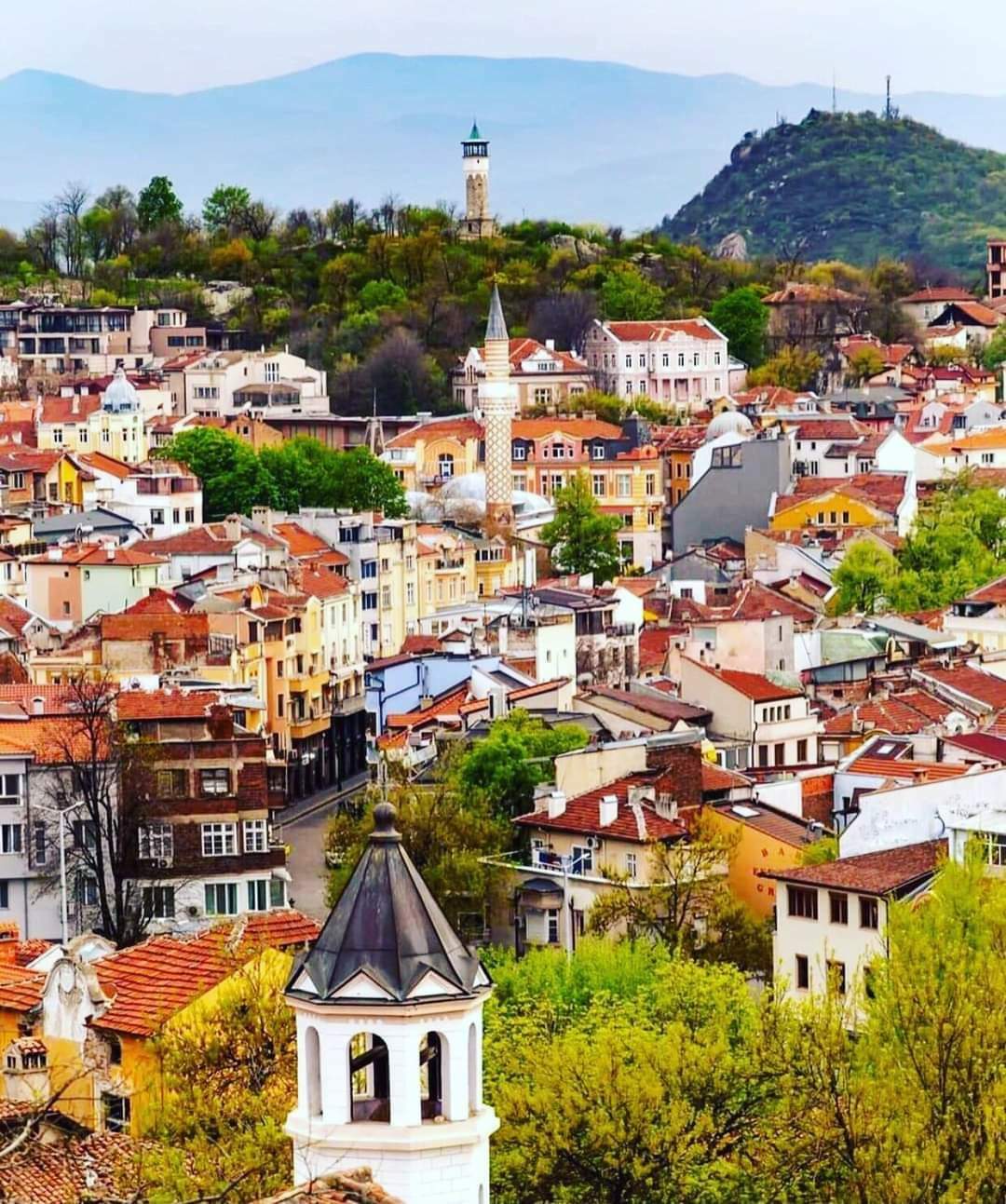
Plovdiv
Ancient Roman theater meets vibrant Bulgarian cultural scene
Bulgaria's second city doesn't try to compete with Sofia's political importance. Instead, Plovdiv quietly goes about being one of Europe's most fascinating cultural destinations, where a perfectly preserved Roman theater hosts modern concerts and the Old Town's cobblestone streets buzz with galleries, craft beer bars, and some of the Balkans' best food.
The city sprawls across seven hills (just like Rome, locals will remind you), but the real action happens in two main areas: the ancient Old Town perched on Nebet Tepe hill, and the pedestrian-friendly city center below. Most travelers stumble upon Plovdiv by accident while passing through Bulgaria. But spend a few days here and you'll understand why it was named European Capital of Culture in 2019.
Here's what makes Plovdiv special: it's genuinely affordable, refreshingly uncrowded, and packed with 6,000 years of history that somehow doesn't feel like a museum. The Roman theater still hosts concerts. The Ottoman-era houses have been converted into atmospheric restaurants. And the city's growing reputation as Bulgaria's creative hub means there's always something happening in the galleries and cultural centers scattered throughout the Old Town.
Best Months
APR · MAY · JUN · SEP · OCT
~22°C · moderate crowds
Culture & Context
LAYERS OF LIVING HISTORY
Plovdiv is one of the oldest continuously inhabited cities in the world — around 8,000 years of people living in the same spot. That's not marketing copy; you feel it walking through a city where a Roman amphitheater sits above Ottoman mosques, which sit beside Bulgarian National Revival mansions, which open onto contemporary art galleries. The city was a European Capital of Culture in 2019 and has been riding that energy ever since.
It's also a major university city, which gives it an energy that punches above its size (around 329,000 people). The arts scene is genuine, not performative. More than 30 working artist studios operate in the Old Town alone, and Kapana's creative district came from actual local artists moving in, not a city planning document.
Here's the thing: Plovdiv tends to surprise people who expect a smaller, quieter Sofia. The food scene is better than its reputation suggests. The festival calendar in summer is genuinely world-class. And the combination of walkable history, affordable prices, and a young local culture that is genuinely welcoming makes it one of the easier cities in the Balkans to just... settle into for a few days longer than planned.
Local Customs
REVERSED HEAD NODS
The head-nod is reversed here. Shaking your head side-to-side means YES. Moving it up and down means NO.
Every traveler reads this, forgets it immediately, and spends the first day confused. Always say 'da' (yes) or 'ne' (no) out loud alongside your head movement to be safe.. Younger Bulgarians in Plovdiv speak solid English, especially in Kapana and the center.
Older residents may only know Bulgarian or some Russian. Don't assume, don't shout louder in English — just pull up Google Translate.. Dress modestly inside churches and mosques.
The Dzhumaya Mosque is right on the main pedestrian street and is still an active place of worship. Shoulders and knees covered, no exceptions.. Tipping is expected in restaurants — 10% is standard and appreciated.
Rounding up the bill is also common. Don't expect it to be added automatically; leave cash on the table.. Bulgarians are genuinely curious about foreign visitors and will ask you direct questions about what you think of the city, the country, the food.
It's friendly, not intrusive. Lean into it.. Coffee culture is serious.
Ordering a takeaway cup and walking is fine, but sitting at a cafe table with a proper espresso for an hour is the local norm. Don't rush it.. Bulgaria adopted the euro on January 1, 2026, replacing the Bulgarian lev (BGN).
Prices you see online from before 2026 in lev should be divided by roughly 1.96 to get euros. ATMs dispense euros now.
Safety
WATCH TAXI METERS
Plovdiv is a calm city. Violent crime against tourists is rare. The US State Department rates Bulgaria at Level 1 — exercise normal precautions. That said, a few things to watch:
Pickpockets operate on crowded buses during rush hours (07:00–09:00 and 17:00–18:30). Keep your bag in front of you. Petty theft in busy tourist areas is the main risk, not anything more serious.
Taxi overcharging is the most common tourist trap. Always use the TaxiMe app or confirm the meter is running. Avoid any taxi driver who approaches you unprompted, especially near the train/bus station.
Restaurant hidden fees occasionally appear at tourist-facing spots near Old Town. Check your bill before paying — it should match what you ordered.
Solo female travelers generally report feeling safe here. Plovdiv is significantly calmer than Sofia or Black Sea resort towns. Standard late-night precautions apply: stick to lit streets, avoid walking home alone after heavy drinking.
Emergency number: 112 (covers police, medical, fire). Tap water is safe to drink throughout the city.
Getting Around
WALKABLE PLUS CHEAP BUSES
Plovdiv's center is small enough that walking is your default mode. Old Town, Kapana, the main pedestrian street, and the Ancient Stadium ruins are all within a 20-minute walk of each other. Save your legs for the Old Town hills — they are steeper than they look on a map.
For everything else: buses cover the whole city and cost around €0.60 per ride. Pay the driver directly in cash, small denominations preferred. Buses run from around 05:30 to 22:00–23:00 depending on the line. Google Maps works well for routes.
Taxis are cheap and plentiful but carry one consistent warning — some drivers skip the meter for tourists. Always confirm the meter is running before you move, or agree on a fare upfront. Official taxis in Bulgaria are yellow and display tariff stickers on the window. Avoid taxis parked outside hotels or clustering near tourist sites. Use the TaxiMe app instead; it works like Uber and shows pricing before you book. Uber does not operate in Bulgaria.
A typical in-city taxi ride runs €2–5. Airport to center: €8–10 by metered cab. Anyone offering a flat fare from the airport for €20–30 is likely overcharging.
Plovdiv has a 48-kilometer cycling trail network connecting the center, main boulevards, and the Rowing Canal area. Bike rental runs €10–20/day and is a genuinely good option for reaching the festival zone in summer.
Getting to/from Sofia: buses leave every 30–60 minutes from Sofia Central Bus Station, take about 2 hours, and cost €5–10 one-way. Trains are slower but cheaper. The Plovdiv bus and train stations are co-located, roughly a 15-minute walk from the main pedestrian street.
Useful Phrases
Money-Saving Tips
- 1.Buy groceries at Lidl or Kaufland – both have locations in the city center and prices are 40-50% lower than tourist-focused shops
- 2.Many museums offer free admission on the first Thursday of each month, including the Ethnographic Museum and Regional Archaeological Museum
- 3.Lunch menus at upscale restaurants cost 12-15 leva (€6-7) for three courses – much cheaper than dinner à la carte
- 4.Local buses cost 1.60 leva per ride, but walking covers most tourist areas and saves money while giving you better views
- 5.Bulgarian wine at restaurants costs 15-25 leva per bottle – often better quality than imported options that cost twice as much
- 6.Street food like banitsa and kebapche from local vendors costs 2-4 leva and beats expensive tourist restaurant meals
- 7.Book accommodation directly with guesthouses rather than through booking sites – many offer 10-15% discounts for direct bookings
Travel Tips
- •Download the Plovdiv City Card app for discounts at museums, restaurants, and cultural venues – it's free and can save 20-30% on attractions
- •The Old Town's cobblestones are slippery when wet – pack shoes with good grip, especially if visiting in spring or fall
- •Most restaurants in the Old Town close between 3-6pm, so plan lunch before 3pm or wait until evening service starts
- •Learn a few basic Bulgarian phrases – locals appreciate the effort and English isn't as widespread as in Western European tourist destinations
- •The Roman Theater hosts concerts from May through October – check the schedule before your trip as tickets often sell out
- •Kapana district streets can be confusing to navigate – screenshot maps before heading out as GPS doesn't always work well in the narrow alleys
- •Bulgarian currency is leva, not euros – many places don't accept cards, so carry cash for small purchases and local buses
- •The Archaeological Museum closes on Mondays – plan your Old Town exploration accordingly to avoid disappointment