Tirana
Colorful Albanian capital blending Ottoman heritage with modern energy
Tirana hits different. Albania's capital throws rainbow-painted buildings at Soviet-era concrete, mixes traditional qebapa with craft cocktails, and somehow makes it all work. The city that Enver Hoxha once locked away from the world now pulses with an energy that's part Balkan grit, part Mediterranean warmth.
Sure, it's rough around the edges. The traffic makes Rome look organized, and you'll dodge construction zones like it's a video game. But that's exactly why Tirana works. This isn't a polished European capital putting on airs - it's a city figuring itself out in real time, and you get to watch it happen.
The Blloku district, once reserved for Communist Party elites, now buzzes with rooftop bars and art galleries. Skanderbeg Square sprawls like a concrete ocean in the city center. And everywhere, those famous painted buildings turn mundane apartment blocks into accidental art installations. Tirana costs a fraction of what you'd spend in Prague or Budapest, but delivers twice the character.
Best Months
APR · MAY · JUN · SEP · OCT
~25°C · moderate crowds
Culture & Context
POST-COMMUNIST SPRINT
Tirana is a city that's been in a sprint for three decades. After 45 years of one of Europe's most extreme communist regimes — under Enver Hoxha, jeans and long hair were banned, the country was almost entirely sealed off, and over 170,000 bunkers were built across the landscape — Albania opened up in the early 1990s and has been moving fast ever since. The Pyramid, built as a Hoxha mausoleum and later used as a NATO base, a nightclub, and a TV station, has now been repurposed as a youth and tech center.
Blloku, once the exclusive domain of the communist elite, is where Tirana's most expensive cocktails are now served. The city's current mayor, former artist Erion Veliaj, has continued an urban transformation project started by his predecessor (and now Prime Minister) Edi Rama, pushing street art, colorful building facades, and public squares as deliberate tools of city reinvention. Construction is booming — cranes are everywhere, and property prices rose 41.
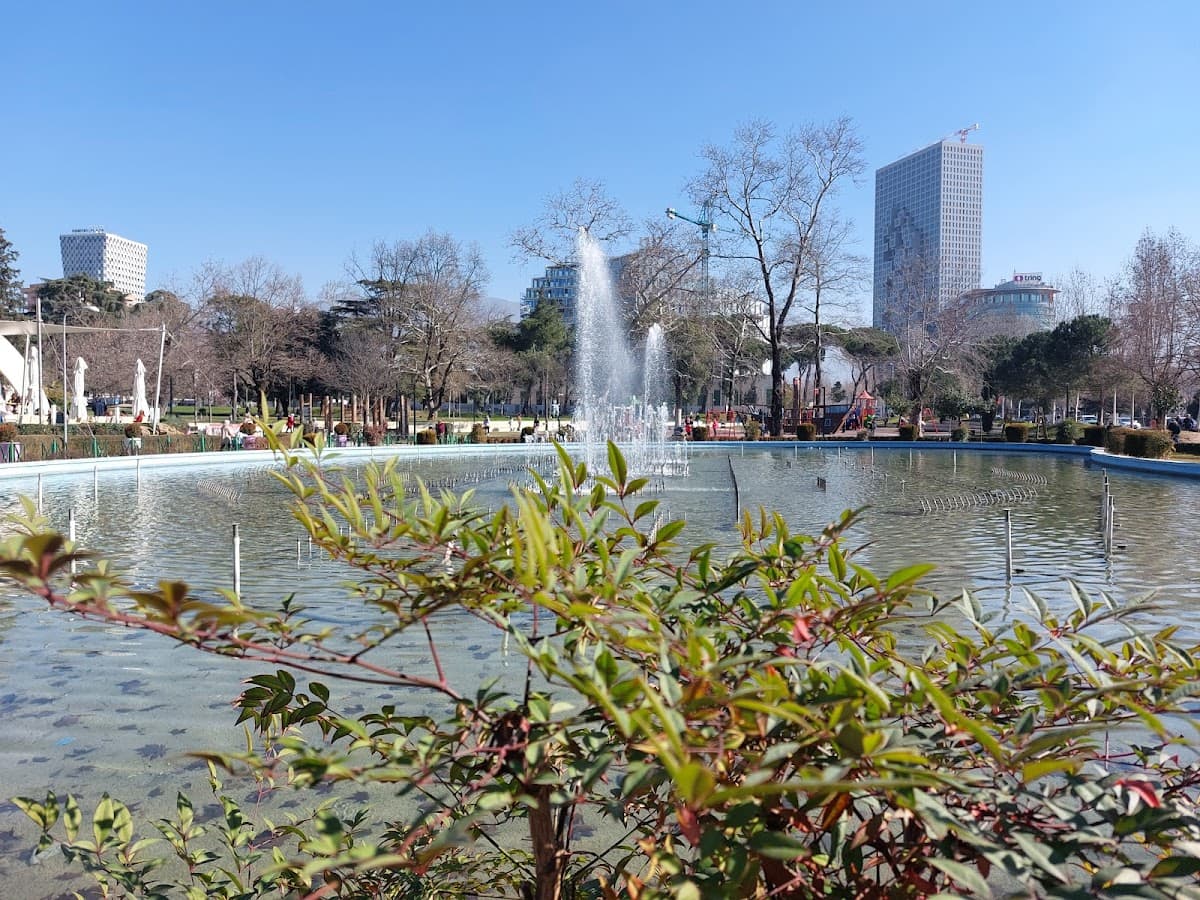
7% year-on-year in the first half of 2025 alone. All of this means Tirana has an unmistakable energy of forward motion, but it also means noise, dust, and traffic that can be genuinely overwhelming. The city has one main large park.
Albanian is a distinct Indo-European language branch with no close relatives — even a few words of it will earn you real warmth from locals. Italian is widely spoken among older generations, English among younger ones.
Local Customs
REVERSED HEAD NODS
The xhiro is the Albanian evening walk. Around 7 PM, locals take to the streets of Blloku and other neighborhoods simply to stroll, chat, and be seen. It's not a tourist activity.
Just join the flow.. Coffee is serious here. Albanians drink espresso, and sitting in a cafe for a long time is not just acceptable, it's the whole point.
Don't rush it.. Raki is the national drink, made from fermented grapes or plums. You will be offered it.
Refusing can seem rude, especially in someone's home. Take a small glass and sip.. Albanian hospitality operates under a cultural code called Besa, which centers on protecting and respecting guests.
If someone invites you into their home, it's genuine. Accept graciously.. Head nod versus head shake for yes and no are REVERSED compared to most Western countries.
A nod can mean no; a shake can mean yes. Younger Albanians are shifting toward international norms, so it varies. When in doubt, listen for 'Po' (yes) or 'Jo' (no)..
Albanians are blunt and directly generous. Expect to be pulled into conversations and pushed to eat more than you planned. Go with it..
Tipping is not mandatory, but rounding up or leaving 5–10% at restaurants is appreciated. Don't expect a tip line on the card machine at local places. Cash tips are the norm..
Dress modestly when visiting the Et'hem Bey Mosque or other religious sites. Tirana is generally relaxed about dress everywhere else.. Ask before photographing people, particularly in markets and older neighborhoods..
Albania has only had mandatory driver's licenses for about 24 years. The driving is aggressive by most European standards. Cross streets carefully and don't expect cars to stop for pedestrians.
Safety
WATCH THE TRAFFIC
Tirana is genuinely safe for tourists by European standards. Violent crime against visitors is rare. The main risks are pickpockets in crowded areas (markets, public buses, busy squares), occasional taxi overcharging, and — the biggest one by far — road safety.
Albania's per-capita road fatality rate is among Europe's highest. Driving in the city is aggressive and chaotic. If you rent a car, avoid rural driving at night: no street lighting, unmarked roadworks, and the occasional unlit vehicle or livestock on the road.
For getting around Tirana at night, use local taxi apps like Speed Taxi, Lux Taxi, or Bee Taxi. Uber does not operate here. Blue Taxi in Tirana is also reliable (WhatsApp +355 67 444 4444).
The official fixed airport taxi rate to the city center is 2,500 ALL (about €25). One more thing worth knowing for 2026: in April, the US Embassy issued a precautionary security alert about possible Iran-linked threats, advising extra vigilance in large international hotels, malls, and US-branded venues. Albanian authorities say there is no confirmed specific threat, and tourism is operating normally.
It's worth enrolling in the US State Department's STEP program if you're American. Albania is currently a Level 2 destination (exercise increased caution), the same rating as France, Italy, and most of Western Europe.
Getting Around
BUSES & TAXI APPS
Tirana International Airport Nënë Tereza (TIA) is 17 km from the city center, about 30 minutes by car. The airport shuttle bus costs €4 and runs every hour into the center. A fixed-rate official taxi runs €25–30.
Most European flights connect here directly; flights from the US require a layover. Within the city, buses cost about 40 lek (under €0.40) per ride.
Pay the collector who comes around on board, and keep your ticket. There are no proper timetables or route maps online, so note your bus number before boarding. City bus is fine during the day; use taxi apps at night.
Tirana does NOT have a metro system, though light rail projects are in the planning phase. For getting to other Albanian cities, furgons (shared minivans) are the practical option: Tirana to Berat costs around €5, Gjirokastër is around €10. They leave from the south and north bus terminals.
Schedules are irregular; show up and wait. Car rental runs €25–35 per day and is worth it if you're heading beyond the capital — just drive defensively, stay on main highways, and do not drive between cities after dark on rural roads.
Useful Phrases
Money-Saving Tips
- 1.Eat at local byrek shops instead of tourist restaurants - you'll spend 200 lek ($2) instead of 1,500 lek ($15) for lunch
- 2.Take buses to day trip destinations rather than organized tours - save 80% on transportation costs
- 3.Buy groceries at Conad or Big Market supermarkets - hotel mini-bars charge 3x normal prices
- 4.Negotiate taxi fares before getting in, especially for airport runs - meters 'break' conveniently for tourists
- 5.Drink coffee at neighborhood cafes instead of hotel lobbies - pay 100 lek ($1) instead of 300 lek ($3)
- 6.Book accommodations in Blloku during weekdays - weekend rates jump 40-50% higher
- 7.Exchange money at banks rather than airport kiosks - better rates and lower fees
- 8.Skip bottled water - Tirana's tap water is safe to drink and tastes fine
Travel Tips
- •Learn basic Albanian greetings - 'Mirëdita' (good day) and 'Faleminderit' (thank you) open doors and hearts
- •Always carry cash - many restaurants and shops don't accept cards, especially outside Blloku
- •Download offline maps before exploring - mobile data can be spotty in older parts of the city
- •Dress modestly when visiting mosques - cover shoulders and knees, and women should bring a headscarf
- •Don't drink tap water in restaurants if it tastes strongly of chlorine - ask for bottled water instead
- •Keep your passport with you - police occasionally check IDs, especially near government buildings
- •Be patient with service - Albanian hospitality is genuine but moves at Mediterranean pace
- •Try to learn the Albanian double-nod for 'yes' and head shake for 'no' - it's opposite to most countries
- •Tip 10% at restaurants if service was good - it's not mandatory but appreciated
- •Book dinner reservations for Friday and Saturday nights - popular restaurants fill up quickly