Sarandë
Albania's Riviera gem with pristine beaches and ancient ruins
Forget Santorini's crowds and Monaco's prices. Sarandë sits on Albania's Riviera like a secret the Mediterranean forgot to tell you about. Crystal-clear waters lap against pebble beaches, ancient ruins crown hillsides, and a three-course dinner costs less than a coffee in Paris. This laid-back coastal city gives you Greek island vibes without the tourist hordes or wallet damage. Sure, the infrastructure isn't polished to Western European standards, but that's part of the charm. You'll find genuine hospitality, unspoiled coastlines, and the kind of authentic Mediterranean experience that's becoming harder to find.
Best Months
MAY – SEP
~28°C · high crowds
Culture & Context
COMMUNIST PAST MEETS RESORT BOOM
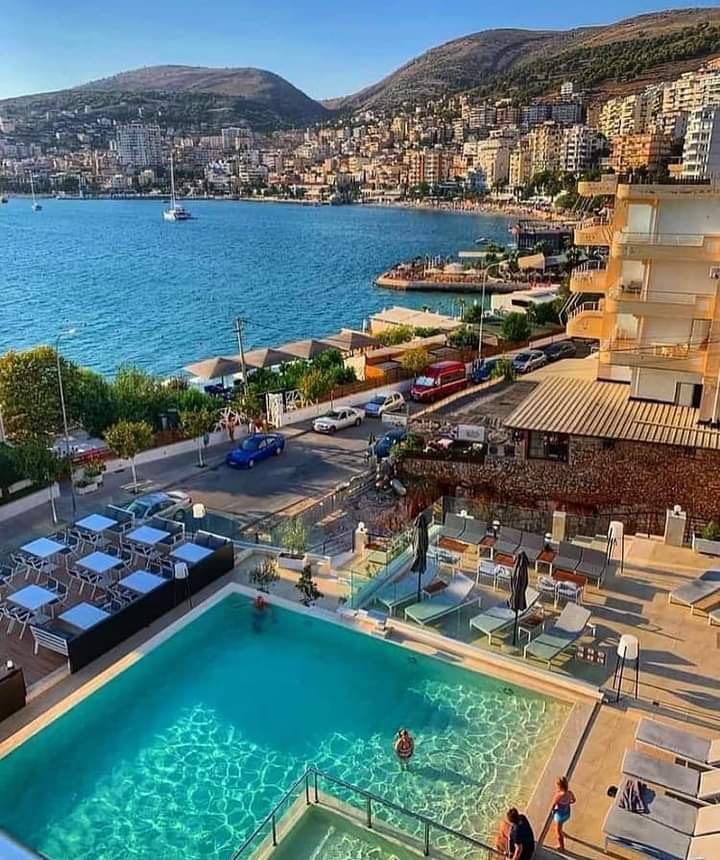
Sarandë sits on a crescent-shaped bay along Albania's Ionian coast, looking straight out toward Corfu on clear days. It was a quiet fishing village not too long ago. Now? It's a full-blown summer resort that pulls an absurd number of visitors. The year-round population sits around 30,000, but that figure can hit 300,000 in peak summer, which tells you everything about what July looks like. The town went through its most dramatic change after 1991, when communist rule ended and Sarandë evolved from a district outpost of roughly 8,700 people into the unofficial capital of southern Albania's coast.
The city's past layers are still visible if you look. Lëkurësi Castle on the hill above town was built in 1537 by Sultan Suleiman the Magnificent. Ancient ruins from the original settlement (once called Onchesmos) poke out right near the beach. There's also a 5th-century synagogue complex sitting in the town center. And then there are Hoxha's concrete communist bunkers scattered across the surrounding hills, quiet reminders of the isolation that kept Albania locked away from the world for decades.
The local rhythm is Mediterranean through and through. The evening xhiro, a slow social walk along Bulevardi Hasan Tahsini, is as sacred as it gets here. Locals do it every night, families and friends filling the palm-lined promenade. Albanians take their coffee seriously too. Sitting at a waterfront café with an espresso for an hour is not a tourist activity, it's just what people do. The construction noise is real and ongoing. Development hasn't slowed down, and coastal property values rose 20-30% in 2025 alone, so the skyline keeps changing year after year.
Local Customs
NOD MEANS NO HERE
The evening xhiro is non-negotiable for locals. Every night, people walk the Bulevardi Hasan Tahsini waterfront promenade — slowly, with family, stopping to talk. Join in rather than rushing through.
It starts around 7–8pm and this is genuinely when the town comes alive.. Albanian head gestures are the opposite of most Western countries. A nod upward means NO.
A slight tilt sideways means YES. This confuses every single visitor at least once. Just double-check verbally when it matters..
Albanians routinely leave their phones on café tables and bags on chairs while they walk to the counter. There is a strong cultural norm around respecting others' belongings. You can still be sensible, but don't be paranoid..
Always greet shopkeepers when entering a store — even with a simple Tung. Walking in silent is considered rude, not neutral.. Tipping is appreciated but not expected.
Round up your bill at cafés, leave 5-10% in cash at restaurants for good service. Never feel obligated.. Pay in Lek rather than Euros for day-to-day purchases.
Hotels and tour operators quote in Euros legally, but at smaller restaurants and shops you'll often get a worse effective rate if you pay in Euros.. The concept of 'Besa' (an ancient code of honor around hospitality) is real and shapes how Albanians treat guests. It's not just tourism talk — locals genuinely feel personal responsibility for visitors' well-being..
Always ask the price per kilo before ordering seafood at any beachside restaurant. Some spots don't make this clear upfront. This is a Balkan-wide thing, not a scam, just a different way of doing business..
Construction is a constant feature of Sarandë life. If you book a hotel and reviews mention noise from a nearby building site, take that seriously — development is ongoing and relentless, especially in summer 2026.
Safety
SAFE BUT WATCH TAXIS
Sarandë is genuinely safe. Albania ranks 41st on the 2023 Global Peace Index, ahead of Italy, and the US State Department's Level 2 advisory (the same as France or Spain) has been unchanged since 2022. Violent crime against tourists is extremely rare. Most issues are minor and predictable.
The main things to watch for: Taxis without meters will quote inflated prices to tourists. Always agree on a fare before getting in. Say 'Sa kushton deri te...?' (How much to...?) before sitting down. If they won't name a price, walk away. Some beachside restaurants bring expensive imported beer or mineral water without asking, then charge it on the bill. Confirm what you're getting and ask about prices for anything you didn't specifically order. Bread baskets and 'complimentary' items sometimes appear on the bill too.
Currency confusion is not a scam but catches everyone. When a price sounds wrong, ask 'Lek të reja?' to confirm you're talking about new lek.
ATM skimmers do exist — use machines inside Credins Bank or OTP branches rather than standalone ATMs. Keep a zipped bag in crowded areas along the waterfront in peak season, where some pickpocketing does occur (though it dropped 17% from 2020 to 2023 per INSTAT data).
The biggest practical risk in Albania is road safety. Albania's road fatality rate is above the EU average. Drive defensively, avoid mountain roads after dark, and if you're not comfortable with aggressive driving culture, hire a local driver for day trips (around €30–50/day) rather than renting your own car. Don't drink tap water — bottled water is widely available and costs around €0.50 for a liter.
Getting Around
FERRY FROM CORFU
Getting to Sarandë: The most popular route is fly into Corfu (CFU) then take the ferry across. There are two options: a fast ferry (25 minutes, ~€23 one way) and a slower service (1.5–2 hours, slightly cheaper). In summer there are two daily departures — 10:30am and 4pm. Book online ahead of time, especially in July and August. Ferry companies to check: Finikas Lines, Ionian Seaways, and Joy Lines. If you're already in Albania, buses run from Tirana to Sarandë (1,300 ALL, roughly 4–5 hours) with several departures daily starting at 5am. There is no train network in southern Albania at all.
Getting around locally: Most of Qender and Kodrra is walkable. The promenade links everything. For Ksamil and Butrint, the local bus runs every 30 minutes from the town center — 100 ALL each way. Last bus back from Ksamil is 5:30pm, so don't miss it unless you want a taxi. Taxis are available everywhere. Always agree on a price upfront. Hitchhiking is common and widely considered safe here; locals do it regularly between towns.
Renting a car: Worth it if you want to explore the Albanian Riviera properly. SIXT has an office right next to the port in Kodrra. Buy full insurance. Driving is aggressive by European standards — narrow coastal roads, fast locals, and the occasional goat in the road. Day driving only in the mountains.
Useful Phrases
Sarandë Itineraries
View all
Seven Serene Days in Sarandë’s Wild Green Riviera
Week · $$$
Wild Riviera Weekend: Sarandë & the Southern Shores
Weekend · $$$
Sarandë Jungle-Coast Weekend with Ruins, Bays, and Easy Halal Eats
Day Trip · $$$
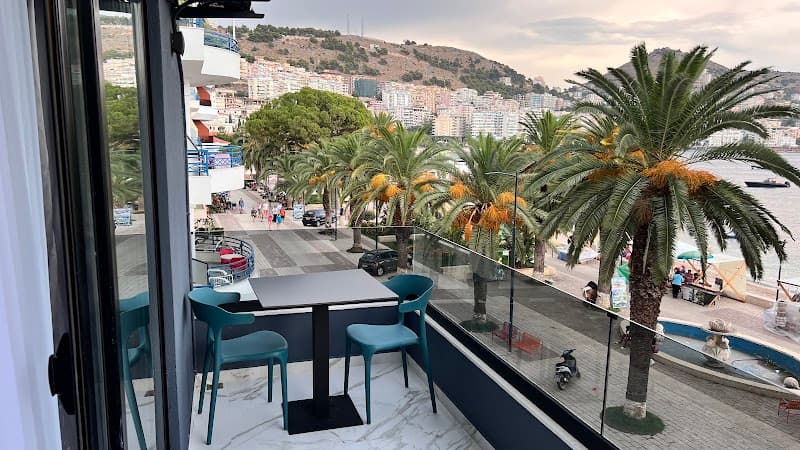
Seven Lush Days in Sarandë & the Southern Riviera
Week · $$$
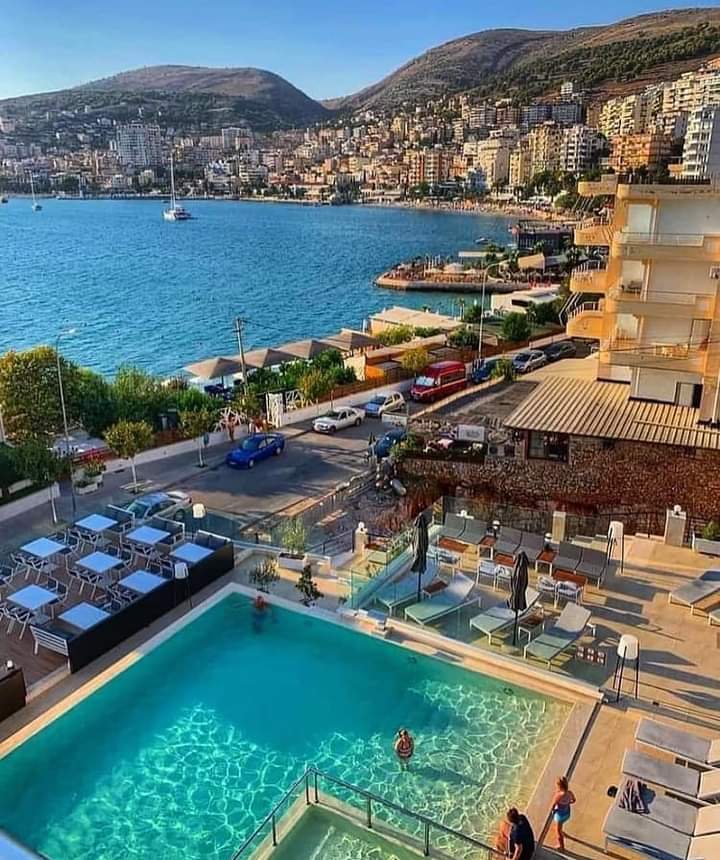
Wild Riviera Romance: 3 Days in Sarandë & Ksamil
Weekend · $$$
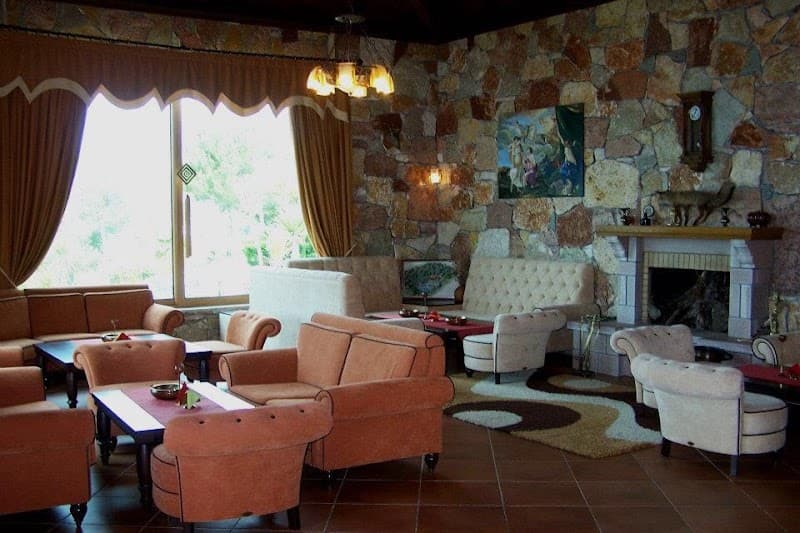
Wild Riviera Romance: 3 Days in Sarandë
Day Trip · $$$
Where to Stay in Sarandë
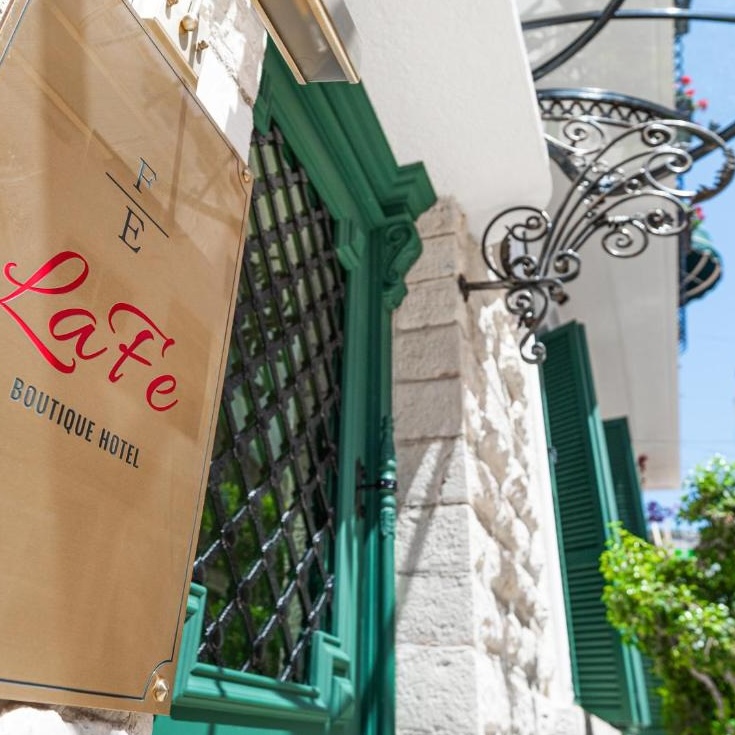
1 recommended properties
Things to Do in Sarandë
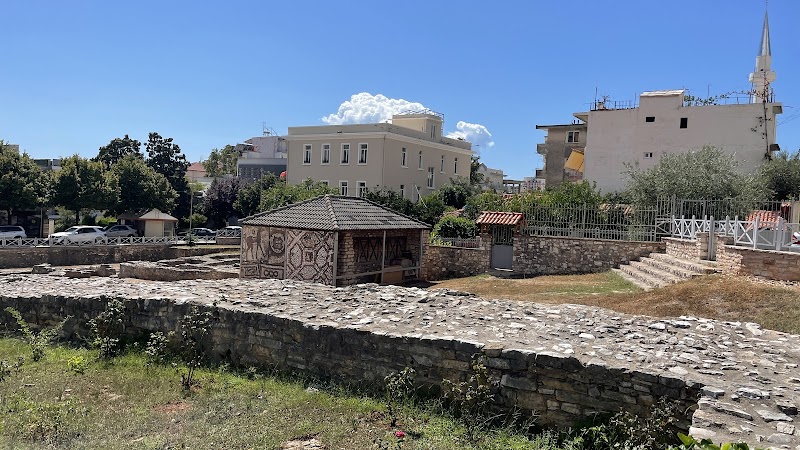
Central Sarandë Beach Time
Central Promenade · 90 min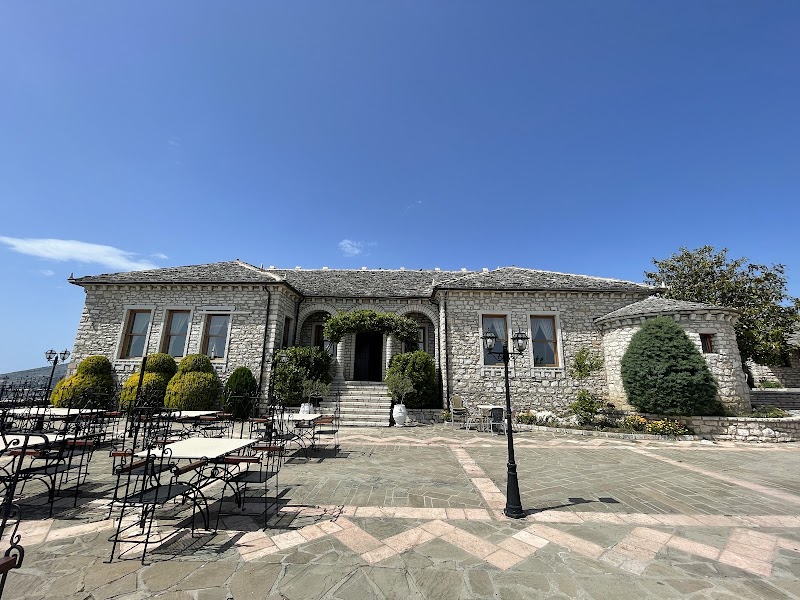
Lëkurësi Castle Sunset
Lëkurës Hill · 90 min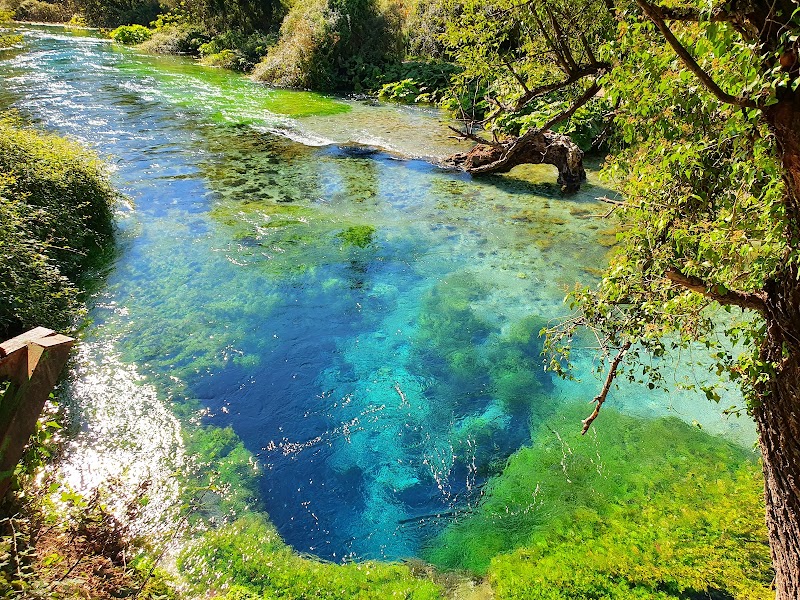
Blue Eye (Syri i Kaltër) Nature Spring
Blue Eye Park · 120 minMoney-Saving Tips
- 1.Restaurants don't include service charges—10% tip is generous and appreciated
- 2.ATMs are plentiful in the city center but scarce near remote beaches
- 3.Negotiate taxi fares before getting in, especially for longer trips
- 4.Local buses cost €1-2 for most routes—much cheaper than taxis
- 5.Beach chair and umbrella rentals run €5-8 per day at popular spots
- 6.Car rental agencies offer better deals for 3+ day bookings
- 7.Markets close for siesta 1-4pm—shop early for best selection
- 8.Ferry tickets to Corfu are cheaper when booked at the port vs hotels
Travel Tips
- •Learn basic Albanian greetings—locals appreciate the effort and warm up quickly
- •Bring reef-safe sunscreen—many beaches have protected marine areas
- •Download offline maps before exploring mountain roads to ancient sites
- •Pack layers for evening—sea breezes can be cool even in summer
- •Bring a reusable water bottle—tap water is safe and fountain refills are free
- •Book accommodations in advance for July-August peak season
- •Carry small bills—many family restaurants can't break large notes
- •Keep your passport handy for day trips to Greece or unexpected ID checks