Cyprus
Mediterranean crossroads where ancient myths meet modern beaches
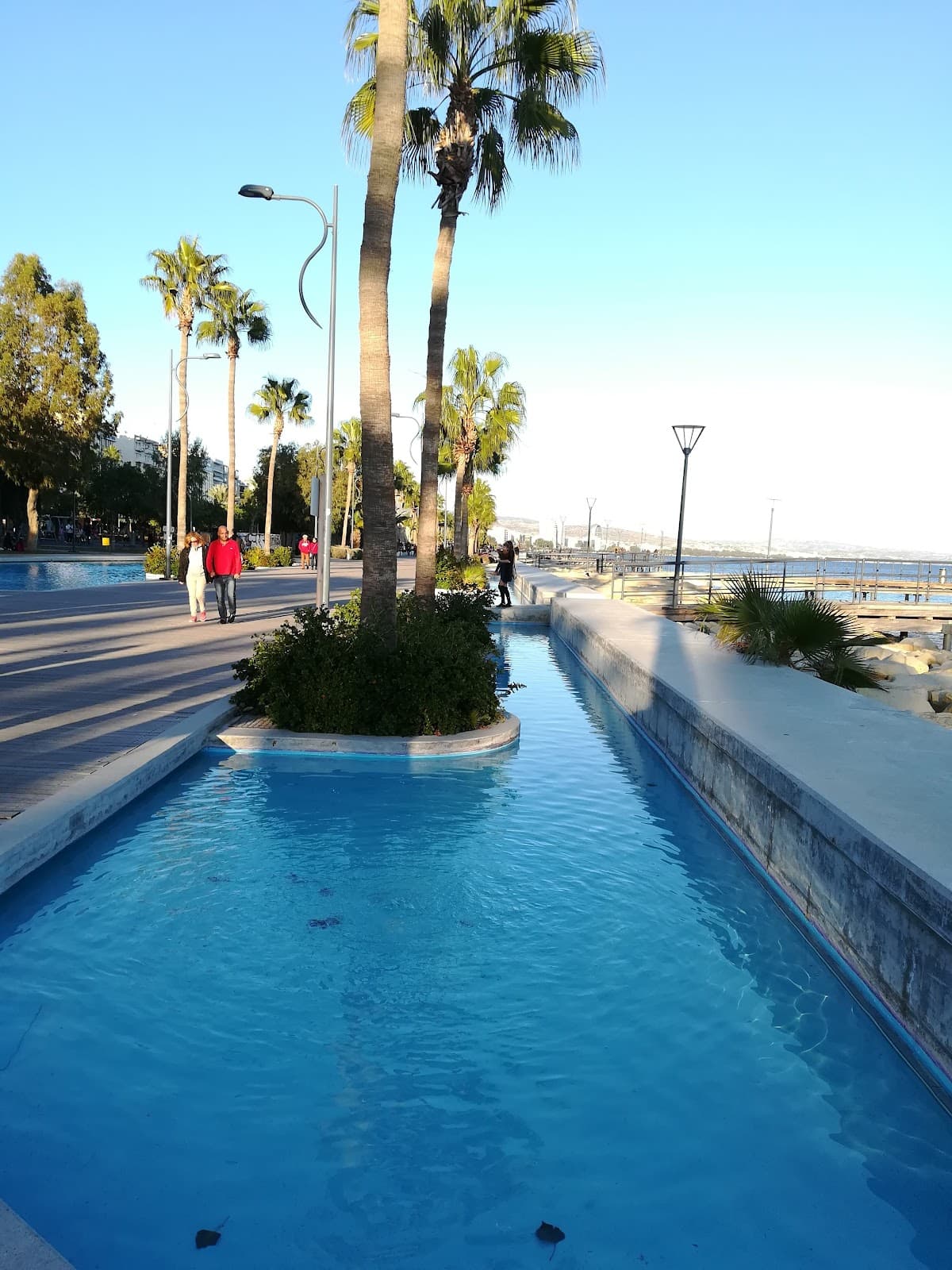
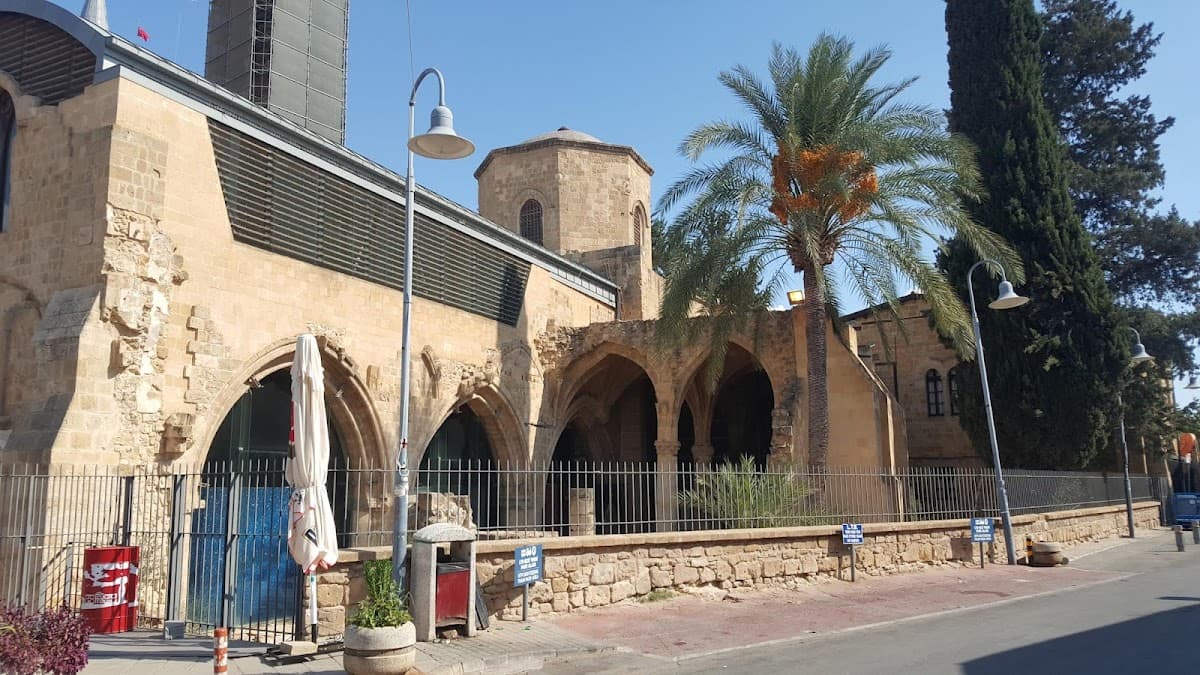
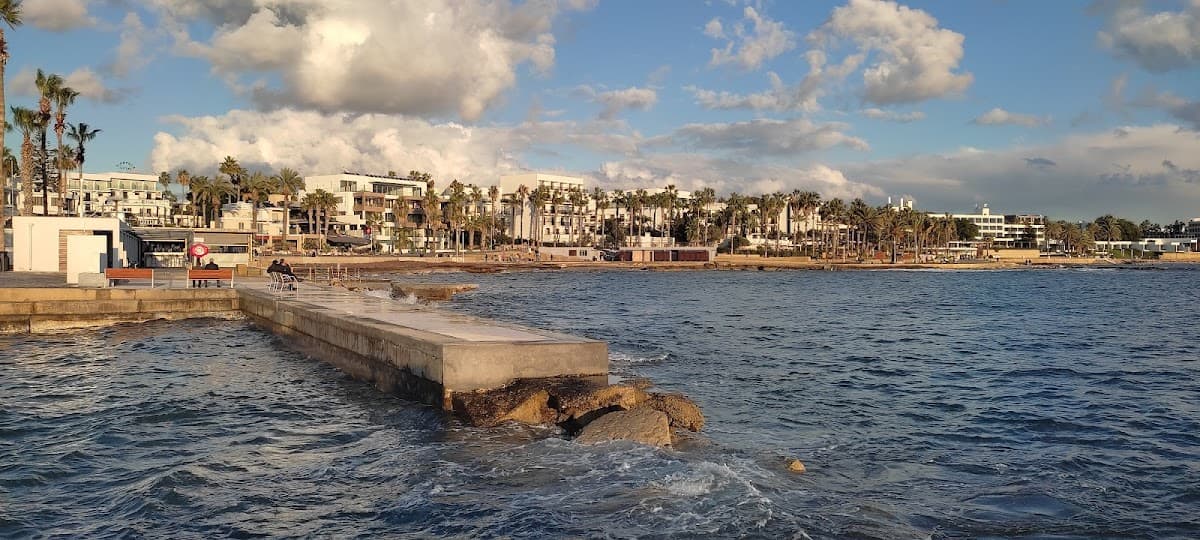
Cyprus sits at the crossroads of Europe, Asia, and Africa, and you feel that mix everywhere you go. Ancient Greek temples share coastlines with British-style fish and chips shops. Turkish coffee flows alongside Cypriot wine. The island splits between the Greek south and Turkish north, but both sides offer something travelers crave: beaches that actually live up to Instagram, ruins older than Rome, and food that makes you understand why the Mediterranean diet became a thing.
The weather cooperates most of the year. Spring brings wildflowers across the Troodos Mountains. Summer means beach season but also crowds and heat that can knock you sideways. Fall keeps the sea warm while cooling the air. Even winter stays mild enough for hiking, though some mountain villages get snow.
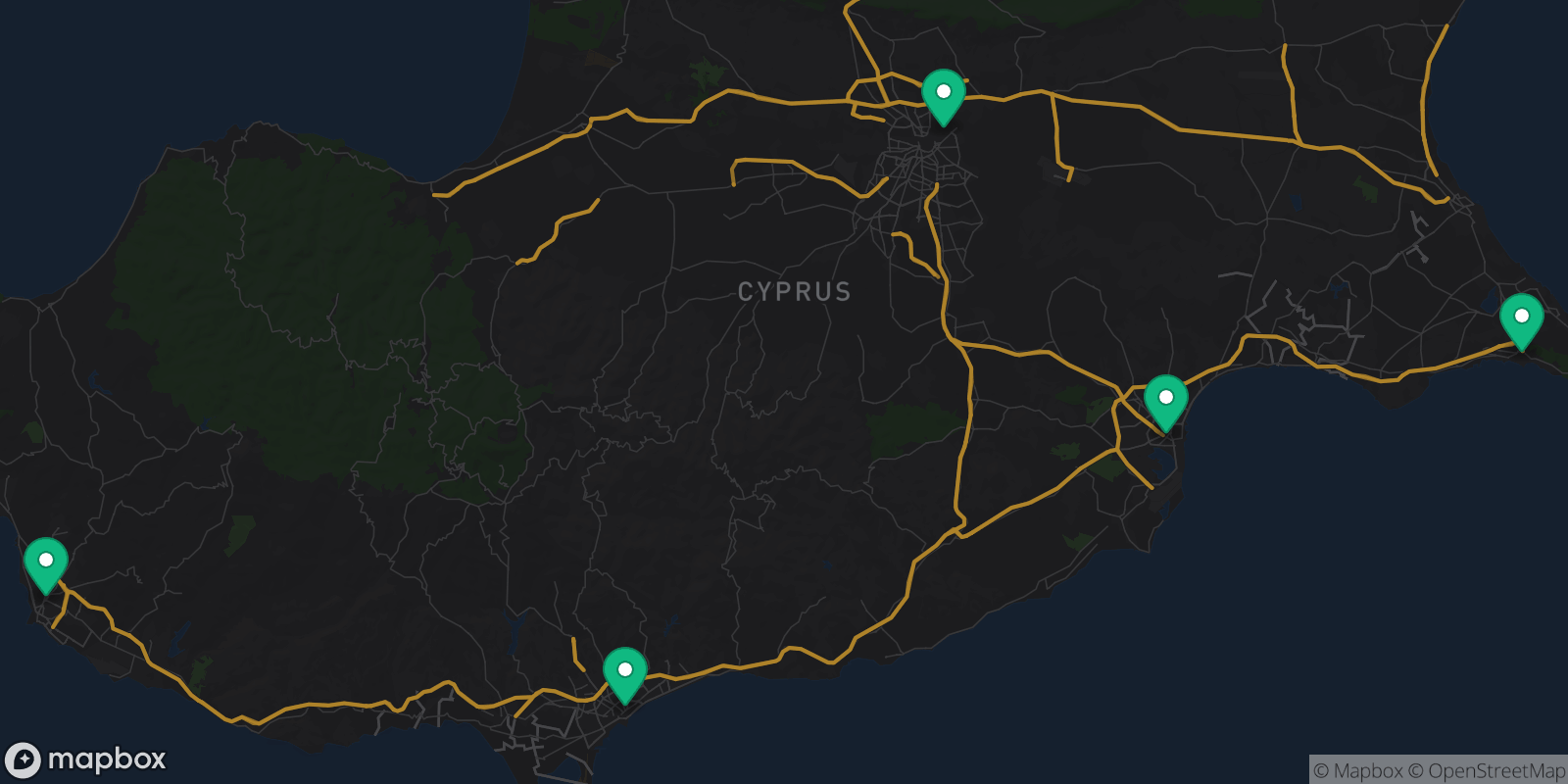
Here's what works: Cyprus feels relaxed without being sleepy. You can explore 9,000-year-old settlements in the morning and sip cocktails on Nissi Beach by afternoon. The locals speak English well, especially in the south. Driving takes you anywhere on the island in under three hours. And the food scene has evolved way beyond tourist tavernas, though those still serve their purpose.


Explore the Region
Cyprus Itineraries
View all
Romantic Paphos: Sunsets, Seafront Strolls & Ancient Legends
Weekend · $$
Seven Wild Days in Nicosia’s Walled City & Beyond
Week · $$$
Green Line Getaway: 3 Days in Divided Nicosia
Weekend · $$$
Green Courtyards & Divided Walls: 7 Days in Nicosia
Week · $$$
Romantic Nicosia: Walled City, Wild Greens & Quiet Nights
Weekend · $$$
7 Days in Nicosia: Green Oases, Old Walls & Family Fun
Week · $$$
Money-Saving Tips
- 1.Book accommodation directly with hotels in shoulder seasons (April-May, October-November) for better rates than booking sites
- 2.Eat at tavernas away from beach fronts - prices drop significantly just one block inland
- 3.Buy alcohol at supermarkets rather than hotel bars or tourist areas where markup can be 300%
- 4.Use intercity buses between major towns instead of taxis - a €5 bus ticket replaces a €40 taxi ride
- 5.Visit archaeological sites early morning or late afternoon when entrance fees are the same but crowds are smaller
- 6.Shop at local markets in Nicosia or Limassol for fresh produce and local products at fraction of resort prices
- 7.Fill up rental cars away from airports and tourist areas where fuel costs 20-30% more
- 8.Book winery tours directly rather than through hotels to avoid commission markups of €10-15 per person
Travel Tips
- •Download offline maps before visiting Northern Cyprus as mobile data can be expensive across the border
- •Pack reef-safe sunscreen - many beaches now prohibit regular sunscreen to protect marine life
- •Bring a power adapter for UK-style plugs (Type G) used throughout Cyprus
- •Learn basic Greek phrases for the south and Turkish for the north - locals appreciate the effort
- •Always carry your passport when crossing between north and south Cyprus
- •Book restaurants in advance during summer evenings, especially in Paphos and Ayia Napa
- •Wear closed-toe shoes when visiting archaeological sites - ancient stones can be sharp and uneven
- •Check opening hours for attractions as many close early on Sundays or during Orthodox holidays
- •Bargain politely at local markets and souvenir shops - initial prices often include tourist markup
- •Respect dress codes at religious sites - cover shoulders and legs at monasteries and mosques