Eritrea
The Horn of Africa's Architectural Time Capsule
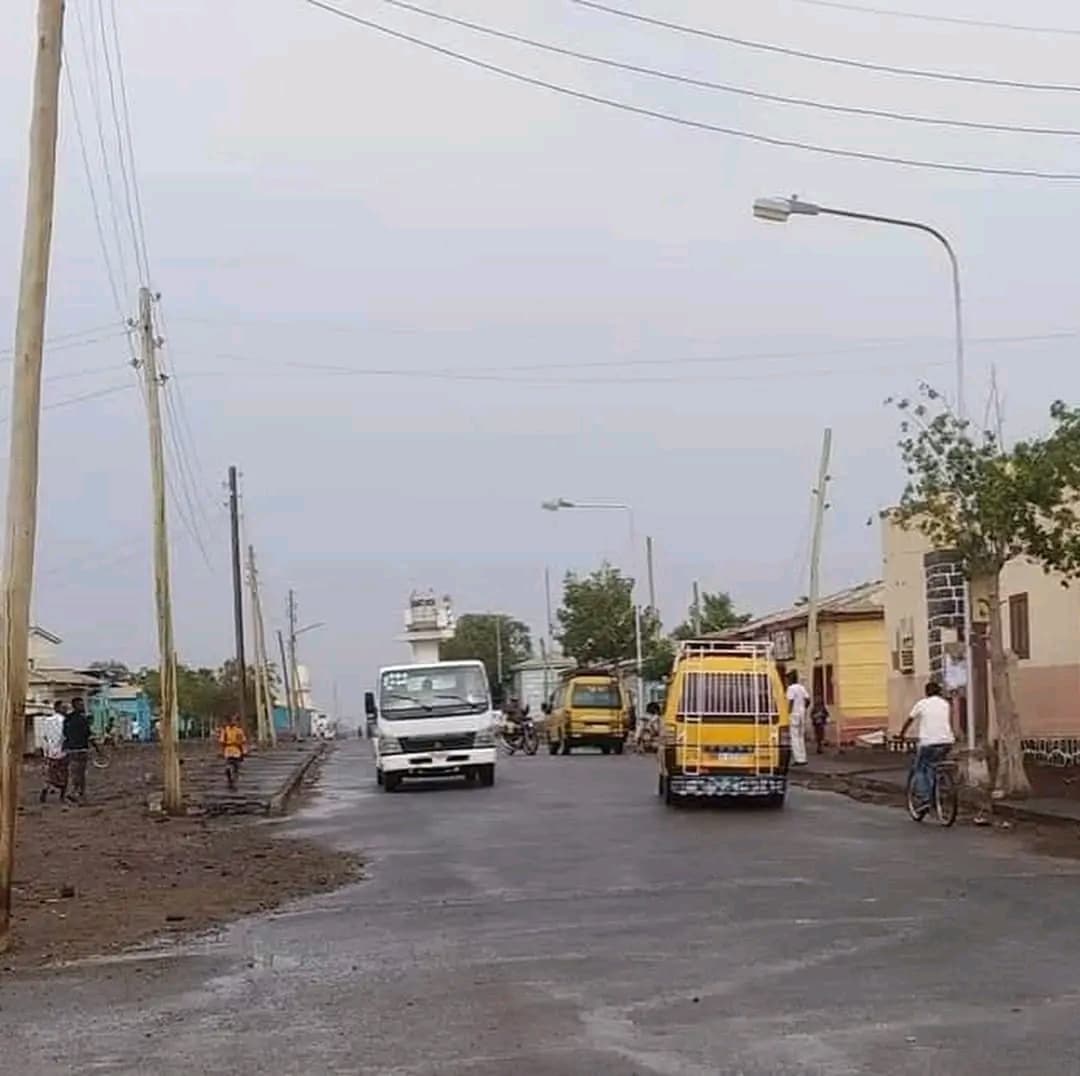
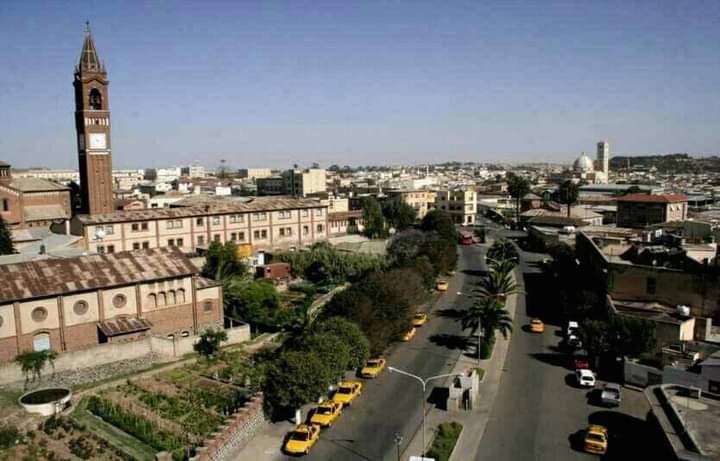
Eritrea doesn't make many bucket lists. And that's exactly why you should go. This sliver of the Horn of Africa spent decades cut off from the world, preserving a remarkable collection of 1930s Italian Art Deco architecture in its capital Asmara — now a UNESCO World Heritage site. Beyond the city, ancient ruins dot the highlands while pristine coral reefs line the Red Sea coast. You'll find yourself in a country where locals still gather at Italian-style cafés, where you can explore 2,500-year-old archaeological sites without crowds, and where the Dahlak Islands offer some of the Red Sea's most untouched diving. But here's the thing: Eritrea requires patience. Infrastructure is basic, permits are needed for many areas, and tourism services are limited. Come prepared for an adventure that feels like stepping back in time.
Explore Cities
Explore the Region
Money-Saving Tips
- 1.Bring US dollars in pristine condition - banks are picky about torn or marked bills
- 2.Credit cards don't work anywhere, so budget for all-cash expenses
- 3.Tour operators require payment upfront, often $100-150 per day including guide and transport
- 4.Meals cost $5-15 at local restaurants, $20+ at hotel dining rooms
- 5.Government-set exchange rates mean black market money changing is risky and illegal
- 6.ATMs exist in Asmara but frequently run out of cash - don't rely on them
- 7.Tipping guides and drivers 10-15% is expected and appreciated
- 8.Permits for photography and travel outside Asmara add $20-50 to daily costs
Travel Tips
- •Get your visa in advance - no visa on arrival for most nationalities
- •Photography permits are required and enforced - don't skip this step
- •Pack layers for Asmara's altitude - it gets cold at night even in summer
- •Learn basic Tigrinya or Arabic phrases - English isn't widely spoken outside hotels
- •Bring malaria prophylaxis for coastal areas and the Dahlak Islands
- •Internet is slow and intermittent - download maps and information offline
- •Respect local customs - dress conservatively, especially at religious sites
- •Book accommodations through tour operators - independent booking is nearly impossible
- •Carry copies of all documents - police checkpoints are common
- •Be patient with government bureaucracy - everything takes longer than expected