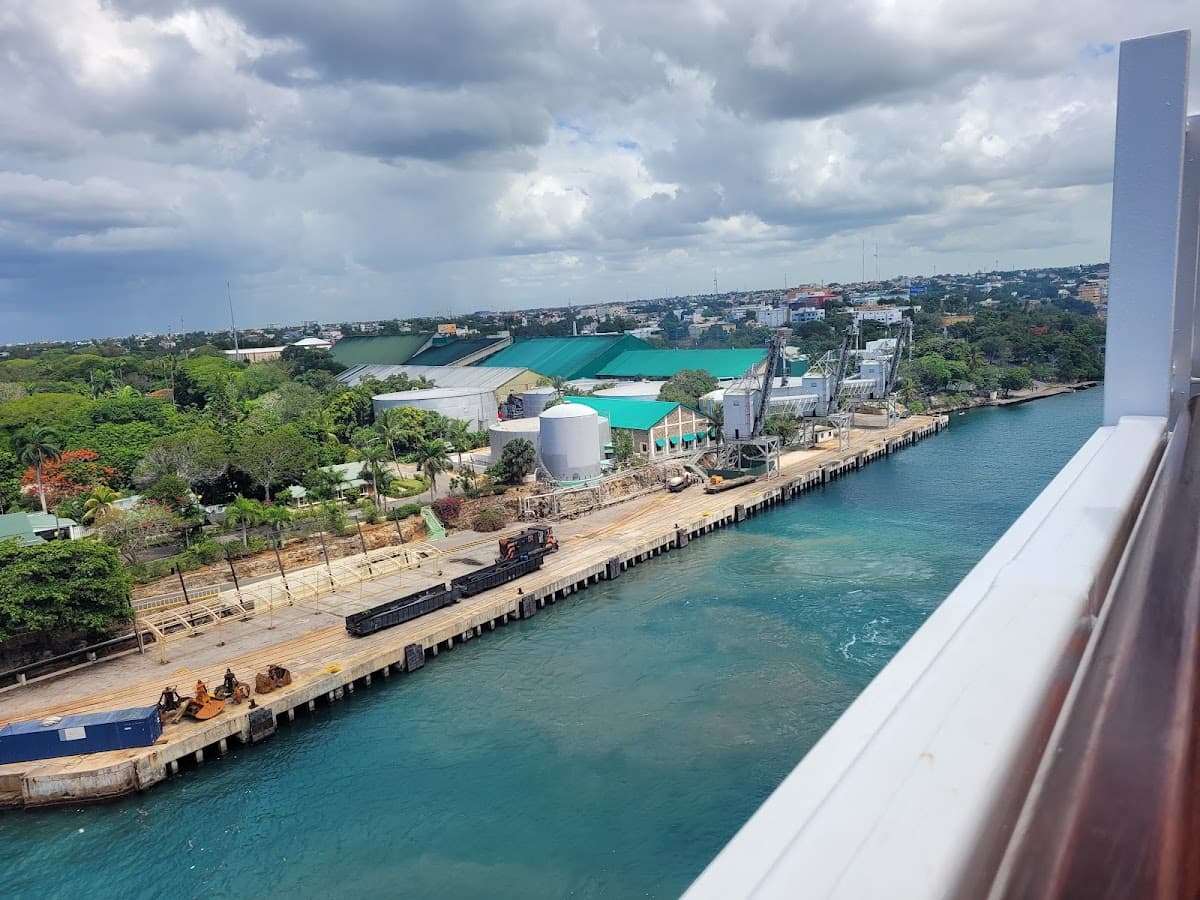
Dominican Republic
Caribbean paradise with merengue rhythms and pristine beaches
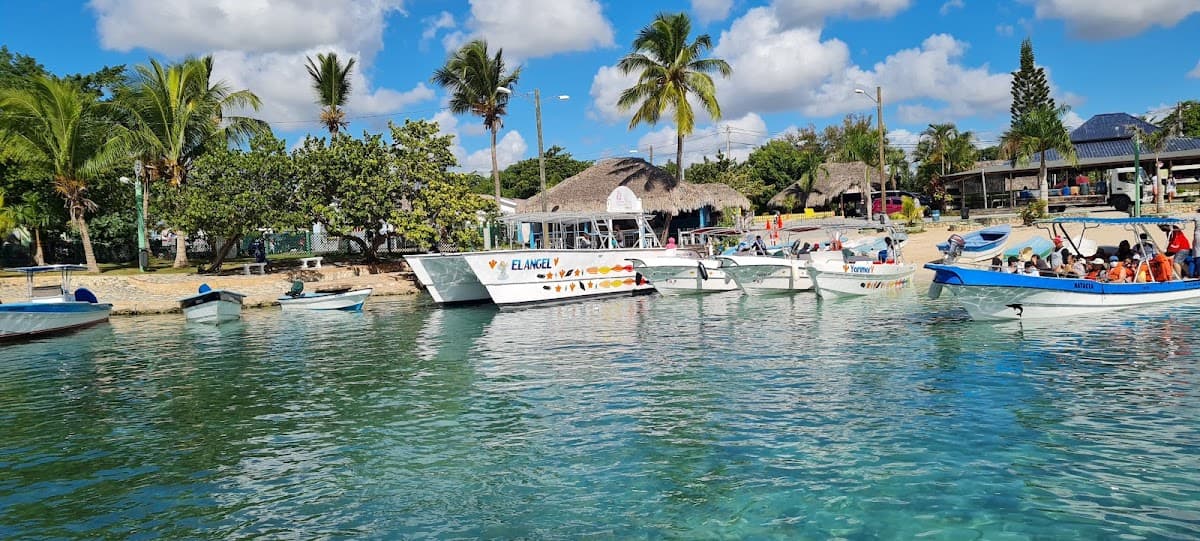
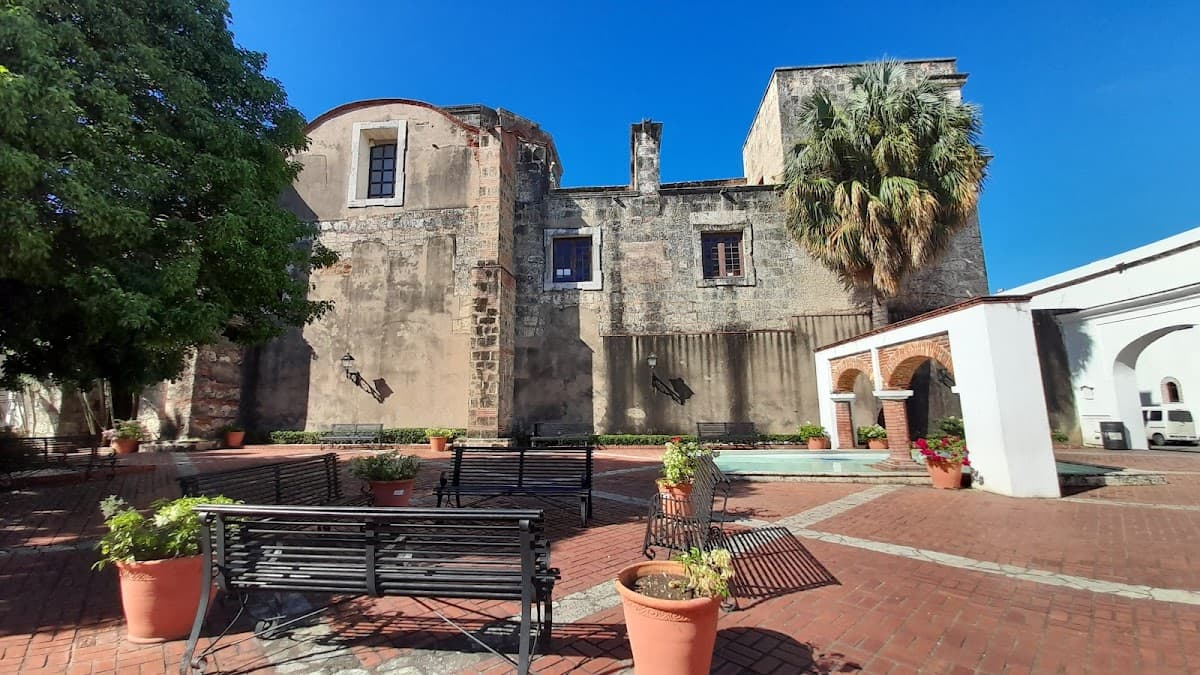
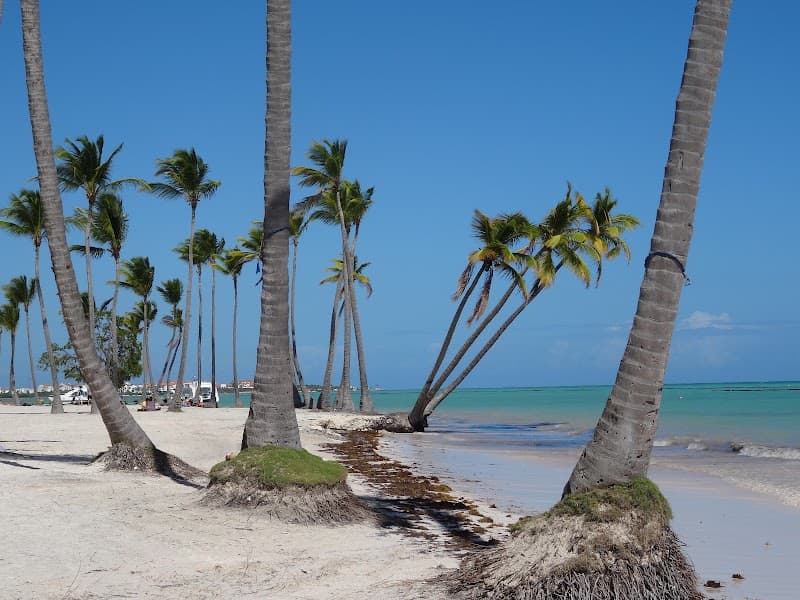
The Dominican Republic hits different than other Caribbean islands. Sure, you get those postcard beaches everyone talks about, but you also get bachata spilling from corner bars in Santo Domingo, mountain waterfalls an hour from the coast, and some of the friendliest people in the Caribbean. This isn't just a resort destination — though the resorts here are world-class. It's a country where you can dance merengue until 3am, then catch sunrise over Saona Island the next morning. The peso stretches further than most Caribbean currencies, meaning your money goes a long way beyond the all-inclusive bubble. And here's what surprised me most: the diversity. One day you're exploring 500-year-old colonial architecture, the next you're kitesurfing in Cabarete or hiking to hidden cenotes in the interior.
Explore Subregions

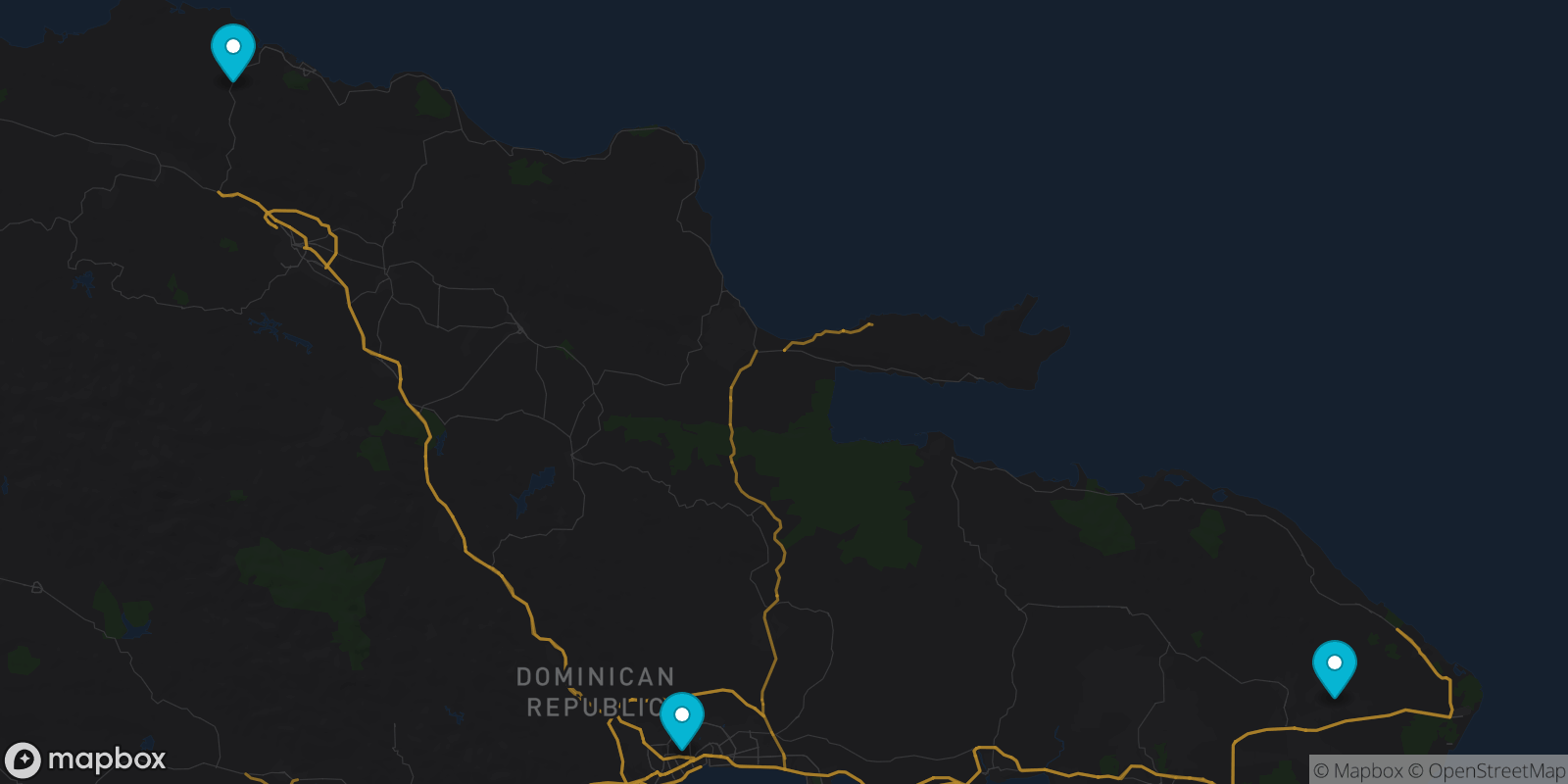
Explore the Region
Dominican Republic Itineraries
View all
Punta Cana Adventure Day for Couples
Weekend · $$$

Punta Cana Romantic Escape: Beach, Spa & Island Adventure
Weekend · $$$$

Tropical Bliss Weekend in Punta Cana
Weekend · $$$

Punta Cana Cultural Immersion: Heritage & Modern Vibes
Week · $$$$

Glamorous Punta Cana Adventure Escape
Weekend · $$$$$
Punta Cana Luxury Romance: Three Days of Beachside Bliss & Culinary Excellence
Weekend · $$$$$
Money-Saving Tips
- 1.Use pesos instead of dollars for better prices — exchange rates at banks beat hotel rates by 10-15%
- 2.All-inclusive resorts often cost less than piecing together hotels and meals separately
- 3.Local comedores serve filling meals for $3-5 while tourist restaurants charge $15-25 for similar food
- 4.Guagua buses cost under $2 for most routes vs $20+ for tourist shuttles
- 5.Buy rum and cigars at local shops, not resort gift stores — prices can be 50% lower
- 6.Negotiate taxi fares before getting in — meters aren't common outside Santo Domingo
- 7.Street food and local markets offer authentic experiences at fraction of restaurant costs
Travel Tips
- •Learn basic merengue steps — locals appreciate the effort and will teach you more
- •Carry small bills for tips and street purchases — breaking large notes can be difficult
- •Download offline maps before exploring — cell service can be spotty in mountain areas
- •Pack reef-safe sunscreen — many beaches now require it to protect coral reefs
- •Bring a waterproof phone case for boat trips and water activities
- •Try the local coffee — Dominican beans are excellent but often overshadowed by tourism focus
- •Respect baseball culture — games are social events where everyone's welcome
Frequently Asked Questions
Explore Dominican Republic
Ready to explore Dominican Republic?
Get a personalized itinerary in seconds with Takeoff.
Free on iOS. No credit card required.