Bonaire
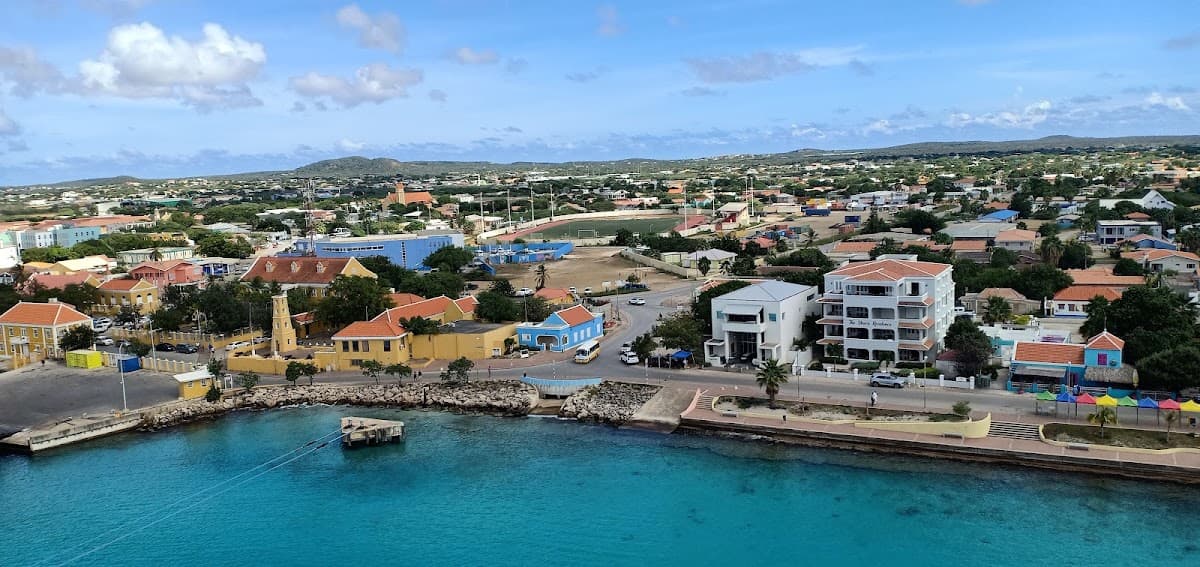
Caribbean diving paradise with pristine coral reefs and flamingos
Bonaire isn't trying to be the next St. Barts or Barbados. And that's exactly why you'll fall in love with it.
This small Dutch Caribbean island runs on dive shop time and flamingo schedules. The coral reefs here are so healthy they make other Caribbean destinations look like underwater graveyards. You can shore dive straight from your hotel. The flamingos outnumber the tourists most days.
But here's what really sets Bonaire apart: it's one of the few places left where you can still feel like you're discovering something. The island has just 20,000 residents, no cruise ship terminals, and beaches where your biggest decision is which shade of blue to stare at.
The diving is legendary – Klein Bonaire's reef system is basically an underwater national park. The flamingos at Pekelmeer Lagoon put on a better show than most Broadway productions. And the trade winds keep things comfortable year-round, even when the rest of the Caribbean is sweltering.
Local Knowledge
Culture & Context
Bonaire is a special municipality of the Netherlands, which means it runs on Dutch bureaucracy but feels nothing like Amsterdam. The population is around 23,000. People here genuinely greet strangers on the street with "Bon dia" — it's not performative, it's just the social fabric. The island's identity is built around the reef. Dive culture isn't a tourism add-on; it's the whole economy and ethos. Locals take coral health seriously and get annoyed when visitors don't. The license plates literally say "Diver's Paradise." Papiamentu is the heart language — a Creole mix of Spanish, Portuguese, Dutch, English, and West African roots. You'll hear it everywhere between locals. Saying even a few words gets you a real smile, not a polished hospitality-industry smile. The island sits outside the hurricane belt, about 80km off the coast of Venezuela, which gives it a dryer, more desert-like landscape above water than most Caribbean islands. First-timers expecting lush jungle are sometimes thrown off. Kadushi cactus towers up to 30 feet, and the terrain is scrubby and arid. That contrast — parched land, extraordinary reef — defines the place. Wild donkeys roam freely and are a genuine road hazard at night.
Safety
Bonaire is assessed as a low-crime area by the US State Department, which issues only a Level 1 advisory (exercise normal precautions). The small population creates a high degree of social control, and most crime that does occur is non-violent and opportunistic — pickpocketing, theft from unattended bags on beaches, and break-ins at rental vehicles. Don't leave gear or valuables in a parked car at dive sites. Use the safe deposit box at your accommodation. The biggest driving hazard is wild donkeys crossing roads at night — streets outside Kralendijk are poorly lit or completely dark. Drive slow after sunset. Street signs are inconsistent or missing; proceed through intersections with caution. Roads become slippery in rain. Emergency number is 911 and police respond quickly. The island's only hospital is Hospitaal San Francisco in Kralendijk, with a 60-bed emergency facility. Medical evacuation insurance is strongly recommended. Tap water is safe to drink — Bonaire produces its own via desalination. Mosquito-borne diseases (dengue, Zika, chikungunya) are a low but real risk; use repellent with DEET especially at dawn and dusk. Bring sunscreen from home — the sun is intense year-round and SPF costs three times more on the island.
Getting Around
There is effectively no public transport system on Bonaire. A car is not optional if you plan to dive more than one or two sites — it's essential. Compact rentals start at $45/day, pickups for dive gear at $65-$150/day. Parking is free everywhere on the island: beaches, dive sites, downtown — no blue zones, no parking meters. Rent from a local company rather than an international one if possible, and verify the deductible situation before signing anything. Some local companies offer $0 deductible which sounds great until you read the fine print. Your credit card's travel insurance may cover rental cars internationally — check before departure. Taxis operate on fixed government-set rates with no meters. From Flamingo Airport to Kralendijk center is $15-$20. Agree on the fare before getting in. Look for license plates marked "TX" for registered taxis. Scooters cost $20-$25/day and work fine for cruising the west coast dive sites, but can't haul dive gear and won't get you into Washington Slagbaai National Park on the unpaved roads. KLM flies daily nonstop from Amsterdam (about 9 hours). From the US, United operates from Houston and Newark, American from Miami, and Delta from Atlanta. Most routes require a US stopover for European travelers. Book flights 3-4 months out — the island's limited capacity means last-minute deals are rare.
Useful Phrases
Good morning
Good afternoon
Thank you — probably the single most useful word you can learn here
Please
Sorry / excuse me
Welcome — you'll hear this directed at you a lot
Goodbye / see you later
Sweet, delicious, beautiful — used for food, people, sunsets, all of it
Local Customs
- •Greet people with 'Bon dia' (good morning) or 'Bon tardi' (good afternoon) when walking into a shop or passing someone on a quiet street. Locals do this automatically and notice when visitors don't.
- •Tipping in euros is a genuine faux pas. The official currency has been the US dollar since 2011. Always tip in dollars — staff cannot convert euros easily.
- •The reef is not a prop. Don't touch corals, stand on the reef, or stir up sediment near it. Gear disinfection before and after dives is required to help prevent the spread of Stony Coral Tissue Loss Disease. Dive operators enforce this.
- •Topless sunbathing and nudity are prohibited on Bonaire's beaches. This isn't loosely enforced.
- •Do not take sand, shells, coral fragments, or rocks from the island. It's illegal and genuinely damages the ecosystem.
- •Use reef-safe sunscreen. Regular sunscreen damages coral and some resorts and dive operators will remind you about this on arrival. Bring it from home — sunscreen costs roughly 3x more on the island.
- •Wild donkeys have right of way on the road, especially at night. Drive slowly after dark, particularly outside Kralendijk.
- •Buy groceries at Warehouse Bonaire for local brands, not the tourist-facing supermarkets. Prices differ significantly.
- •The pace here is genuinely slow. Appointments, service, and meals take longer than you might expect. Getting frustrated about it won't help.
Bonaire Itineraries
Money-Saving Tips
- 1.Dive packages offer better value than paying per dive – most resorts bundle accommodation, unlimited shore diving, and boat trips for significant savings
- 2.Grocery shop at Warehouse Bonaire for the best prices on imported goods, but expect to pay double US prices for most items
- 3.Many dive sites charge $10-25 nature fees – buy an annual pass for $45 if you're staying more than a week
- 4.Rent snorkel gear locally rather than buying – most shops charge $15-20 per day versus $60+ to purchase
- 5.Happy hour at waterfront bars runs 4-6pm with half-price drinks – time your post-dive celebrations accordingly
- 6.Vacation rentals with kitchens save serious money on meals – restaurants average $25-35 per person for dinner
- 7.Book flights well in advance and be flexible with dates – connections through Amsterdam or Miami offer the best deals
Travel Tips
- •Bring reef-safe sunscreen – regular sunscreen is banned to protect the coral reefs, and local alternatives are expensive
- •Download offline maps before arriving – cell service can be spotty at remote dive sites around the island
- •Pack a good dive light even for day diving – many sites have swim-throughs and caves worth exploring
- •Bring cash for dive site nature fees and small vendors – not all locations accept credit cards
- •Learn basic Dutch phrases – while English is widely spoken, locals appreciate the effort
- •Book dive accommodations early during high season (Dec-Apr) – the island only has about 1,000 hotel rooms total
- •Rent a pickup truck if exploring northern Bonaire – regular cars struggle on the unpaved coral roads
- •Visit the flamingo sanctuary early morning or late afternoon when birds are most active and lighting is best for photos
Frequently Asked Questions
Explore Bonaire
Ready to explore Bonaire?
Get a personalized itinerary in seconds with Takeoff.
Free on iOS. No credit card required.