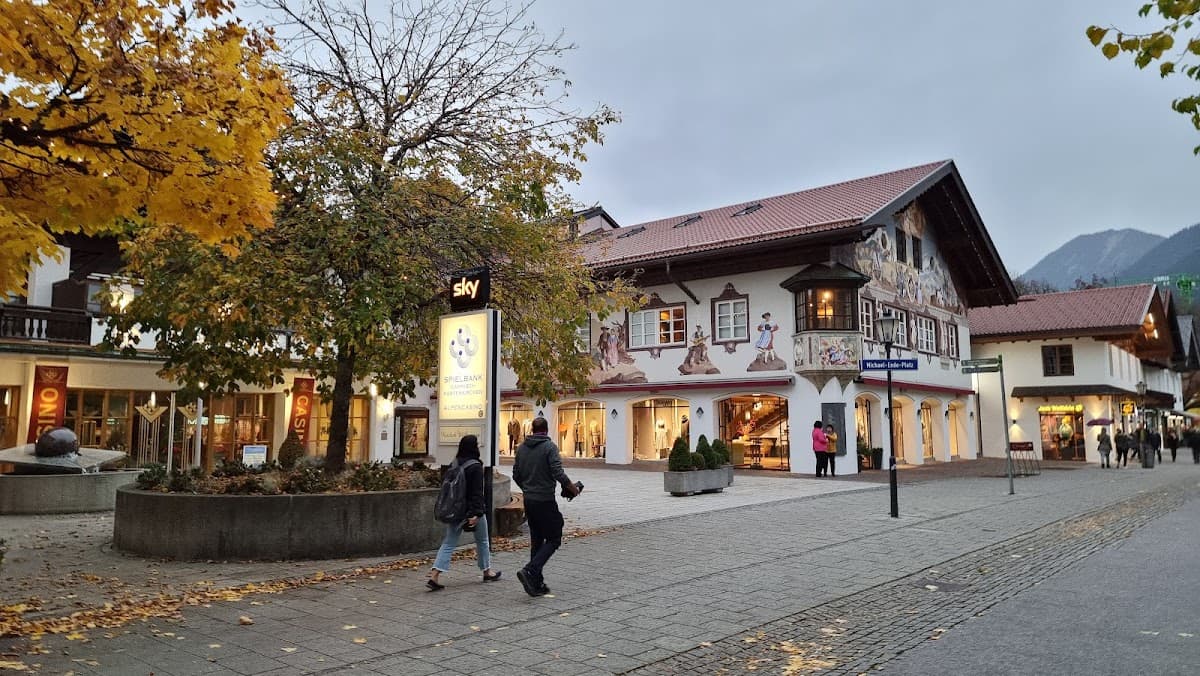
Bavarian Alps
Dramatic peaks perfect for outdoor adventures
The Bavarian Alps rise like a wall of limestone and granite along Germany's southern border, creating one of Europe's most dramatic mountain playgrounds. These aren't just pretty peaks to photograph from the tour bus — they're serious mountains that demand respect and reward those who venture into their valleys with some of the continent's best hiking, skiing, and mountain culture.
Stretching from Lake Constance in the west to Berchtesgaden in the east, the Bavarian Alps pack an incredible variety of landscapes into a relatively compact area. You've got the fairy-tale castle drama of Neuschwanstein near Füssen, the Olympic legacy of Garmisch-Partenkirchen, and the pristine wilderness of Berchtesgaden National Park. But here's what most guidebooks won't tell you: the real magic happens in the smaller valleys and lesser-known peaks where you can still find authentic Alpine culture without the crowds.
Itineraries coming soon
We're working on adding amazing itineraries for Bavarian Alps. In the meantime, try the app to create your own!
Money-Saving Tips
- 1.Buy a Bayern-Ticket for €25/day for unlimited regional transport instead of individual tickets
- 2.Mountain hut meals cost €12-15, but bringing your own food can save €30+ per day
- 3.Many hotels include guest cards with free local transport and lift discounts
- 4.Cable car combo tickets are cheaper than buying individual segments
- 5.Grocery shop in valley towns before heading up — mountain store prices are 30-50% higher
- 6.Book mountain huts directly instead of through booking sites to avoid commission fees
- 7.Winter sports equipment rental is cheaper in towns than at ski resort bases
- 8.Pack a refillable water bottle — mountain spring water is free and excellent
Travel Tips
- •Always carry rain gear and warm layers, even on sunny summer days
- •Download offline maps — cell service is spotty in remote valleys
- •Book mountain huts well in advance for summer weekends
- •Carry cash — many mountain restaurants don't accept cards
- •Start early for popular hikes to avoid crowds and afternoon storms
- •Check weather forecasts obsessively — mountain weather changes rapidly
- •Learn basic German greetings — locals appreciate the effort
- •Bring hiking poles for steep descents to protect your knees
- •Pack sunglasses and sunscreen — UV exposure is intense at altitude
- •Respect trail closures and wildlife protection zones
Frequently Asked Questions
Explore Bavarian Alps
Ready to explore Bavarian Alps?
Get a personalized itinerary in seconds with Takeoff.
Free on iOS. No credit card required.