Old City (Rattanakosin)
Bangkok's royal heart with golden temples and palaces
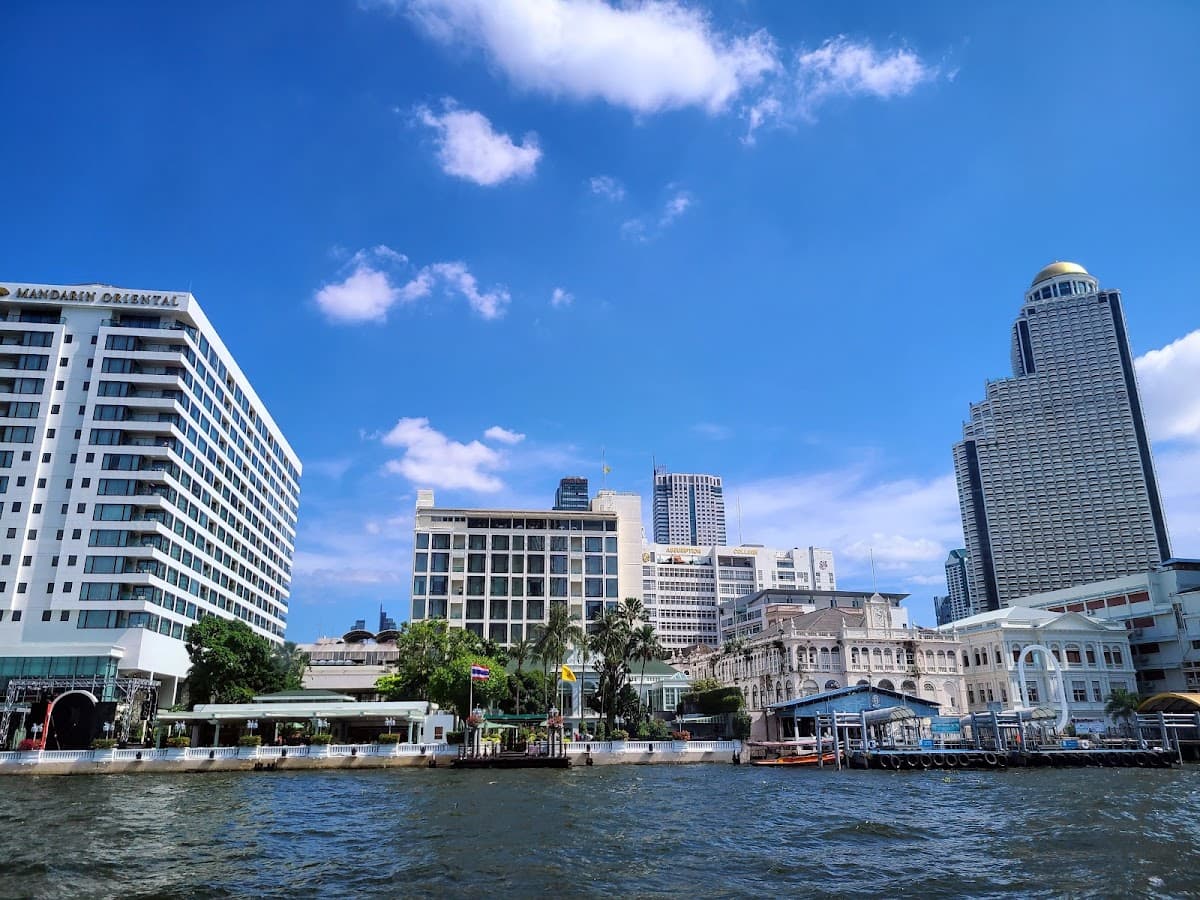
Bangkok's Old City isn't just another tourist district — it's where Thailand's royal story began. Here in Rattanakosin, golden spires pierce the skyline and saffron-robed monks pad silently past 200-year-old palaces. You'll find the Grand Palace, Wat Pho's reclining Buddha, and streets where tuk-tuks weave between food carts selling 40-baht pad thai. The Chao Phraya River curves around this island of temples like a protective moat. Sure, it gets crowded by 10am and the heat can be brutal, but there's something magical about watching sunrise prayers at Wat Arun while the city slowly wakes up around you.
Culture & Context
HIPPOCRATES' ISLAND — BIKES, RUINS & BODRUM VIEWS
Kos sits in the southeastern Aegean, just 4km from the Turkish coast at Bodrum. That proximity is not incidental — it shapes everything about the island's character. Layers of Ancient Greek, Roman, Byzantine, Ottoman, and Italian occupation left behind a streetscape that genuinely reads like an open-air museum. Kos Town was actually rebuilt after a 1933 earthquake by Italian colonizers, so the wide boulevards and neoclassical facades feel European in a strangely un-Greek way.
But the island's deepest identity is Hippocratic. This is the birthplace of Hippocrates, father of modern medicine, and the island leans into it hard. The Asklepieion healing sanctuary 4km from Kos Town draws physicians from around the world on something close to pilgrimage. The ancient Plane Tree of Hippocrates in the town center — about 500 years old, even if legend claims 2,400 — marks the spiritual center of the place.
Here's the other thing Kos is known for: it's flat. Remarkably, unusually flat for a Greek island. That made cycling the default local transport long before anyone thought to market it. A 13km dedicated cycling path runs from Faros Beach to Psalidi. Rent a bike for a few euros and you can genuinely cover the whole northern coast without breaking a serious sweat. That said, peak summer (July–August) turns the tourist strips rowdy. Kardamena especially draws a hard-drinking British crowd. Plan accordingly.
cultural_context_headline: HIPPOCRATES & BIKE PATHS
Local Customs
Philoxenia runs deep here.
Locals — particularly outside the main tourist strips — will offer coffee, directions, and conversation freely. Reciprocate with genuine interest rather than treating it as a transaction..
Meals are communal and slow. Dinner rarely starts before 9pm. Ordering meze (small shared plates) is the norm.
Don't rush the waiter for the bill — it's considered rude to bring it without being asked.. Tip 5–10% at restaurants for good service. Rounding up the taxi fare to the nearest euro is standard.
Neither is mandatory, but both are appreciated.. Cover shoulders and knees when entering churches or monasteries. Swimwear is strictly for the beach and pool — don't walk through Kos Town in a bikini..
Greeks greet with a warm 'Kalimera' (good morning) or 'Kalispera' (good evening) when entering any shop or engaging a stranger. Skipping this comes across as abrupt.. The moutza gesture (open palm thrust toward someone) is deeply offensive in Greece — don't do it, even as a joke..
Name days are celebrated more than birthdays. If a local tells you it's their name day, 'Chronia Polla' (many years) is the right response.
Safety
GENERALLY VERY SAFE — USE TOURIST COMMON SENSE
Kos has a low crime rate and is considered one of Greece's safer tourist destinations. The main risks are the same as any busy Mediterranean island: pickpocketing in crowded market areas and the Kos Town harbor strip, opportunistic bag theft at beach bars, and overly aggressive scooter rental shops. There is no Uber on the island, so stick to official metered taxis or pre-booked transfers.
Sun and sea are the more realistic hazards. Summer temperatures regularly exceed 35°C. Dehydration is a genuine concern, especially if you're cycling or hiking to Zia village. The Thermes hot springs near Agios Fokas are popular, but the thermal water is very hot — enter carefully, and watch the rocky entry points.
Public intoxication is frowned upon culturally, even where it's common practice among tourists in Kardamena. The emergency number for all services is 112. Kos has a hospital and several health clinics. Tap water is technically safe to drink, though most locals and visitors stick to bottled.
safety_headline: VERY SAFE, WATCH YOUR STUFF
Getting Around
BIKES FIRST, BUSES SECOND, SCOOTERS THIRD
The island earned its "cycling island" nickname for good reason. Kos Town and the flat northern coast are genuinely best explored by bicycle. Rental shops are everywhere, charging roughly €5–10/day. The dedicated 13km bike path from Faros Beach to Psalidi is well-maintained.
For longer trips across the island, the KTEL public bus network connects Kos Town with Mastichari, Kardamena, Kefalos, and the airport. A one-way ticket costs about €2. The bus stop is 50m from the airport terminal — buy tickets from the driver. Taxis from the airport to Kos Town run about €25–40 depending on traffic and luggage.
Car rental makes sense for families or anyone planning to hit remote beaches in the southwest. Roads are not heavily trafficked outside Kos Town, and locations and archaeological sites are well signposted. Scooters and quads are popular, but road conditions outside main routes can be rough.
Ferry connections are excellent. Kalymnos is 30–45 minutes away; Bodrum, Turkey is just 20–30 minutes by international ferry. Daily ferries also connect to Rhodes, Leros, Patmos, and Piraeus (Athens, 9–11 hours). Kos International Airport (KGS) has year-round flights to Athens and heavy seasonal European charter and low-cost traffic in summer.
transport_headline: CYCLE THE FLAT NORTH
Useful Phrases
Money-Saving Tips
- 1.Temple entry fees add up fast — Grand Palace costs 500 baht, Wat Pho 200 baht. Buy a combo ticket at the Grand Palace for 700 baht total.
- 2.Eat where you see locals queuing — street food outside temples costs 30-50 baht versus 150 baht at tourist restaurants.
- 3.Take the Chao Phraya Express boat instead of taxis — 15 baht per ride versus 100-200 baht for short distances.
- 4.Stay near Tha Chang pier instead of Khao San Road — better value hotels without the backpacker markup.
- 5.Visit temples early morning (7-9am) when it's cooler — you'll walk more and taxi less.
- 6.Buy water from 7-Eleven (12 baht) not temple vendors (25 baht) — there's one every few blocks.
- 7.Negotiate tuk-tuk prices before getting in — they'll start at 200 baht for a 50-baht journey.
Travel Tips
- •Dress code is strictly enforced — cover shoulders and knees for all temples. Sarongs available for rent at entrances.
- •Start temple hopping by 8am to beat crowds and heat — most open at 6am anyway.
- •Remove shoes before entering temple buildings — wear slip-ons to make this easier.
- •The Grand Palace gets insanely crowded after 10am — go first thing or late afternoon.
- •Download offline maps — GPS can be spotty around the older buildings.
- •Bring a portable fan and water — shade is scarce between temples.
- •Respect photography rules — no photos inside some temple halls, and never turn your back to Buddha images.
- •Learn basic Thai temple etiquette — don't point feet toward Buddha statues, speak quietly.
- •Carry small bills — many vendors and boat operators don't have change for 1000 baht notes.
- •The area floods during heavy rain — waterproof shoes recommended in rainy season.
Frequently Asked Questions
BUILD YOUR
OLD CITY (RATTANAKOSIN) PLAN
Insider picks, smart timing, and a plan ready when you are.
Start Planning