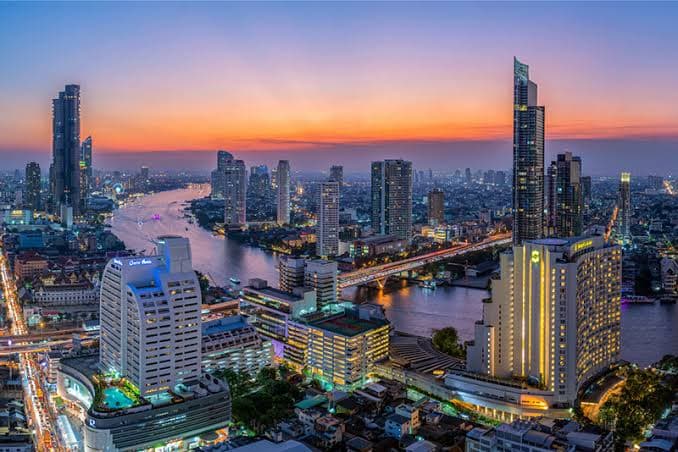
Bangkok
Chaotic metropolis where ancient temples meet modern excess
Bangkok hits you like a wall of heat, exhaust fumes, and possibility. This is a city where monks in saffron robes check their smartphones while crossing streets packed with tuk-tuks, where $1 pad thai tastes better than anything you'll get at home, and where the nightlife doesn't even think about starting until most cities are going to bed.
Look, Bangkok isn't for everyone. The traffic is legendary, the humidity is brutal, and the sensory overload can be overwhelming. But if you can handle the chaos, this city rewards you with some of the best food on the planet, temples that make your jaw drop, and experiences you'll be talking about for years.
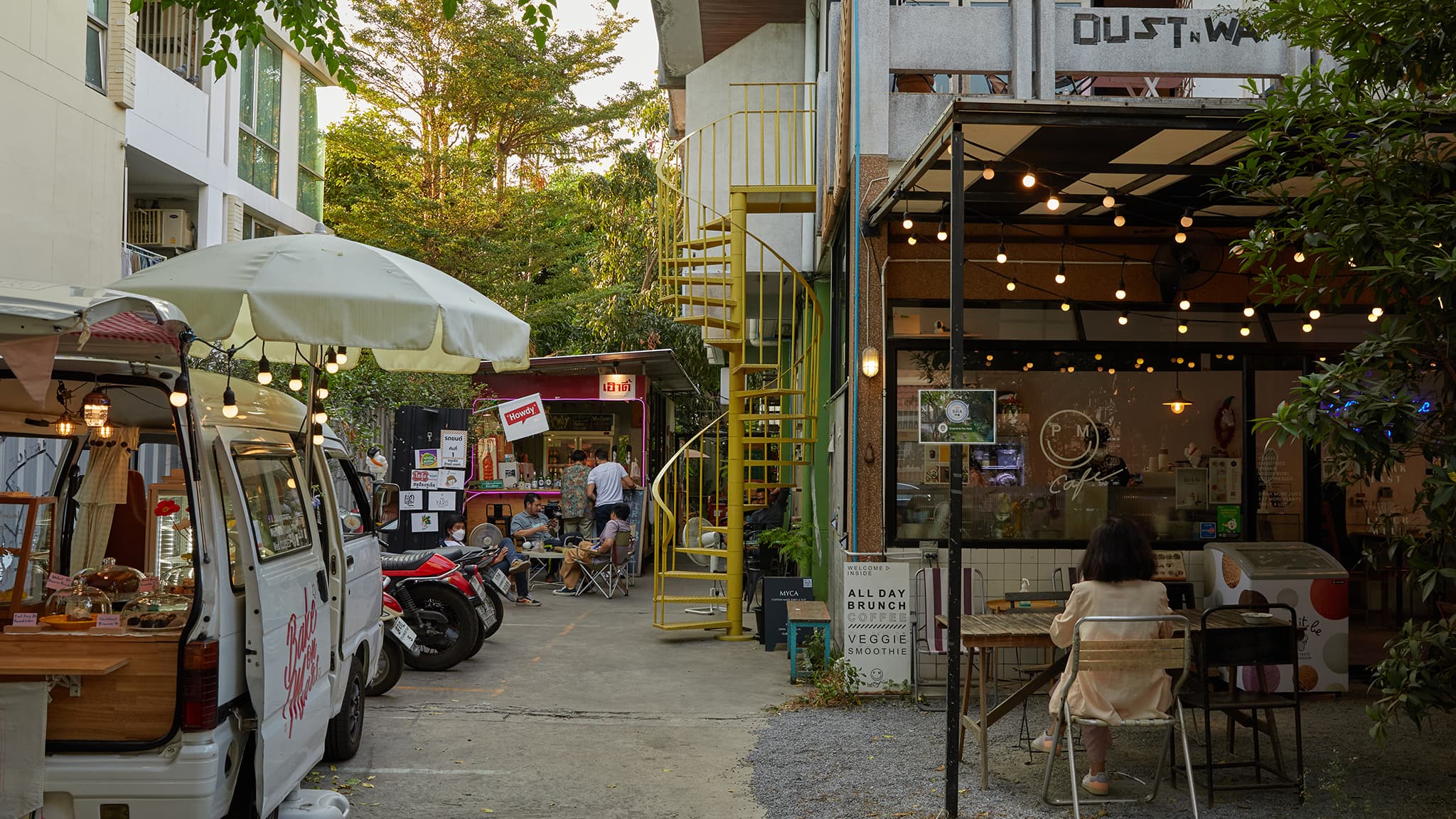
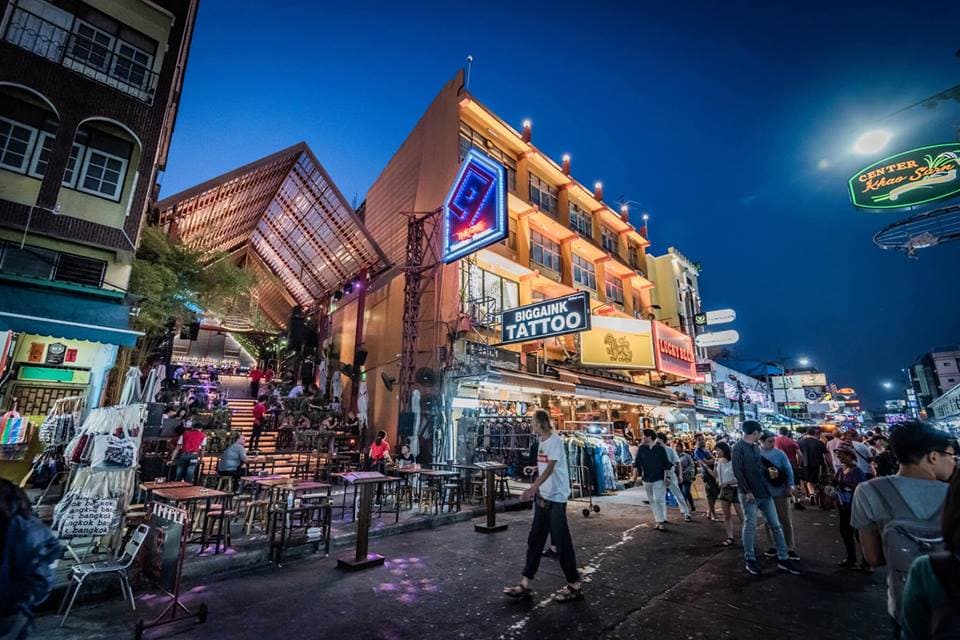
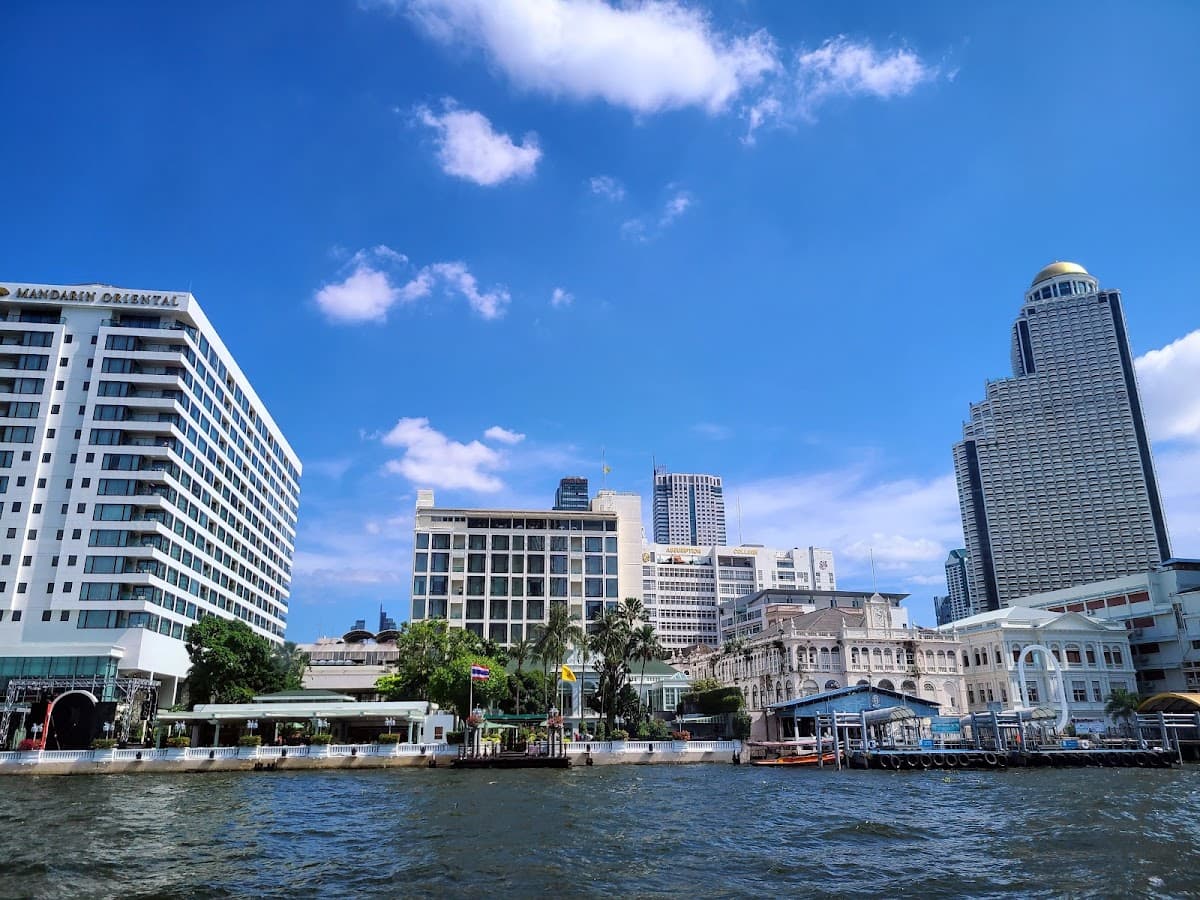
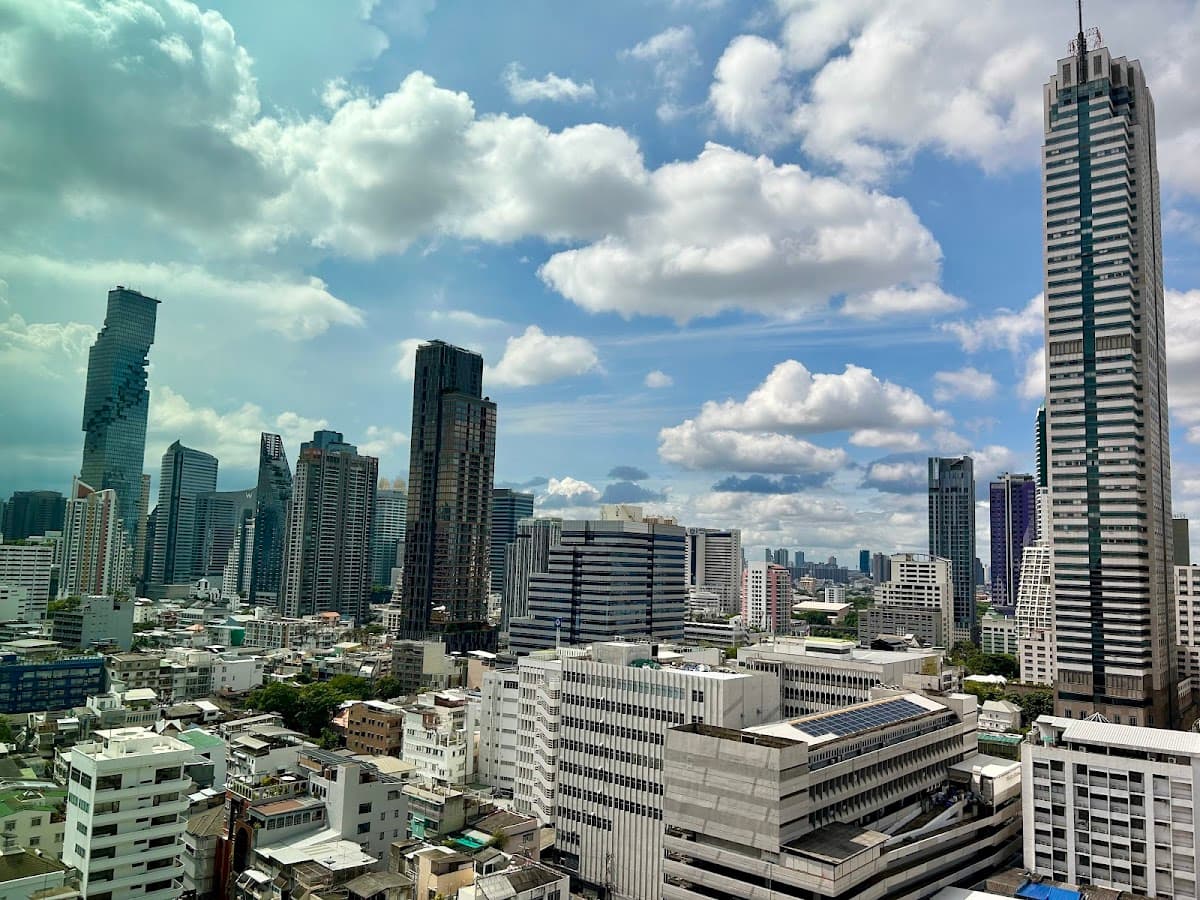
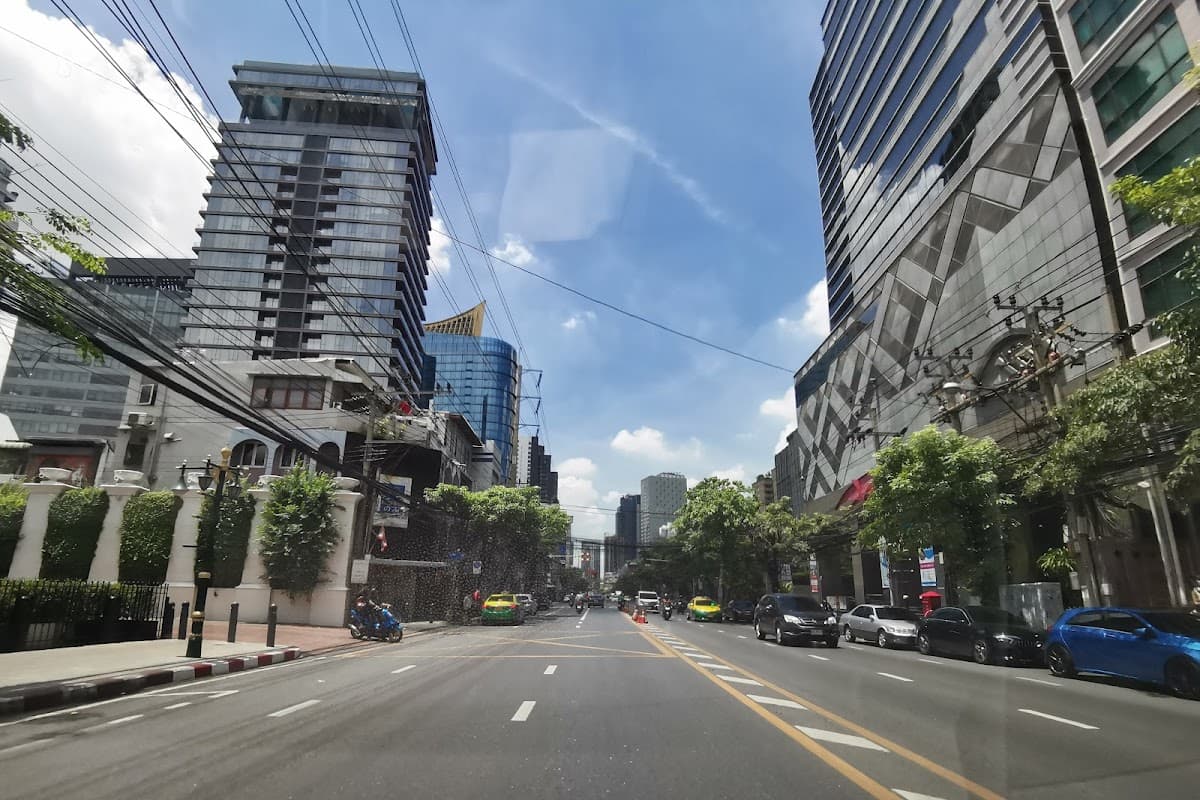
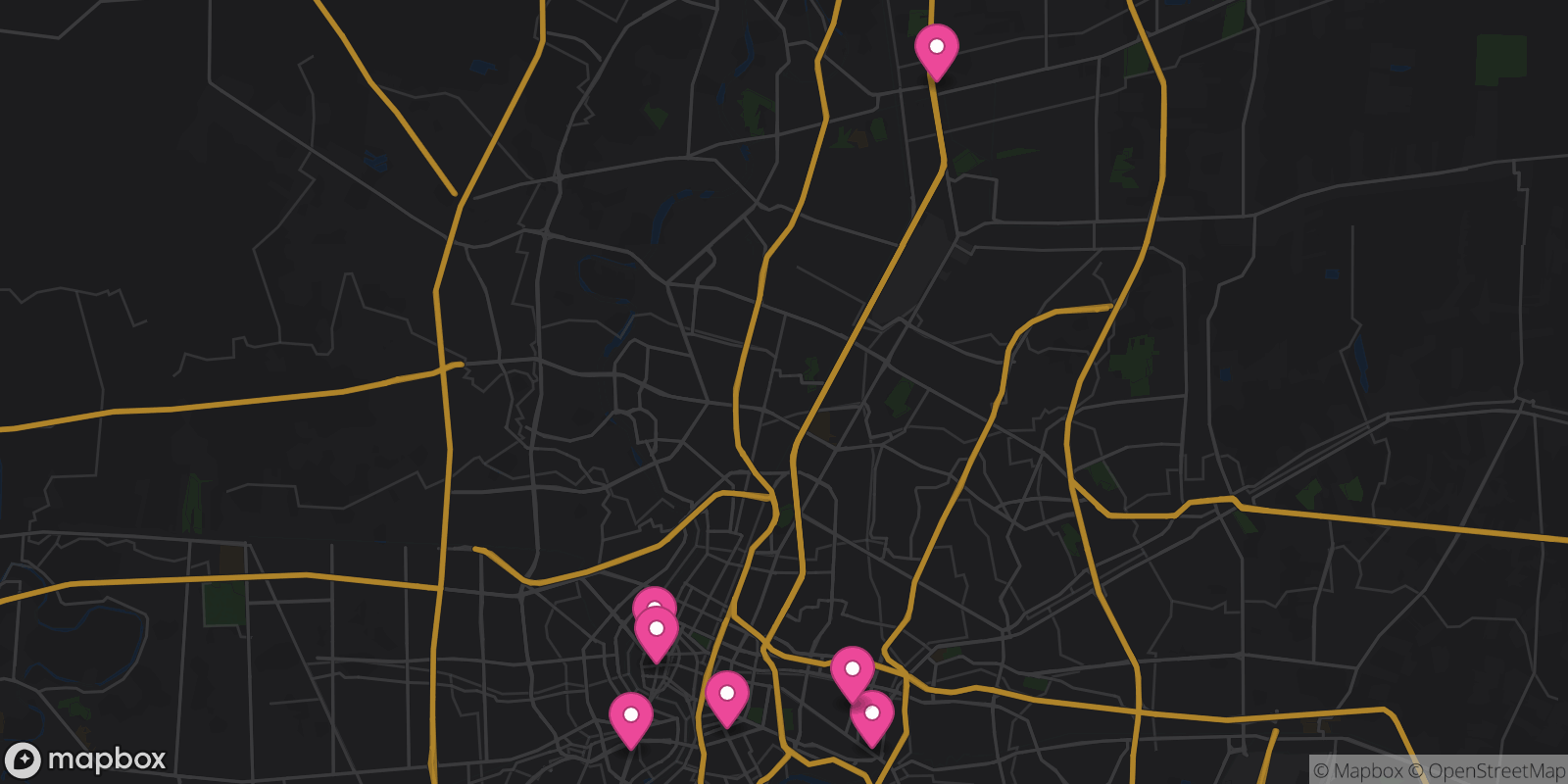
The city sprawls endlessly in every direction, but most travelers stick to a handful of neighborhoods. Sukhumvit for the expat scene, Silom for business and nightlife, Khao San Road for backpackers, and the Old City for temples and history. Each area feels like a different city entirely.
Best Months
JAN · FEB · MAR · NOV · DEC
~32°C · peak crowds
Culture & Context
ANCIENT TEMPLES, MODERN TOWERS
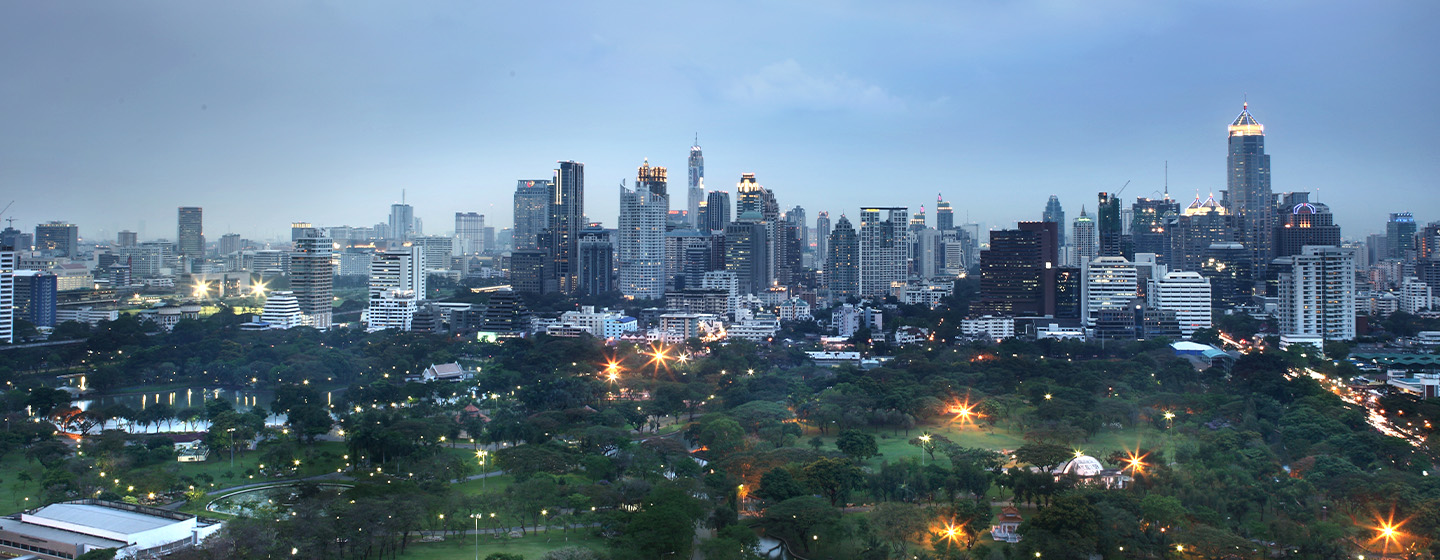
Bangkok is a city of serious contrasts that aren't always immediately obvious. The glass towers, seven-Eleven stores on every corner, and rooftop cocktail bars exist alongside active spirit houses, monks collecting alms at dawn on Sukhumvit, and neighborhoods where almost nothing has changed in decades. It helps to think of the city as several cities stacked on top of each other.
Thai culture puts enormous value on face, harmony, and politeness. Public confrontation is genuinely uncomfortable for most Thai people. If you're frustrated about something — a wrong order, a taxi overcharge, a hotel error — staying calm and smiling will almost always get you further than escalating. This isn't weakness. It's how the culture operates.
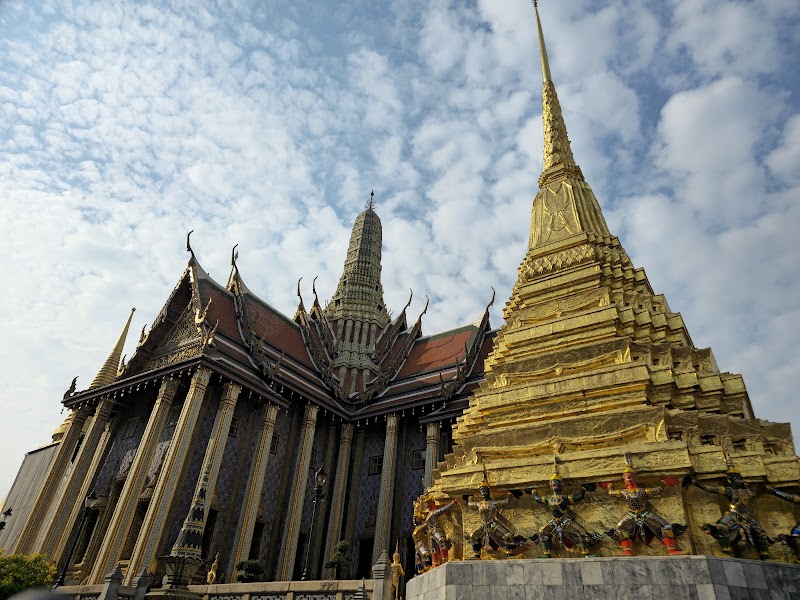
Religion is active here, not decorative. The temples people visit as tourists are the same temples where Thais pray, seek blessings before job interviews, and mark major life events. Treat them accordingly. Wat Phra Kaew (inside the Grand Palace) charges 500 THB for a reason — the maintenance of active religious sites is expensive. But also don't skip the free neighborhood temples, which often have more atmosphere and no tour groups.
Bangkok's food culture runs on a logic of its own. Eating alone at a plastic table on the sidewalk at 11 PM is completely normal and often better than the restaurant across the street charging five times as much. The best bowls of boat noodles or khao man gai aren't necessarily in the tourist zones. They're in the wet markets near apartment buildings where office workers eat lunch.
The heat is real. From March through May it regularly hits 38–40°C with humidity that makes it feel worse. April Songkran falls right in this window, which is part of why the water fights make cultural sense. The BTS and MRT are air-conditioned. Learn to use them.
Local Customs
SMILE & RESPECT MONARCHY
The wai greeting — press your palms together, fingers pointing upward, and give a slight bow. You don't need to initiate it, but always return one when given to you. The higher your hands, the more respect you're showing..
Thailand's lèse-majesté laws are serious. Criticizing the monarchy can result in up to 15 years in prison per offense. This includes defacing currency (which carries the King's image).
Don't joke about this.. Remove your shoes before entering temples, homes when invited, and many traditional restaurants. Look for a pile of shoes at the entrance and follow the lead..
Dress modestly at temples. Cover your shoulders and knees. Some temples at the Grand Palace complex will lend you a wrap if you arrive underdressed, but it's genuinely more respectful to come prepared..
Don't point your feet at people, Buddha images, or sacred objects. Feet are considered the lowest and least sacred part of the body in Thai culture.. Don't touch anyone's head — including children's.
The head is the most sacred part of the body.. Haggling is expected at open-air markets like Chatuchak and Yaowarat Road stalls. It's not appropriate at malls, restaurants, or shops with fixed price signs..
Add ka (female) or krap (male) to the end of sentences. It's the equivalent of saying 'please' and makes every interaction more respectful.. Thais tend to avoid direct conflict.
A wide smile can mean many things, including discomfort. If someone seems to be smiling through gritted teeth, something is off.. Street food stalls with high turnover and long queues of locals are almost always the better choice over tourist-facing restaurants near major sights.
Safety
WATCH PETTY SCAMS
Bangkok is generally safe for tourists. Violent crime against visitors is rare. But petty scams are common enough that going in unprepared will cost you money or stress.
The big ones to know: Never follow a tuk-tuk driver who offers you an unsolicited tour or a suspiciously cheap ride — they're taking you to gem shops or tailor stores for commission. The classic gem scam involves being shown 'investment quality' stones that are worth a fraction of what you pay. Taxi drivers near major hotels and tourist sites sometimes refuse to use the meter. The solution is simple: use the Grab app. For street taxis, the meter must start at 35 THB. If it doesn't, get out.
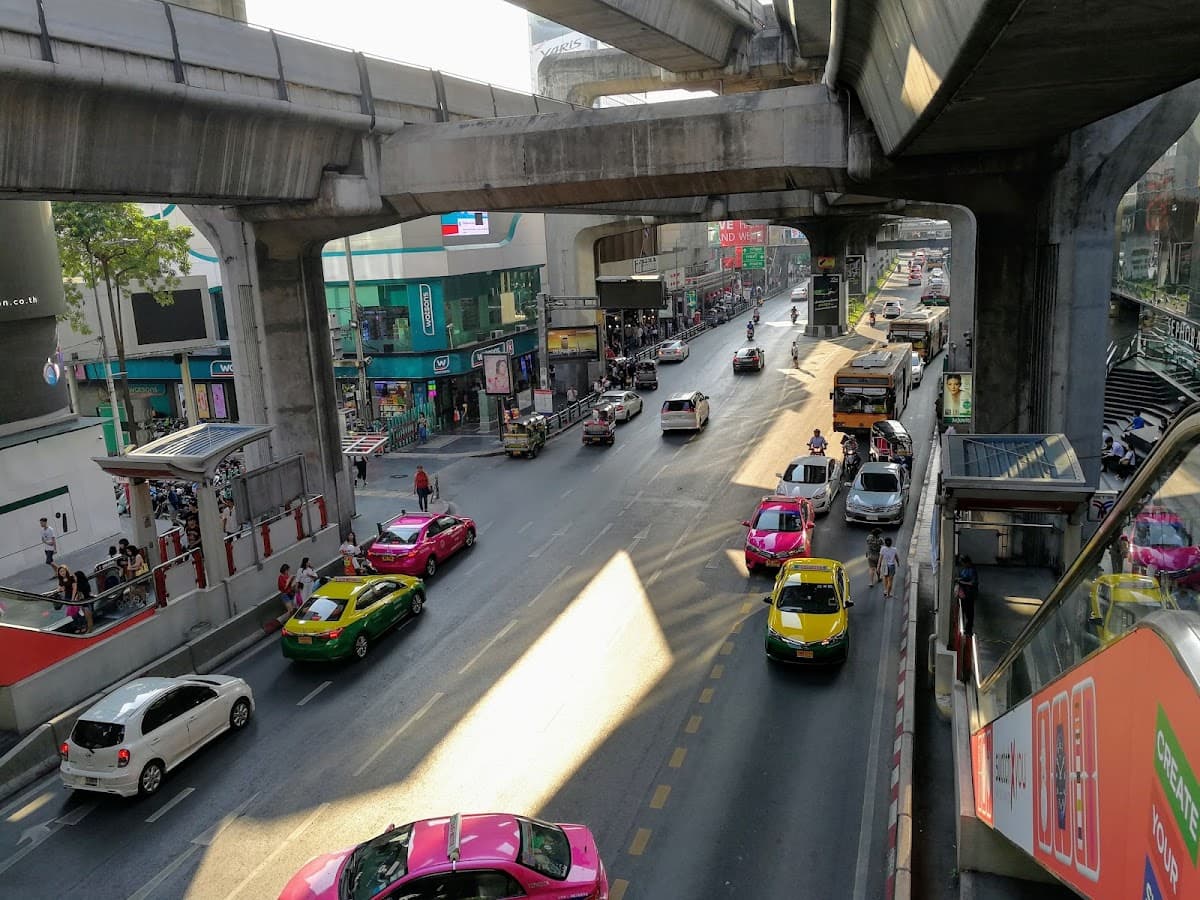
Traffic is by far the most dangerous thing in Bangkok. Over 100,000 accidents happen annually, and a third of victims are pedestrians. Motorbikes run red lights and use sidewalks. Look both ways on one-way streets. Don't assume a green pedestrian signal means it's safe to cross.
Don't drink tap water. Bottled water is available everywhere for 7–10 THB. Watch your bag in Chatuchak Market, on the BTS during rush hour, and around Khao San Road. Pickpocketing does happen. Keep valuables in front pockets or a money belt.
Dengue fever is a real risk during rainy season (June–October) — use repellent with DEET. Bangkok's private hospitals, including Bumrungrad International and Samitivej, are world-class and significantly cheaper than equivalent care in the US or UK. Travel insurance is still strongly recommended.
Tourist Police can be reached at 1155 and have English-speaking officers. For general emergencies, dial 191.
Getting Around
BTS & MRT REQUIRED
The BTS Skytrain and MRT are the only sane ways to get around central Bangkok during daylight hours. Traffic averages 11 km/h in peak periods. Seriously. The BTS runs from 5:15 AM to midnight and covers most of the tourist and expat zones — Sukhumvit, Silom, Siam, Chatuchak Market, and connections to the Airport Rail Link at Phaya Thai. Fares run 17–65 THB depending on distance. A one-day unlimited pass costs 153 THB, useful if you're doing a lot of stops. Get a Rabbit Card (50 THB deposit + loaded value) for convenience — you can recharge at stations and 7-Elevens.
The MRT (underground metro) complements the BTS and is now massive, covering the Blue, Purple, Pink, and Yellow Lines. For tourists, the Blue Line is the most useful — it connects Chinatown, the Old City area, Chatuchak, and Hua Lamphong train station. MRT fares start at 17 THB. You can now tap contactless Visa/Mastercard directly at MRT gates, which is genuinely convenient. Key BTS-MRT interchanges: Asok/Sukhumvit, Sala Daeng/Si Lom, Mo Chit/Chatuchak. Note that transfers between systems require exiting one and entering the other — there's some walking involved.
The Chao Phraya Express Boat is underused by tourists and brilliant for reaching the Old City and riverside temples. It runs 6 AM to 7 PM. Orange-flag boats stop at almost every pier. Blue-flag tourist boats are easier for first-timers and offer a hop-on hop-off day pass. Get on at Sathorn Pier (walk from BTS Saphan Taksin). For Wat Arun, take the 5-baht cross-river ferry from Tha Tien Pier — it's 90 seconds across the water.
Grab works well for places the trains don't reach. Download it before you arrive. Never take an unlicensed taxi at the airport — use the official metered taxi queue on Level 1 at Suvarnabhumi or the Airport Rail Link to Phaya Thai BTS (45–60 THB vs. 300–500 THB for a taxi depending on traffic).
Tuk-tuks are fun, noisy, and absolutely not the cheapest option despite looking like they should be. Negotiate before you get in. A short ride shouldn't exceed 100–150 THB. Never take a tuk-tuk tour from a stranger. Motorbike taxis (orange vests) are fast for short hops in jammed streets — 20–50 THB for most trips — but not recommended for anyone unfamiliar with Bangkok's road chaos.
Useful Phrases
Explore Neighborhoods

Explore the Region
Bangkok Itineraries
View all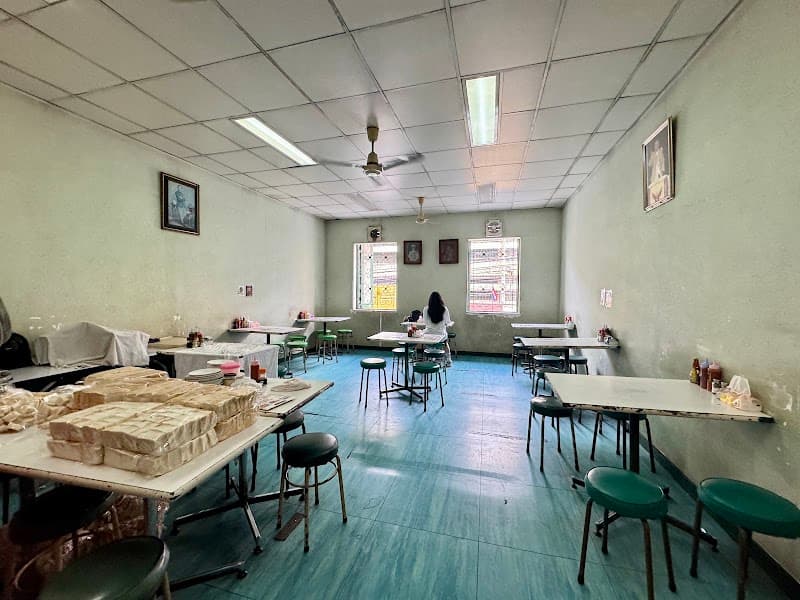
Bangkok Adventure: Temples, Markets, Waterways, and Sky-High Thrills
Weekend · $$$
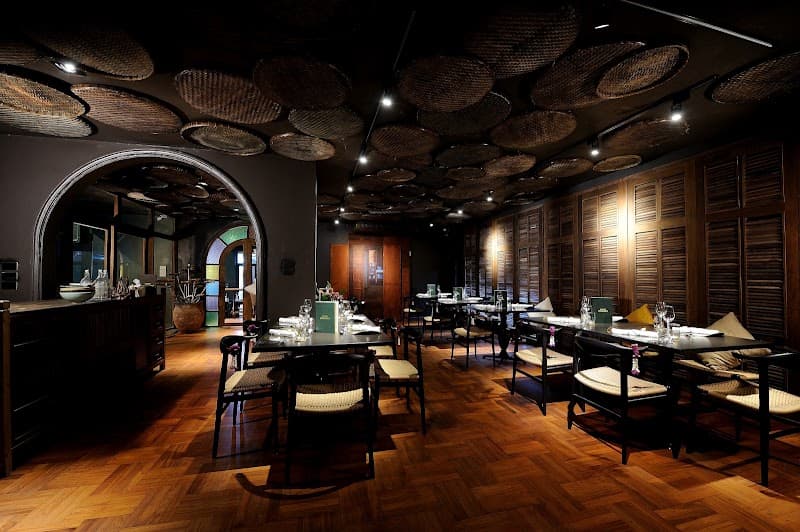
Bangkok Bliss: Luxe Culture, Spa, and Nightlife Escape
Weekend · $$$$$
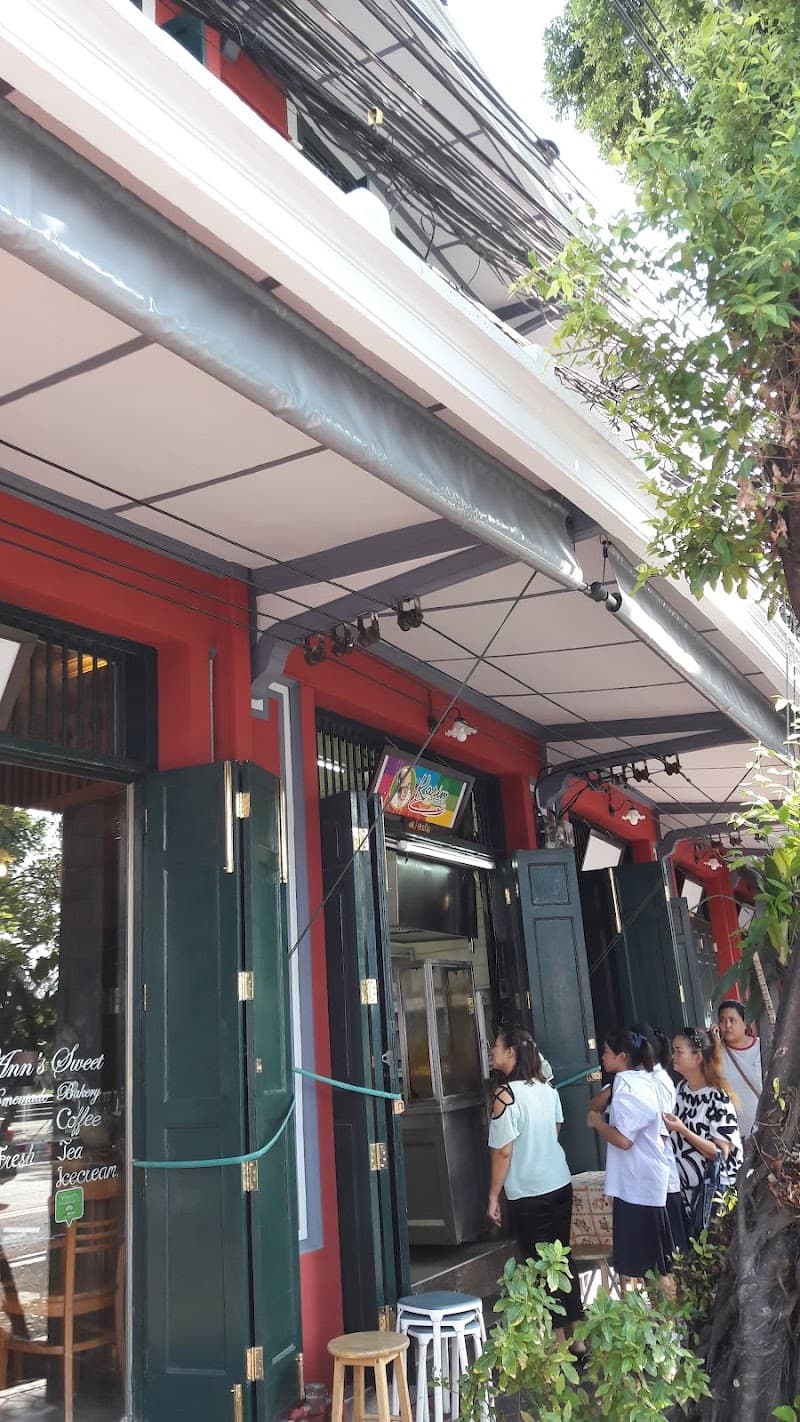
Bangkok in 48 Hours: Temples, Riverlife & Hidden Greens
Weekend · $$$
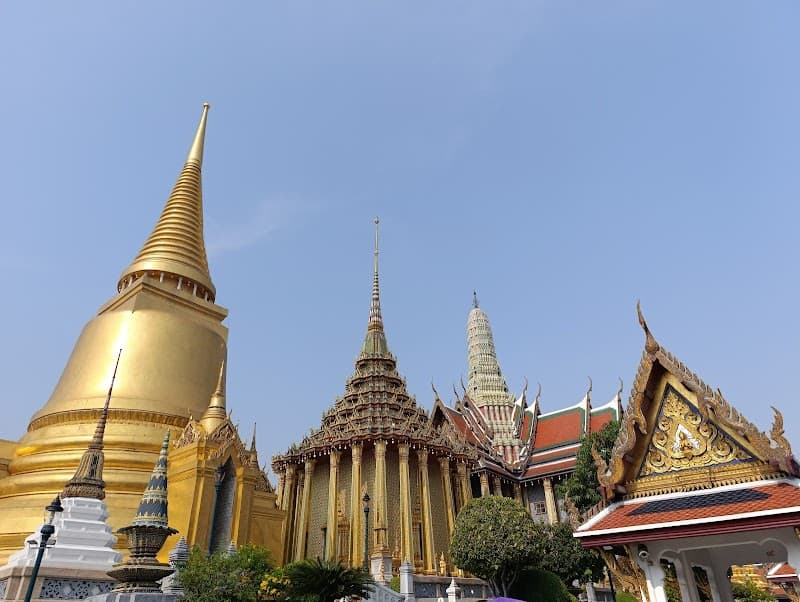
Bangkok in Two Days: Rivers, Royal Temples, and Rooftop Indulgence
Weekend · $$$$$
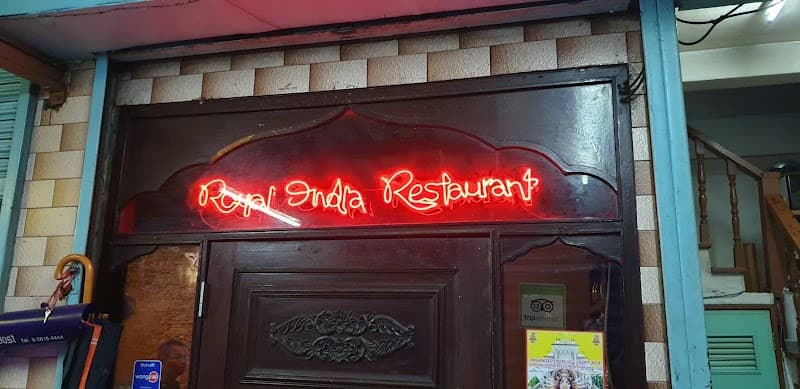
Bangkok Balance: Culture, Wildlife & Urban Indulgence (Days 3–6)
Weekend · $$$$
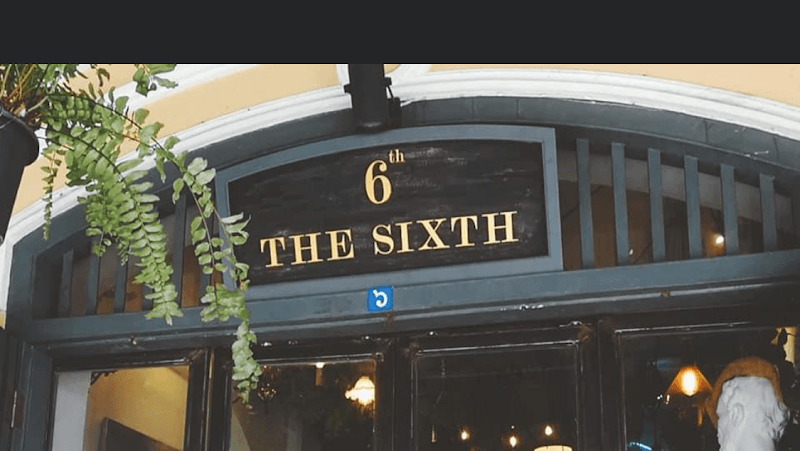
Slow-Style Bangkok: Temples, Tastes & Skyline Nights
Weekend · $$$$
Where to Stay in Bangkok
9 recommended properties
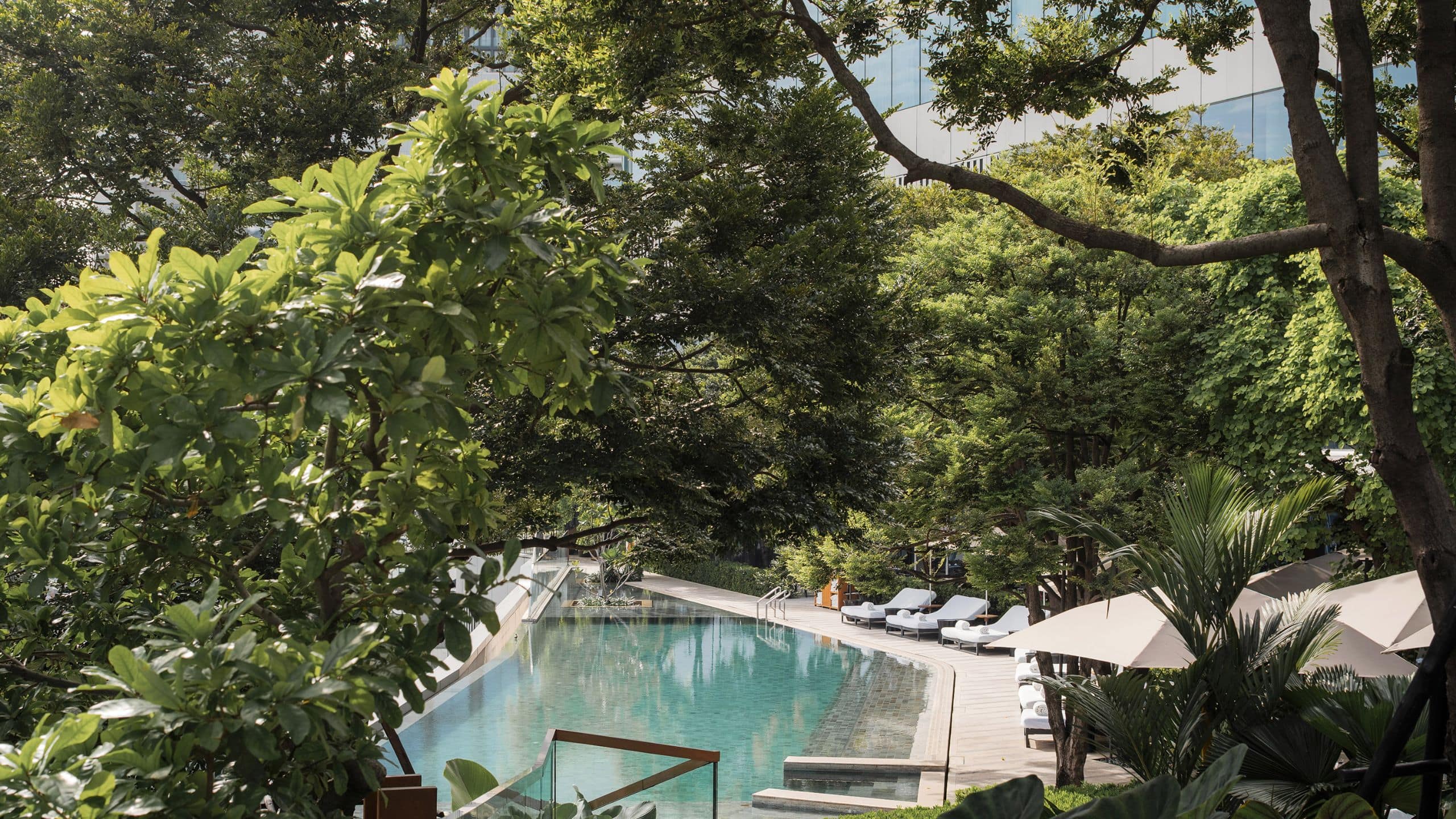
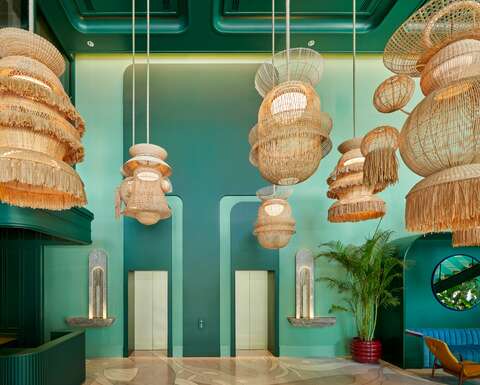
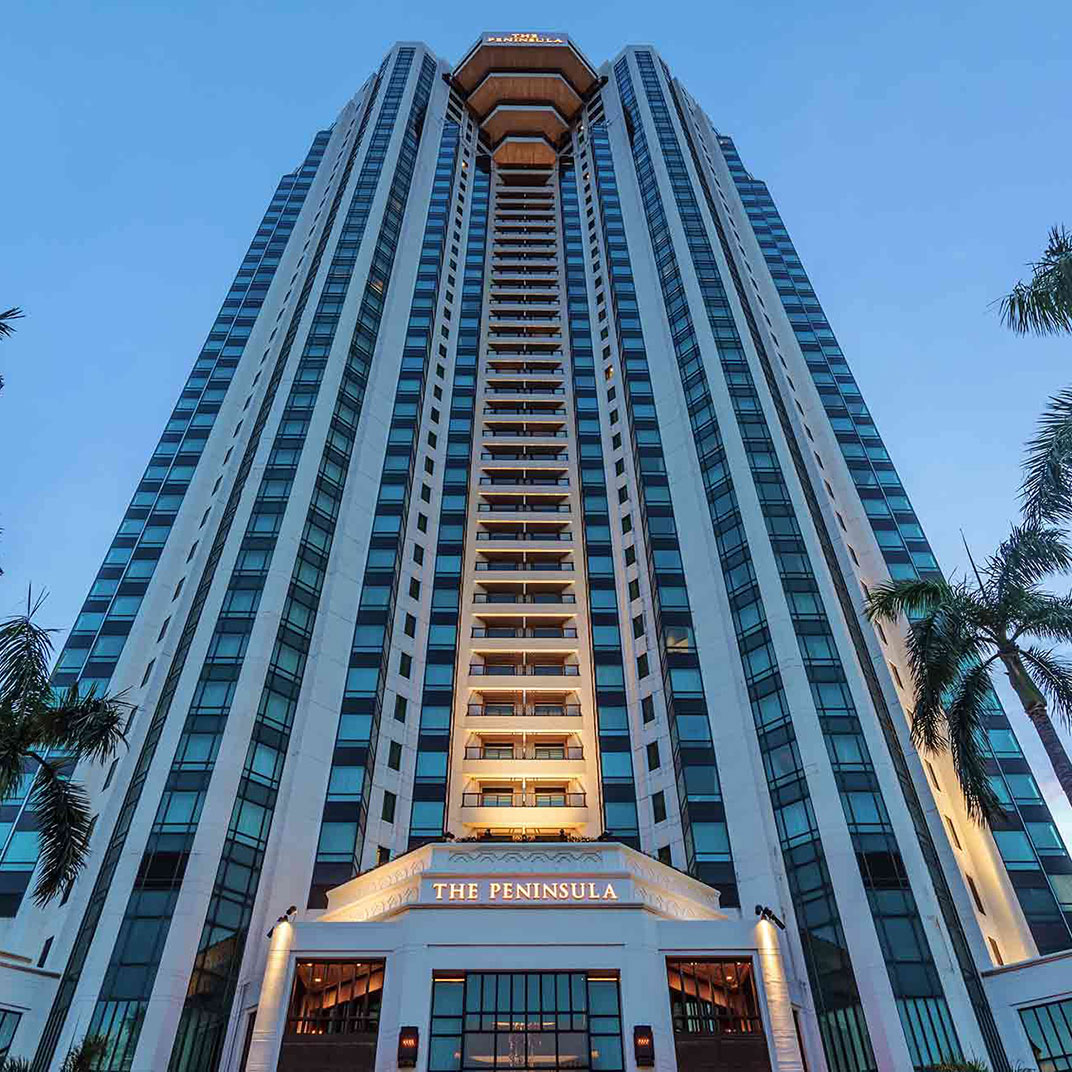
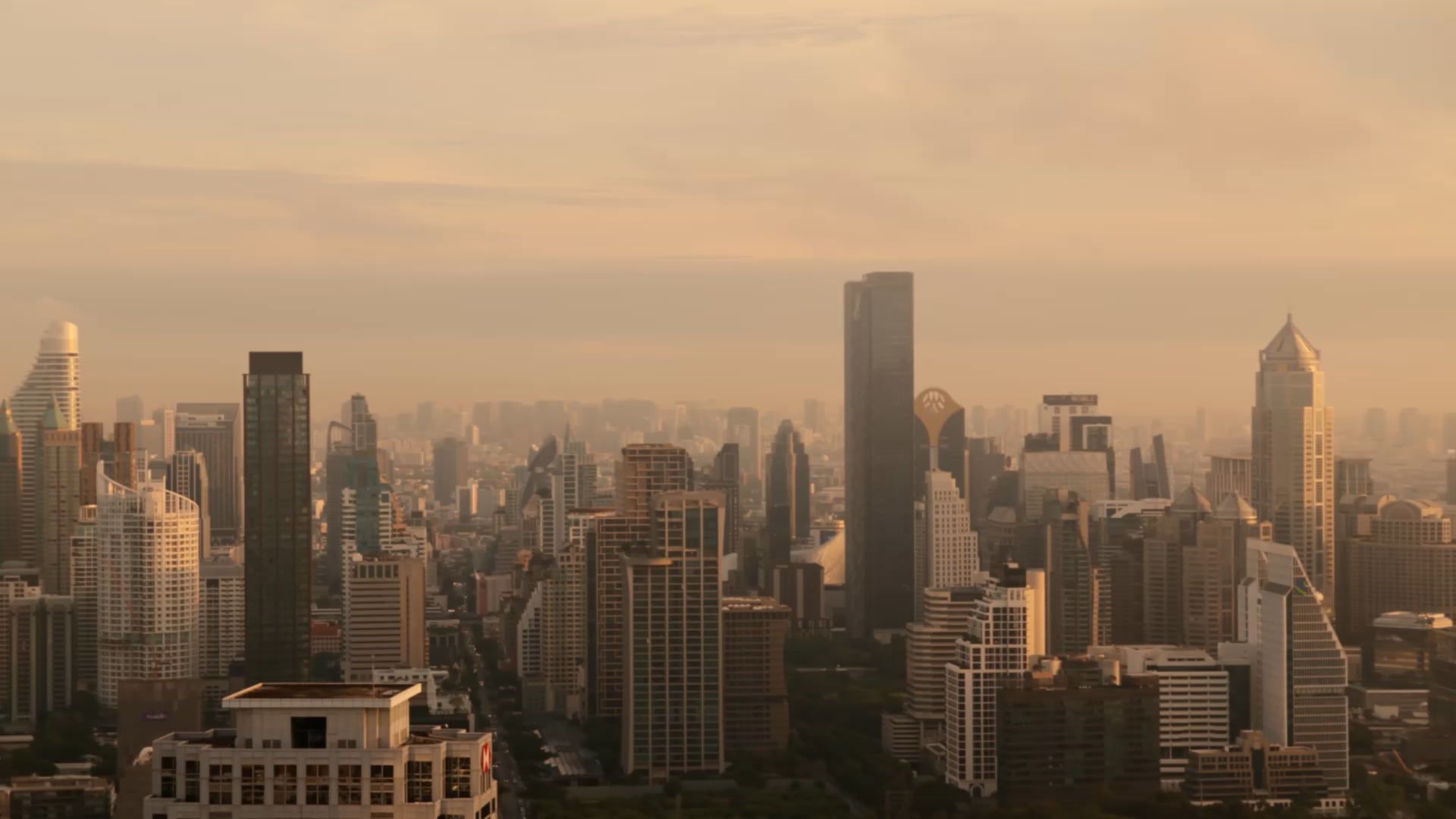
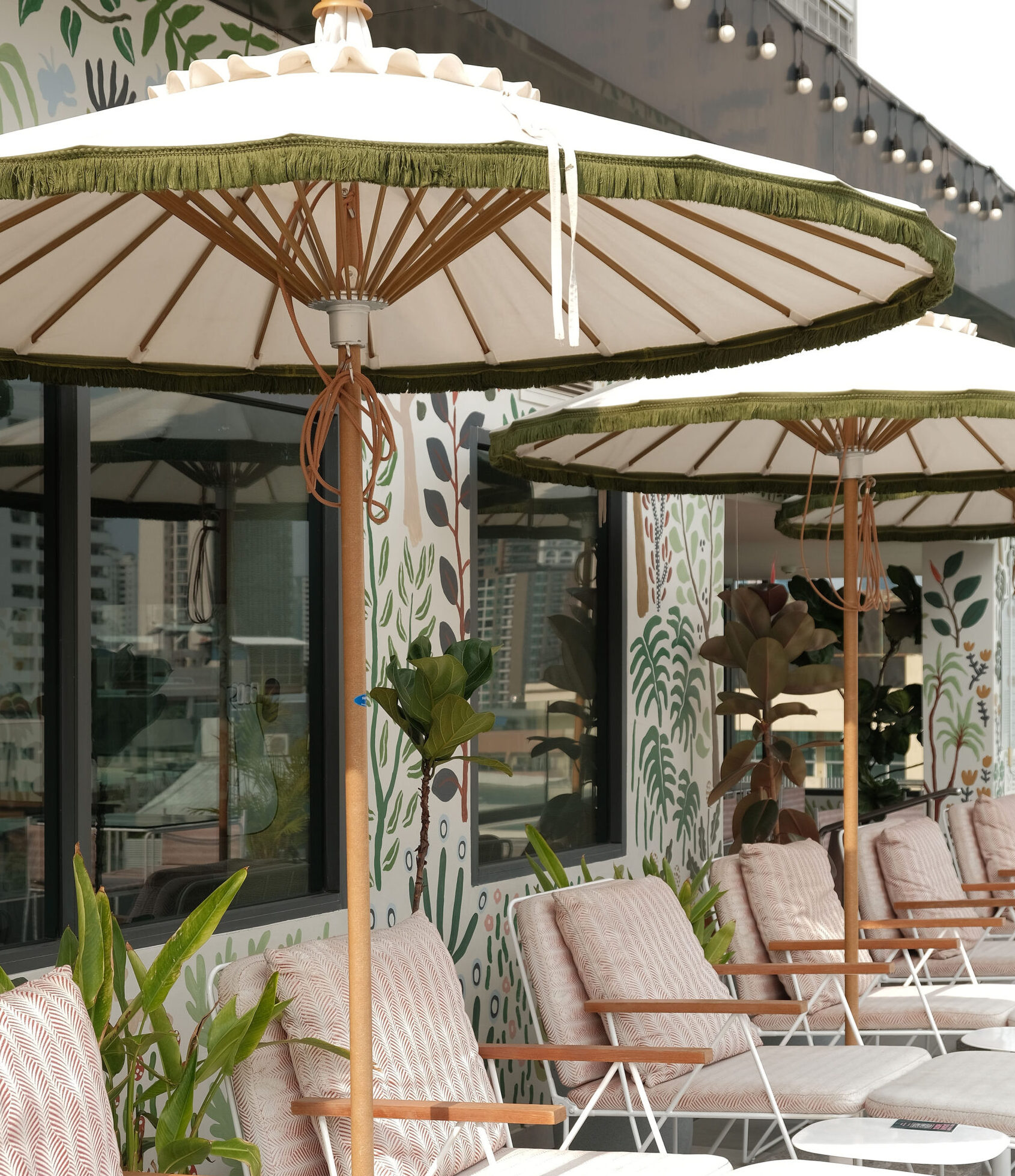
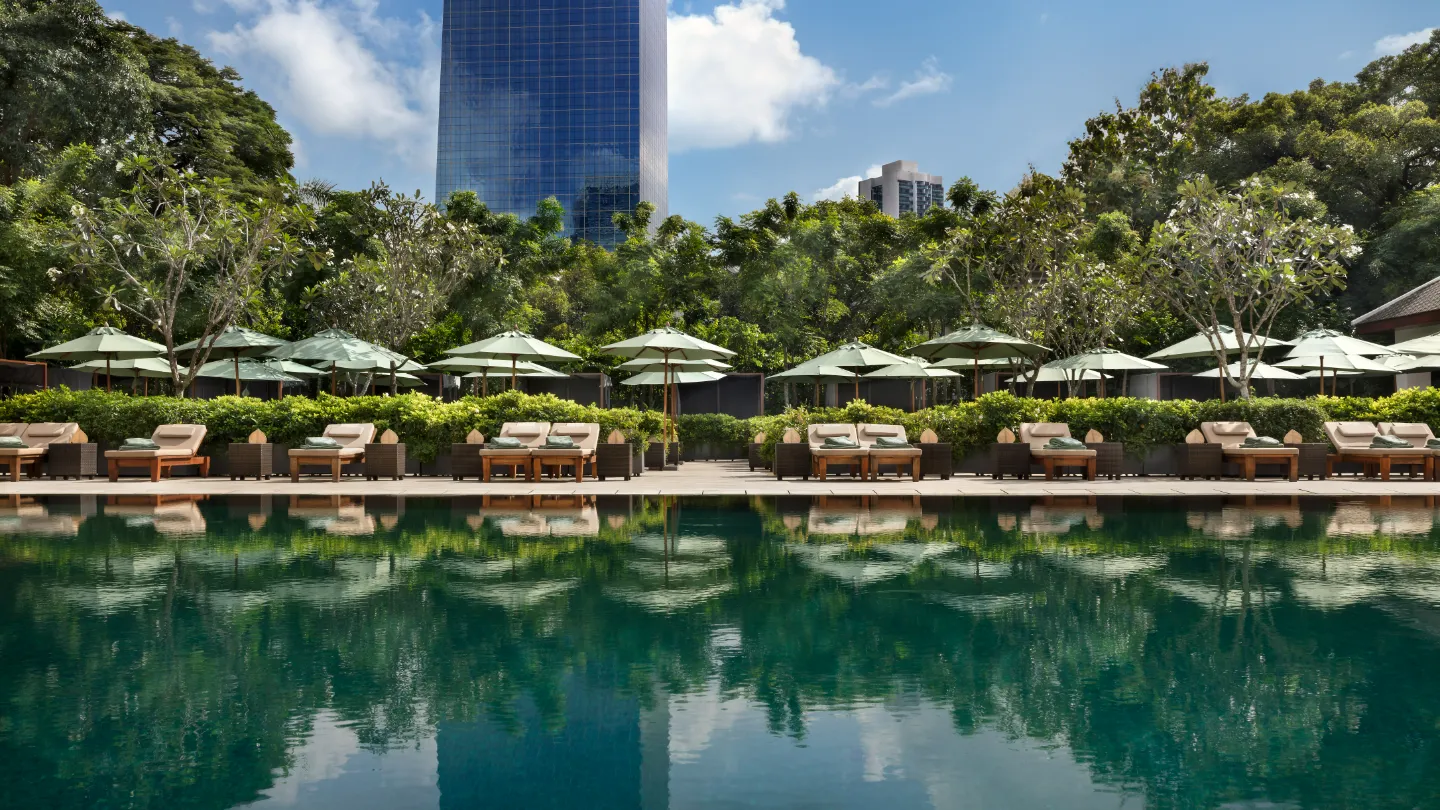
Things to Do in Bangkok
Grand Palace & Wat Phra Kaew
Old City (Phra Nakhon) · 120 min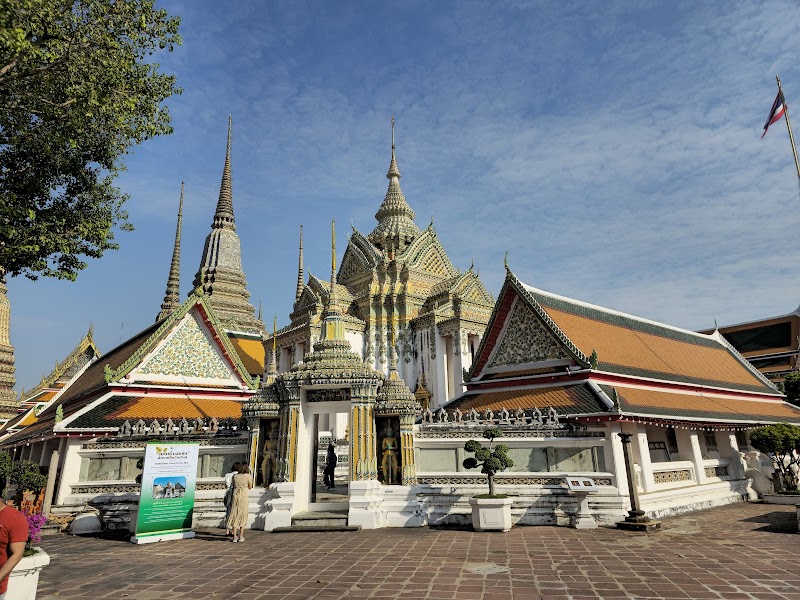
Wat Pho
Old City (Phra Nakhon) · 90 min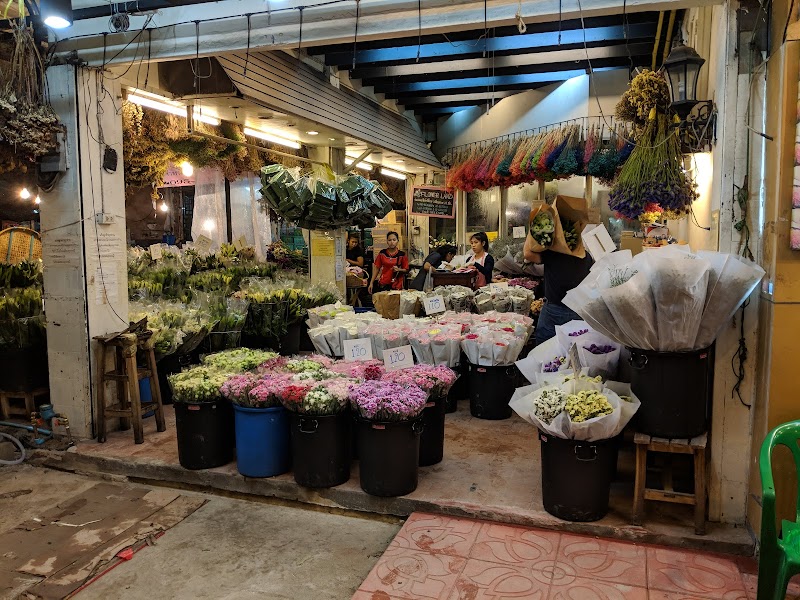
Pak Khlong Talat Flower Market
Old City (Phra Nakhon) · 90 minMoney-Saving Tips
- 1.Street food costs 30-80 baht per dish – eat where locals eat and you'll spend under 200 baht per day on incredible food
- 2.BTS day passes at 140 baht beat individual tickets if you're making more than 4 trips
- 3.Hostels in Khao San Road start at 300 baht per night, while Sukhumvit hotels can hit 3,000+ baht
- 4.Negotiate tuk-tuk prices before getting in – locals pay 60-100 baht for short trips
- 5.Temple entry fees range 50-200 baht, but many neighborhood temples are free to visit
- 6.Happy hour at rooftop bars (usually 5-7pm) cuts drink prices nearly in half
- 7.Weekend markets offer better prices than shopping malls – bring cash and bargain politely
Travel Tips
- •Download offline maps – GPS works great but data can be spotty in crowded areas
- •Carry toilet paper and hand sanitizer – not all public restrooms are well-stocked
- •Dress modestly for temples – shoulders and knees covered, or rent coverings at entrances
- •Keep your passport copy on your phone – police occasionally check foreigners' documents
- •Learn basic Thai numbers for market bargaining – vendors appreciate the effort
- •Avoid street food that's been sitting in the sun for hours – trust your nose
- •Book accommodations with air conditioning – fans aren't enough in Bangkok's humidity
- •Carry small bills – street vendors and tuk-tuk drivers rarely have change for 1,000 baht notes