Darwin
Australia's tropical northern gateway to adventure and culture
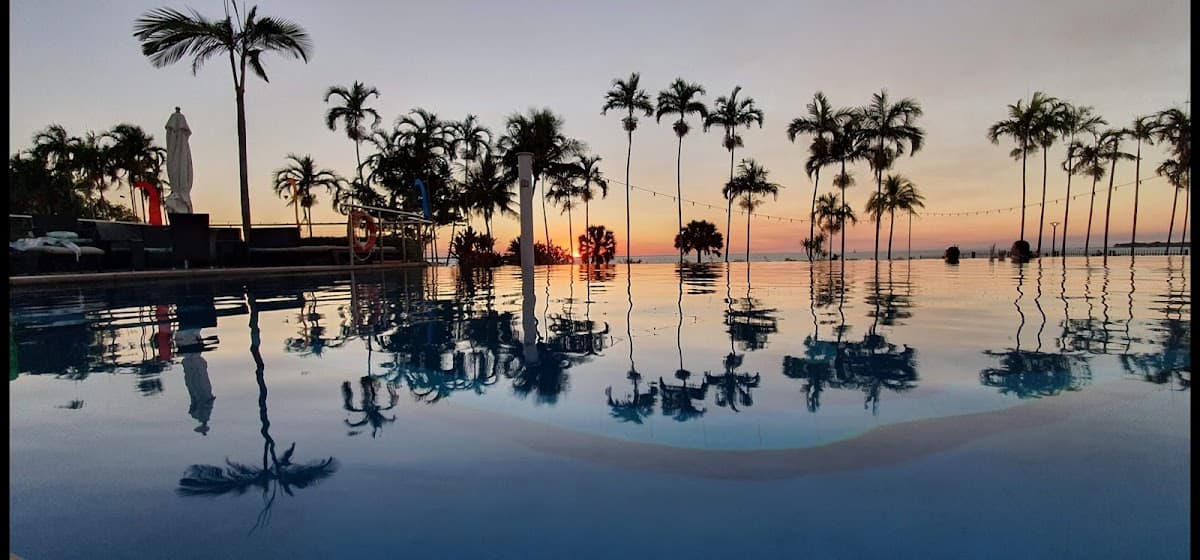
Darwin sits at Australia's northern tip like a laid-back tropical outpost that somehow became a cosmopolitan city. This is where crocodiles cruise through mangroves minutes from craft cocktail bars, where Asian street food vendors set up next to Aboriginal art galleries, and where the sunset over Darwin Harbour turns the sky into liquid gold every single night.
The city rebuilds itself every few decades — cyclones have a way of keeping Darwin humble — but that constant renewal gives it an energy you won't find anywhere else in Australia. Here's a place where backpackers planning Kakadu adventures drink beer alongside mining executives just back from the Pilbara, where you can spot saltwater crocodiles on Adelaide River in the morning and catch live music at the Deckchair Cinema under the stars that same evening.
Best Months
MAY – SEP
~31°C · high crowds
Culture & Context
ABORIGINAL & RESILIENT
Darwin sits at the very top of Australia, closer to Bali than to Sydney. That geography shapes everything. The Larrakia people are the traditional custodians of the land and sea country around Darwin, with a continuous culture stretching back over 60,000 years.
Their presence is woven into the city in a way you don't find further south. Darwin has two seasons, not four. The Wet (November to April) brings dramatic storms, humidity that feels physical, and roads that flood.
The Dry (May to October) is when everything happens: perfect evenings, packed markets, the festival circuit. The city was bombed by Japanese forces in 1942 in Australia's largest-ever foreign attack on home soil, then flattened again by Cyclone Tracy on Christmas Day 1974, which killed 71 people and destroyed 70% of buildings. Darwin has rebuilt itself twice.
That history leaves a resilience and a slightly irreverent attitude that feels different from polished southern cities. The multicultural mix here runs deep, with strong Southeast Asian and Aboriginal influence visible especially in the food and arts scenes.
Local Customs
CROCS & SUNSETS
Tipping is not expected or required. Australian minimum wage laws mean hospitality workers earn a fair wage. Rounding up at a nice dinner is appreciated but never obligatory..
The sunset at Mindil Beach is treated like a communal event. Locals bring rugs, snacks, and dogs. Turning up, watching the sun drop into the harbour, and applauding when it disappears is a genuine Darwin ritual..
Respect Aboriginal culture seriously. At places like Ubirr in Kakadu, Traditional Owners ask you not to photograph the ancient rock art. Follow those instructions without debate..
BYO (bring your own alcohol) is common at many Darwin restaurants. Check in advance and bring a good bottle instead of paying restaurant markups.. Thongs (flip flops) are completely acceptable footwear almost everywhere except a handful of upscale spots.
Overdressing is more likely to get you a second look than underdressing.. When locals say 'croc safe', they mean it literally. Do not swim in any natural body of water that isn't clearly signed as safe.
Crocodiles are present in Darwin Harbour and waterways. No photo is worth it.. Box jellyfish season runs October through April in northern waters.
Avoid unprotected ocean swimming during the Wet season without checking marine stinger advice.. 'My shout' means it's your turn to buy the next round of drinks. Accept it, reciprocate it, and you'll fit in fine.
Safety
WATER IS DANGEROUS
Darwin is generally safe for tourists, but it has a specific profile worth understanding. The natural environment is the biggest genuine risk. Do not swim in any unmarked natural waterway.
Saltwater crocodiles inhabit Darwin Harbour and surrounding waterways, and they are not visible until it's too late. Box jellyfish make unprotected ocean swimming dangerous between October and April. Heat exhaustion is real.
Temperatures regularly hit 30°C+ year-round; carry water, wear sunscreen, and don't underestimate the sun. At night, the CBD and Mitchell Street bar strip can get rough, particularly around closing time. Petty theft and property crime (smashed car windows) are reported by residents.
Lock your car, don't leave valuables visible, and stick to lit areas after dark. Solo night walks in the CBD are not recommended. Darwin is a tolerant and diverse city, and the majority of visits are completely trouble-free.
For emergencies, call 000 for police, fire, or ambulance. Non-urgent police: 131 444. The ETA visa system now processes applications within 24 hours for 63 eligible nationalities via the mobile app launched in February 2026.
COVID-19 testing requirements were permanently removed January 1, 2026.
Useful Phrases
Itineraries coming soon
We're working on adding amazing itineraries for Darwin. In the meantime, try the app to create your own!
Money-Saving Tips
- 1.The Mindil Beach Sunset Market offers the best value eating in Darwin — $8-12 gets you a substantial meal from quality food trucks
- 2.Free City Loop bus saves taxi fares around the CBD — runs every 15 minutes and hits all major attractions
- 3.Many accommodation places offer free airport transfers — ask when booking to save $25+ on taxi rides
- 4.Happy hour at waterfront bars runs 4-6pm with $5 beers and discounted cocktails — time it with sunset for the full experience
- 5.Litchfield day tours cost $120+ per person, but car rental and fuel runs about $60 total for groups of 3-4
- 6.Museum and Art Gallery of the Northern Territory is free entry and air-conditioned — perfect for hot afternoons
- 7.Darwin Sailing Club offers temporary memberships for $10 that include access to cheap drinks and harbour views
Travel Tips
- •Pack reef-safe sunscreen — Darwin's UV index hits extreme levels year-round and regular sunscreen damages coral reefs
- •Download offline maps before heading to Litchfield or Kakadu — cell coverage gets patchy outside Darwin
- •Bring a reusable water bottle — Darwin's tap water is safe and refill stations are everywhere in the CBD
- •Check wet season road closures on NT government websites — flooding can cut access to national parks with little warning
- •Book crocodile tours in advance during dry season (May-September) — they sell out regularly
- •Wear closed shoes for evening walks — Darwin has aggressive mosquitoes and the occasional snake in parks
- •Keep car windows cracked when parked — Darwin's heat can crack windshields and melt dashboard items
- •Respect Aboriginal cultural sites — photography may be restricted at rock art locations in Kakadu
Frequently Asked Questions
Explore Darwin
BUILD YOUR DARWIN PLAN
Insider picks, smart timing, and a plan ready when you are.