Tokyo
Ultra-modern metropolis where ancient traditions meet cutting-edge innovation
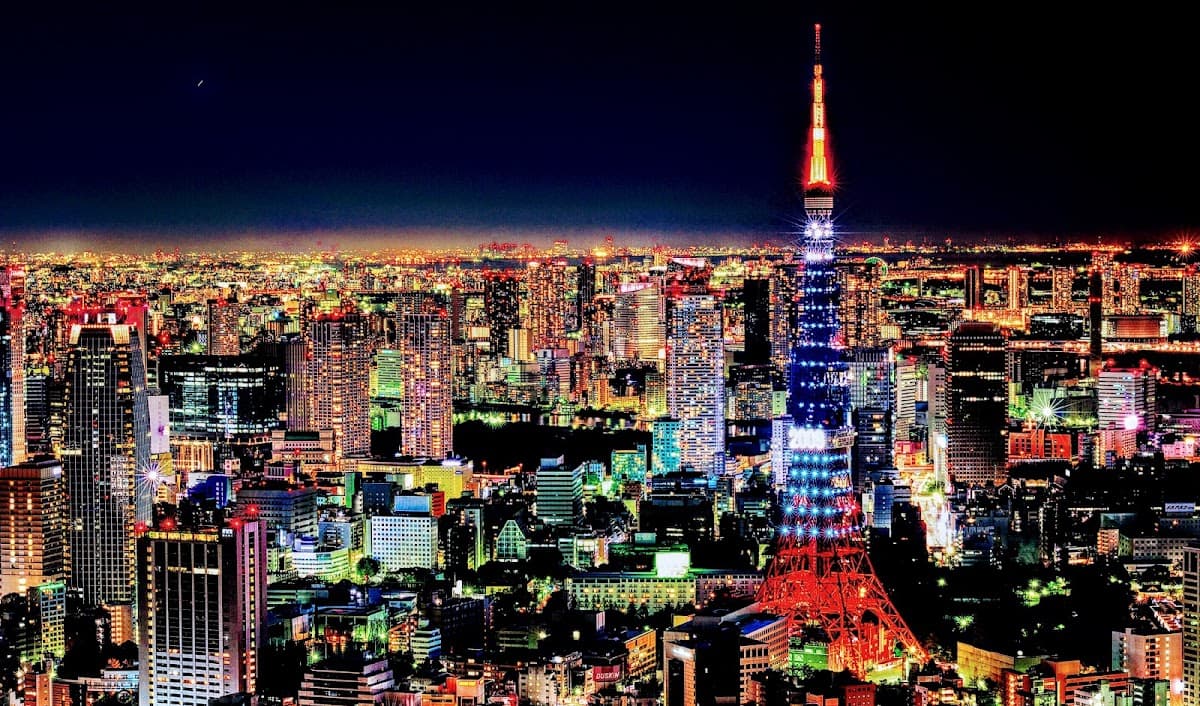
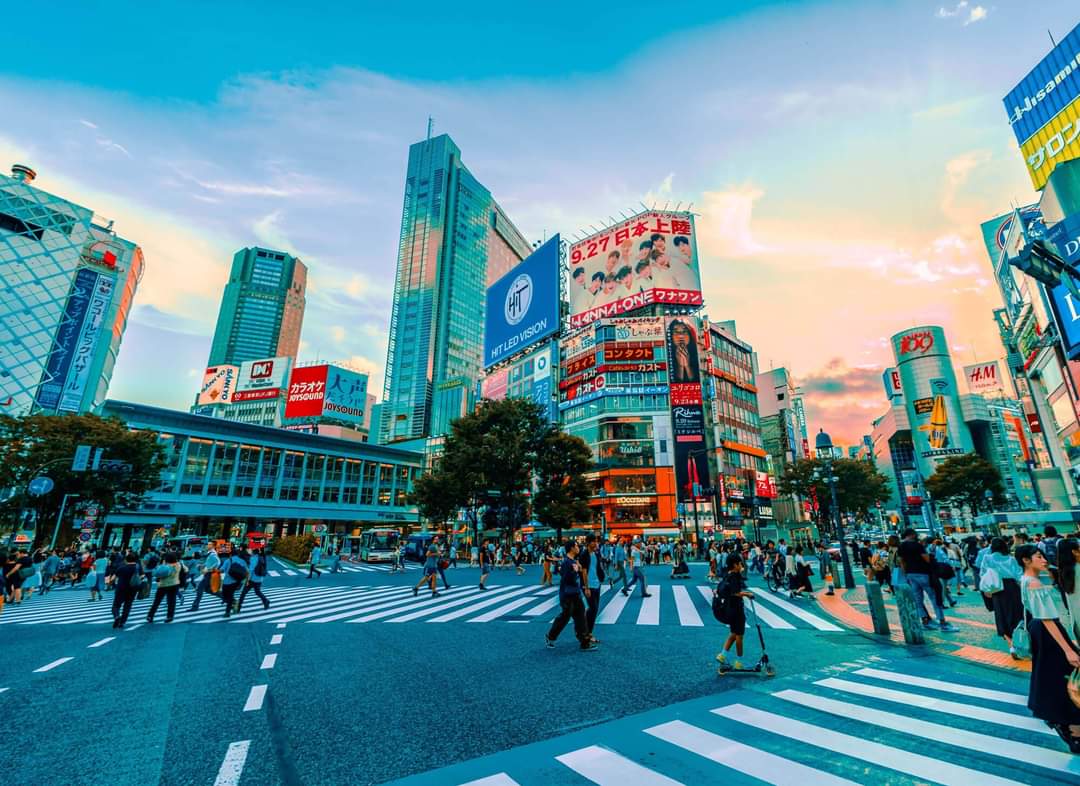
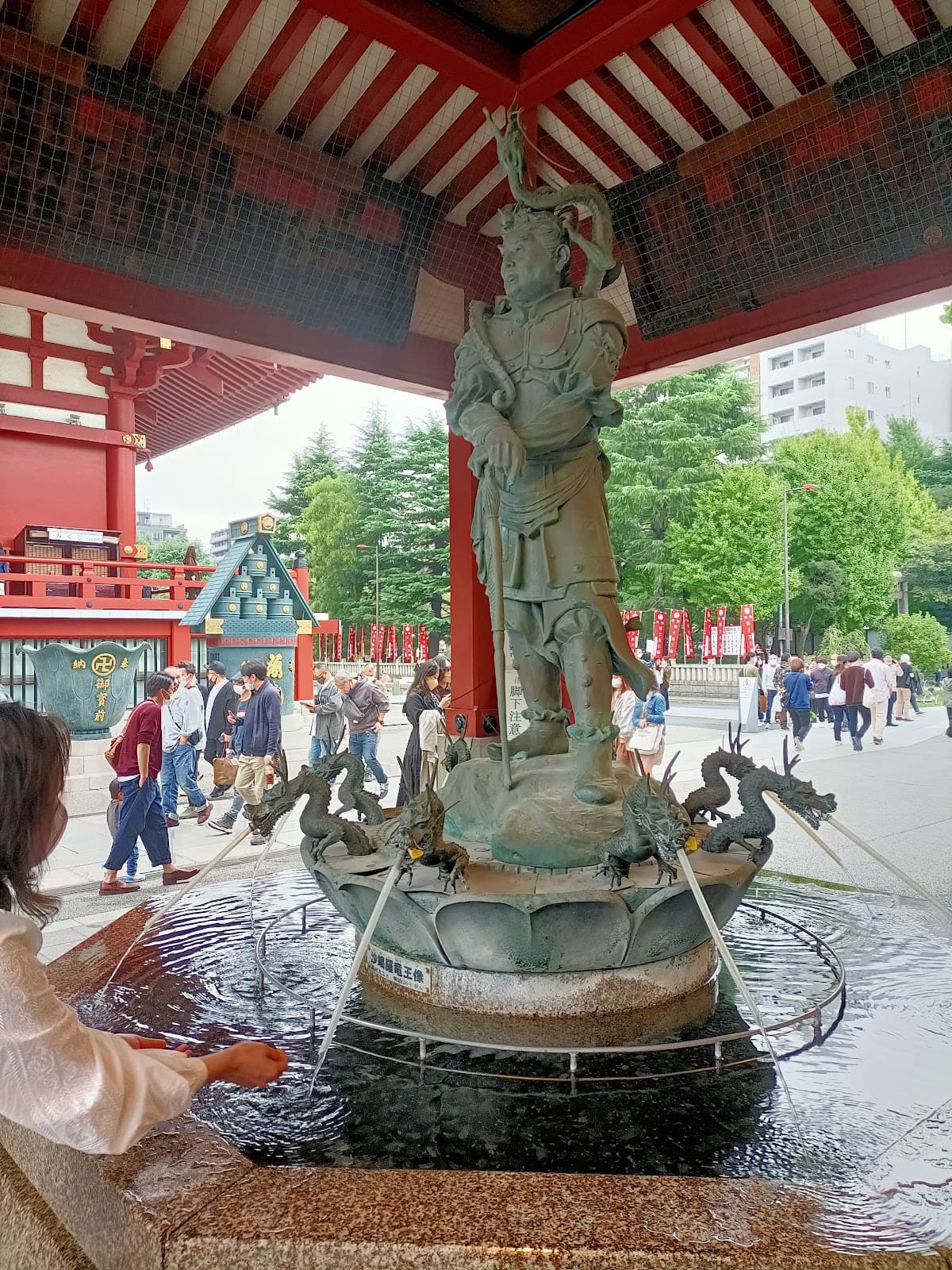
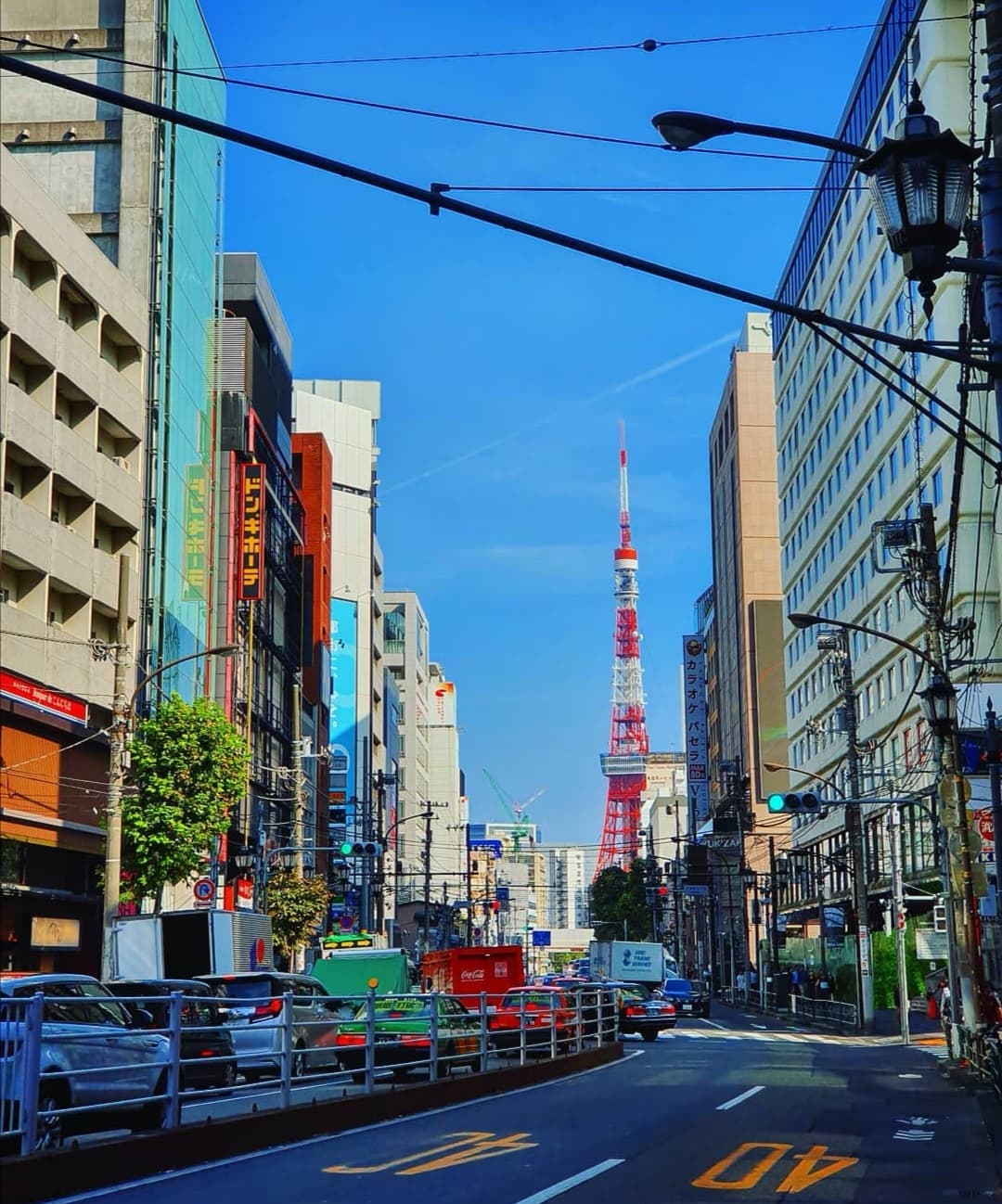
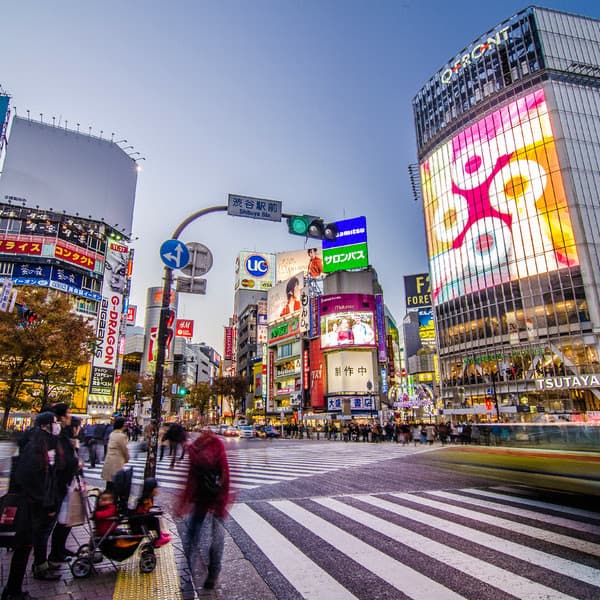
Tokyo hits you like a sensory overload in the best possible way. One minute you're watching salarymen bow politely at Shibuya Crossing, the next you're slurping ramen at 2am in a tiny Golden Gai bar that seats six people max. This city doesn't just blend old and new – it makes them dance together in perfect harmony. Ancient shrines sit between glass skyscrapers, while vending machines selling hot coffee share sidewalks with centuries-old temples. Tokyo rewards the curious. The more you explore, the more it reveals layers you never knew existed.
Best Months
MAR · APR · MAY · OCT · NOV
~19°C · high crowds
Culture & Context
SILENCE & SHRINES
Tokyo is a city of approximately 14 million people in the city proper, and over 40 million in the Greater Tokyo metropolitan area. It holds more Michelin-starred restaurants than any other city on Earth. It also has the world's busiest train station (Shinjuku) and what might be the world's most efficient public transit system.
But here's the thing about Tokyo: it rewards patience and slowing down. The loudest, most touristed version of it — Shibuya, Akihabara, TeamLab — is genuinely worth seeing. And the version one or two streets away from all that — the ramen counter where the owner has been making the same broth for 30 years, the neighborhood shrine packed with locals at New Year's, the tiny izakaya with six seats and no English menu — is a completely different city.
The Japanese concept of omotenashi, roughly translated as wholehearted hospitality, shapes almost every service interaction. Staff will go notably further than you expect. That level of service is built into the price, which is also why tipping is not only unnecessary but can genuinely feel insulting — it implies the standard fell short of expectations.
Tokyo is also expensive to photograph honestly. The city you see online is largely shot at 5am or heavily crowd-edited. The reality is that this is one of the most densely populated places on Earth and the most visited tourist destinations look like it. Go early or adjust expectations accordingly.
Local Customs
RESPECT THE QUIET
Never tip. Not at restaurants, not in taxis, not at hotels. Tipping is genuinely considered rude in Japan.
Good service is just the standard expectation, built into pricing.. Shoes come off indoors. This applies at traditional ryokan, tatami restaurants, many temples, and even some fitting rooms.
Wear socks you're not embarrassed about. Look for the shoe rack or raised genkan floor as your signal.. Trains are silent.
Phone calls are a serious social offense. Keep your phone on silent, text instead of talk, and if you have a loud travel companion, nudge them. Priority seats near the doors are for elderly and pregnant passengers..
Stand on the left side of escalators in Tokyo (Kanto region), leaving the right side clear for people walking. It's the opposite in Osaka. Do not block the walking lane..
Queue properly. Always. Waiting lines form at train platform markings, convenience stores, and even popular food stalls.
Jumping the queue is deeply frowned upon.. Don't stick chopsticks upright in rice and don't pass food chopstick to chopstick. Both mimic Buddhist funeral rites.
Use the little chopstick rest if one is provided.. Walking and eating is generally frowned upon, especially near temples and shopping streets. Convenience store food is usually eaten just outside the store or inside.
Exceptions exist during festivals and street food markets.. Blow your nose in private. Sniffling loudly in public is far more socially acceptable than pulling out a handkerchief on a train.
Find a bathroom.. Give and receive money, business cards, and gifts with both hands. It signals respect.
This applies at payment counters, too.. Onsens (hot spring baths) require you to shower thoroughly before entering. Tattoos are still prohibited at most traditional onsen.
Towels stay out of the water.
Safety
VERY SAFE, STAY ALERT
Tokyo is genuinely one of the safest major cities on Earth. Numbeo's 2026 data puts the crime index at 23.8 and safety index at 76.2. Violent crime against tourists is extremely rare. That said, a few specific things to know.
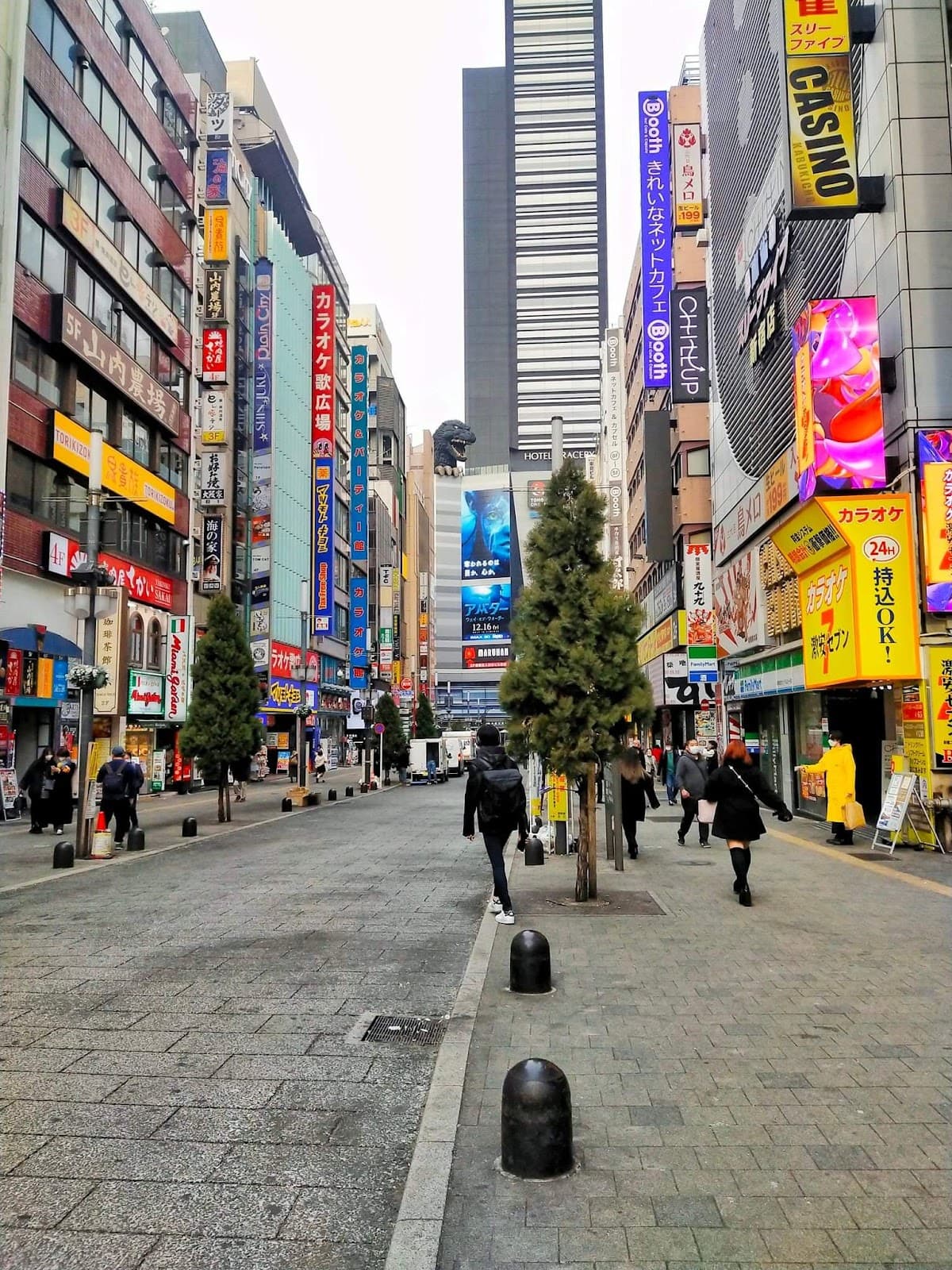
The real risk is Kabukicho (Shinjuku's red-light district) side streets at night. Overpriced bar scams are the primary threat. The dating app variant is particularly nasty: someone matches with you on Tinder or Bumble, suggests meeting at a 'great bar' in Kabukicho, and by the end of the night your bill is ¥50,000-200,000. Shinjuku Police reported over 360 complaints from this scheme in 2024 alone. If someone online directs you to a specific bar in Kabukicho, don't go. Roppongi has similar bar overcharging and drink spiking reports — never leave your drink unattended.
Watch for fake monks near Akihabara and Ueno. They approach tourists with bracelets and blessings, then demand money aggressively. Real Buddhist monks don't beg. Walk on.
Pickpockets exist but are uncommon. Hotspots are Shibuya Station (especially at night), crowded trains during rush hour, and busy tourist attractions. Keep valuables in a front pocket or secure bag. Nothing dramatically different from any other major city.
Natural disasters are the more serious background risk. Japan is seismically active. Download a disaster alert app (ask hotel staff which works on your OS). Know that trains and elevators may stop automatically during earthquakes. If a strong quake hits: take shelter under something sturdy, stay away from windows, and follow local instructions. Typhoon season runs July-October; August gets brutally hot and humid — heatstroke is a real concern.
Emergency numbers: 110 for police, 119 for ambulance and fire.
Getting Around
SUICA & SUBWAYS
Get a Suica card the moment you land. You can pick up a Welcome Suica (tourist version, no deposit required, valid 28 days) at Narita or Haneda airport vending machines. iPhone users can set one up digitally via the Welcome Suica Mobile app before even boarding the plane. Load ¥5,000-10,000 to start. Tap in, tap out. The correct fare deducts automatically across JR lines, the Tokyo Metro, Toei Subway, most buses, and even convenience stores and vending machines.
Note: JR East raised base fares by ~7.1% in March 2026 (the first major revision in over 40 years). The minimum IC fare is now ¥160. Paper ticket prices rose slightly more — another reason the card pays off immediately.
The backbone of your day is the Yamanote Line, a green JR loop that connects Shinjuku, Shibuya, Harajuku, Akihabara, Ueno, and Tokyo Station. Most tourists never need to leave it. For deeper coverage, the 9-line Tokyo Metro and 4-line Toei Subway fill in every gap.
If you're making 4+ subway rides in a day, buy the 24-hour Tokyo Subway Ticket for ¥700. It covers all 13 Metro/Toei lines. Pays for itself in half a day of serious sightseeing.
From Narita Airport: Take the Keisei Skyliner (36 minutes to Ueno, around ¥2,570) or the Narita Express N'EX (direct to Shinjuku, Shibuya, Yokohama). Do not take a taxi from Narita. The fare to central Tokyo runs ¥20,000-25,000+.
Trains stop around midnight. There is no 24-hour service. Miss the last train and you're looking at ¥3,000-10,000+ in taxi fares, or a long wait on a bench until 5am. Check last departure times before a late night out. During morning rush hour (7:30-9:30am) trains hit 200% capacity — avoid dragging large luggage at these times.
Useful Phrases
Explore Destinations

Explore the Region
Tokyo Itineraries
View all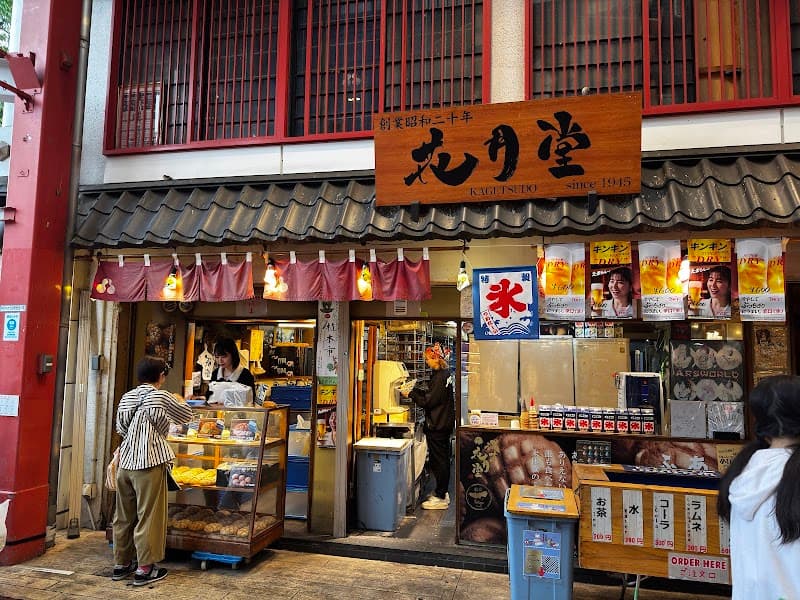
Slow Sips & Street Flavors in Central Tokyo
Weekend · $$$
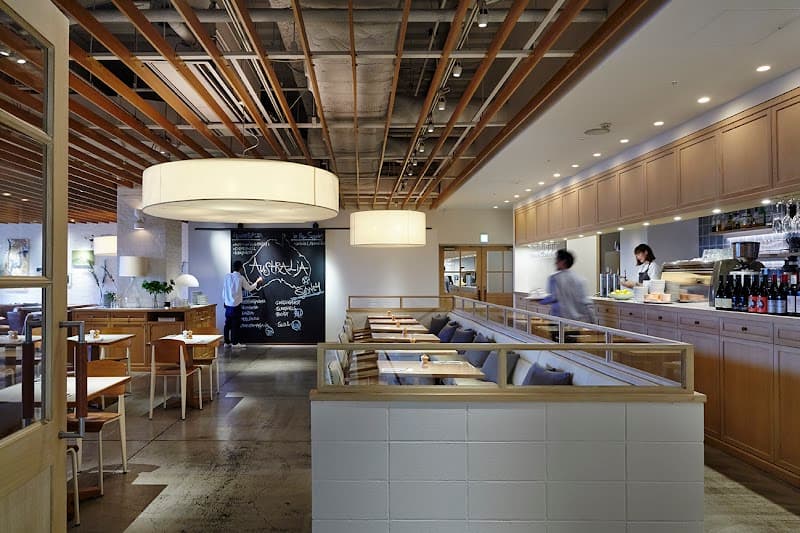
Soft-Paced Tokyo Day: Sea Breeze, Shrines & Neon Nights
Weekend · $$
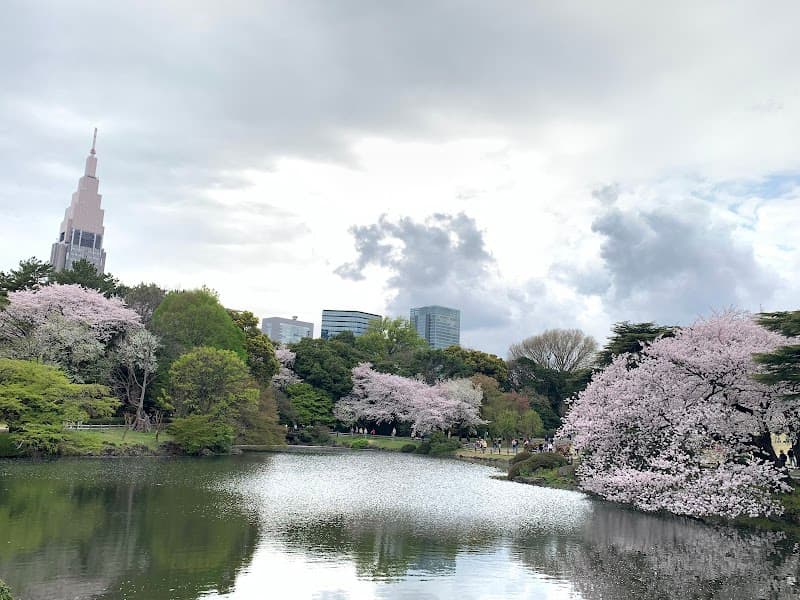
Tokyo Bites & Nights: A 7-Day Foodie Escape
Week · $$$
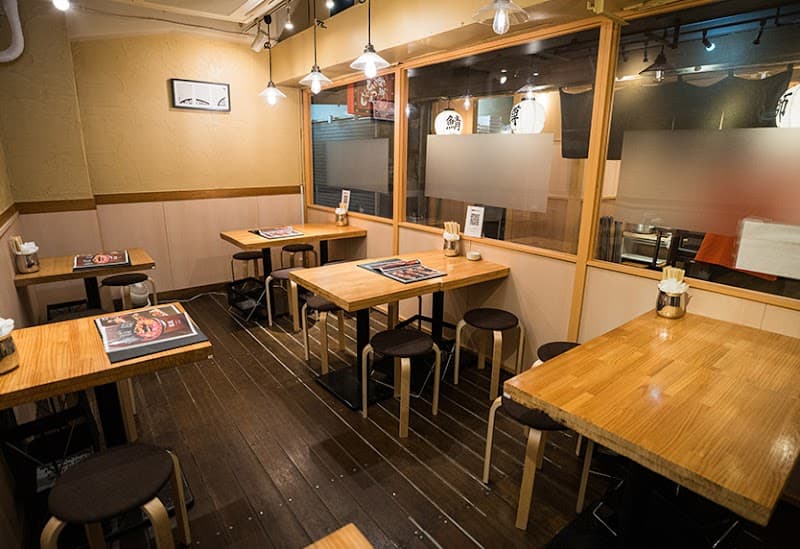
7 Days Eating & Drinking Through Tokyo’s Neighborhoods
Week · $$$
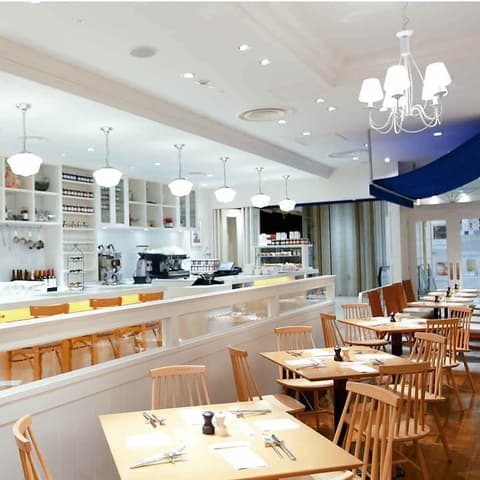
Seven Sweet Days in Tokyo for Two
Week · $$
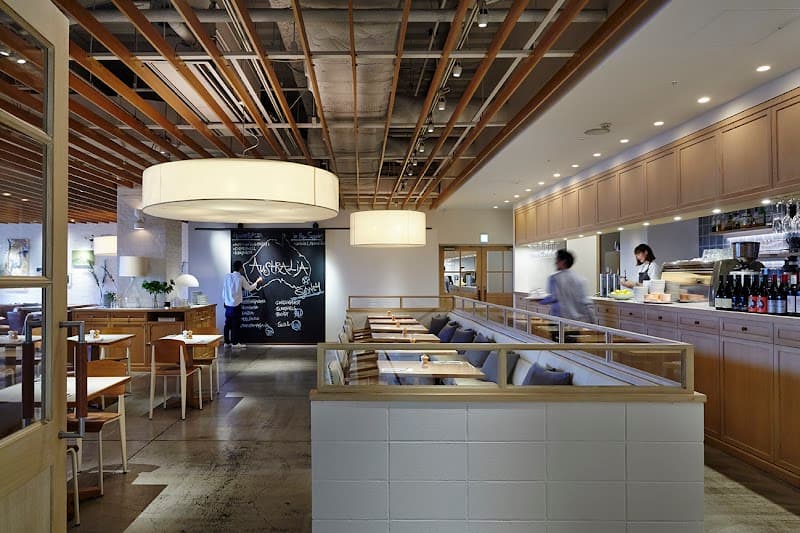
Slow & Serene Tokyo: Nature, Beach & Nightlights
Weekend · $$$
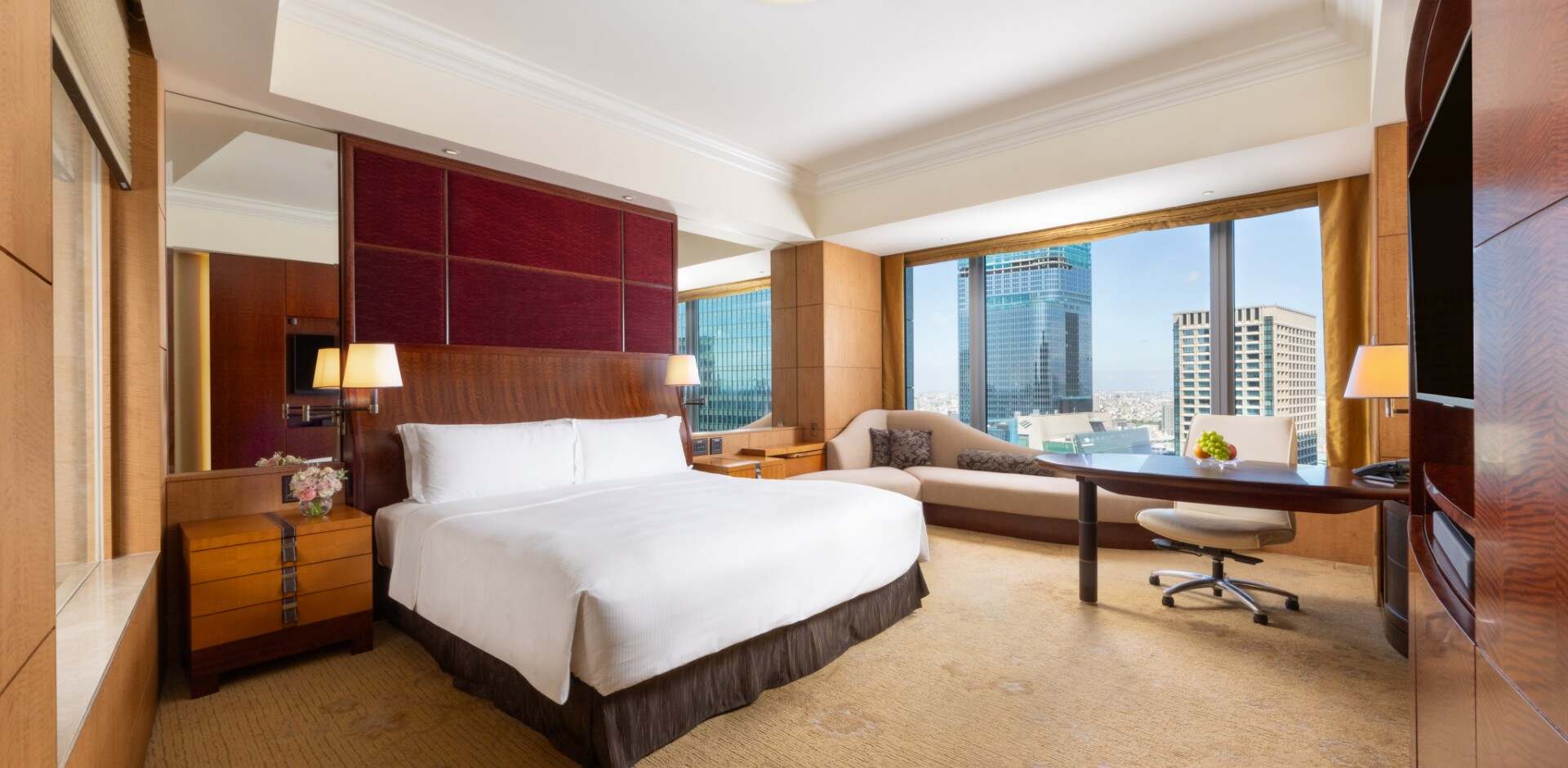
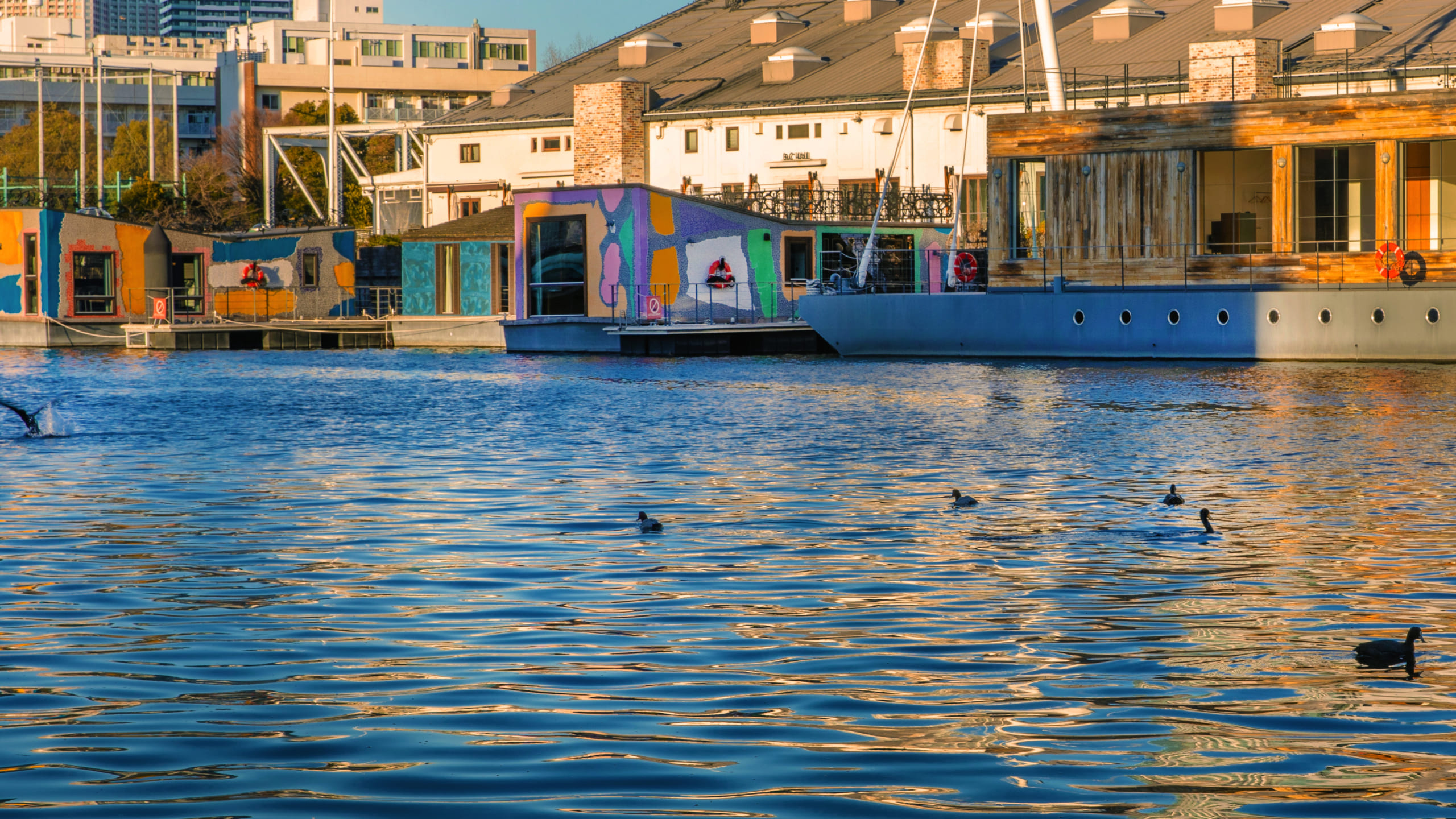
Where to Stay in Tokyo
2 recommended properties
Things to Do in Tokyo
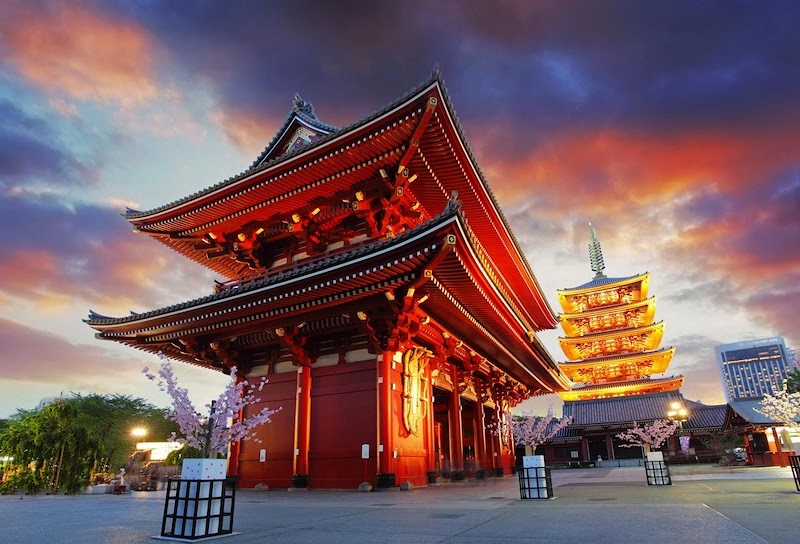
Senso-ji Temple
Asakusa · 120 min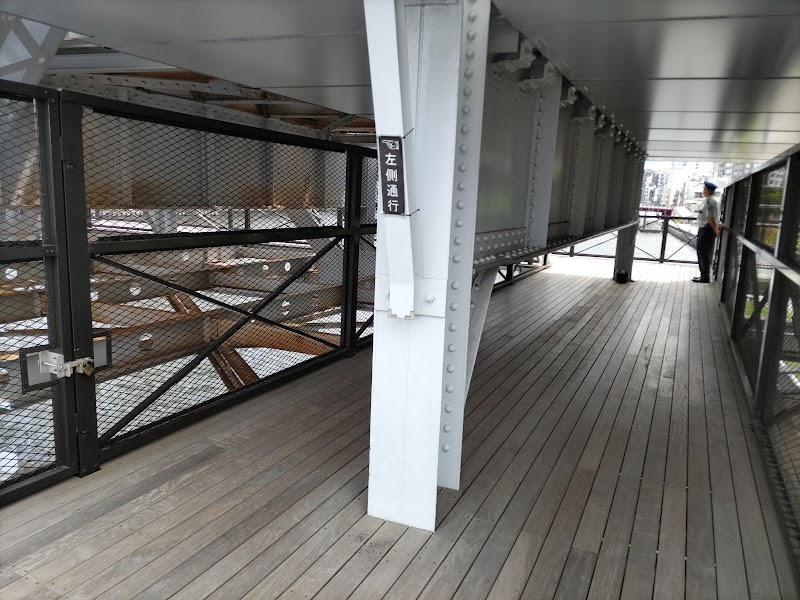
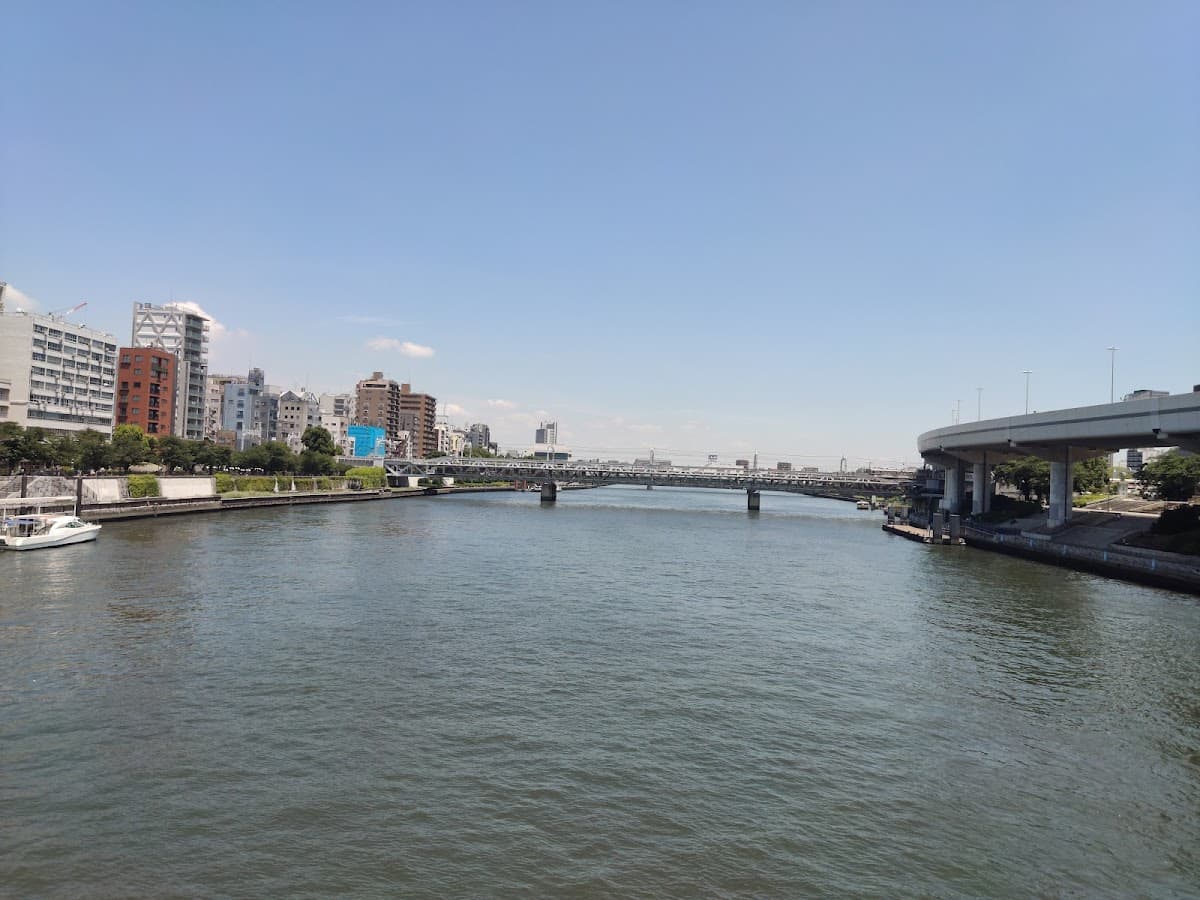
Sumida River Walk
Asakusa · 90 min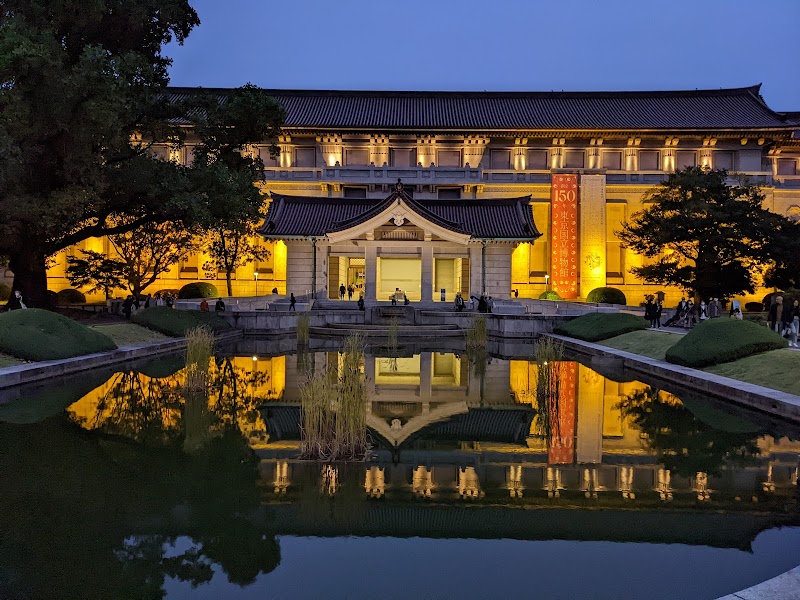
Tokyo National Museum
Ueno · 120 minMoney-Saving Tips
- 1.Buy a 7-day Tokyo Metro pass for ¥1,590 instead of individual tickets
- 2.Department store basement food courts offer high-quality meals for ¥800-1,200
- 3.Skip expensive hotel breakfast – convenience store meals cost ¥300-500
- 4.Many museums offer free admission days for Tokyo residents (show hotel key card)
- 5.Conveyor belt sushi chains like Sushiro charge just ¥100-300 per plate
- 6.7-Eleven ATMs have the lowest fees for foreign cards
- 7.Happy hour at hotel bars (5-7pm) often includes free appetizers
- 8.Book Shinkansen tickets online in advance for 35% discounts on non-reserved seats
Travel Tips
- •Download Google Translate with camera function – it reads Japanese signs instantly
- •Carry cash everywhere – many places don't accept cards
- •Bow slightly when greeting people, but handshakes work too
- •Remove shoes when entering homes, some restaurants, and all temples
- •Don't eat or drink while walking – it's considered rude
- •Stand on the left side of escalators in Tokyo (right side in Osaka)
- •Learn to read hiragana characters for better navigation
- •Rent a pocket WiFi device at the airport for reliable internet
- •Book restaurant reservations through your hotel concierge
- •Carry tissues – public restrooms rarely have toilet paper