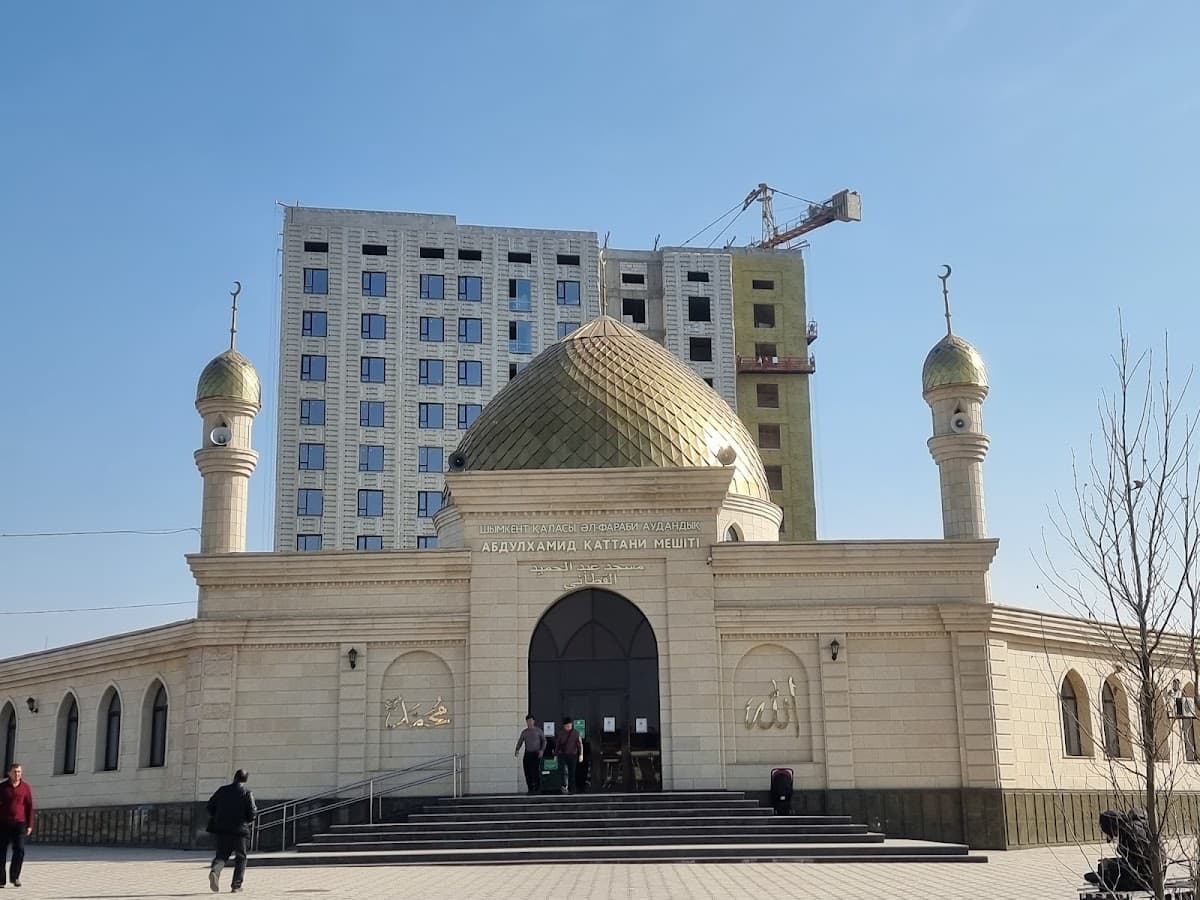
Shymkent
Kazakhstan's southern gateway to Central Asian culture
Shymkent doesn't make many travel lists, and that's exactly why you should go. Kazakhstan's third-largest city sits at the crossroads of Central Asian culture, where Uzbek pilaf mingles with Kazakh horse meat and Soviet-era monuments share space with ancient trading posts. The Silk Road ran through here for centuries, leaving behind a city that feels authentically Central Asian without the tourist crowds of Samarkand or Bukhara.
Most travelers rush through on their way to Tashkent, but spending a few days here reveals a laid-back city where you can explore centuries-old bazaars for the price of a coffee in Almaty. The locals are genuinely curious about foreign visitors — don't be surprised if someone invites you for tea just because you're looking at a map.
Best Months
APR · MAY · JUN · SEP · OCT
~24°C · moderate crowds
Culture & Context
SILK ROAD CROSSROADS ALIVE
Shymkent is Kazakhstan's third-largest city and, honestly, the most Central Asian-feeling of the three. It doesn't have Almaty's mountain-town sheen or Astana's sci-fi skyline ambitions. What it has is chaikhana culture, plov smoke, Soviet mosaics on apartment blocks, and a population that has been sitting at crossroads of cultures since the 12th century.
Silk Road caravans came through here. Cossack settlers left their mark. Soviet planners arrived and built factories.
The fingerprints are everywhere. About 93% of the population speaks Kazakh, which is higher than in Almaty or Astana, and you'll feel that. Russian still gets you around town, but Kazakh phrases go much further in earning genuine warmth.
The city has the highest birth rate in Kazakhstan and its population recently crossed 1.2 million, so it's young, energetic, and growing fast. Hospitality is deeply serious here.
The Kazakh proverb "Konakty sozben toygyza almaysyn" (you can't feed a guest with just words) comes from the south. If someone invites you to eat, accept. Refusing food is a real social misstep, not a minor awkwardness.
Tea house culture is also stronger here than anywhere else in Kazakhstan. A proper chaikhana breakfast can stretch two hours, and nobody is in a rush to end it.
Local Customs
REFUSING FOOD IS RUDE
Accept food and drink when offered. Saying no is considered genuinely rude, not just slightly awkward. Take a small portion if you're not hungry, and always say something kind about it..
Dress more conservatively than you would in Almaty. Very short shorts or revealing tops are fine in your hotel, but in traditional neighborhoods and bazaars they draw stares. It's not enforced, just noticed..
Cash is essential. Card payments are growing, but most bazaar stalls, smaller restaurants, and chaikhanas are cash-only. Stock up at ATMs before heading to markets..
Plan outdoor sightseeing for mornings in summer. July temperatures average 35-42°C and can spike higher. The city slows down in the afternoon heat for good reason..
Friday afternoon is the most lively time at Qyrgy Bazaar. Go then if you want the full chaos. Go Tuesday morning if you want to actually browse without being shoulder-to-shoulder..
Use the formal 'you' (Siz in Kazakh) with anyone older than you or someone you've just met. Switching to the informal Sen is something locals initiate, not visitors.. If you're invited into someone's home, bringing a small gift (sweets, fruit) is appreciated but not required.
Showing up empty-handed is absolutely fine too.. Don't bring up Borat. It doesn't offend most people, but it does signal that you know very little about where you are.
Safety
WATCH BAZAAR PICKPOCKETS
Shymkent is generally safe for travelers. The main thing to watch is standard petty theft: pickpocketing in crowded bazaars and on public transport. Keep your bag in front of you at Qyrgy Bazaar.
Nightlife is fine but use common sense around bars and clubs late at night. Don't drink the tap water. Locals sometimes do, but the quality varies and bottled water costs almost nothing here.
Shymkent historically has had some lead pollution linked to industrial history in the south of the city, though this is largely a legacy issue rather than an acute risk for short-term visitors. Meat food safety is worth mentioning: shashlik at a busy, high-turnover spot is totally fine. A quiet stall with meat sitting out in the afternoon heat is a different story.
Stick to places where locals are actually eating. Summers are brutal (35-42°C in July), which is a real safety consideration for outdoor activity. Do your walking before noon.
Healthcare access is reasonable; Kazakhstan has about 4 doctors per 1,000 people and good hospital bed capacity, but specialized care may be limited, so travel insurance with evacuation coverage is a smart call for anyone planning regional adventure trips.
Getting Around
YANDEX GO EASIEST
Inside the city, Yandex Go is the easiest and most reliable option. Tap the app, get a price upfront, and a car arrives within minutes. InDriver works on a bidding model and can get you cheaper fares if you negotiate.
Standard taxi start is 400 KZT; a full cross-city ride is usually 500-1,000 KZT ($1-2). City buses cost 70 KZT with a Tolem transport card (buy one from bus drivers, Zerde pharmacies, or Gramad supermarkets for 500 KZT including one trip). Cash fare is 100 KZT.
Buses run 6:00 to 22:00 with 10-15 minute frequencies on main routes at peak hours. Marshrutkas fill in everywhere buses don't go. For day trips: Turkestan marshrutkas leave from Samal Station (north of city center) frequently in mornings for 1,500 KZT and take 90 minutes.
Sayram, only 10 km east, is reachable from Aina Bus Station by marshrutka in under 30 minutes. Aksu-Zhabagly Nature Reserve is about 90 km out; daily marshrutkas to Jabagly depart Aina Bazaar at 11:00, though they may not run if demand is low. To Almaty: overnight trains (13-16 hours) from the main station, or daily flights of about 1.
5 hours from Shymkent International Airport (CIT).
Useful Phrases
Money-Saving Tips
- 1.Eat at the Green Bazaar food stalls where locals go — meals cost $2-4 versus $8-12 at tourist restaurants
- 2.Use marshrutkas instead of taxis for daily transport — 150 tenge ($0.30) versus 500-800 tenge ($1-2) per ride
- 3.Stay in guesthouses near the bazaar for $15-20/night instead of hotels at $40-120/night
- 4.Buy produce and snacks at the Green Bazaar — prices are 50-70% lower than supermarkets
- 5.Book day trips to Turkestan through local agencies for $25-30 versus $60-80 through hotels
Travel Tips
- •Learn basic Russian phrases — English isn't widely spoken outside hotels and tourist sites
- •Carry cash in tenge — many small restaurants and shops don't accept cards
- •Dress conservatively when visiting religious sites like mosques or mausoleums
- •Download offline maps — cell service can be spotty in some parts of the old town
- •Try to visit the Green Bazaar early morning (8-10 AM) for the best selection and fewer crowds
- •Bring layers — temperature swings of 15-20°C between day and night are common
- •Ask permission before photographing people, especially older locals in traditional dress