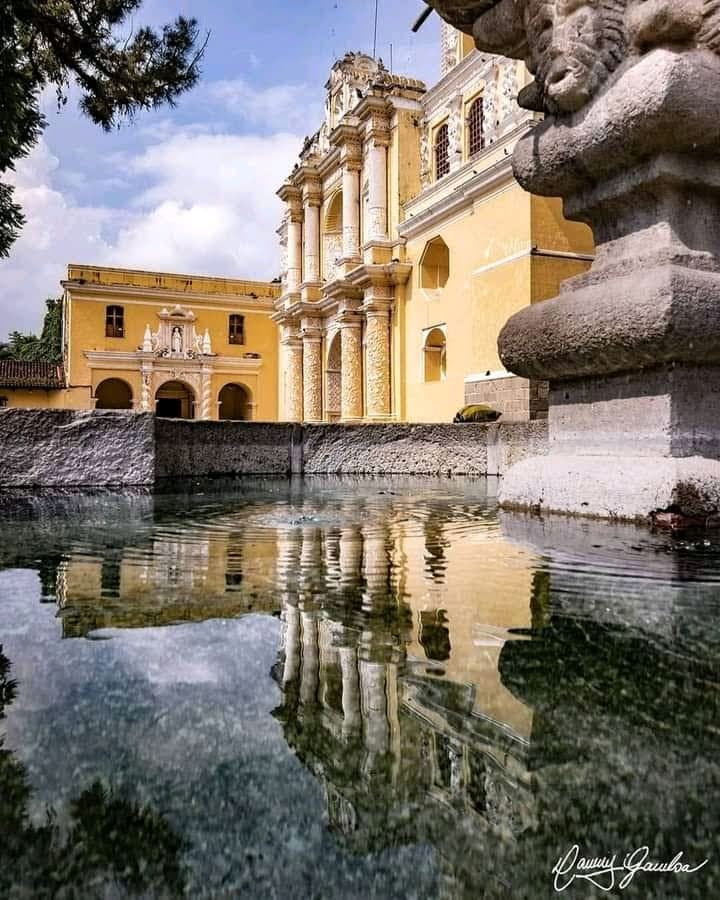
Antigua Guatemala
Colonial jewel nestled between volcanic peaks and history
Antigua Guatemala stops you in your tracks. One minute you're walking down cobblestone streets lined with candy-colored colonial buildings, the next you're staring up at three towering volcanoes that frame the city like ancient guardians. This UNESCO World Heritage site isn't just pretty to look at — it's a living museum where Spanish colonial architecture meets indigenous culture, where you can sip world-class coffee in courtyards that have witnessed 500 years of history.
The city sits at 5,000 feet above sea level in Guatemala's central highlands, making it perpetually spring-like. But don't let the perfect weather fool you into thinking this place is all postcard shots and tourist traps. Antigua has grit. Earthquake damage from centuries past adds character to crumbling facades, while local families still live and work in buildings that predate the United States by centuries.
Here's what makes Antigua special: it's compact enough to explore on foot, authentic enough to feel real, and dramatic enough to leave you planning your return before you've even left.
Antigua Guatemala Itineraries
Money-Saving Tips
- 1.Bargain at markets but not in established shops — haggling is expected at Mercado Central but not in tourist restaurants
- 2.Eat where locals eat for the best prices — street food and comedores (local diners) cost 1/3 of tourist restaurant prices
- 3.Take chicken buses instead of tourist shuttles to save 70% on transportation, just expect longer travel times
- 4.Stay in hostels or guesthouses rather than hotels — many occupy the same colonial buildings for half the price
- 5.Buy coffee beans directly from roasters like Café Condesa or Caoba Farms — much cheaper than tourist shops
- 6.Visit free attractions first — walking the colonial streets, hiking Cerro de la Cruz, and exploring churches costs nothing
- 7.Shop at local supermarkets like Despensa Familiar for snacks and water instead of hotel mini-bars
- 8.Book volcano tours through local operators in town rather than hotel concierges to avoid markup
Travel Tips
- •Pack layers — mornings and evenings get cool at 5,000 feet elevation, even in the dry season
- •Wear sturdy walking shoes with good grip — cobblestone streets become slippery when wet
- •Bring a good camera or phone with excellent low-light capability for those magical golden hour shots
- •Learn basic Spanish phrases — locals appreciate the effort and many don't speak English
- •Carry small bills (5, 10, 20 quetzal notes) for street vendors and tuk-tuk rides
- •Start early for volcano hikes — afternoon clouds often obscure the views
- •Book accommodations in advance during dry season (November-April) and especially around Easter
- •Keep copies of your passport — some tour operators require ID for volcano hikes
- •Pack a light rain jacket even in dry season — mountain weather changes quickly
- •Respect photography rules in churches — many prohibit flash photography or charge small fees
Frequently Asked Questions
Explore Antigua Guatemala
Ready to explore Antigua Guatemala?
Get a personalized itinerary in seconds with Takeoff.
Free on iOS. No credit card required.