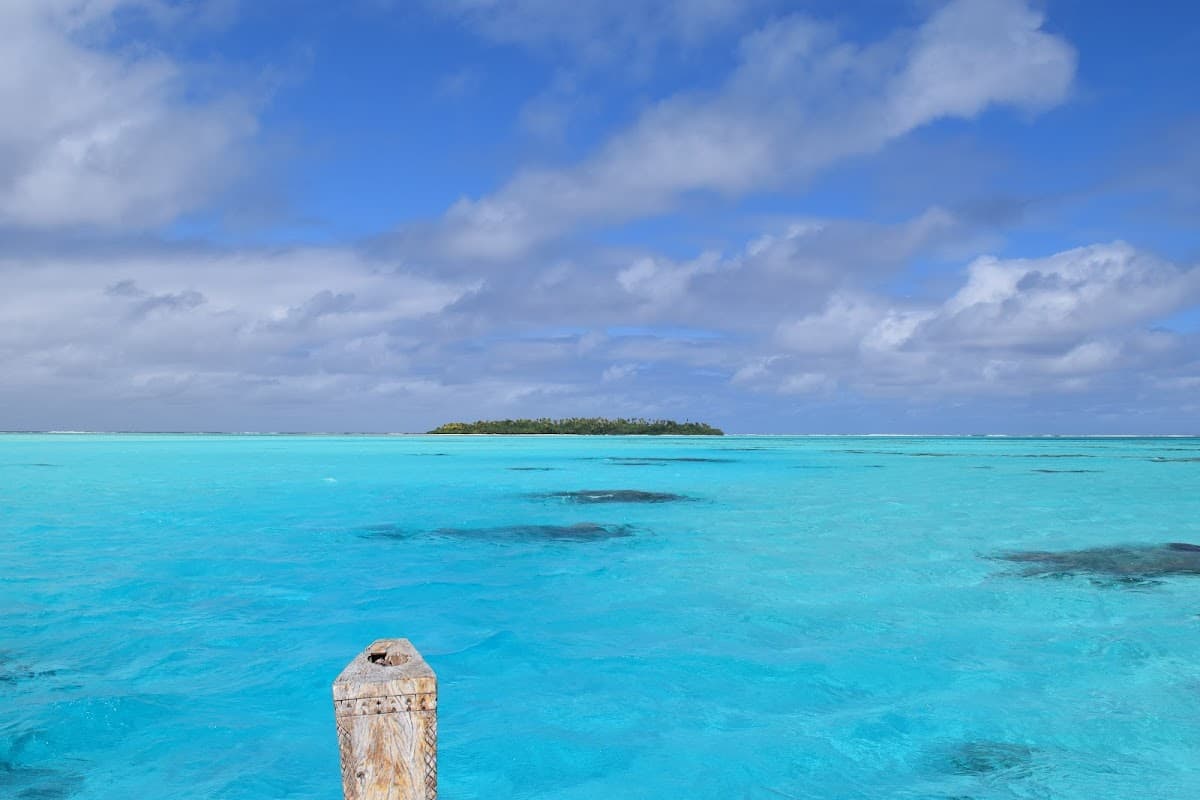
Aitutaki
Cook Islands' crown jewel of turquoise perfection
Look, I've seen a lot of tropical islands, but Aitutaki stops you in your tracks. This isn't just another pretty beach destination — it's the Cook Islands' crown jewel, where the lagoon glows electric turquoise and time moves at coconut speed. The main island wraps around a lagoon so perfect it looks Photoshopped, dotted with tiny motus (islets) that feel like your own private slice of paradise. Here's the thing: Aitutaki doesn't try to impress you with flashy resorts or manufactured experiences. The magic happens in the quiet moments — watching hermit crabs race across white sand, snorkeling over coral gardens that pulse with life, or sipping fresh coconut water while the sun melts into the Pacific. It's expensive to get here, sure. But some places are worth every penny.
Best Months
APR – OCT
~25°C · moderate crowds
Culture & Context
SUNDAY HYMNS, SACRED RHYTHMS
Aitutaki has a population of around 1,782 people (2021 census) and is deeply Christian — it was actually the first Cook Island to adopt Christianity in 1821, when London Missionary Society missionary John Williams arrived. The oldest church in the country, the Arutanga Cook Islands Christian Church (CICC), still holds Sunday services filled with extraordinary a cappella singing that visitors are genuinely welcome to attend (dress modestly: women should wear a dress or skirt and a hat). On Sundays, essentially everything shuts down — shops, cafes, most tour operators.
Plan around it. The village of Vaipae is considered the "Hollywood of the South Pacific" for dance, and fire-dancing performances here are regarded as among the best in all the Cook Islands. Island Nights at resorts (weekly umu feasts with traditional drumming and hula-style dance) are a genuine cultural window rather than just a tourist show.
Tipping is not customary — locals find it awkward. Show appreciation with kind words instead. About 90% of islanders are of Polynesian descent, and the local Cook Islands Māori dialect on Aitutaki is called Te Reo Lpukarea.
English is widely spoken thanks to tourism and the island's close ties to New Zealand.
Local Customs
SUNDAY SHUTDOWN, ISLAND TIME
Sunday is sacred — nearly everything shuts. This includes most shops, cafes, and tour operators. Churches hold services from morning and the singing (unaccompanied a cappella harmonies) is genuinely extraordinary.
Visitors are welcome but must dress modestly: covered shoulders and knees, women should wear a dress or skirt and bring a hat.. Tipping is not the local custom and can create awkwardness. If you want to show appreciation, a warm thank-you and kind words go much further..
Dress modestly when away from the beach. Bikinis and board shorts are fine at the lagoon or your resort, but cover up when heading into Arutanga village, churches, or any local store.. Do not photograph people — especially in traditional or ceremonial settings — without asking first.
Many locals are uncomfortable with unsolicited photos.. When invited to a meal (umu feast or otherwise), wait for the host to begin eating before you do. This is a basic but important sign of respect..
Islanders operate on 'island time' — things run slower and more casually than Western schedules. Embrace it rather than fighting it. Arriving flustered or rushing locals is considered rude..
The lagoon environment is fragile. Don't walk on or touch coral, don't remove shells or marine life, and follow reef etiquette on snorkeling tours.. Loud or disruptive behavior — especially in the evenings — is frowned upon.
This is a peaceful island community. Most places close by 10–11pm.. Church choirs and community singing are a huge part of local identity.
If you hear singing coming from a church on Sunday, it's perfectly acceptable to stand outside and listen respectfully.
Safety
VERY SAFE, LAGOON CAUTION
Aitutaki is genuinely one of the safer destinations in the Pacific. Crime rates are very low and the island maintains a low safety risk overall. That said, a few things are worth knowing: petty theft does exist — lock your accommodation and don't leave valuables unattended on the beach.
The lagoon looks gentle but always choose reputable tour operators with solid reviews (Bishop's Cruises and The Vaka Cruise are well-established) and ask about their safety measures before booking water activities. Don't drink tap water on Aitutaki — buy bottled water or use a filter bottle. Medical facilities are very limited: there's a small hospital on the island but serious conditions require medical evacuation to Rarotonga or New Zealand, so comprehensive travel insurance is not optional.
Dengue fever risk exists — use insect repellent, wear light-colored clothing, and stay in accommodation with proper mosquito screens. Electricity is 240V/50Hz (same as Australia/NZ/UK) — bring a universal adapter if coming from North America. The reef and coral are beautiful but sharp — reef walking shoes are strongly recommended for lagoon exploration at low tide.
Getting Around
SCOOTER & SMALL PLANES
Aitutaki has no public bus system at all. Air Rarotonga is the only airline serving the island, with roughly 6 flights per day from Rarotonga (reduced on Sundays) — the 45-minute flight is the only practical way in. The round-trip fare runs around NZD $370, or you can book a day-trip package (flight + lagoon cruise + BBQ lunch) for around NZD $450.
Once on the island, your main options are: scooter hire (the most popular and fun option, around NZD $25/day — the ring road is about 20km and totally manageable); car hire from NZD $65/day; bicycles from NZD $10/day; or taxis (Pacifica Taxi is the main operator). Most accommodations provide airport transfers or can arrange them. The airport is endearingly tiny with a small cafe, toilets, and an ATM on-site.
Arutanga (main village) is about 5 minutes by scooter or 25–30 minutes on foot from Amuri-area accommodations. There is also a port at Arutanga for the occasional inter-island cargo/passenger vessel, but the vast majority of visitors fly in.
Useful Phrases
Itineraries coming soon
We're working on adding amazing itineraries for Aitutaki. In the meantime, try the app to create your own!
Money-Saving Tips
- 1.Book flights to Aitutaki well in advance — prices jump dramatically for last-minute bookings, especially during peak season
- 2.Many resorts include airport transfers, kayaks, and snorkel gear in their rates, so factor these freebies into your accommodation choice
- 3.Groceries cost about 30% more than mainland New Zealand, so stock up on snacks and basics in Rarotonga if connecting through
- 4.Lagoon tours all follow similar routes and pricing — shop around for smaller group sizes rather than cheaper rates
- 5.Rent scooters instead of cars to save money and navigate the island more easily — you only need wheels for short distances anyway
- 6.Sunday closures affect most restaurants and tour operators, so plan to eat at your resort or stock up on food Saturday night
Travel Tips
- •Pack reef-safe sunscreen — the lagoon's coral gardens are pristine and worth protecting
- •Bring a waterproof phone case or camera for lagoon activities — the photo opportunities are endless
- •Most accommodations provide snorkel gear, but serious snorkelers should bring their own mask for the best fit
- •Download offline maps before arriving — cell service can be spotty around the island
- •Pack light rain gear even during dry season — tropical showers happen quickly and without warning
- •Respect Sunday closures — it's a deeply Christian island where most businesses and tours shut down completely
- •Bring cash in New Zealand dollars — credit cards work at resorts but many local businesses prefer cash
- •Book lagoon tours for early morning — water clarity is best before afternoon winds pick up
Frequently Asked Questions
Explore Aitutaki
BUILD YOUR AITUTAKI PLAN
Insider picks, smart timing, and a plan ready when you are.