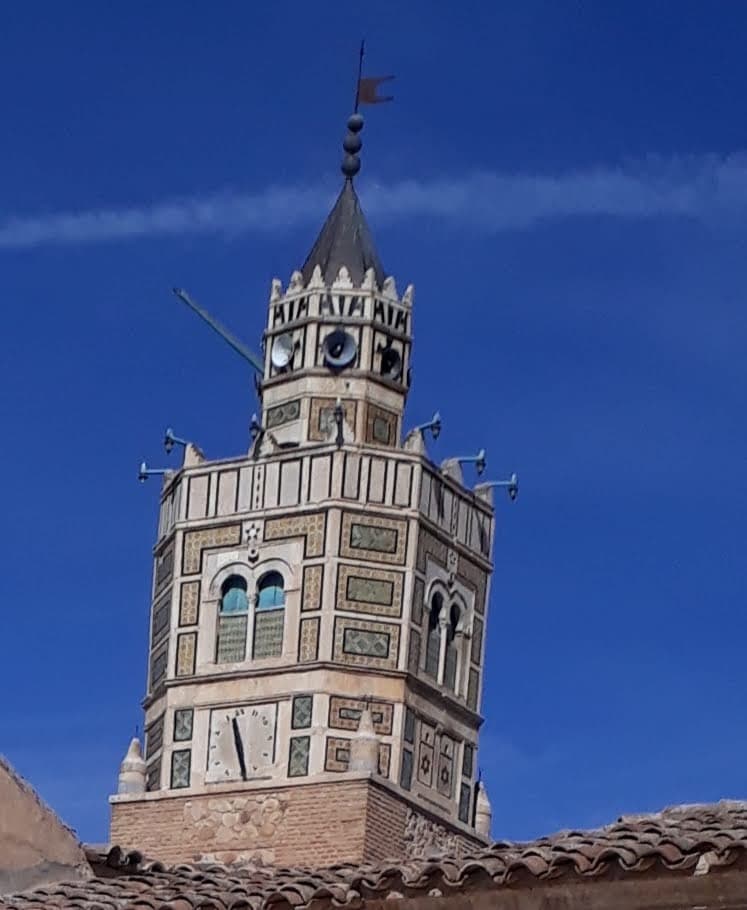
Tunis
Ancient medina meets French colonial charm in Tunisia
Tunis doesn't try to impress you. It just does. Walk through the UNESCO-listed medina and you'll dodge donkey carts while haggling for hand-woven carpets. Turn a corner into Ville Nouvelle and suddenly you're sipping café au lait under French colonial arcades. This is North Africa's most underrated capital — a city where 3,000 years of history layers like paint on ancient walls. The call to prayer echoes over Art Deco buildings. Vendors sell makroudh pastries next to boutiques selling designer knockoffs. And the best part? Your dollar stretches further here than almost anywhere in the Mediterranean.
Local Knowledge
Culture & Context
Tunis sits at a genuine crossroads. The city spent centuries under Phoenician, Roman, Arab, Ottoman, and French rule, and you feel all of it walking down the same block. The Medina's 8th-century mosque (Ez-Zitouna) is about a 10-minute walk from Belle Époque French colonial architecture on Avenue Habib Bourguiba. Tunisia is Muslim-majority but runs on secular law, and the balance is visible. Women in full hijab share café tables with women in jeans and no headscarf. Alcohol is legal and sold in many restaurants and hotels, though not everywhere on Fridays. The local dialect, Derja or Tounsi, is a wild mix of Arabic, Berber, French, Italian, and Turkish. Even fluent MSA Arabic speakers from Egypt or Syria often struggle to follow it. French is the practical second language in Tunis and is your fallback for almost any transaction. Hospitality here is real, not performative. If you're invited into someone's home, expect to be offered tea, food, and more food. Saying no once doesn't count. You'll need to refuse kindly about three times before it sticks.
Safety
Tunis is a U.S. State Department Level 2 destination as of 2026: exercise increased caution. The last major terrorist attack targeting tourists was 2015. Security has improved considerably since then, and over 9.4 million tourists visited Tunisia in 2024 without incident. That said, avoid all areas within 20km of the Libyan and Algerian borders. Don't go to the governorate of Kasserine mountain ranges. In Tunis itself, petty theft and scams are the real daily risks, not violence. The "closed attraction" scam is common: a friendly stranger claims a mosque or museum is closed for prayer and offers to take you to a "special" local market. It always ends in a high-pressure carpet or perfume sales pitch. Walk away. Taxi overcharging is also routine. Always say "metre, s'il vous plaît" before the car moves. If they won't turn on the meter, agree on a price or get out. Women traveling alone face more hassle in the Medina and older parts of the city, particularly after dark. Solo female travelers consistently report feeling fine in La Marsa and tourist areas, but report verbal harassment as a real issue in working-class neighborhoods. Walk with purpose, dress modestly away from tourist zones, and trust your read of a situation. Homosexuality is illegal in Tunisia. LGBTQ+ travelers should be aware of this and keep things private in public. Tunisia has a Tourist Police unit in Tunis. Emergency police: 197. Tap water is treated but has high mineral content and tastes strongly of chlorine. Stick to bottled water (1.2–1.8 TND for 1.5L).
Getting Around
The TGM train is your best friend. It runs from Tunis Marine station (at the bottom of Avenue Habib Bourguiba) up the coast to La Goulette, Carthage, Sidi Bou Said, and La Marsa. Cheap, frequent, and reliable. This single line covers the destinations most visitors actually want to reach. The city Metro (tramway) has 6 above-ground lines radiating from central stops like Place de Barcelone and Place de la République. Fare is about 0.5 TND. It gets packed at rush hour. Line 4 stops near the Bardo Museum. Keep your ticket until you exit as police do check. Yellow taxis are metered by law. Always insist on the meter. If the driver won't turn it on, negotiate a price before moving or find another cab. Tunisie Taxi (+216-22-204-022) and Allo Taxi (+216-71-383-311) are established companies in Tunis. Note: Bolt was suspended in Tunisia in May 2025. Yassir and InDrive now operate in Tunis as the main ride-hailing alternatives. Cash only, paid directly to the driver. For intercity travel, louages (shared white minivans) depart from Moncef Bey station and are the cheapest and most frequent option to nearby cities. They leave when full, not on a fixed schedule. SNCFT trains from Gare de Tunis (Barcelone) connect to Sousse, Sfax, and other major cities. First-class tickets remain under €15 even on longer routes.
Useful Phrases
Hello (literally 'peace'). The everyday greeting. Use it constantly.
Goodbye. The natural pair to aslema.
Thank you. This one has no equivalent in any other Arabic dialect and comes from a Berber root. Locals genuinely light up when foreigners use it.
How much? Your most useful phrase in any souk.
Too expensive. Say this calmly, not aggressively, and the negotiation begins.
Next time. The polite escape from a pushy vendor. Tells them you'll 'come back later' without committing to anything.
Excuse me / I'm sorry. More heartfelt than a generic sorry. Use it when squeezing through crowds in the Medina.
How are you? (informal). The casual daily check-in. Standard reply is 'Lebes hamdullah' (Fine, thanks be to God).
Local Customs
- •Bargaining in the souks is expected and not aggressive once you know the word 'marrajeya' (next time). Say it with a smile and most vendors will back off. The first price quoted is rarely the real price.
- •Always greet shopkeepers, café owners, and anyone you're about to interact with before launching into a request. 'Aslema' goes a long way. Skipping the greeting marks you as rude, not just foreign.
- •The Tunisian Dinar cannot leave the country. Customs officers at Tunis-Carthage airport check for this. Spend or exchange everything before your flight.
- •Photographing embassies, military buildings, and government offices is illegal. Don't do it. The rule is enforced.
- •During Ramadan, avoid eating, drinking, or smoking in public during daylight hours in non-touristy areas. Restaurants near tourist sites stay open, but it's respectful to be discreet elsewhere. Evenings are lively and worth experiencing.
- •Alcohol is available in many hotels, some restaurants, and select supermarkets, but not on Fridays in some shops. Don't assume every restaurant serves it. Ask.
- •Street cafés in older parts of the city are predominantly male spaces. Solo women are fine in most café areas of the Medina and definitely in La Marsa, but read the room.
- •A small tip of 5–10% in restaurants is appreciated but not strictly expected. Round up taxi fares.
Itineraries coming soon
We're working on adding amazing itineraries for Tunis. In the meantime, try the app to create your own!
Money-Saving Tips
- 1.Negotiate everything except in supermarkets and restaurants with posted prices
- 2.Carry small bills - vendors rarely have change for large denominations
- 3.ATMs charge hefty fees, so withdraw larger amounts less frequently
- 4.Tipping 10% is standard in restaurants, round up taxi fares to the nearest dinar
- 5.Buy a rechargeable Carte Technologique for public transport to save on individual tickets
- 6.Shop at Monoprix or Carrefour for fair-priced groceries and toiletries
- 7.Avoid currency exchange at the airport - banks in the city offer better rates
Travel Tips
- •Learn basic French phrases - more useful than Arabic for tourists
- •Dress modestly when visiting mosques, covering shoulders and knees
- •Friday afternoons see many businesses closed for prayer time
- •Bargain hard in the medina but accept the first price in Ville Nouvelle shops
- •Carry toilet paper - public restrooms rarely provide it
- •Download offline maps - GPS can be unreliable in the narrow medina alleys
- •Ramadan affects opening hours and restaurant availability during daylight
- •Keep your passport handy - some sites require ID for entry
- •Bottled water costs under 1 dinar and tastes better than tap water
Frequently Asked Questions
Explore Tunis
Ready to explore Tunis?
Get a personalized itinerary in seconds with Takeoff.
Free on iOS. No credit card required.