Big Bend National Park
Remote desert wilderness where Rio Grande carves ancient canyons
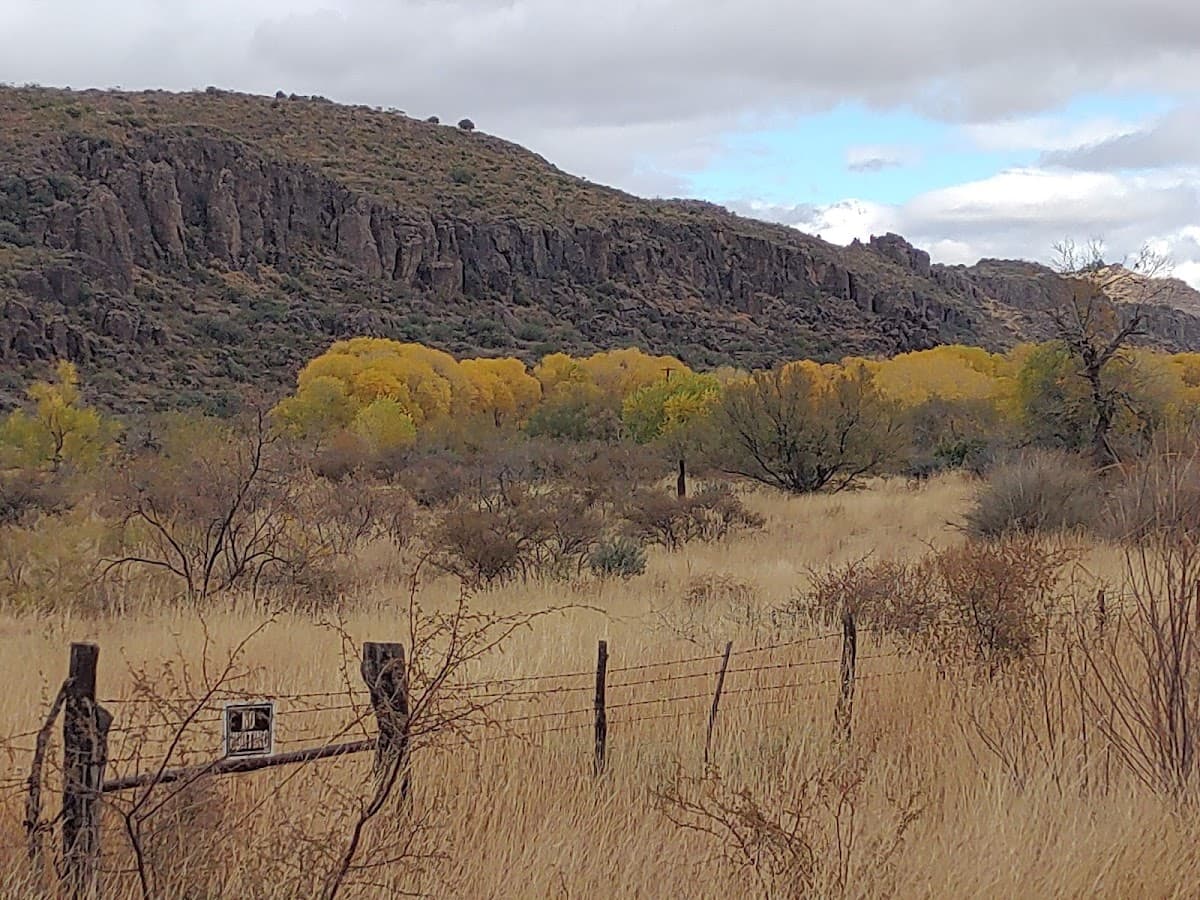
Big Bend sits in the crook of the Rio Grande, where Texas curves into Mexico and the Chihuahuan Desert stretches endlessly in every direction. This is America's most remote national park — a 1,200-square-mile wilderness where you can hike for hours without seeing another soul. The landscape here doesn't mess around: towering limestone cliffs drop into the Rio Grande, ancient volcanic peaks pierce the desert floor, and cacti forests stretch to horizons that seem impossibly far away. It's the kind of place that makes you feel small in the best possible way, where the night sky explodes with stars you forgot existed.
Best Months
JAN · FEB · MAR · OCT · NOV · DEC
~23°C · moderate crowds
Culture & Context
DARK SKY GIANT
Big Bend sits at a remarkable intersection of cultures, geology, and ecosystems. The park covers 801,000 acres of the Chihuahuan Desert on the U.S.-Mexico border, containing the only mountain range (the Chisos) entirely within a national park and more than 450 bird species. The Rio Grande — called Río Bravo del Norte in Mexico — forms the entire southern boundary, carving dramatic canyons like Santa Elena (walls reach 1,500 feet) and Boquillas over millions of years.
The Boquillas Crossing is one of the most unusual border experiences in the country: a rowboat crossing into a remote Mexican village where you can have lunch at Jose Falcon's restaurant and be back in the park by afternoon. Bring your passport — U.S. and international visitors both need valid travel documents.
The Greater Big Bend International Dark Sky Reserve spans over 9.6 million acres across Texas and Mexico, making it the largest International Dark Sky Reserve on Earth and the first to cross an international boundary. Astrotourism is a serious and growing part of the local economy — the Milky Way is visible from almost anywhere in the park on a clear, moonless night.
Terlingua has its own fiercely independent culture. The original 1967 chili cookoff was held here, and two competing versions still run simultaneously every November — CASI's championship and the Original Tolbert cookoff (known locally as 'Behind the Store'). In 2026, the Tolbert organization opened its Show competition to anyone for the first time in decades, returning to its free-wheeling 1960s roots. There are no chain restaurants in Terlingua, and locals take that seriously. The town's population is 'several dozen, counting the living residents of the Ghost Town.'
Be aware: cell phones near the park sometimes latch onto Mexican cell towers (Tel-Cel) on Highway 170 near the river. Check your carrier settings before making calls — you could be roaming internationally without realizing it.
Local Customs
NO BEANS, PERIOD
No beans in Texas chili — this is not a joke or a preference, it's a deeply held regional conviction. Ordering chili with beans in Terlingua will get you looks.. Leave No Trace is taken seriously here.
Pack out everything. The park's isolation means there's no easy cleanup crew.. Carry cash.
Boquillas, Mexico crossing is cash-only. Some unstaffed park entrances also have card reader issues. Always have some bills on hand..
Arrive at the Starlight Theatre by 4:30 PM if you want dinner without a long wait. No reservations for groups under 10, and the porch fills fast.. Keep lights pointed down and use red-light headlamps at night to protect the dark sky.
The Greater Big Bend Dark Sky Reserve has strict lighting etiquette, and locals enforce it socially if not legally.. Check in with rangers before any backcountry trip. It's not just a formality — rangers know current water source conditions, trail closures, and flash flood risks..
Watch your phone clock near the park boundary — cell phones can inadvertently switch to Mountain Time (one hour behind Texas time), causing visitors to miss closures, tours, or crossings.. Avoid hiking between 11 AM and 3 PM in summer. The desert does not negotiate.
Start early, carry more water than you think you need, and shade is a precious resource you likely won't find on the trail.. The speed limit in the park is 45 mph max — enforced for wildlife safety, not just human safety. Slow down at dawn and dusk when animals are most active..
If you plan to cross into Boquillas, Mexico, the port of entry closes promptly. Arrive back at the crossing at least 30 minutes before closing time — they lock the doors on schedule.
Safety
HEAT KILLS HERE
Heat is the number one killer at Big Bend, not crime. Summer temperatures regularly exceed 110°F in the lower desert elevations. The three biggest threats are dehydration, heat exhaustion, and heat stroke — each one can escalate quickly in a park where the nearest hospital is 90 miles away in Alpine. Avoid hiking between 11 AM and 3 PM from late spring through early fall. Carry more water than you think you need — South Rim hikers who bring 3 liters sometimes run critically low before returning.
Wildlife hazards are real. Black bears and mountain lions are present in the Chisos. Scorpions, rattlesnakes, and spiders are common throughout — don't pick things up off the ground with bare hands, nudge rocks with your shoe before stepping, and walk with a flashlight at night. Store ALL food in hard-sided vehicles or food lockers.
Flash floods can occur fast in narrow canyons and dry washes with no warning. If you see storm clouds anywhere in the region, get out of slot canyons and low areas.
Cell service is essentially nonexistent in 95% of the park. Limited Wi-Fi is available at Panther Junction Visitor Center, Rio Grande Village Store, and the (now-closed-for-renovation) Chisos Basin Lodge. Carry a satellite communicator or personal locator beacon for any serious backcountry trip.
Border proximity: Big Bend shares 118 miles of border with Mexico. Illegal crossings and drug activity do occur in the region, but incidences inside the park are rare and tourists are not typically targeted. Keep your passport with you — Border Patrol operates in the area and ID checks happen. The Boquillas Crossing is the only legal crossing within the park and requires valid passport documentation for both entry into Mexico and return to the U.S.
One quirky but real hazard: your phone may switch to Mountain Time (one hour behind Central Time) near the park boundary, causing you to miscalculate park closing times, crossing hours, or reservations. Double-check your clock when entering the area.
Big 2026 note: The Chisos Mountains Lodge is closed for a two-year renovation starting May 2026. In-park lodging is unavailable for the foreseeable future — plan to stay outside the park in Terlingua, Study Butte, or Marathon and drive in.
Getting Around
REMOTE & ROADBOUND
Big Bend is one of the most remote national parks in the lower 48. There is zero public transportation to or within the park — a personal vehicle is non-negotiable. Plan your road trip accordingly.
GETTING THERE: The closest airports are Midland/Odessa (MAF, ~3 hours), El Paso (ELP, ~4.5 hours — better flight options), and San Antonio (SAT, ~7-8 hours but a classic Texas road trip route). Amtrak's Sunset Limited stops in Alpine, Texas three times weekly — it's a scenic option, but you'll still need to rent a car in Alpine for the final 1.5-hour drive to the park.
FROM MAJOR CITIES: Houston is 8-9 hours away (~540-600 miles). San Antonio is roughly 430 miles (7-8 hours). Dallas-Fort Worth has multiple route options depending on preference for speed or scenery. All involve a significant stretch of open West Texas highway. Gas up in every town you pass — distances between stations are vast.
WITHIN THE PARK: Driving from the western Maverick Entrance to the eastern Rio Grande Village takes about 1.5-2 hours. The Chisos Basin requires a separate turnoff and can't be combined with other areas in a single loop. Plan at least one full day per major section (Ross Maxwell/west side, Chisos Basin, Rio Grande Village/east side).
HIGH-CLEARANCE NOTE: Many of the best backcountry roads (Ernst Tinaja, Old Ore Road, River Road backcountry sections) require high-clearance 4WD vehicles. A standard sedan works fine for the main paved roads and most visitor areas, but limits some adventures.
CELL SERVICE AND NAVIGATION: Download offline maps before you arrive. GPS works but cell data does not in most of the park. AT&T performs marginally better than other carriers in fringe areas, but plan to be fully disconnected. Your phone may accidentally roam onto Mexican carrier Tel-Cel on Highway 170 near the river — watch for unexpected international charges.
Useful Phrases
Itineraries coming soon
We're working on adding amazing itineraries for Big Bend National Park. In the meantime, try the app to create your own!
Money-Saving Tips
- 1.Buy your annual America the Beautiful pass ($80) if visiting multiple parks — it pays for itself after three visits
- 2.Camp instead of staying at Chisos Lodge to save $100+ per night, but book campsites well in advance
- 3.Fill up with gas in Alpine or Marathon before entering — the park has no gas stations and nearby options are limited and expensive
- 4.Pack all your food and water rather than relying on the lodge restaurant, which has limited hours and higher prices
- 5.Visit during shoulder seasons (November or February) for better weather and lower accommodation rates than peak winter months
Travel Tips
- •Download offline maps before arriving — cell service is nonexistent throughout most of the park
- •Start hikes before sunrise in warmer months to avoid dangerous midday heat
- •Bring a passport if you want to cross into Boquillas del Carmen, Mexico — it's a unique border town experience
- •Check road conditions before driving to remote areas like Old Maverick Road — high-clearance vehicles recommended
- •Pack extra water and let someone know your hiking plans — this is serious desert country where mistakes can be deadly
Frequently Asked Questions
Explore Big Bend National Park
BUILD YOUR BIG BEND NATIONAL PARK PLAN
Insider picks, smart timing, and a plan ready when you are.