
Rio de Janeiro
Carnival capital where mountains meet beaches and samba
Rio hits you like a caipirinha on an empty stomach — all sugar and fire with a kick that sneaks up on you. This is where Christ the Redeemer watches over 6 million Cariocas who've perfected the art of living well, and somehow they make it look effortless. You'll find yourself on Copacabana Beach at sunrise, wondering how a city can be this beautiful and this chaotic at the same time. The mountains rise straight from the ocean like green walls, favelas cascade down hillsides in a patchwork of color, and the whole place pulses with samba rhythms that never really stop. But here's the thing about Rio — it's not just the postcard views that get you. It's the way strangers invite you to join their beach volleyball game, how a simple lunch turns into a three-hour affair with live music, and why you'll find yourself learning Portuguese curse words from taxi drivers who become your temporary best friends.
Explore Destinations

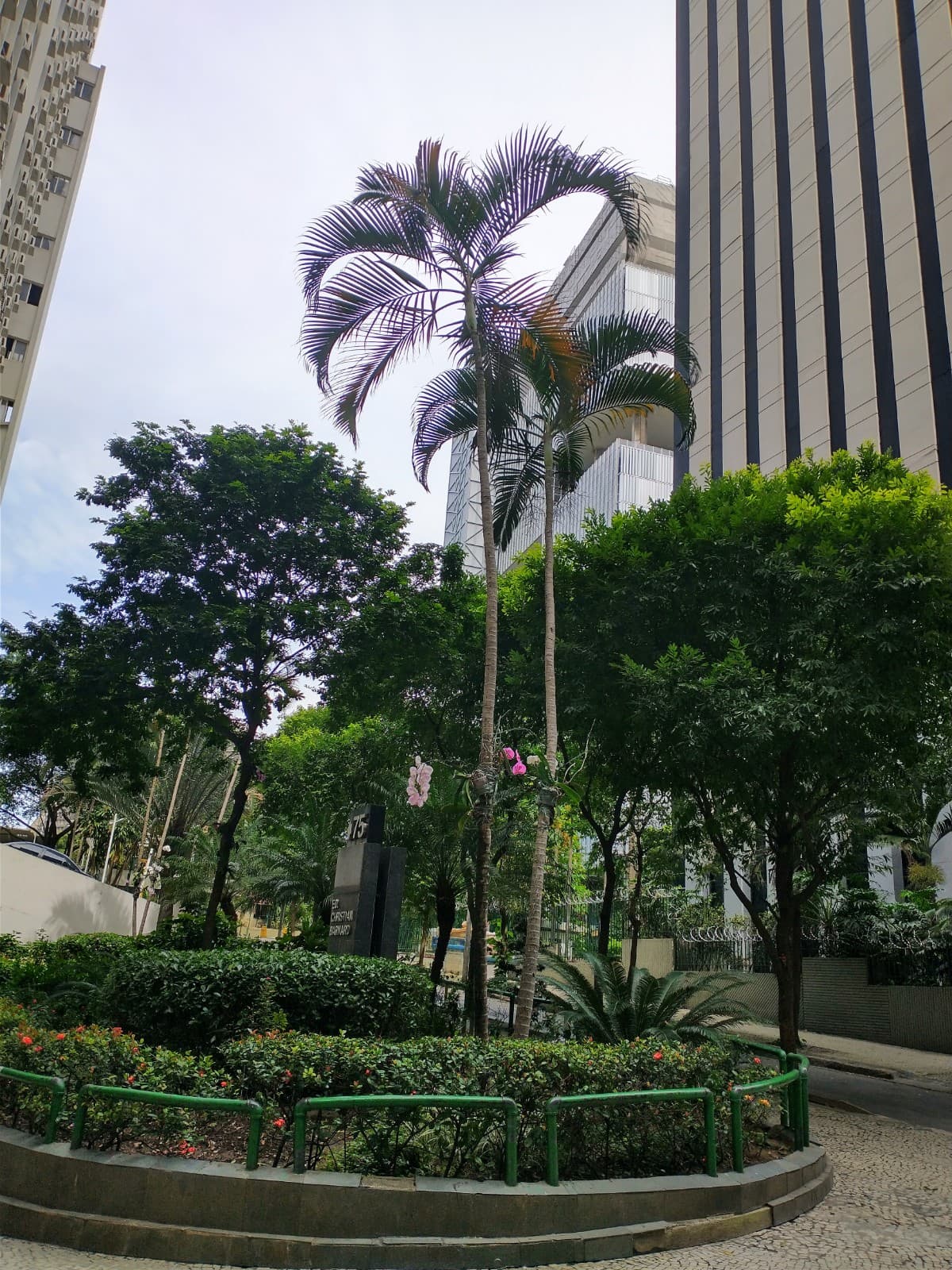

Explore the Region
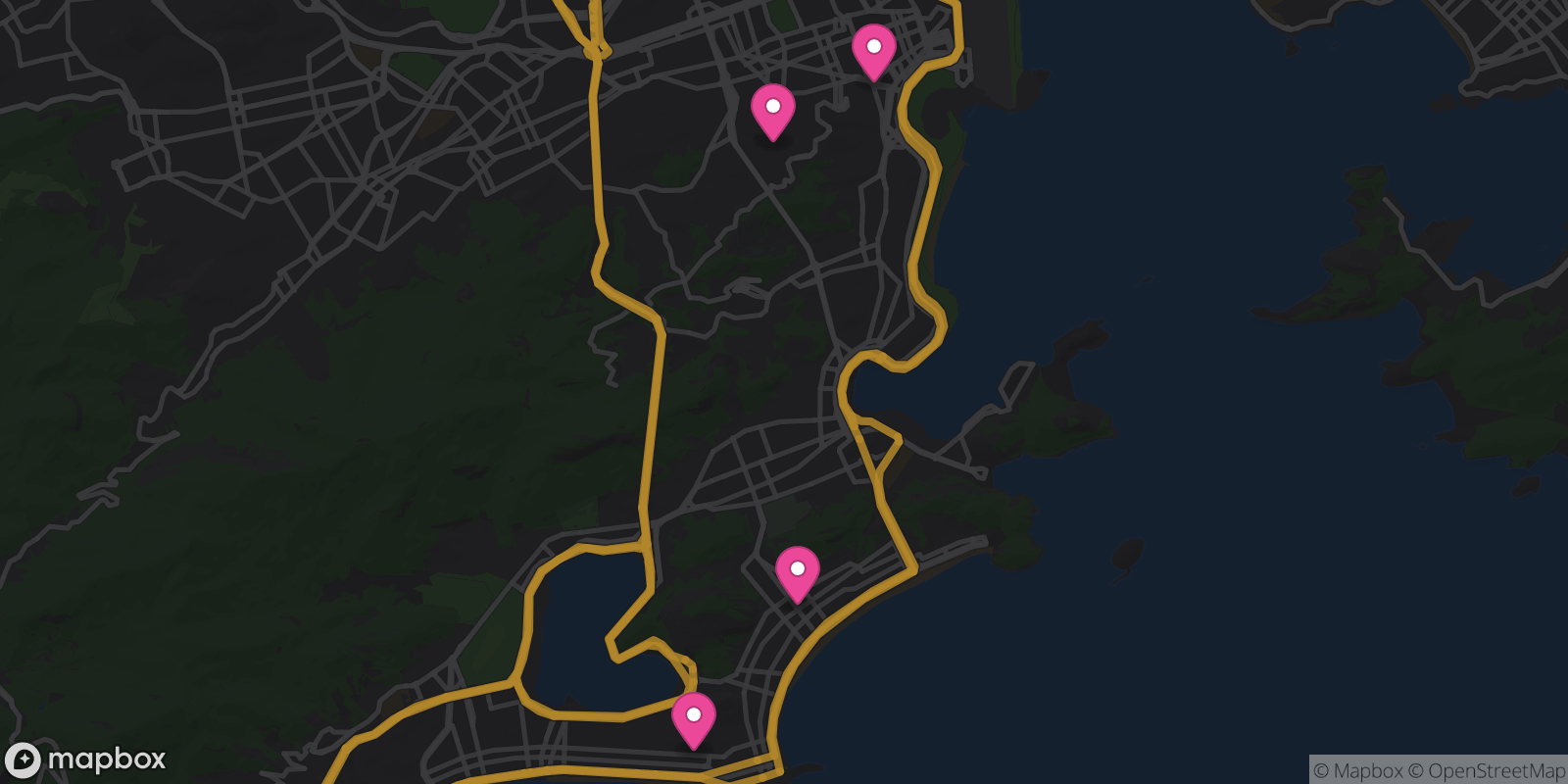
Rio de Janeiro Itineraries

Jungle Wild Copacabana: Lakeside Adventures & Sacred Trails
Weekend · $$

Rio Refined: Beaches, Culture & Coastal Escapes
Week · $$$$

Rio's Perfect Weekend: Iconic Views, Hidden Neighborhoods & Local Vibes
Weekend · $$$
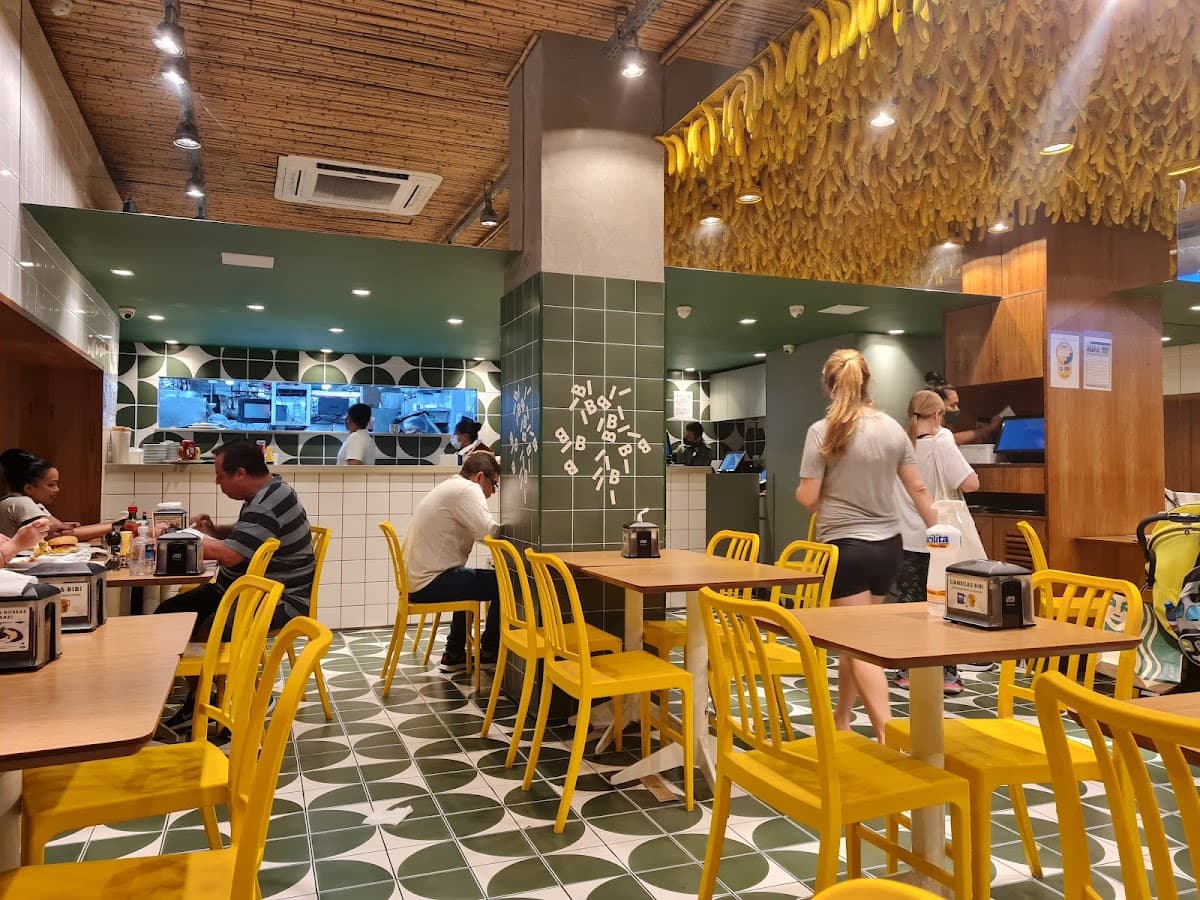
Rio Adventure: Budget Bliss for Couples
Weekend · $$

Rio de Janeiro Adventure: Peaks, Beaches & Samba Vibes
Week · $$$$

Rio de Janeiro: 7 Days of Beaches, Hikes & Local Vibes
Week · $$
Money-Saving Tips
- 1.Buy metro cards at stations instead of single tickets — you'll save R$1 per ride and skip the lines
- 2.Eat lunch at por kilo restaurants where you pay by weight — expect around R$40-60 per kilo for good food
- 3.Beach chair and umbrella rentals cost R$20-30 for the day, but locals bring their own towels and sit on the sand
- 4.Happy hour at botecos runs from 4-7 PM with draft beer for R$8-12 instead of the usual R$15-20
- 5.Take the train to Christ the Redeemer (R$79) instead of the van tours that charge R$120+ and include stops you don't want
- 6.Shop at supermarkets like Pão de Açúcar for snacks and drinks — beach vendors charge triple the price
- 7.Use the free wifi at shopping malls and Starbucks instead of buying local SIM cards unless you're staying long-term
Travel Tips
- •Learn basic Portuguese greetings — 'Oi' (hello) and 'Obrigado/a' (thank you) will get you smiles everywhere
- •Always carry cash — many small restaurants and bars don't accept cards, and some add fees for card payments
- •Don't wear flashy jewelry or carry expensive cameras openly, especially in crowded areas like Santa Teresa or downtown
- •The sun is stronger than you think — locals wear long sleeves on the beach and reapply sunscreen every hour
- •Dinner doesn't start until 8 PM at the earliest — restaurants that open at 6 PM are targeting tourists
- •Keep copies of your passport and documents separate from the originals, and leave valuables in your hotel safe
- •Download offline maps before heading to favela tours or hiking trails where cell service gets spotty
- •Tipping is 10% at restaurants and included in the bill as 'serviço' — check before adding extra
- •The beach flag system indicates water safety: green is safe, yellow means caution, red means no swimming
Frequently Asked Questions
Explore Rio de Janeiro
Ready to explore Rio de Janeiro?
Get a personalized itinerary in seconds with Takeoff.
Free on iOS. No credit card required.