Montevideo
Uruguay's laid-back capital with European South American charm
Look, Montevideo isn't trying to impress you. And that's exactly what makes it so charming. While Buenos Aires shouts for attention across the Río de la Plata, Uruguay's capital whispers its secrets to those who slow down enough to listen. This is a city where cobblestone streets in Ciudad Vieja lead to Art Deco gems, where locals sip mate on 13-mile Rambla waterfront, and where Sunday asado isn't just lunch—it's a religion. The European influence runs deep here, but it's filtered through a distinctly South American lens that feels both familiar and refreshingly different. Sure, it moves at its own pace. But once you sync with Montevideo's rhythm, you'll understand why Uruguayans have mastered the art of living well.
Best Months
JAN · FEB · MAR · OCT · NOV · DEC
~25°C · moderate crowds
Culture & Context
CARNIVAL & CANDOMBE
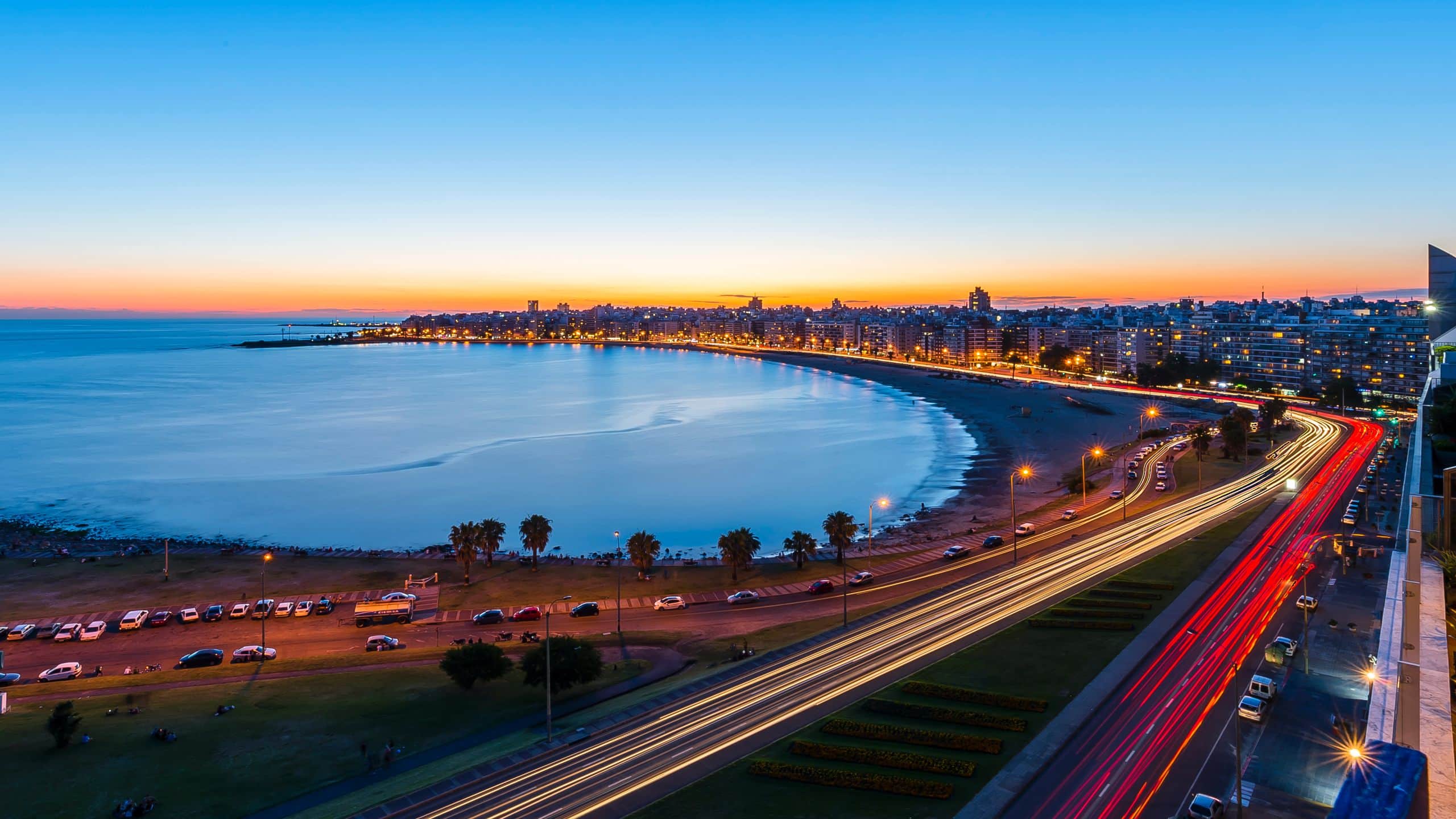
Montevideo is the kind of capital that takes its time. The 22-kilometer rambla along the Río de la Plata is the social backbone of the city — people run it, walk it, drink mate on it, and watch the sun sink into the water from it every single evening. This isn't performative leisure.
It's just how life is organized here. The city punches way above its weight culturally: it hosts the longest Carnival on the planet (over 40 continuous days), has a tango museum inside a Gothic Art Nouveau skyscraper, and produced Jorge Drexler, who won an Oscar for a song and still performs locally. Football is a religion.
Estadio Centenario hosted the first FIFA World Cup final in 1930 and locals will remind you of that fact with pride. Uruguay was also the first country in the world to fully legalize marijuana — though note that as a foreign tourist, purchasing it remains illegal for you specifically. The culture blends Italian, Spanish, and African-Uruguayan influences in a way that shows up most powerfully during Carnival, when Afro-Uruguayan candombe drumming fills entire neighborhoods for weeks.
Local Customs
MATE & LATE DINNERS
Mate is not a tourist activity — it's daily life. You'll see everyone from executives to taxi drivers walking the rambla with a thermos under one arm and a gourd in the other. If someone offers you mate, accept it.
Drink everything until the straw gurgles, pass the gourd back to the server (the cebador), and only say 'gracias' when you're done and don't want another round. Don't touch the bombilla straw and don't stir the yerba. That's the whole rulebook..
Dinner starts late. Restaurants often don't even open until 8 PM, and locals typically eat at 9 PM or later on weekends. Show up at 7 PM and you'll be eating alone in an empty room..
The 'OK' hand sign (thumb and index finger forming a circle) is considered rude. Don't use it.. Uruguayans greet with a single kiss on the cheek — this applies between men and women, and often between women.
Men typically shake hands with men. When leaving a gathering, say goodbye to each person individually. Skipping someone is noticed..
Asado (barbecue) is a serious social event, not just a meal. If invited to one, don't rush it. Uruguayan beef is genuinely exceptional, particularly the ribeye (entrecot) and chorizo cuts..
Comparsas (candombe drum groups) practice in the streets on weekends throughout the year, not just during Carnival. If you hear drums around Barrio Sur or Palermo, just follow the sound. It's a neighborhood party..
Littering is socially frowned upon. Tap water is safe and excellent quality throughout the city — carry a reusable bottle.
Safety
WATCH YOUR PHONE
Montevideo is generally safer than most South American capitals, and by regional standards it's comfortable. But safe is not the same as risk-free, and a few things are worth knowing before you go. Petty theft — pickpocketing, bag snatching, and motorcycle grab-and-go thefts — is the main concern for tourists.
The motorcycle thing is real and rising: two people on a bike approach fast, grab your phone or chain, and vanish. Keep your phone in your pocket while walking, not in your hand. Keep bags on the wall side of the sidewalk, not the street side.
Ciudad Vieja is excellent during the day and significantly sketchier on its back streets after dark, particularly on weekends. The US State Department flags Ciudad Vieja, the Rambla, and even upscale Punta Carretas as areas where street crime occurs — it's not isolated to 'rough' zones. Peripheral neighborhoods like Casavalle and Casabó-Cerro should simply be avoided; there's no tourist reason to go there.
ATM safety matters: use bank ATMs during daylight, cover your PIN, and don't change cash informally on the street regardless of the rate offered. Fake police officers are rare but documented — if someone demands an on-the-spot fine, ask for ID and call 911. Unlicensed taxis at the airport are a known scam.
Use the official white-and-yellow Taxi Montevideo queue at arrivals, or book Uber or Cabify in advance. Emergency number across Uruguay: 911.
Getting Around
BUSES & UBER
Getting around inside Montevideo is straightforward. The STM bus network covers the entire city with a flat fare of around UYU 34 (about $0.85 USD) when you use the rechargeable STM card — buy one at CUTCSA offices or Abitab outlets.
The buses are generally reliable and most key tourist routes run along the rambla corridor. There's no metro. Uber and Cabify both operate legally and reliably, and are usually cheaper and safer than flagging a street taxi, especially at night.
Official taxis (white with a checkerboard strip) use meters — insist on the meter for short trips, or agree on a price upfront for longer ones. Airport to Pocitos runs roughly UYU 800–1,000 (about $20–$25 USD). The Montevideo Bici bike-share has docking stations along the rambla and through Pocitos.
The city is flat near the coast, which makes cycling genuinely practical for the main tourist corridor. Getting to Buenos Aires: Buquebus runs a direct ferry from the Ciudad Vieja port terminal in about 2.5 hours.
Expect to pay around $86 USD one-way for the direct crossing. Colonia Express offers a cheaper option via bus-to-ferry via Colonia del Sacramento, totaling about 4 hours for roughly $41–$48 USD. Arrive at the port 90–120 minutes before departure for passport control.
The Tres Cruces bus terminal (Bulevar General Artigas 1825) handles all long-distance domestic and international coaches. Carrasco International Airport is 20km from the city center.
Useful Phrases
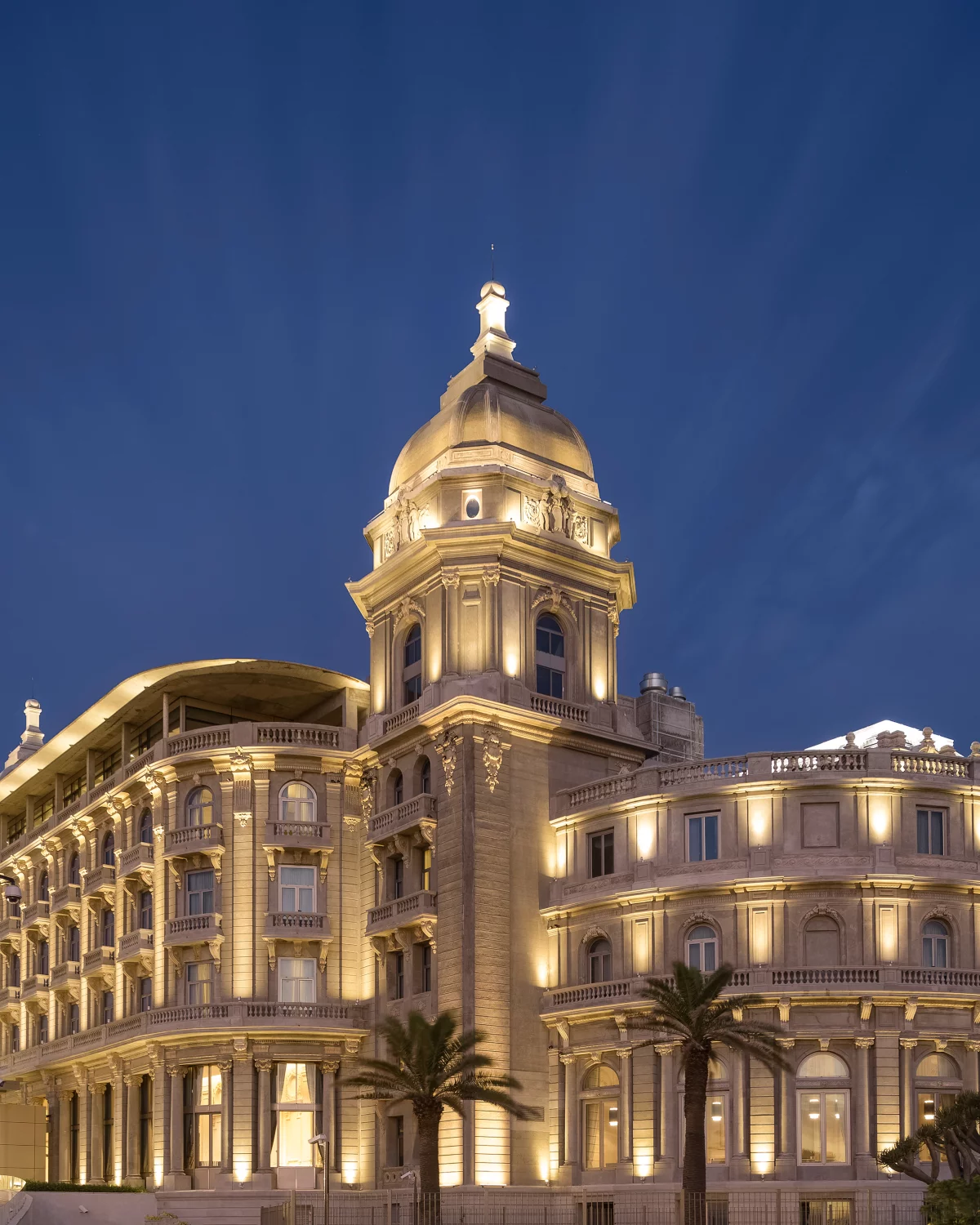
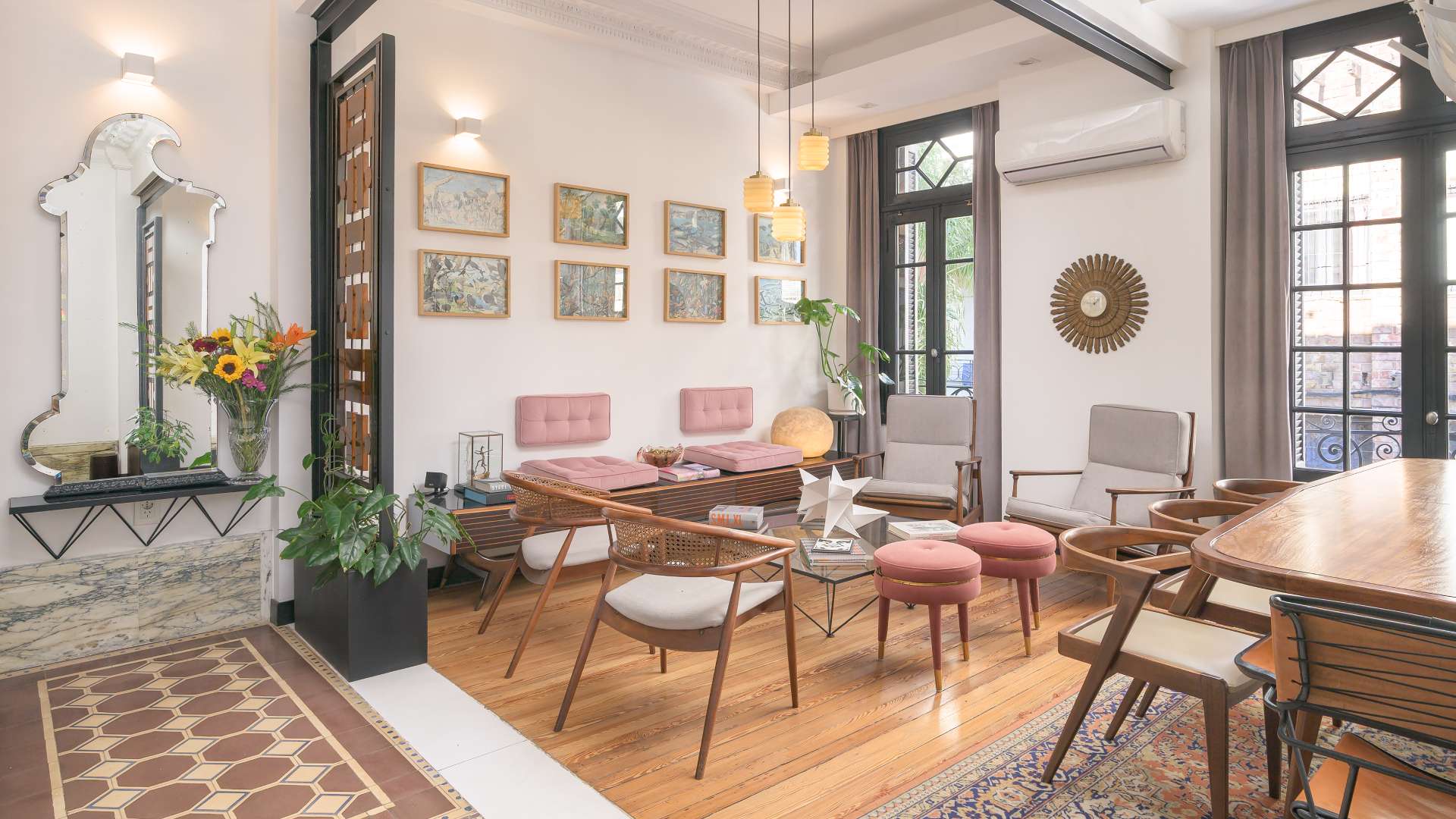
Where to Stay in Montevideo
6 recommended properties

Money-Saving Tips
- 1.Lunch menus (menu ejecutivo) at restaurants cost $12-15 and include appetizer, main, dessert, and coffee—better value than dinner
- 2.Buy mate supplies at local markets rather than tourist shops—save 50% on gourds and bombillas
- 3.Many museums are free on Sundays, including the Museo Nacional de Artes Visuales
- 4.Airport exchange rates are terrible—use ATMs in the city center for better peso rates
- 5.Supermarket wine selection beats restaurant markups by 60-70%—stock up at Disco or Tienda Inglesa
- 6.Public beaches are completely free, including chair and umbrella rentals at some spots during summer
Travel Tips
- •Download the STM app for real-time bus tracking—routes can be confusing but the app helps
- •Restaurants close between 3-7 PM—plan your eating schedule around these hours
- •Bring layers year-round—coastal weather changes quickly, even in summer
- •Learn basic mate etiquette if offered—never move the bombilla or say gracias until you're done
- •Most shops close Sunday except in tourist areas—stock up on Saturday
- •Tipping is 10% at restaurants, round up for taxis, and not expected at cafes