Suriname
South America's hidden gem where rainforests meet Dutch colonial charm
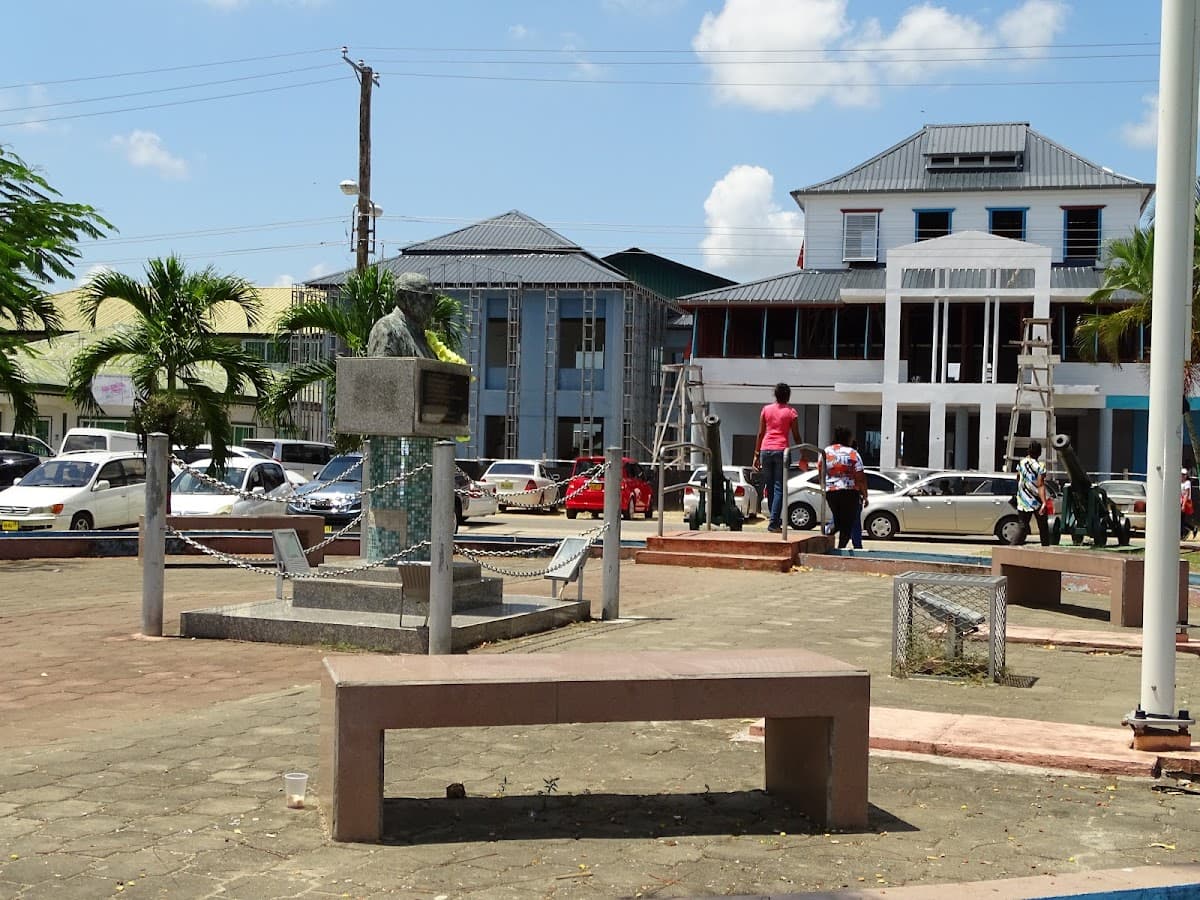
Look, most people can't even point to Suriname on a map. And honestly? That's exactly what makes it special. This slice of South America sits quietly between Guyana and French Guiana, where 90% of the country is untouched rainforest and the capital looks like Amsterdam had a baby with the Caribbean. You'll find jaguars prowling through pristine jungle, Dutch colonial buildings painted in sherbet colors, and some of the most diverse cuisine on the continent. Sure, it's not the easiest place to navigate, and you won't find resort pools or Instagram-perfect beaches. But if you want to experience a country before the rest of the world catches on, Suriname delivers that rare feeling of genuine discovery.
Money-Saving Tips
- 1.The Surinamese dollar fluctuates wildly — US dollars are widely accepted and often preferred for tourist services
- 2.ATMs in Paramaribo dispense local currency, but many rural areas operate cash-only with no banking services
- 3.Negotiate tour prices in advance and confirm what's included — some operators add 'extras' after you've committed
- 4.Local buses and shared taxis cost a fraction of private transportation, but require patience and flexibility
- 5.Restaurant prices in Paramaribo rival those in major US cities, but street food and local markets offer budget-friendly alternatives
- 6.Jungle lodge packages often include meals and activities — compare total costs rather than just nightly rates
Travel Tips
- •Yellow fever vaccination is required for entry — get it at least 10 days before travel
- •Pack serious insect repellent with DEET — Suriname's mosquitoes are relentless and carry diseases
- •Download offline maps before venturing outside Paramaribo — cell service disappears quickly in rural areas
- •Bring a good headlamp for jungle excursions and power outages in remote areas
- •Learn basic Dutch phrases — while many locals speak English, Dutch opens more doors
- •Book domestic flights and jungle tours through local operators rather than international booking sites
- •Pack quick-dry clothing and waterproof bags — humidity and sudden downpours are constants
- •Respect indigenous communities and ask permission before photographing people or sacred sites