Galápagos
Darwin's living laboratory of unique wildlife evolution
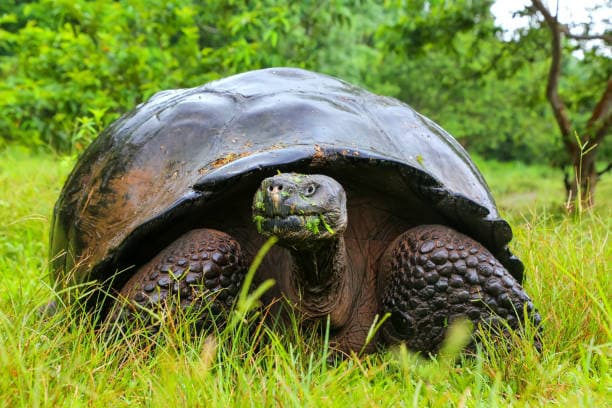
Six hundred miles off Ecuador's coast, the Galápagos Islands remain one of Earth's most extraordinary places. Here's where Darwin cracked the code on evolution, and honestly, you'll understand why within minutes of your first wildlife encounter. Giant tortoises lumber past your feet. Sea lions sprawl across park benches in Puerto Ayora like they own the place (they do). Blue-footed boobies perform their ridiculous mating dance while marine iguanas sunbathe on black volcanic rocks. This isn't a zoo or nature documentary - it's real life, happening right in front of you. The animals here have zero fear of humans, creating wildlife encounters that feel almost surreal. But here's the thing: visiting requires planning, permits, and a decent budget. The Ecuadorian government strictly controls tourism to protect this UNESCO World Heritage site, which means smaller crowds but higher costs.
Galápagos Itineraries
View all
7 Days Wild & Wonder-Filled Galápagos Island Hopping
Week · $$$

Wild Weekend Escape in the Galápagos
Weekend · $$$
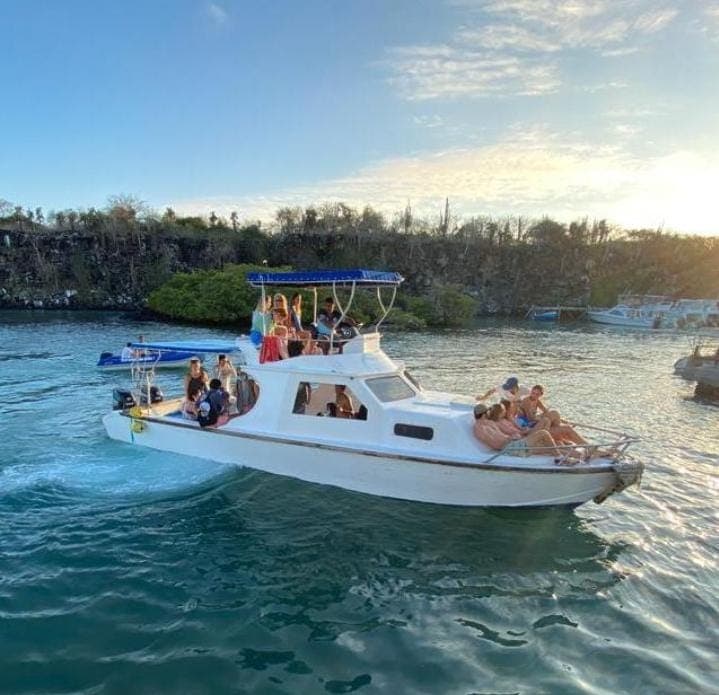
Jungle-Wild Galápagos Romance with Easy Island Hopping
Week · $$$

Wildly Romantic Long-Weekend in the Galápagos
Weekend · $$$

Family-Friendly Galápagos: Wildlife, Volcanos, and Easy Island Days
Week · $$$

Family-Friendly Galápagos: Wild Weekend on Santa Cruz
Weekend · $$$
Money-Saving Tips
- 1.Book flights to Quito or Guayaquil separately from your Galápagos flights - package deals rarely save money
- 2.Buy the $200 national park entrance fee in cash at the airport to avoid credit card surcharges
- 3.Stay in Puerto Ayora for the most dining options - other islands have limited and expensive restaurants
- 4.Pack reef-safe sunscreen from home - local prices hit $25 per bottle
- 5.Join group tours instead of private ones to cut costs in half - the wildlife viewing is identical
- 6.Bring a reusable water bottle - bottled water costs $3-5 per bottle on remote islands
- 7.Book accommodation 3-4 months ahead for better rates, especially during dry season
- 8.Consider staying on just one island to avoid expensive inter-island transport fees
Travel Tips
- •Pack motion sickness medication - boat rides between islands can be rough, especially June-November
- •Bring a good underwater camera or waterproof case - snorkeling opportunities happen daily
- •Download offline maps before arriving - internet is spotty outside main towns
- •Pack light-colored, long-sleeve shirts for sun protection during boat trips
- •Bring cash in small bills - many local operators don't accept cards or large denominations
- •Book tours the day before, not weeks ahead - weather can change plans quickly
- •Stay at least 6 feet from all wildlife - it's the law and rangers enforce it strictly
- •Pack a headlamp for early morning excursions and evening walks
- •Bring reef-safe sunscreen only - regular sunscreen is banned to protect marine life
Frequently Asked Questions
Explore Galápagos
Ready to explore Galápagos?
Get a personalized itinerary in seconds with Takeoff.
Free on iOS. No credit card required.