Cuenca
Colonial charm meets modern comfort in Ecuador's cultural heart
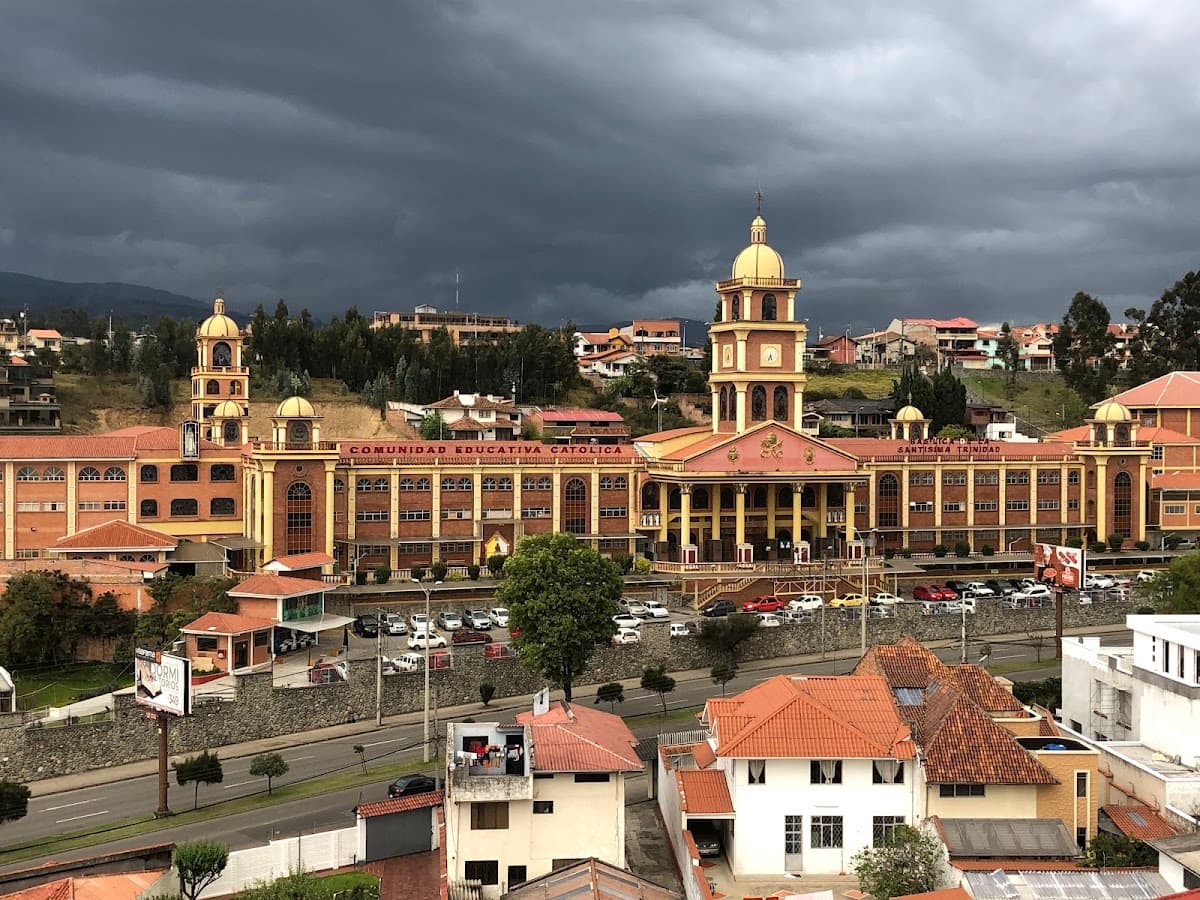
Cuenca hits different. This UNESCO World Heritage city in Ecuador's southern highlands serves up colonial architecture that actually feels lived-in, not museum-perfect. Cobblestone streets lead to art galleries tucked between 16th-century churches, while the Tomebamba River cuts through the historic center like a timeline between old and new. At 8,400 feet above sea level, the weather stays spring-like year-round, and your dollar stretches further than almost anywhere else in South America. But here's what guidebooks won't tell you: Cuenca moves at its own pace, and that's exactly the point.
Best Months
JAN · FEB · JUN · JUL · AUG · SEP · DEC
~23°C · moderate crowds
Culture & Context
CONSERVATIVE, FAMILY-FIRST PACE
Cuenca is Ecuador's third-largest city, sitting at 8,400 feet in the southern Andes, with a UNESCO-listed historic center and a population hovering around 600,000. It runs on US dollars, which removes a lot of the mental math that exhausts you in other South American cities. The place has a genuinely conservative, community-oriented culture.
Family comes first. Siesta hours (roughly 1–3pm) are still real. Don't be surprised when your favorite café closes on a Tuesday because someone's kid had a school pageant.
The expat community is large and established, estimated between 8,000 and 10,000 foreign residents, and their presence has driven a real expansion in quality cafés, bookshops, and English-friendly services. But the expat bubble is real, too. It's entirely possible to spend years here eating at the same five restaurants and never actually connect with Cuenca's Ecuadorian culture.
The city leans traditional and formal compared to Guayaquil or Quito's coast. Catholic holidays matter. Greeting people properly matters.
And the pace is slow in a way that delights retirees and gently drives type-A professionals mad.
Local Customs
GREETINGS & SIESTA SACRED
Greetings are non-negotiable. A handshake with direct eye contact for new acquaintances; a single cheek kiss between people who know each other. Always say buenos días or buenas tardes before launching into any request.
Skipping this is the fastest way to get cold service.. La hora ecuatoriana is real. If you invite someone and they show up an hour late, that's within the bounds of politeness.
The person who makes the invitation is generally expected to pay, especially men entertaining women.. Remove your hat inside churches. This is serious.
Catholic churches are active places of worship, not museums, and bare heads are expected. Dress modestly in sacred spaces generally.. Siesta hours (roughly 1–3pm) mean many smaller shops and some offices close.
Family and fútbol take priority over business hours without warning. If your favorite tienda is shut on a Tuesday afternoon, someone's kid probably had a recital.. Do not point at people with your finger.
Use your whole hand or your chin to gesture toward someone. Pointing with a single finger is considered rude.. In restaurants and cafés, a 10% service charge is often already included on the bill.
Tipping above this is appreciated for genuinely good service but not mandatory at cheaper spots.. Photographing people, especially in indigenous communities and markets, requires asking permission first. A smile and a hand gesture toward your camera goes a long way, but wait for a nod..
Cash in small bills is essential. Many vendors and market stalls can't break large notes. Carry $1 and $5 bills for buses, taxis, and market purchases.
Safety
SAFE BUT WATCH BELONGINGS
Cuenca remains Ecuador's safest large city in 2026, and that matters given the country's broader security picture. The highland geography keeps it off the coastal drug trafficking corridors where Ecuador's organized crime is concentrated. That said, March 2026 brought an unusual surge of violence tied to territorial drug dealer disputes, with incidents in Las Orquídeas and parts of El Centro. These were gang-on-gang incidents, not tourist-targeting events, but they signal that no city is fully insulated from Ecuador's national trends.
Day-to-day, the realistic risk for visitors and expats is opportunistic petty theft: phone snatching, pickpocketing near Mercado 10 de Agosto and Parque Calderón, and bag grabs at busy intersections. The historic center has the most foot traffic and therefore the most petty crime. Carry a slim crossbody bag worn in front, split your cash, and keep your phone in a pocket rather than your hand while walking.
Never hail a taxi off the street. Use Uber or InDriver (both work well in Cuenca) or have your hotel call a registered radio taxi. Agree on the price before getting in if the meter is absent. ATMs: use machines inside banks or malls, during daylight hours, and shield the keypad.
The US State Department rated Ecuador at Level 2 (Exercise Increased Caution) as of early 2026, with Level 3 and 4 zones concentrated in Guayaquil, Esmeraldas, and the northern border. Cuenca is not in those zones. Emergency number is 911.
Getting Around
WALKABLE WITH LIGHT RAIL
Cuenca is genuinely walkable if you live in or near El Centro or the river corridors. The Tranvía light rail opened in 2022 and runs through the city center for $0.30 a ride. City buses cover the broader network, also $0.30. Taxis across town run $2.50–4.00 and are abundant. Uber and InDriver both operate here and are the safer, more reliable option over street-hailed cabs.
Most expats who live centrally don't own a car and don't need one. If you move to an outer neighborhood like Challuabamba or San Joaquín, a car becomes useful. Gasoline is government-subsidized in Ecuador, with regular (Extra) fuel running around $1.50–1.75/gallon, one of the cheapest in the Americas.
Connecting to the rest of the country: domestic flights to Quito or Guayaquil run $60–120 round-trip. Guayaquil is a four-hour scenic drive and has an international airport. Quito's international airport is less than an hour's flight. From Quito, non-stop flights to Miami take about four hours.
Useful Phrases
Where to Stay in Cuenca
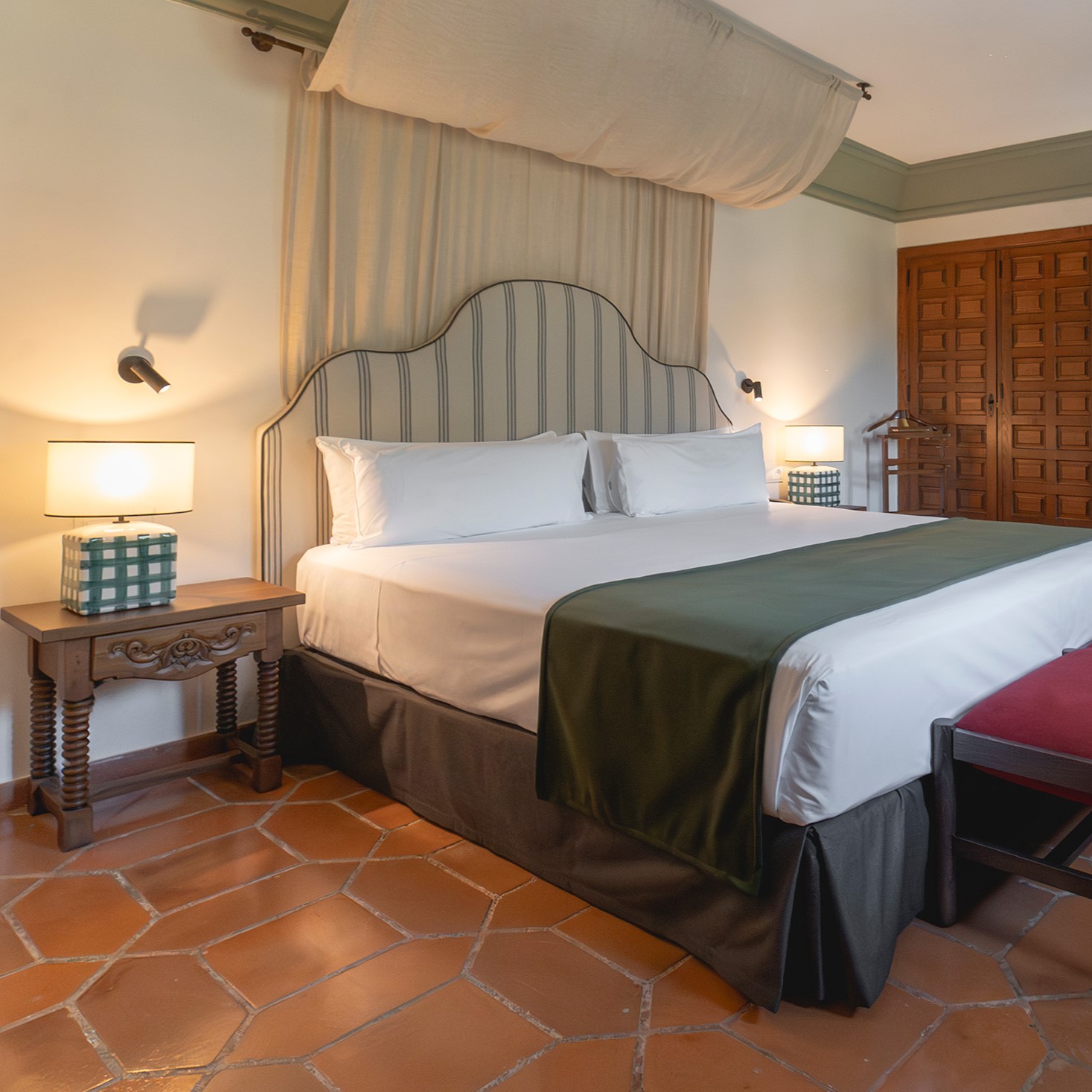
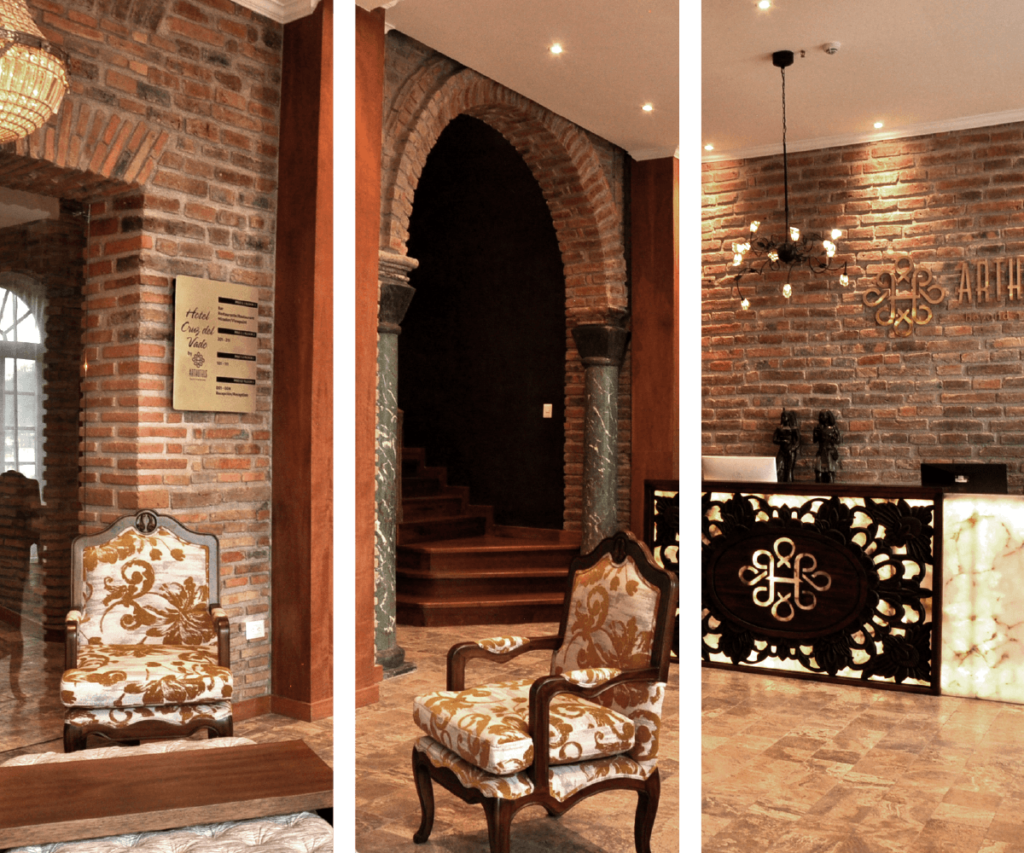
2 recommended properties
Money-Saving Tips
- 1.Eat at local markets like Mercado 10 de Agosto - full meals cost $2-4 versus $8-12 at tourist restaurants
- 2.Stay in El Vado or residential neighborhoods instead of El Centro Histórico to cut accommodation costs by 50%
- 3.Use city buses (30 cents) instead of taxis ($3-4) for longer distances within Cuenca
- 4.Shop at Supermaxi or Coral supermarkets rather than corner stores for groceries - prices drop 20-30%
- 5.Visit museums on free days - many offer complimentary entry for residents and students with ID
- 6.Book day trips directly with local operators instead of hotel concierges to avoid markup fees
Travel Tips
- •Pack layers - mornings start cool but afternoons warm up quickly at 8,400 feet elevation
- •Bring cash - many local restaurants and markets don't accept cards, and ATMs charge high fees
- •Learn basic Spanish phrases - English isn't widely spoken outside tourist areas and expat hangouts
- •Drink bottled water for the first few days while your stomach adjusts to local tap water
- •Wear comfortable walking shoes with good grip - cobblestones get slippery when wet
- •Book accommodations in advance during Corpus Christi (June) and Independence celebrations (November)
- •Keep altitude sickness medicine handy - the elevation affects some visitors despite the mild climate
- •Negotiate taxi fares before getting in - meters aren't always used, especially for longer trips