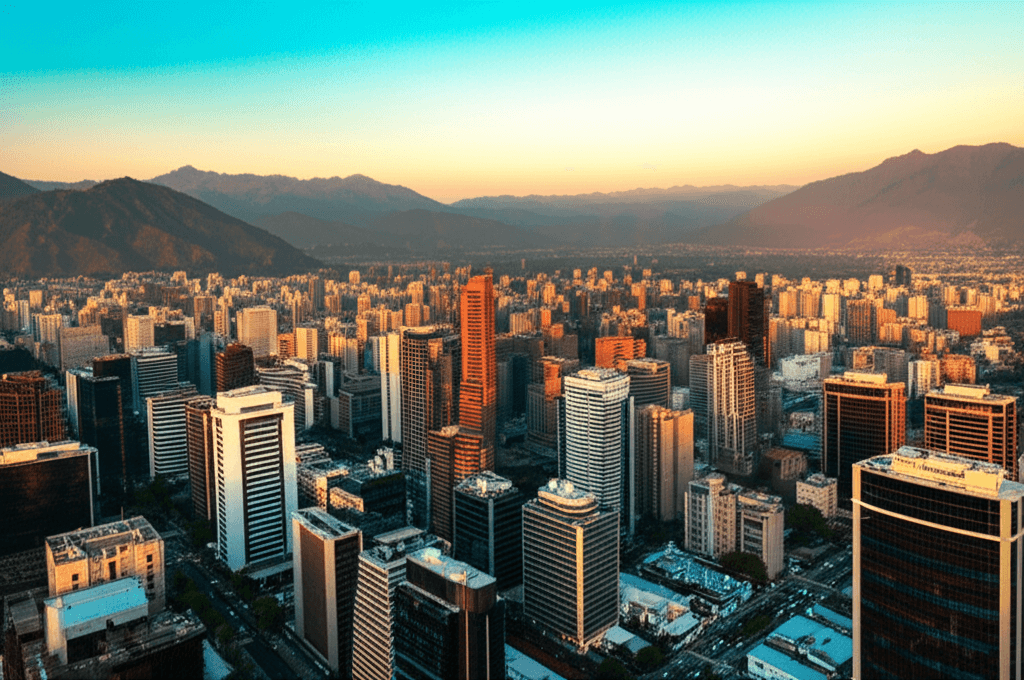
Santiago
Cosmopolitan capital beneath snow-capped Andean peaks
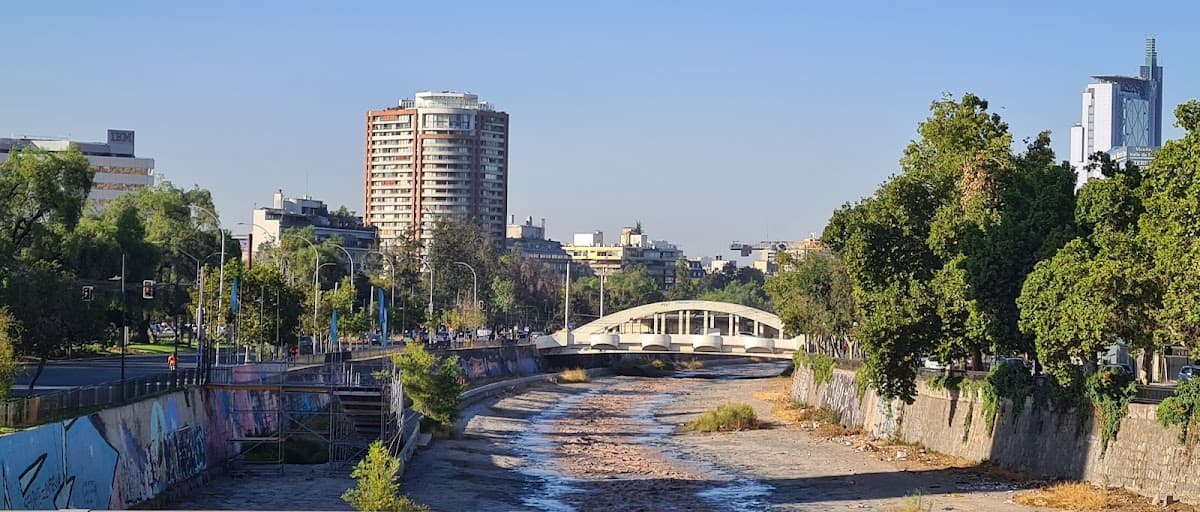
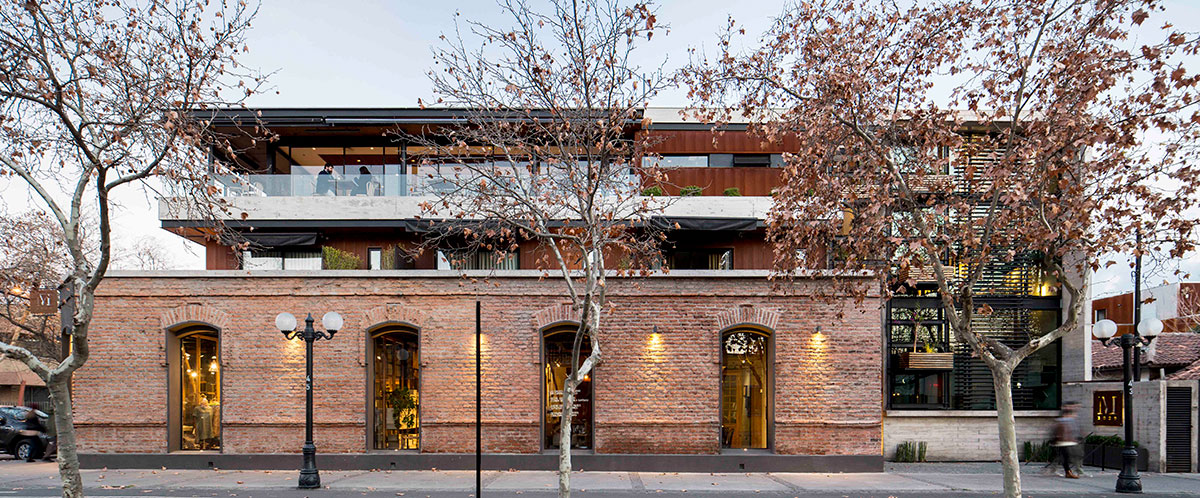
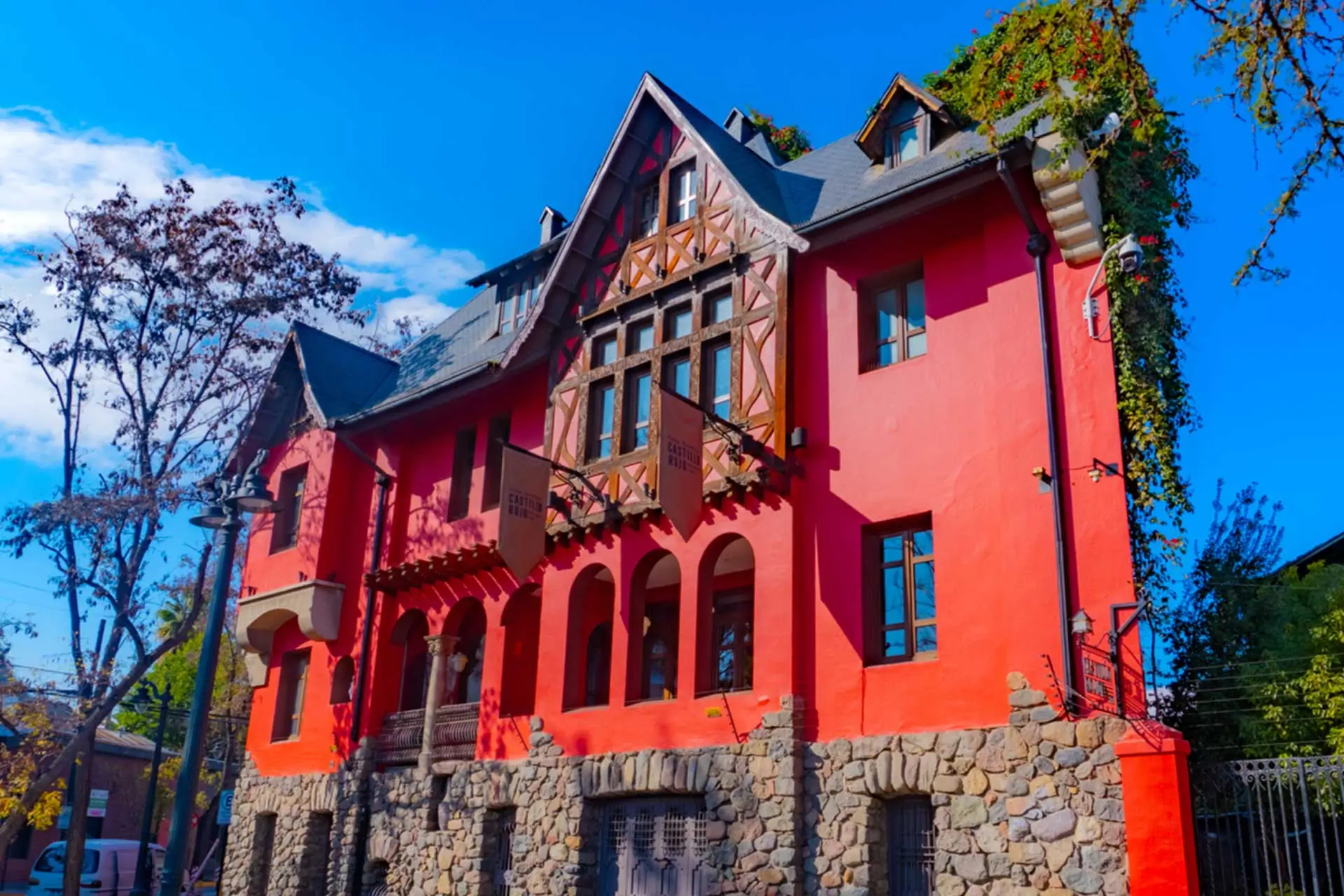
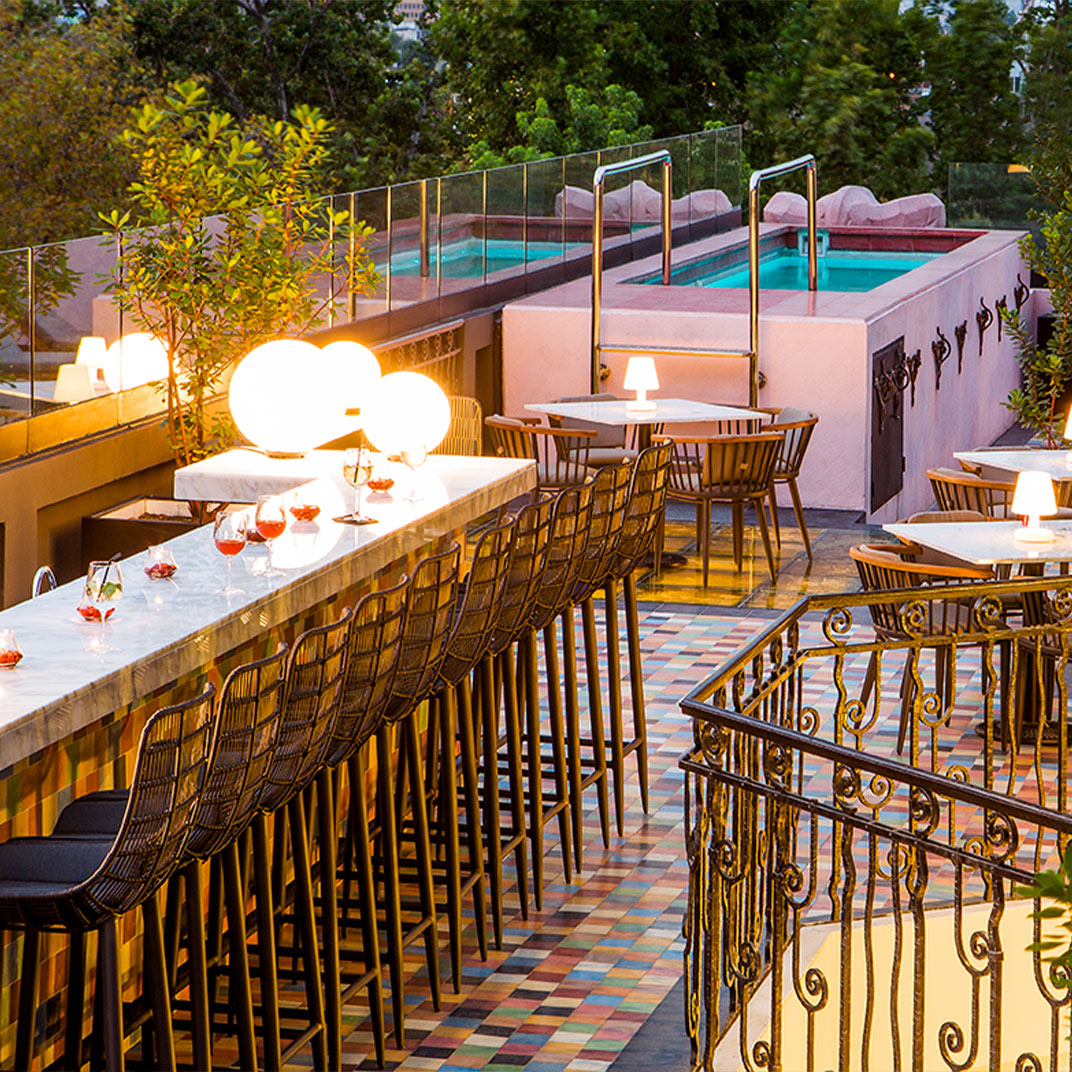
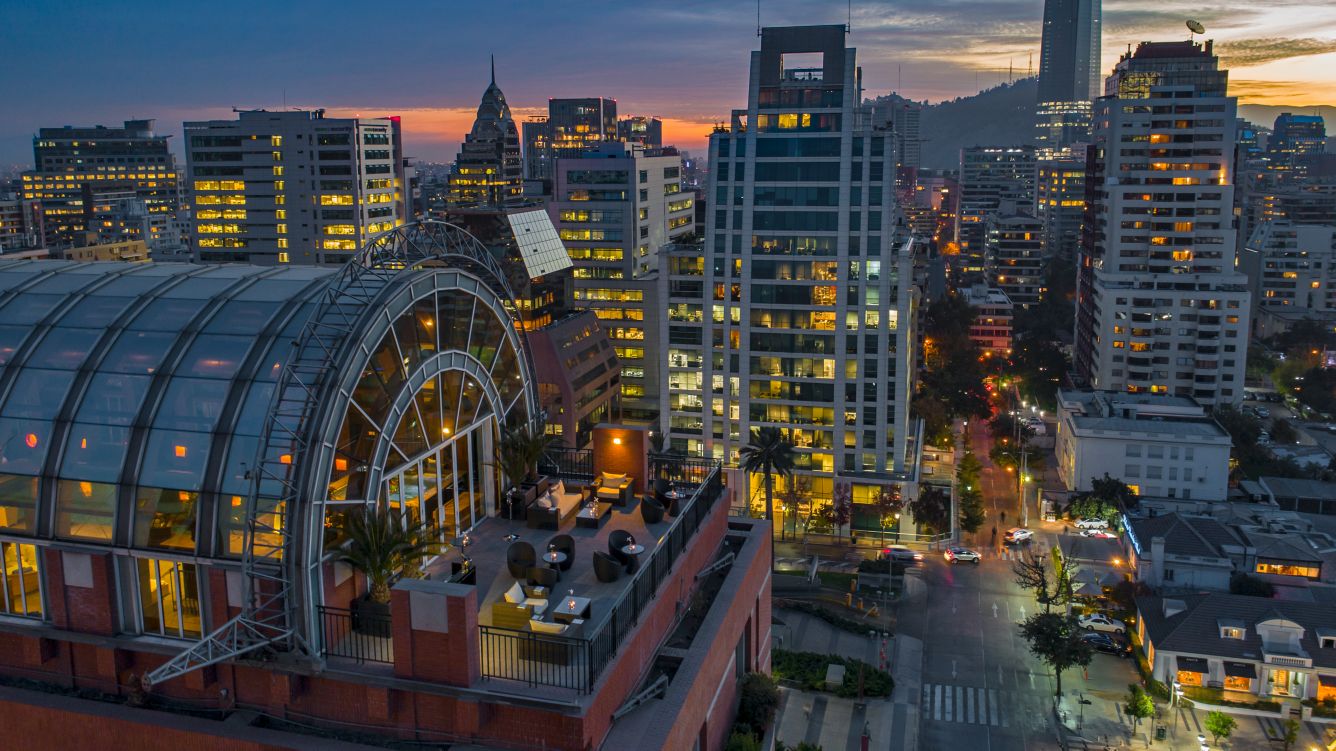
Santiago sits in a valley surrounded by snow-capped peaks, but don't let the mountain views fool you into thinking this is some sleepy Andean town. Chile's capital pulses with energy — sleek skyscrapers rise from historic neighborhoods, world-class restaurants serve everything from traditional empanadas to molecular gastronomy, and the metro whisks you between districts that feel like different cities entirely. You'll find street art covering entire buildings in Bellavista, wine bars tucked into converted mansions in Providencia, and rooftop terraces where you can sip pisco sours while the Andes glow pink at sunset. The city has grown into itself over the past decade, shedding its reputation as just a stopover to Patagonia and emerging as a destination worth several days of exploration.
Best Months
MAR · APR · MAY · SEP · OCT · NOV
~23°C · moderate crowds
Culture & Context
ANDES MEET MODERNITY
Santiago is a capital city that takes itself seriously without being stuffy about it. It's modern and efficient in ways that catch South America first-timers off guard: the metro is clean, the tap water is drinkable, and the infrastructure largely works. But the Andes loom over everything on a clear day, and that mountain backdrop does something to the mood of the place.
Chilean Spanish is its own animal. Even fluent Spanish speakers get humbled here. Locals drop the 's' off the ends of syllables, speak fast, and layer in slang called 'chilenismos' so thick that a sentence can sound like an entirely different language. Don't panic. People are patient, especially in tourist areas.
The culture around food and time is worth knowing. Many Chilean families skip formal dinner and instead do 'once' — a late-afternoon meal of bread, avocado (palta), cheese, ham, and tea or coffee somewhere between 5-8pm. You'll see café menus advertising 'once' all over the city. It's worth doing at least once. Wine is serious business here. The Maipo Valley starts basically on the city's southern edge, and the attitude toward wine reflects that closeness.
Greetings matter. One kiss on the cheek when meeting someone (men and women, women and women) is the standard. A handshake works between men who don't know each other. Getting this right goes a long way.
Local Customs
ONCE TIME MATTERS
Do 'once' at least once. It's the Chilean tradition of a late-afternoon tea-and-bread spread (usually between 5-8pm) that doubles as a light evening meal. Cafes advertise it everywhere.
Order the bread with palta (avocado) and don't skip the tea.. Tip 10% (propina) in restaurants. It's standard and expected.
Taxis don't require a tip, though rounding up to the nearest 500 CLP is common. Uber drivers don't get tipped in the app either.. Greet with a kiss on the right cheek.
One kiss is the norm when meeting people — between women, and between men and women. Men who don't know each other usually shake hands.. Pay for your hotel in foreign currency.
Paying in USD, EUR, or with a foreign credit card legally waives the 19% IVA sales tax on accommodation. The hotel will ask; just confirm upfront.. Don't hail taxis off the street, especially near tourist areas and at the airport.
Credit card fraud via tampered readers is a documented problem. Use Uber, Cabify, or DiDi — all operate legally and are far safer.. In markets, ask for 'yapa' — a little extra.
It's a tradition rooted in Quechua culture where vendors give a small bonus when you buy something. Works at La Vega Central especially.. Keep your phone out of sight in crowded metro cars and around tourist hotspots like Plaza de Armas.
Snatch-and-grab theft is the most common tourist problem in the city. Put the phone away when you're not actively using it.. Watch your drink in Bellavista and Suecia nightlife areas.
Drink spiking incidents have been reported in recent years. Don't leave drinks unattended and don't accept drinks from people you don't know.
Safety
STREET SMARTS REQUIRED
Santiago is safer than most large Latin American capitals but not a city where you can switch off your awareness. The US State Department currently rates Chile at Level 2 (Exercise Increased Caution), pointing specifically to increases in muggings, assaults, and carjackings in Santiago. Here's what that actually means day-to-day.
The eastern neighborhoods — Las Condes, Vitacura, Providencia, and Ñuñoa — are where most visitors stay and are genuinely safe during the day. Bellavista and Lastarria are fine for dinner and evening drinks, but pay attention at night and take an Uber back to your hotel rather than walking long distances. Downtown Santiago (Plaza de Armas area, Estación Central) should be avoided after dark. Full stop.
Petty theft is the most common tourist issue. Pickpocketing happens on the metro during rush hour, around markets like La Vega, and near Plaza de Armas. Put your phone in your front pocket or a zipped bag. Don't use your phone while walking in crowded areas. If someone spills something on you or causes a distraction, that's the play — get distance immediately.
Never take an unmarked taxi or flag one off the street, especially from the airport. Rigged card readers and inflated fares are documented problems. Use Uber, Cabify, or DiDi — all legal, GPS-tracked, and driver-verified.
Drink spiking has been reported in the Bellavista and Suecia nightclub areas. Watch your drink, don't accept drinks from strangers, don't leave your glass unattended.
Chile sits on a major seismic zone. Earthquakes happen. Ask your hotel or hostel about their evacuation procedure when you check in. It takes 30 seconds and is worth doing.
Getting Around
METRO & UBER
The metro is your main tool and it's genuinely good. Clean, safe, and extensive. Pick up a Bip! card on arrival — it costs 1,550 CLP ($1.80 USD) as a one-time fee and works on all metro lines, city buses, and commuter trains. Each ride costs 800-890 CLP (under $1 USD). The system runs until around 11pm on weekdays. Line 1 runs east-west and serves most of the key neighborhoods: Providencia, Baquedano (gateway to Bellavista), Las Condes, and Centro. Anchor yourself near a Line 1 station if you can.
For anything after 11pm or when you're in neighborhoods further from the metro (Vitacura, parts of Barrio Italia), use Uber, Cabify, or DiDi. Average 15-20 minute ride is about $6.50 USD. Airport to Providencia or downtown runs about $22 USD. The apps use GPS and driver ID matching, which is why they're preferred over street taxis — fraud with rigged card readers in regular taxis is a genuine documented issue.
The airport bus (Centropuerto or Turbus) from Arturo Merino Benítez International Airport costs just $2.87 USD and drops you at Los Héroes metro station in the city center. It's slower but dramatically cheaper than a taxi or Uber if you're not in a rush.
Bike Santiago (Itaú) is the public bike share system with a monthly subscription of $8.50 USD for unlimited 60-minute trips. Santiago is increasingly bike-friendly, particularly in Providencia and around Parque Forestal. The city is walkable in central and eastern neighborhoods — if your accommodation is near a metro station, you may not need a car at all.
Useful Phrases
Explore Neighborhoods
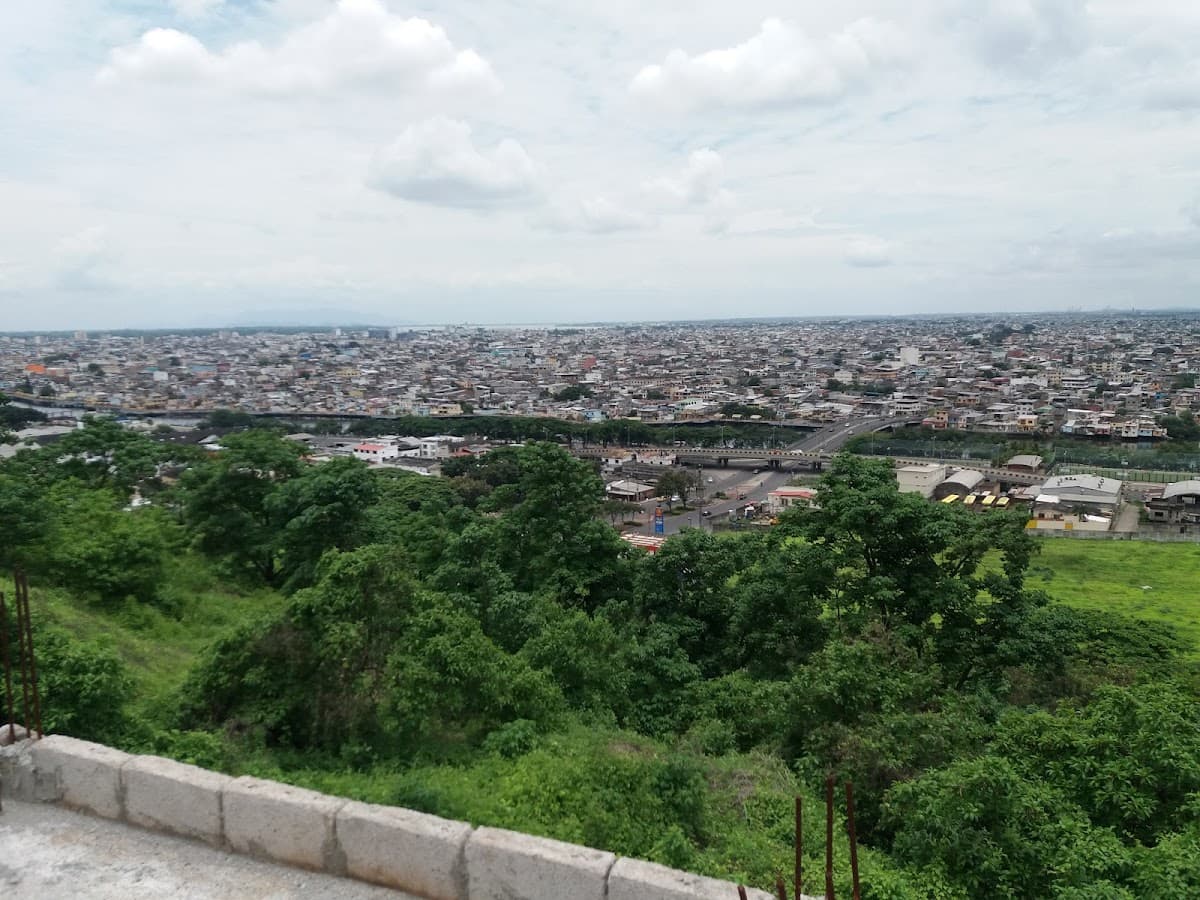
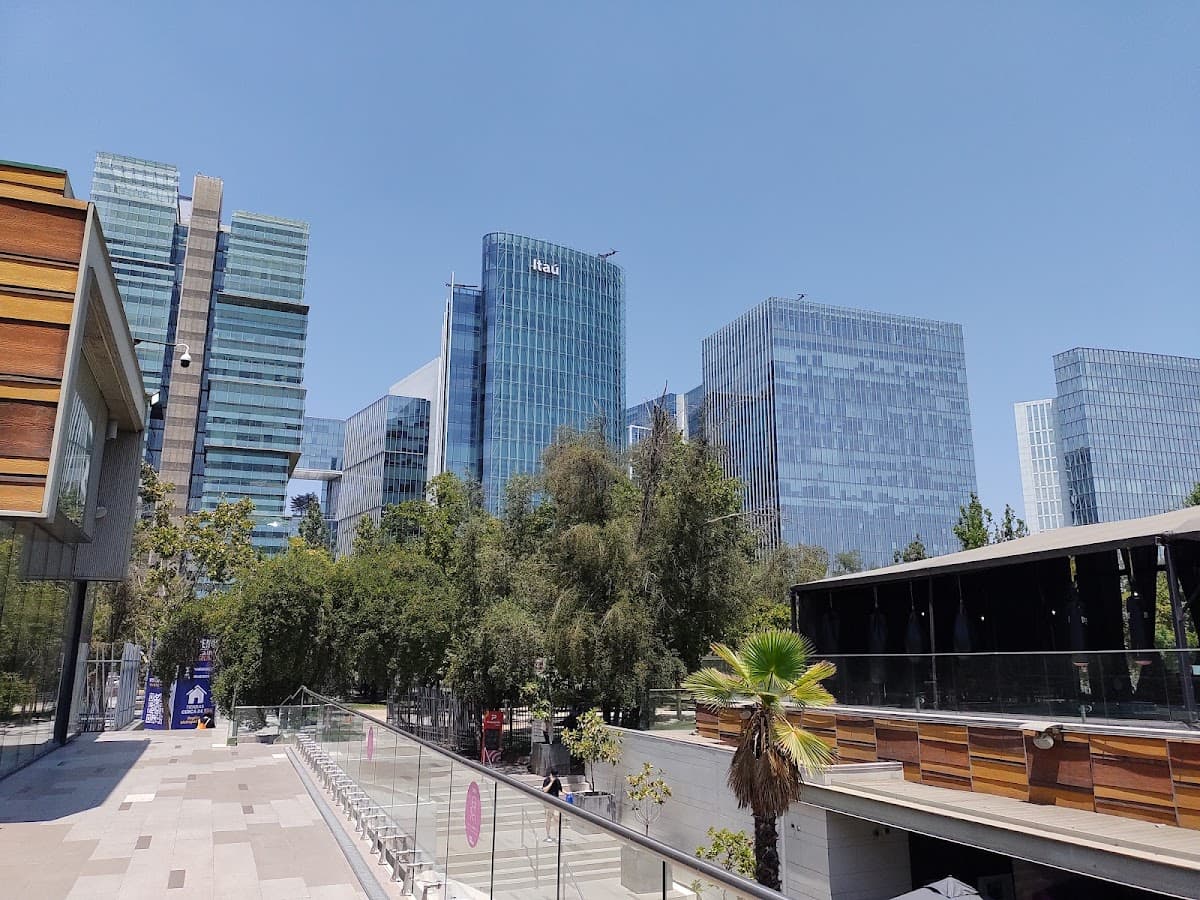
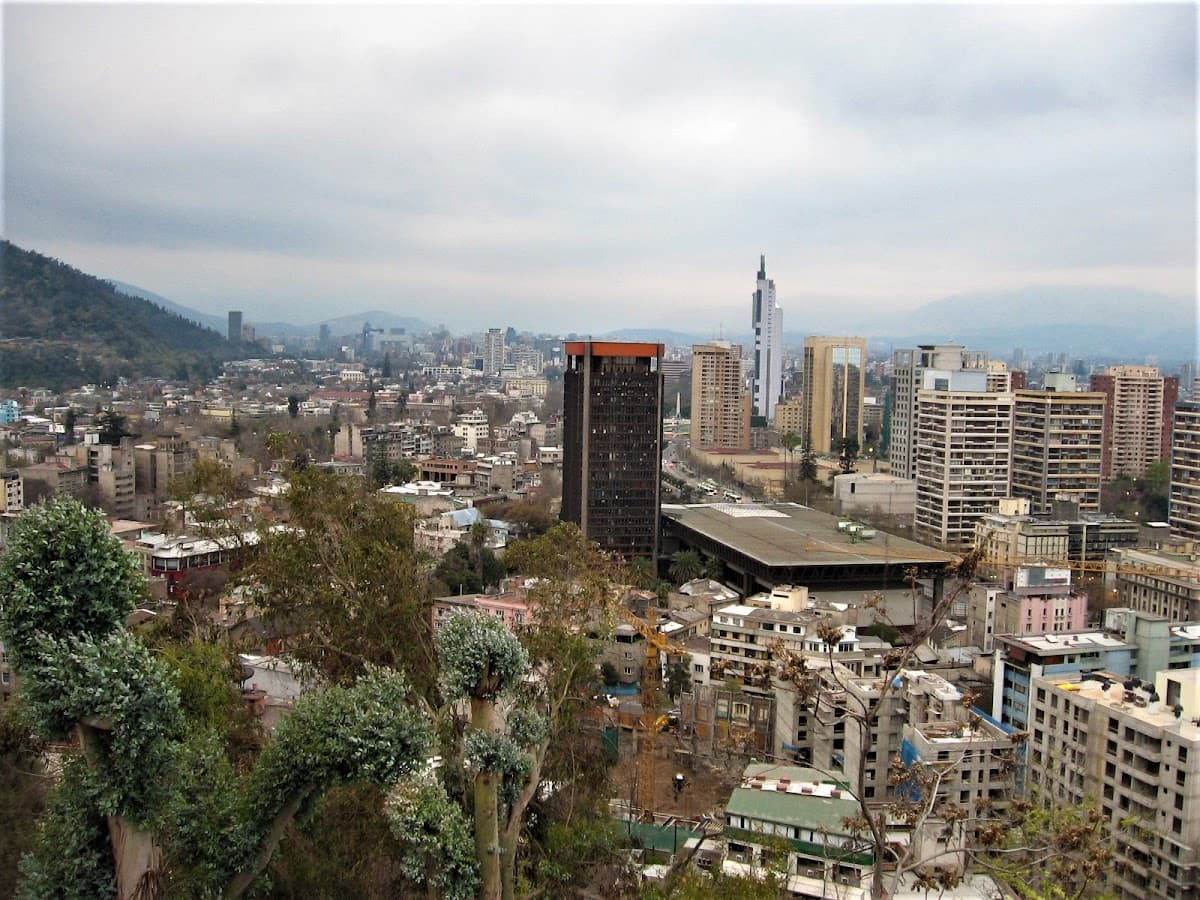
Explore the Region
Where to Stay in Santiago
9 recommended properties


Money-Saving Tips
- 1.Buy a Bip! metro card and load it with 10,000 pesos — it works on buses and metro, and you'll save money versus individual tickets
- 2.Eat lunch at local restaurants between 12-3pm when many offer 'menú del día' for 6,000-8,000 pesos including soup, main course, and drink
- 3.Shop at Lider or Jumbo supermarkets instead of corner stores — prices can be 30% lower for the same items
- 4.Take advantage of happy hour at wine bars — many offer half-price glasses between 6-8pm
- 5.Use Uber Pool or shared rides during peak hours to split costs with other passengers
- 6.Visit museums on Sundays when many offer free admission for residents and tourists
- 7.Buy wine directly from vineyards or at large supermarkets rather than hotel shops where markup can be 200%
Travel Tips
- •Download the Metro de Santiago app — it shows real-time arrivals and helps navigate the system offline
- •Carry cash for small vendors and tips — many places still don't accept cards, especially in markets
- •Learn basic Spanish phrases — English isn't widely spoken outside tourist areas and upscale hotels
- •Pack layers year-round — Santiago's weather can swing 15 degrees between morning and afternoon
- •Keep copies of your passport — some clubs and bars require ID, and you don't want to carry your original
- •Book restaurant reservations in advance for dinner — Santiaguinos dine late and popular spots fill up
- •Check air quality forecasts during winter — pollution can be severe on certain days, affecting outdoor activities