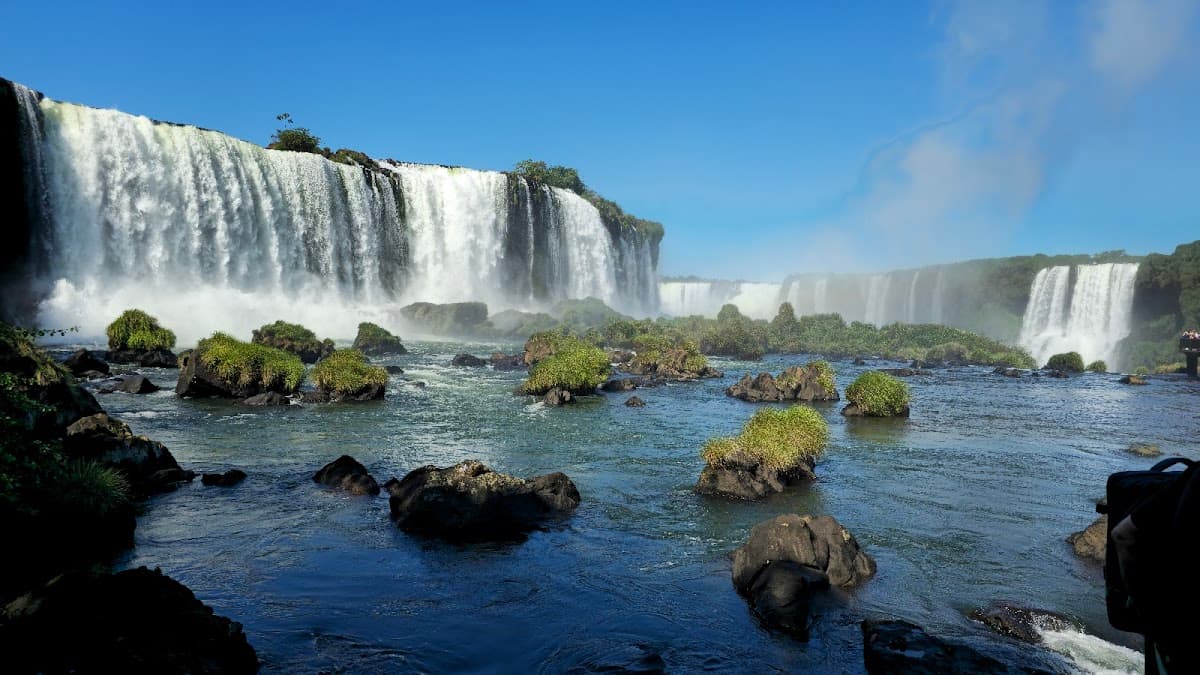
Iguazu Falls
Thundering Waters Where Argentina Meets Brazil
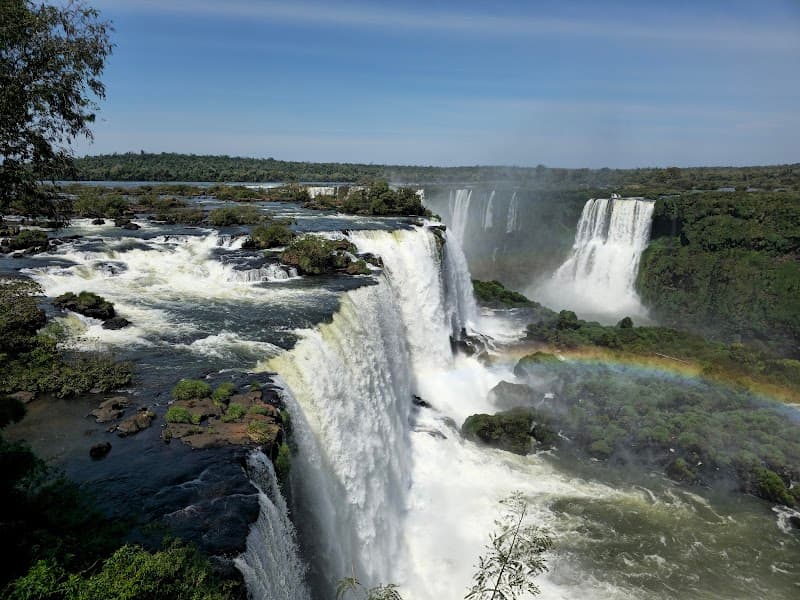
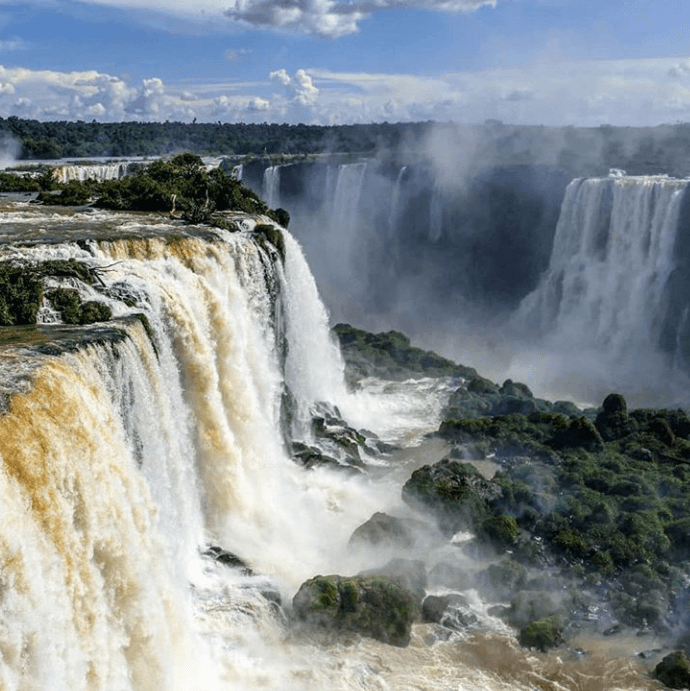
The roar hits you first. Then the mist. Then you see it — 275 waterfalls crashing down red cliffs where Argentina meets Brazil, creating one of South America's most jaw-dropping spectacles. Iguazu Falls isn't just big water falling down rocks. It's a 1.7-mile-wide curtain of chaos that Eleanor Roosevelt supposedly called "poor Niagara" after seeing. The Guarani people named it "big water," which feels like the understatement of the millennium when you're standing on the viewing platform getting soaked by Devil's Throat.
Best Months
MAR · APR · MAY · SEP · OCT · NOV
~26°C · moderate crowds
Culture & Context
GUARANÍ POLKA BORDER LIFE
Iguazu sits right on the border of Argentina and Brazil, which means you're constantly navigating two currencies, two languages, and two completely different park systems. The name "Iguazu" comes from the Guarani words meaning "big water," and the indigenous Guaraní people shaped just about everything here — place names, local food traditions, the crafts at the market. This isn't Buenos Aires or São Paulo.
Puerto Iguazú is a small frontier town (about 36,000 people), and Foz do Iguaçu on the Brazilian side is a proper city of 260,000. That size difference matters. The Argentine side has more character, cheaper accommodation, and a slower pace.
The Brazilian side has wider sidewalks, more English signage, and better panoramic views of the falls from across the gorge. Locals drink mate constantly. Sharing mate is not a casual gesture — it's social glue in this region, and refusing it can feel rude.
If someone hands you a gourd, just drink it, pass it back, and say "gracias." One quirk of this place: the Guaraní polka is the regional soundtrack, distinct from anything you'd expect — it's a hybrid of indigenous melodies and European structure played at festivals and family gatherings throughout the tri-border region.
Local Customs
MATE SHARING SOCIAL GLUE
Mate is serious. People carry thermoses all day. If someone offers you mate in a social setting, take the gourd, drink it, and pass it back without saying 'thank you' — saying thanks means you don't want any more..
Coatis (a raccoon-like mammal) roam freely in the Argentine park and will snatch food out of your hands. Keep snacks zipped inside your bag at all times. They look adorable.
They are aggressive.. Don't hop any rope or fence for a photo. Rocks near the falls are genuinely slippery, and the mist makes visibility poor.
Rangers will fine you and it's also just dangerous.. Digital payments expanded significantly across both parks in 2025–2026 with QR code options, but carry cash anyway. ATMs near the park run empty during peak season.
Pull cash from town before heading out.. Tap water in Puerto Iguazú is technically safe but unfamiliar microorganisms can cause stomach issues for some visitors — stick to bottled water if your gut is sensitive.. Don't go into the jungle after dark.
It gets pitch black, the ground is uneven, and there are actual predators active at night.. Border crossing etiquette: be patient, have your passport ready before you reach the booth, and do not be in a rush on a Saturday afternoon.
Safety
PETTY THEFT, NOT VIOLENT
Puerto Iguazú is genuinely safe by most measures. It's a small town with a heavy tourist presence and increased police around the falls and the town center. Walking alone at night is fine in the main areas.
The real risks are petty. Don't leave phones on restaurant tables. Don't wear flashy jewelry.
ATMs in town are safer than the ones near the park, which run empty and attract opportunists during peak season. The tri-border area (where Argentina, Brazil, and Paraguay converge) has a documented history of smuggling and related crime. Don't wander across to Ciudad del Este in Paraguay without researching it first — it's a different risk profile than Puerto Iguazú.
The Canadian government specifically advises crossing borders before nightfall and exercising caution in the tri-border zone. Inside the parks themselves, the danger is mostly physical: slippery rocks, aggressive coatis, and sun exposure. The mist makes the walkways wet all day.
Wear shoes with actual grip. Apply sunscreen before you enter — it's subtropical and the humidity fools you. Health note: dengue is present in this region, particularly in warmer months.
Get vaccinated before you go if possible, and use mosquito repellent inside the jungle trails. Medical evacuation from the park to Buenos Aires costs $15,000–35,000 without travel insurance. Get travel insurance that covers both Argentina and Brazil.
Getting Around
FLY IN, BUS AROUND
Flights are the smart move. The bus from Buenos Aires takes 19 hours and can cost nearly as much as a plane ticket. Fly into Cataratas Airport (IGR) on the Argentine side or Foz do Iguaçu International (IGU) on the Brazilian side.
Both connect through Buenos Aires or São Paulo. From IGR, a new direct bus now runs to the park entrance every hour from 7 AM to 6 PM for $5–7, which cuts out the hassle of going through town first. Once in Puerto Iguazú, you don't need a rental car.
Rio Uruguay buses run to the Argentine park entrance every 20 minutes. For two or more people, taxis cost only marginally more and are much easier. Uber operates in Foz do Iguaçu but does not cross the border.
For the border crossing between the Argentine and Brazilian parks, go by public bus, not private car. The bus gets a dedicated customs lane. People driving private cars have waited 3+ hours at the Tancredo Neves Bridge on busy Saturdays.
Park your car at Shopping Palladium near the Brazilian border, take the bus across for about 30 Brazilian reals, and continue from the Puerto Iguazú bus terminal with a local bus to the park. It's slower to describe than to do, and it saves a serious amount of stress. Passport mandatory at all border crossings, regardless of your visa status.
Useful Phrases
Iguazu Falls Itineraries
View all
7 Wild Days at Iguazu Falls: Jungle, Waterfalls & Chill
Week · $$$
Three Jungle-Edge Days at Iguazu Falls
Weekend · $$$
Three Days of Jungle-Thunder at Iguazu Falls
Day Trip · $$$
7 Jungle-Wild Days Around Iguazu Falls for Two
Week · $$$
Jungle Wild Romance at Iguazu Falls
Weekend · $$$
Romantic Jungle Weekend at Iguazu Falls
Day Trip · $$$
Where to Stay in Iguazu Falls
1 recommended properties
Things to Do in Iguazu Falls
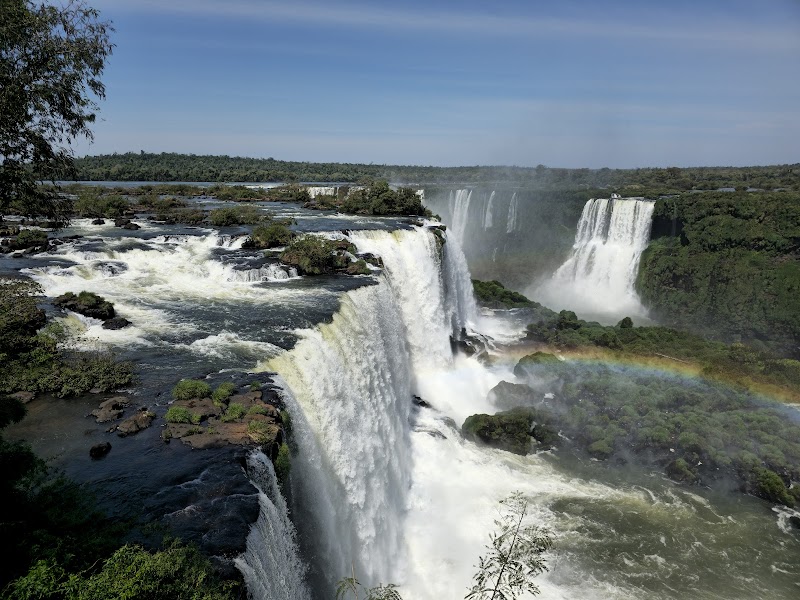
Iguazú Falls Brazilian Side Panoramic Trail
Iguazu National Park Brazil Side · 180 min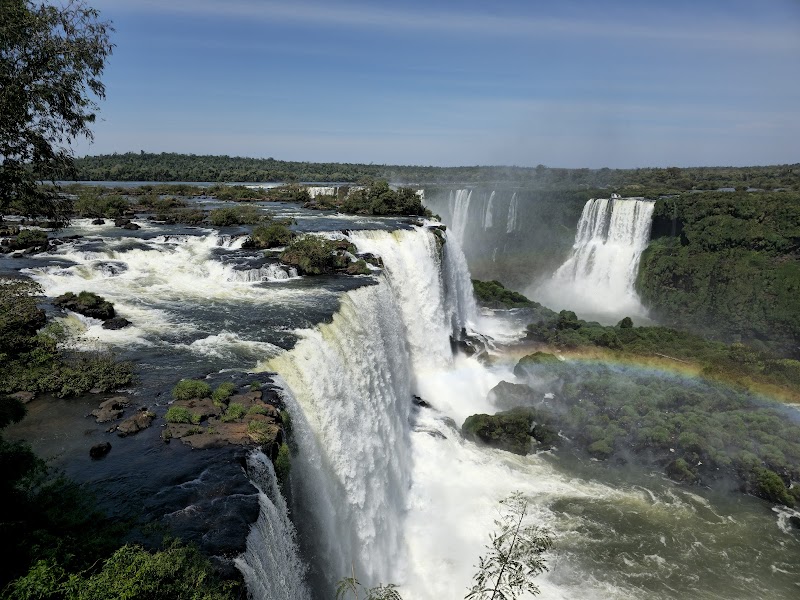
Argentine Iguazú Falls: Lower Circuit
Iguazú National Park Argentina Side · 150 min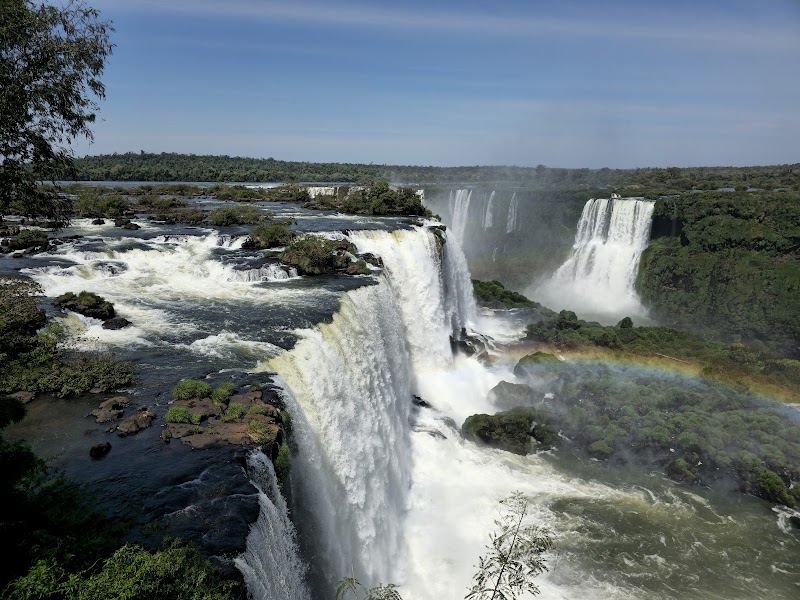
Argentine Iguazú Falls: Upper Circuit
Iguazú National Park Argentina Side · 120 minMoney-Saving Tips
- 1.Buy park tickets online to avoid currency exchange hassles at the gate
- 2.Eat lunch in town before entering the parks — food inside costs double
- 3.Take the free park shuttles instead of paying for taxis between viewpoints
- 4.Stay on the Argentine side where hotels and restaurants cost 30% less
- 5.Bring a refillable water bottle — buying water in the parks adds up fast
- 6.Visit both sides on the same trip to justify the international travel costs
Travel Tips
- •Start with the Argentine side — it has more trails and takes longer to explore
- •Hit Devil's Throat first thing in the morning for the best light and fewer crowds
- •Wear dark colors if you want photos — white shirts show every water spot
- •Download offline maps since cell service gets spotty near the falls
- •Bring a towel and dry clothes for after you get soaked at the Lower Circuit
- •Check the weather upstream in Brazil — heavy rains there affect water levels here
Frequently Asked Questions
Explore Iguazu Falls
BUILD YOUR
IGUAZU FALLS PLAN
Insider picks, smart timing, and a plan ready when you are.
Start Planning