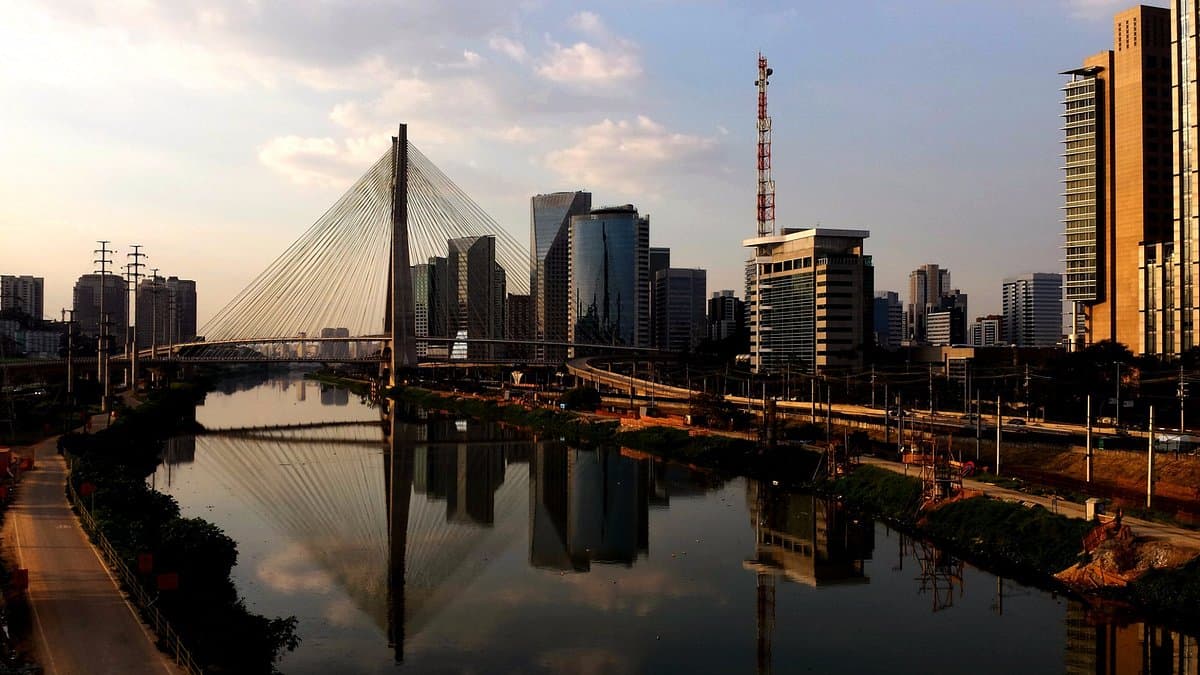
São Paulo
Brazil's cultural powerhouse and South America's gastronomic capital
São Paulo hits different. This isn't the Brazil of beaches and caipirinhas — it's a concrete jungle where world-class chefs serve up everything from Japanese-Brazilian fusion to traditional feijoada, where street art covers entire buildings, and where the nightlife doesn't even think about starting until midnight. With 12 million people, it's chaotic, sure. But that chaos creates an energy you won't find anywhere else in South America. The food alone is worth the trip — São Paulo has more restaurants per capita than New York. And when you're not eating, you're exploring neighborhoods that feel like different countries, catching shows in theaters that rival Broadway, or getting lost in museums that house everything from Picasso to contemporary Brazilian masters.
Best Months
APR – SEP
~24°C · moderate crowds
Culture & Context
IMMIGRANT MEGACITY GRIND
São Paulo is the largest city in the Southern Hemisphere, home to around 20 million people, and it runs on a completely different frequency than the rest of Brazil. Forget the beach-and-samba postcard. This is a city of immigrants, old money, new money, and everyone grinding in between.
The Italian community shaped the accent and the pizza. The Japanese community (Liberdade is the largest Japanese diaspora neighborhood outside Japan) runs tea houses and ramen spots. Lebanese, German, Korean, and Nigerian communities all have real footprints here.
The result is a food scene that genuinely rivals any major global city. Paulistanos know this and they'll tell you. Repeatedly.
They dress more formally than anywhere else in Brazil — polished casual is the baseline, not beach casual — and the city runs at a pace that feels closer to New York than to Rio. Art galleries, world-class museums, and a club scene that starts at midnight and goes until noon the next day all coexist with bumper-to-bumper traffic on the Marginal and some of the best per-kilo lunch spots on Earth. It's overwhelming in the best way, once you get your bearings.
Local Customs
ONE CHEEK KISS
In São Paulo, the standard greeting is ONE kiss on the cheek — not two like Rio, not three like Minas Gerais. Men typically shake hands with men. When entering a social gathering, say hello to each person individually, even in a large group.
Skipping someone is noticed.. At bars and clubs, you don't pay per round. You get a comanda — a tab slip or card that records every order.
You pay the whole thing at the end of the night. Lose the card and you pay a hefty fine.. Dress code matters.
Paulistanos are the most formally dressed Brazilians. 'Polished casual' is the floor. Beach casual is for Rio.
Even a nice dinner in a mid-range Jardins restaurant expects you to make an effort.. On Sundays, Paulista Avenue closes entirely to cars. It becomes a massive pedestrian strip.
Street performers, vendors, cyclists, families. It's the single best time to walk that street.. Brazilians have a smaller personal space bubble than most North American or European visitors expect.
Don't back away — it reads as cold or offended.. Paulistanos famously complain about their own city (the traffic, the weather, the cost). They'll do it enthusiastically.
But if you as a foreigner join in or criticize São Paulo, it lands differently. Wait for them to bring it up. Then commiserate, don't lead..
In restaurants, the service charge (taxa de serviço) is often already included at 10%. Check the bill before you add another tip on top. If it's not included, 10% is standard..
Chewing gum is considered inelegant for adults in Brazilian social settings. Go for a breath mint instead.. WhatsApp is how Brazil communicates.
For everything. Restaurant reservations, Airbnb check-in, asking for directions from someone you just met. Download it and use it..
Be on time for flights, shows, and tours. Be relaxed about dinner party invitations — arriving 15–20 minutes late is normal and expected.
Safety
PHONE SNATCHING WATCH
São Paulo is genuinely safer than its reputation suggests. The homicide rate sits around 4.4–5.
7 per 100,000 inhabitants, which is lower than cities like Chicago, Houston, or Washington D.C. Robberies are at a 25-year low.
That said, petty theft and phone snatching are common and very professional — thieves often work on bikes, approaching quickly on the sidewalk and grabbing phones out of hands. The main rule: keep your phone in your pocket on the street, especially on Paulista Avenue and near metro entrances. Safest neighborhoods for tourists are Jardins (strongest police presence), Pinheiros, Vila Madalena, Itaim Bibi, and Vila Mariana.
Centro Histórico is fine during the day with awareness; avoid it after dark. Cracolândia (the area around Campos Elíseos toward Luz) has a serious drug scene and should be avoided entirely. For transport: the metro is clean and safe during the day.
After dark, use Uber. Don't hail street cabs at night. One scam to watch: someone 'accidentally' spills something on you while an accomplice pickpockets.
If it happens, keep your hand on your bag and step away fast. Many locals actually delete their banking apps before going out at night — if your phone gets taken, thieves immediately try to access your accounts. Consider removing sensitive apps or locking them with strong PINs.
Drink spiking in nightlife settings is a documented risk. Buy your own drinks and keep them in sight. If someone gets aggressive about buying you a drink or pushing you to leave with them, leave.
Emergency: 190 for police, 192 for ambulance. Tourist Police (DEATUR): 011-3120-4447, available in multiple languages.
Getting Around
METRO & UBER
The São Paulo metro is actually good — clean, fast, and cheap at R$5.20 per ride. Six lines cover the areas tourists actually care about: Line 1 (Blue), Line 2 (Green), Line 3 (Red), Line 4 (Yellow), Line 5 (Lilac).
Runs 4:40am to midnight, 1am on Saturdays. Get a Bilhete Único card (R$4.60 for the card) at any metro station — load credit and get transfers between buses and metro within a 3-hour window for a single R$8.
87 fare. It's the best money-saving move in the city. The bus network is vast but genuinely confusing without Portuguese.
Use Google Maps for routing — it's reliable here. Do not rent a car in São Paulo. This is said by virtually every local and frequent visitor.
Traffic is legendary. Parking is terrible. The stress is not worth it.
From Guarulhos Airport (GRU): the Airport Bus Service to the city center costs R$70 (~$9 USD) and is reliable. A taxi runs R$160–250+. An eSIM or local data matters here — you need Uber or Google Maps the moment you land.
At night, always use Uber. Walking blocks after midnight in neighborhoods outside your immediate well-lit area is not the move, even in safer zones. The metro gets uncomfortably packed during rush hour (7–9am, 5–7pm) — petty theft risk rises in those crowds.
Use the Green Line (Line 2) whenever possible: it's consistently described as the cleanest and safest of all the lines.
Useful Phrases
Explore Neighborhoods
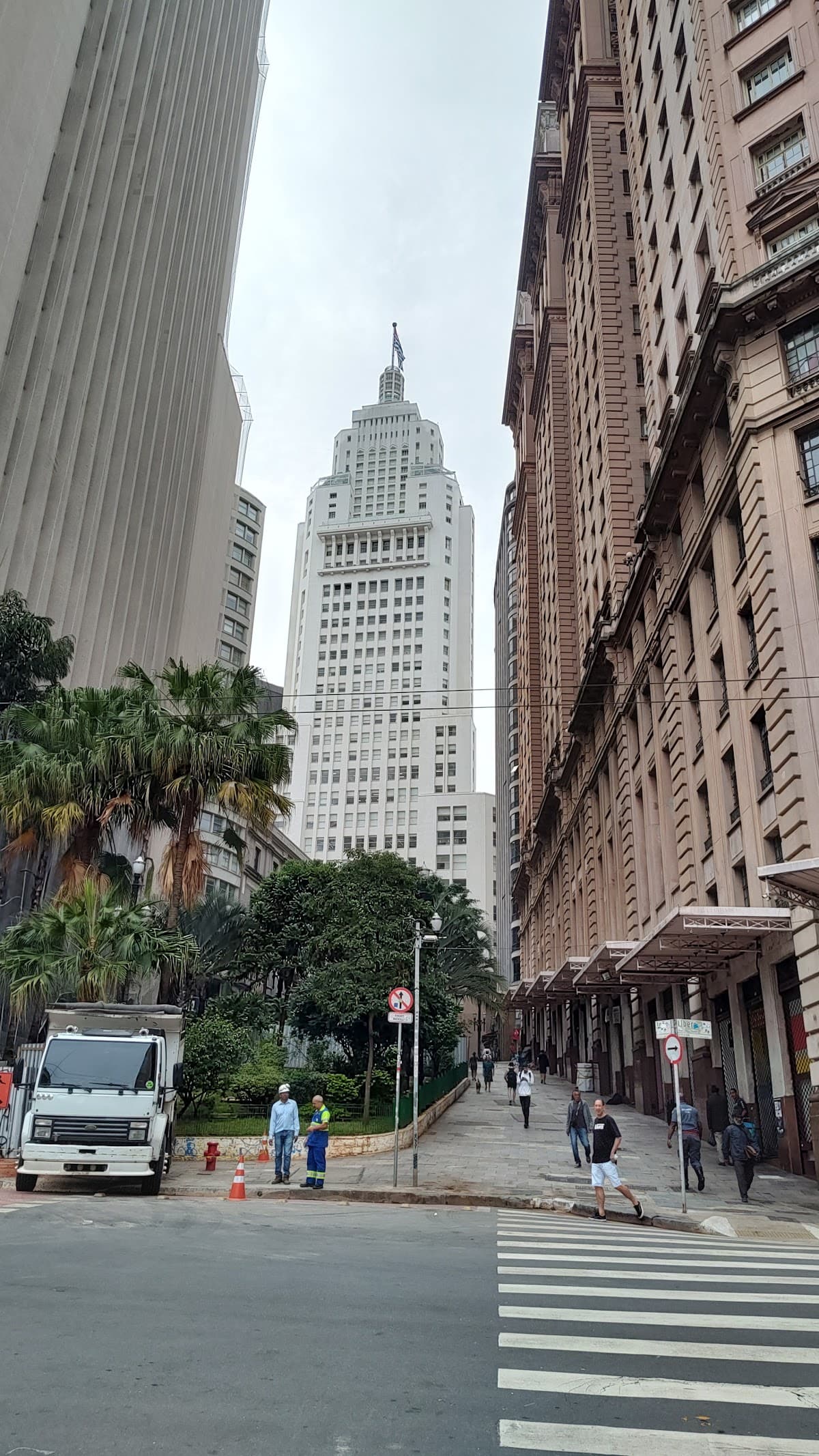
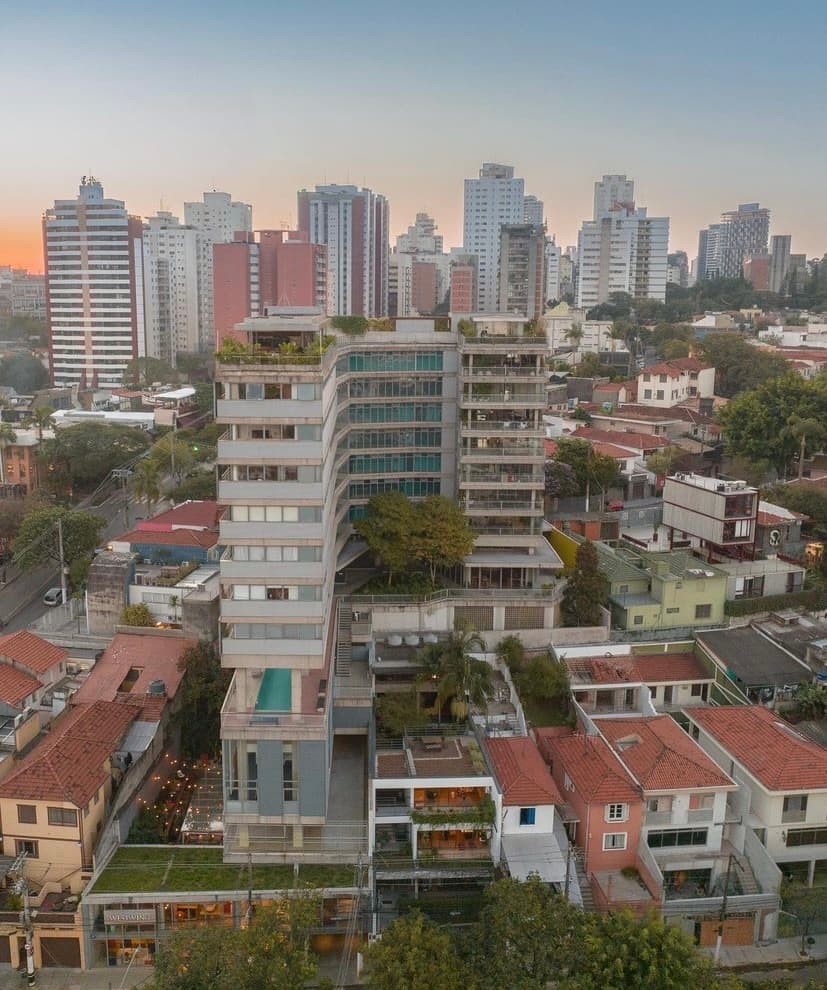
Explore the Region
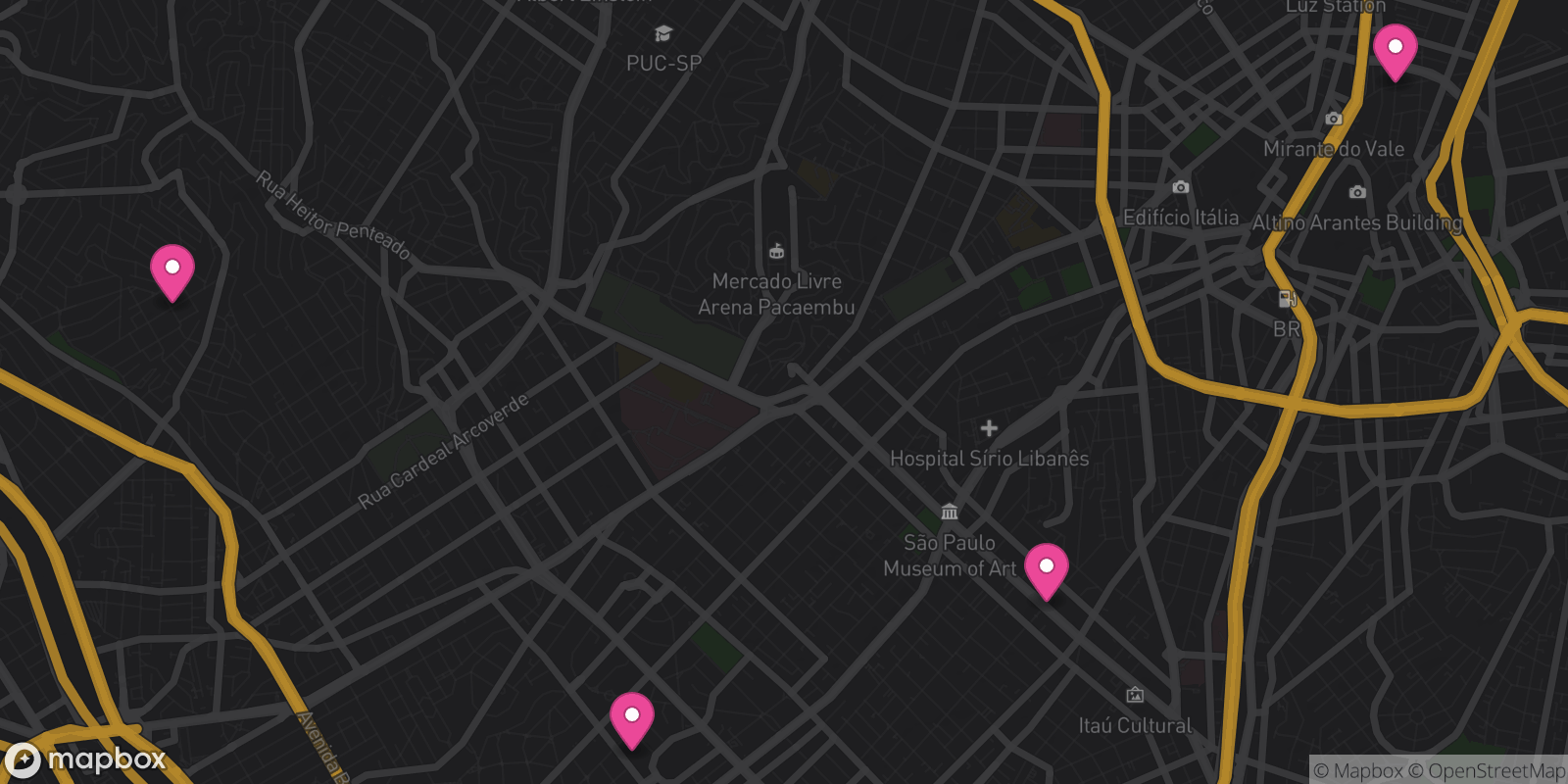
Things to Do in São Paulo
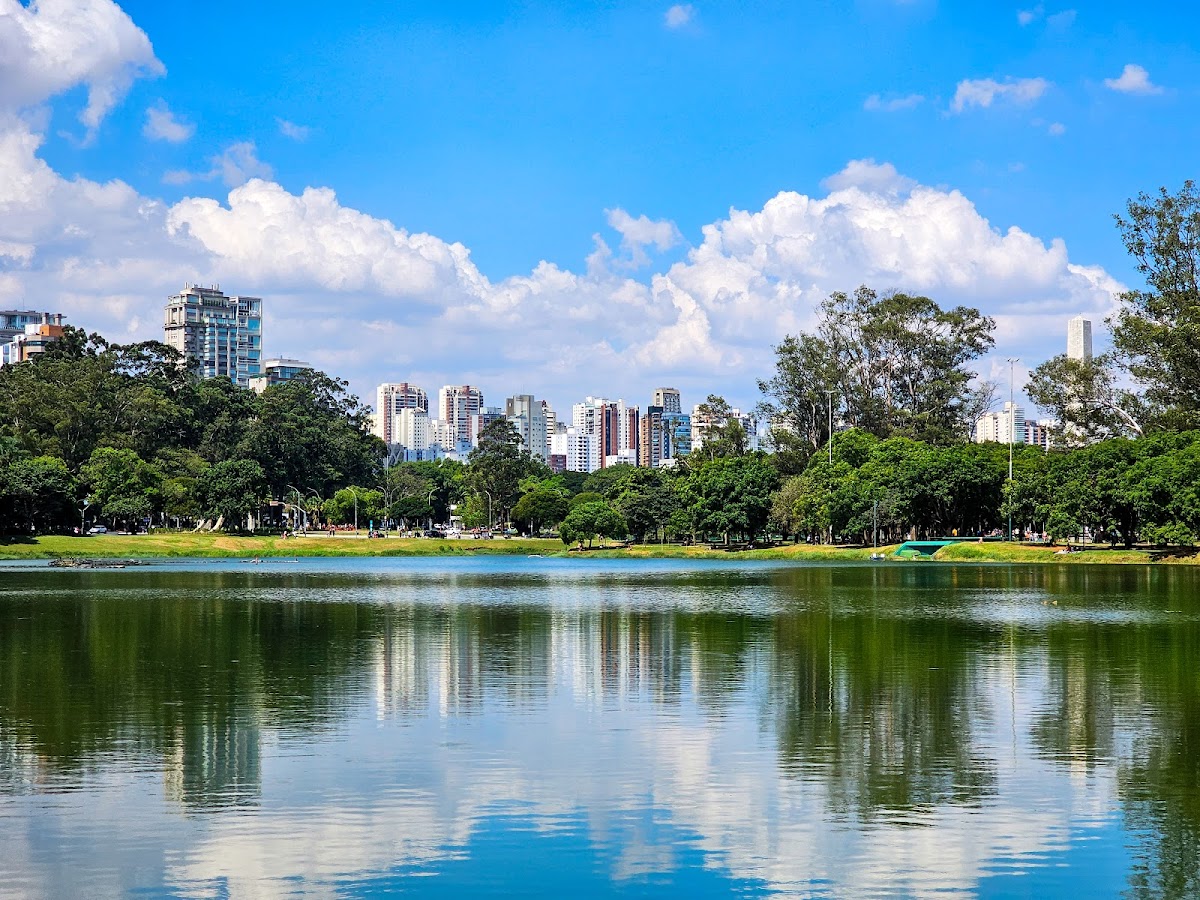
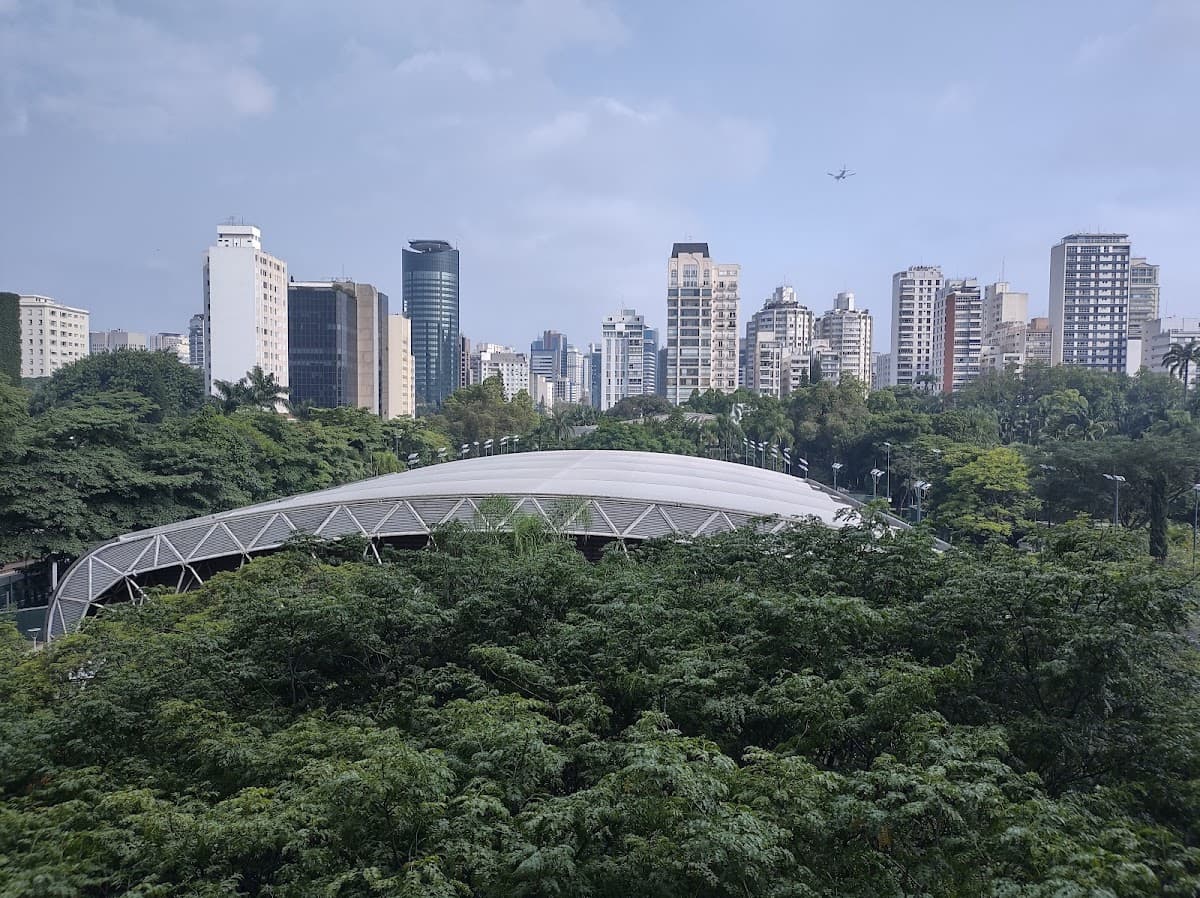
Parque Ibirapuera
Vila Mariana · 120 min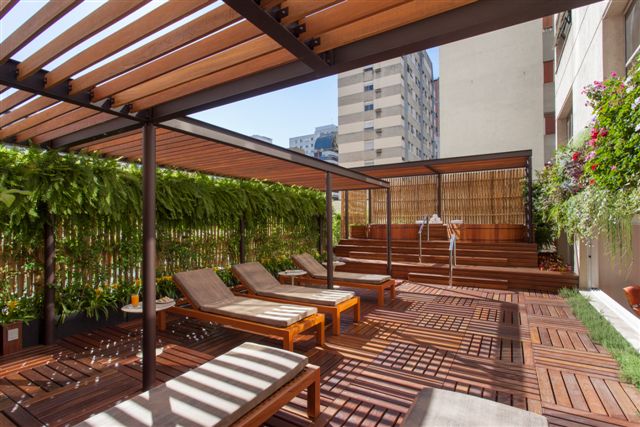
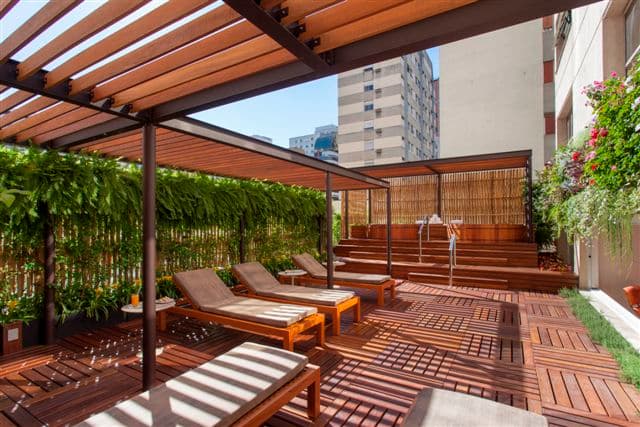
Private Spa Session at Emiliano
Jardins · 90 min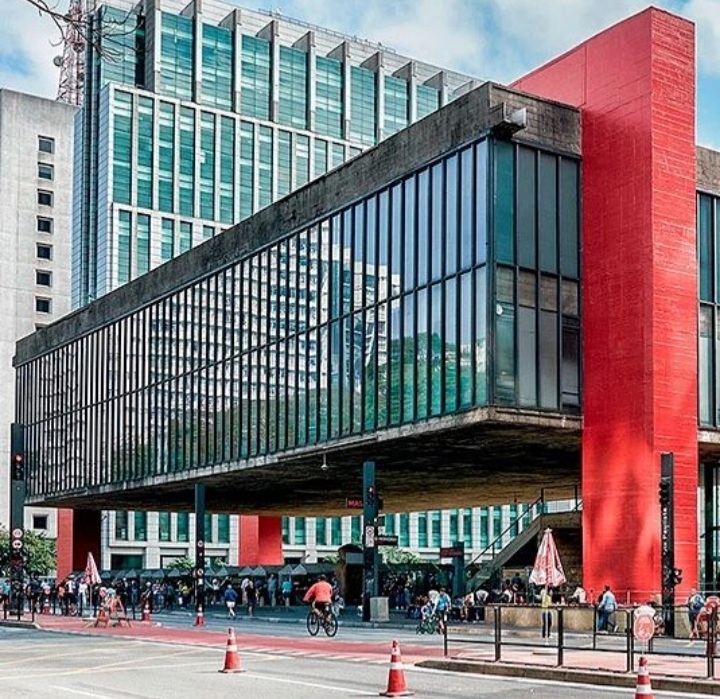
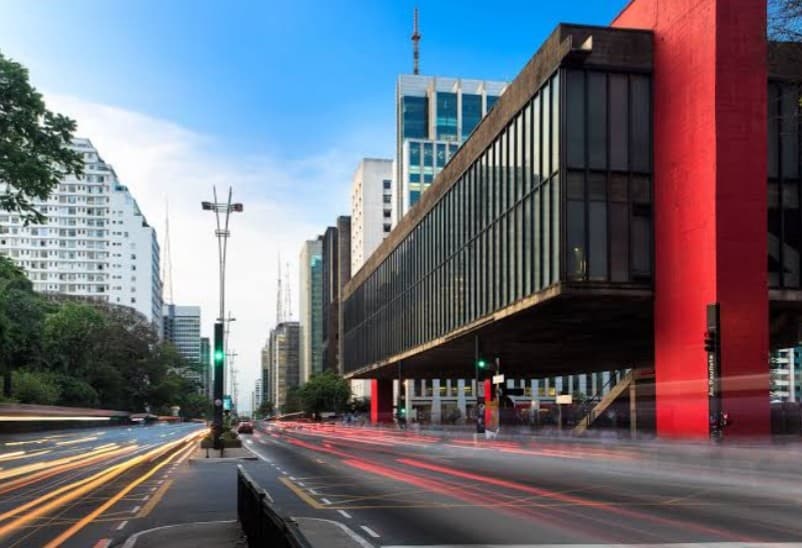
MASP - Museu de Arte de São Paulo
Avenida Paulista · 90 minMoney-Saving Tips
- 1.Eat lunch at por kilo restaurants (pay by weight) for R$25-35 instead of sit-down places
- 2.Happy hour is called 'happy hour' here too — many bars offer 2-for-1 drinks 5-7pm
- 3.Buy metro day passes (R$18) if you're taking more than 4 trips
- 4.Street food is incredibly cheap — a full meal for under R$15 at most stalls
- 5.Many museums are free on certain weekdays — check individual websites
- 6.Uber Pool (called UberX Compartilhado) can cut ride costs in half
- 7.Shop at local markets like Feira da Liberdade for groceries instead of supermarkets
- 8.Lunch specials at high-end restaurants are often 50% cheaper than dinner
Travel Tips
- •Download WhatsApp — everyone uses it for communication, including restaurants and tours
- •Carry cash — many small vendors and bars don't accept cards
- •Learn basic Portuguese greetings — English isn't widely spoken outside tourist areas
- •Don't wear flashy jewelry or expensive watches — pickpocketing happens in crowded areas
- •Restaurants add 10% service charge automatically — additional tipping isn't expected
- •Pharmacies (farmácias) are everywhere and sell many medications over-the-counter
- •Power outlets are Type N — bring an adapter or buy one at any electronics store
- •Tap water is safe to drink, but most locals prefer bottled or filtered water