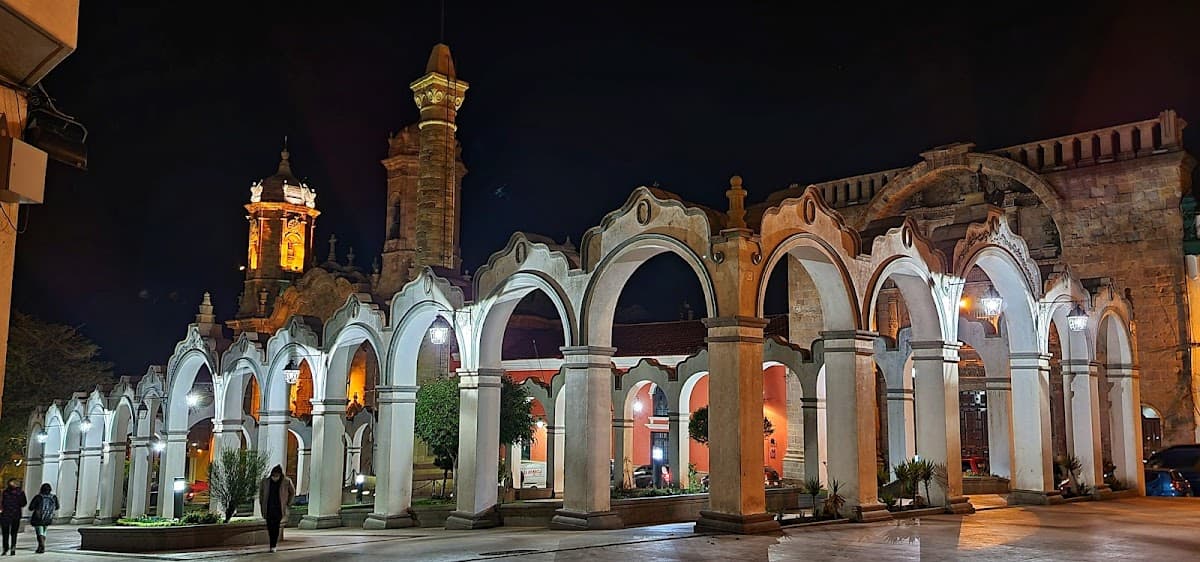
Potosí
Silver mountain city where colonial history meets altitude
At 4,150 meters above sea level, Potosí sits higher than most clouds. This isn't just another colonial city—it's the place that literally bankrolled the Spanish Empire for centuries. The Cerro Rico mountain looms over red-tiled roofs and baroque churches, still scarred from 500 years of silver mining. Today, you can descend into those same mines, walk cobblestone streets where llamas once carried fortune to Europe, and experience Bolivia at its most authentic. But here's the thing: the altitude hits hard, the weather changes fast, and tourist infrastructure remains basic. Come prepared for an adventure, not a vacation.
Best Months
MAY – SEP
~19°C · moderate crowds
Culture & Context
SILVER EMPIRE'S GHOST
Potosí sits at 4,067 meters above sea level, making it one of the highest cities on Earth. That altitude isn't a footnote. It defines everything here, from how fast you walk (slowly, always slowly) to the bitter cold that settles in after dark.
Founded in 1545 after the Spanish discovered silver in Cerro Rico, Potosí was once one of the largest and wealthiest cities in the entire world, rivaling European capitals in size. The silver pulled from that mountain financed the Spanish Empire for centuries, extracted by Indigenous and African workers through a brutal forced labor system called the "mita." That history is not abstract.
You feel it walking these streets. The city is a UNESCO World Heritage Site, its colonial baroque facades and cobblestone lanes preserved in remarkable shape. But look past the architecture and you see a city that never really recovered economically from the silver running out.
That contrast, imperial grandeur next to real poverty, is what gives Potosí its particular weight. The Cerro Rico still looms over everything, still being mined today under conditions that haven't improved nearly enough. Miners leave offerings to El Tío, a devil deity who rules the underworld, placing coca leaves, alcohol, and cigarettes at his statues inside the tunnels.
The city blends Andean Quechua and Aymara traditions with Catholic colonial heritage in ways that feel completely alive, not performed for tourists. Quechua is widely spoken here, especially in markets and rural areas, alongside Spanish.
Local Customs
COCA LEAVES & PACHAMAMA
Chew coca leaves or drink coca tea (mate de coca) to fight sorojchi. Locals do it constantly. It's legal, culturally important, and it genuinely helps at 4,067 meters.
Don't be squeamish about it.. Before taking the first sip of any drink at a social gathering, pour a small amount on the ground as an offering to Pachamama, Mother Earth. You'll see Bolivians do this naturally.
It's called a ch'alla.. Always use 'Usted' rather than 'Tú' when speaking Spanish with older people or strangers — especially market vendors and anyone in a service role. Bolivian Spanish leans formal in the highlands..
When entering any shop, say 'Buenos días' or 'Buenas tardes.' Walking in silently feels rude here. A greeting goes before any transaction..
At markets, asking for la yapa (a little extra) is completely normal and expected — especially when buying fruit, juice, or produce. Vendors generally consider it part of the deal.. Dress modestly when entering churches and religious sites.
Shoulders and knees covered. During Semana Santa and major religious festivals, the streets near the churches fill with devout locals and the atmosphere is not a spectacle — it's a real observance.. Mining tours inside Cerro Rico involve buying gifts for the miners (coca leaves, cigarettes, dynamite sticks are commonly sold in street stalls near the mine entrance).
This is a tradition, not a gimmick. The miners genuinely use and appreciate them.. Go slow on your first day.
Seriously. 4,067 meters means your body is processing less oxygen than usual. Altitude sickness hits unpredictably regardless of fitness level.
Rest, hydrate, avoid alcohol for the first 24 hours.
Safety
ALTITUDE SICKNESS RISK
Potosí is generally safe for travelers who exercise basic common sense. Pickpocketing in crowded market areas and on public transport is the primary risk. Don't flash cameras and phones unnecessarily. Keep bags in front of you in the Mercado Central. Avoid walking alone late at night in poorly lit streets away from the center.
The mine tour inside Cerro Rico deserves its own safety note. The tunnels are real working mines — low ceilings, dynamite blasts happen on scheduled times, air quality is genuinely poor. Anyone with respiratory issues, claustrophobia, or cardiac concerns should think twice. Book only with established operators and confirm your guide is licensed. Ask specifically about air quality conditions on the day you plan to go.
The biggest actual danger for most visitors is altitude sickness. At 4,067 meters, symptoms hit without warning, even for fit and healthy people. Headache, nausea, fatigue, and disorientation are all common. The standard advice: ascend gradually (come from Sucre rather than flying directly from sea level), drink water constantly, eat light, avoid alcohol for the first 24 hours, and drink coca tea. Acetazolamide (Diamox) is worth discussing with your doctor before travel. If symptoms worsen rather than improve after 24 hours of rest, descend to a lower altitude immediately.
Getting Around
WALK THE NARROW STREETS
There are no domestic flights into Potosí, full stop. All travelers arrive overland. The most common routes are from Sucre (3–4 hours by bus, paved road, around $2.50–3.50 USD), from Uyuni (roughly 3 hours, around 50 Bolivianos / $7), or from La Paz (overnight bus, 9–11 hours). Book buses at the terminal or through your hostel; compare companies because comfort levels vary significantly, and on the overnight La Paz route, a slightly better seat is worth the few extra dollars at this altitude and cold.
Inside the city, walking is the main mode of transport. The historic center is compact. Taxis exist for longer hauls across town and are cheap (negotiate a price before getting in, never use a meter that may not exist). Local minibuses (micros) run set routes and cost almost nothing, but figuring out the routes without Spanish is a challenge. For day trips to Tarapaya Hot Springs or the surrounding altiplano, hire a taxi for the day or book through a local agency. Prices are negotiable. Compare two or three agencies before committing to any tour.
Useful Phrases
Money-Saving Tips
- 1.Bring cash—most places don't accept cards and ATMs are unreliable
- 2.Mine tours cost 80-120 bolivianos including transport and guide
- 3.Budget 200-300 bolivianos per day for food, accommodation, and local transport
- 4.Coca leaves cost almost nothing and help with altitude—buy them everywhere
- 5.Negotiate taxi fares before getting in, especially to/from bus station
- 6.Street food costs 5-15 bolivianos per item, restaurants 25-50 bolivianos per meal
Travel Tips
- •Arrive 2-3 days early to acclimatize to the 4,150m altitude
- •Pack warm clothes—temperatures drop fast after sunset year-round
- •Drink coca tea constantly and avoid alcohol the first few days
- •Bring altitude sickness medication—diamox helps many travelers
- •Wear sturdy shoes with good grip for cobblestone streets
- •Book mine tours through reputable operators like Koala Tours
- •Carry rain gear—afternoon storms hit without warning
- •Learn basic Spanish—English speakers are rare outside tourist areas