Stellenbosch
South Africa's wine capital with Cape Dutch charm and mountains
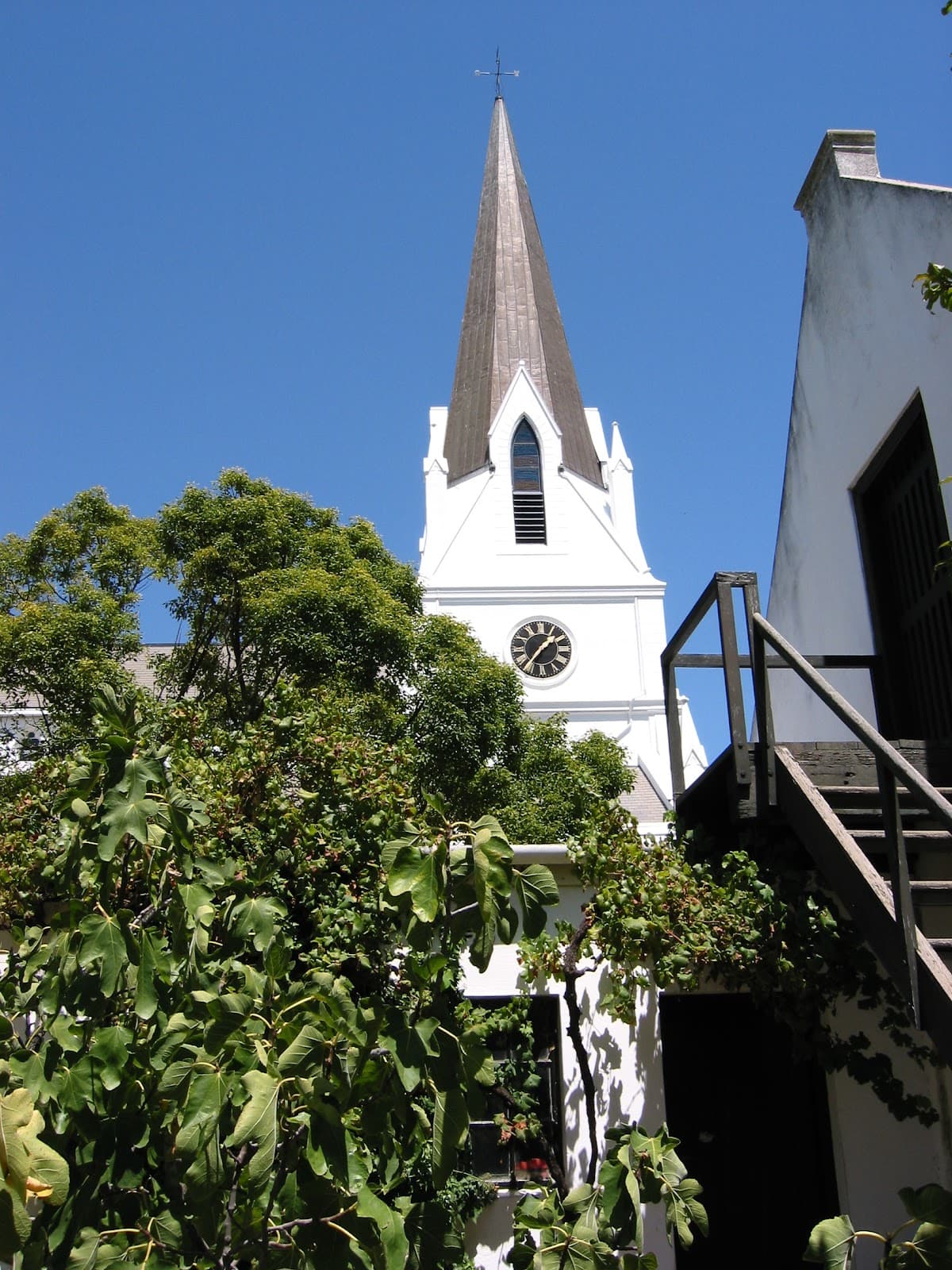
Stellenbosch hits different than Cape Town. Sure, it's only 45 minutes away, but step off Church Street and you're in another world entirely. Oak-lined avenues lead to whitewashed Cape Dutch estates where you can taste Pinotage while the Stellenbosch Mountains loom overhead. This university town moves at wine country pace — long lunches stretch into golden hour, students cycle between lectures and wine bars, and every conversation seems to revolve around which cellar door you hit last weekend. The Afrikaans architecture tells stories of 350 years of settlement, while the restaurants serve some of the country's most innovative cuisine. But here's what guidebooks won't tell you: Stellenbosch can feel touristy during harvest season, and finding parking on weekends requires patience. Come anyway. The combination of academic energy, wine culture, and mountain scenery creates something special.
Local Knowledge
Culture & Context
Stellenbosch is South Africa's second-oldest town and has been shaped by centuries of complicated history — from early Dutch colonial settlement to apartheid-era Afrikaner nationalism to today's evolving, multi-cultural university town. Stellenbosch University (founded 1866, university status 1918) sits at the center of everything. Its roughly 32,000 students across ten faculties define the town's energy and keep the restaurant and bar scene from being purely tourist-facing. The university was historically a bastion of Afrikaner identity and apartheid policy — that context still surfaces in local conversations and it's worth knowing before you arrive. Today, the town is changing. Kayamandi township right on the edge of the wine estates is a sharp visual reminder of the inequality that persists beneath the glossy surface. The wine industry itself has a complex labor history that ongoing activists and NGOs are actively working to address. The food, art, and music scenes genuinely reflect a town trying to integrate its past without pretending it didn't happen. Locals tend to be direct, warm, and proud of where they live — and they'll tell you both what's great and what's not working without much prompting.
Safety
Stellenbosch has a moderate risk profile. The town center, university campus, and wine estates are the safest zones during the day and are well-policed. But don't let the gorgeous setting lull you into forgetting where you are. Property crime — car break-ins, bike theft, and late-night muggings, especially in student zones — is the main concern. A 2025 safety review revealed that muggings in town tripled from around 95 in 2021 to over 300 by 2024. Walking alone at night is not advisable anywhere in town. Use Uber or Bolt instead, even for short distances after dark. ATM fraud is a known issue: never let anyone near you at an ATM and ignore anyone who claims you need to pay for parking before using one — it's a scam. Keep bags off chair backs and phones off restaurant tables. In cars, keep doors locked and don't leave anything visible in a parked vehicle — smash-and-grabs happen. Cloetesville faces more serious gang-related violence and is best avoided entirely. Solo female travelers should take extra precautions at night. The fire season in 2025/26 has been severe — major wildfires burned over 23,500 hectares in the Franschhoek/Wemmershoek mountains in January 2026, affecting some Stellenbosch-side trails. Check CapeNature for current trail status before any hiking. Emergency numbers: Police 10111 or 021 809 5015, Ambulance 082 124, Medi-Clinic Hospital 021 861 2000.
Getting Around
The town center is compact and walkable during daylight — Dorp Street to the university and back takes about 15 minutes on foot. But for getting to wine estates, arriving from the airport, or moving around after dark, you need a plan. Uber and Bolt both operate in Stellenbosch and are the safest, most practical options for on-demand rides. An Uber from Cape Town International Airport runs around R400–R450 for a standard ride. Note: as of late 2025, South Africa introduced new e-hailing regulations (National Land Transport Amendment Act) requiring driver licensing and vehicle branding — compliance is still uneven among drivers, so verify your driver details in the app before getting in. There is no direct public transport between the airport and Stellenbosch. For wine estate hopping, a rental car is the most flexible option and lets you take your time between farms. Drive on the left. International driver's licenses are required. Cycling is genuinely popular here and the town has a reputation as one of the world's better cycling destinations, though some routes are hilly. The Stellenbosch train station exists and connects toward Cape Town's Southern Line, but train services in South Africa are generally unreliable and not recommended for tourists.
Useful Phrases
Good, great, nice — used for everything from food to weather to a whole day out. 'That wine was lekker' is perfectly normal.
Everything's great, goodbye, understood, I'm on it. Context tells you which. Doubling it up adds enthusiasm.
A South African barbecue, but also the social event surrounding it. Not just the act of grilling — the whole afternoon.
A party, a club night, or just having a great time. 'We had a jol last night' covers all three.
Oh man — expresses frustration, mild irritation, or resignation. Said with a sigh, it means a lot without saying much.
Good morning in Afrikaans. Drop this at a wine estate or café and watch the staff light up.
Goodbye. More permanent than 'tot later' (see you later). Use it when you're actually leaving.
Soon — theoretically. In practice, it could mean five minutes or forty-five. Don't be surprised either way.
Local Customs
- •The braai is sacred. It's not a barbecue — it's a social institution. If a local invites you to one, say yes. Bring wine, not beer. Well, bring both.
- •Greeting people matters. In Afrikaans-speaking communities, you acknowledge everyone who walks into a shop or passes you on the street. Don't skip it — it reads as rude.
- •At most wine estates, tastings require a booking, especially in peak season (November–March). Walk-ins still work in off-season but don't count on it at the famous names.
- •Tipping is expected and important. 10–15% in restaurants. R50–R100 for guides and drivers. The service industry runs on it.
- •When someone says 'now now' they mean soon. When they say 'just now' they mean... eventually. Don't build your schedule around either.
- •The Springboks are basically religion. Rugby match days change the atmosphere in town noticeably — restaurants fill up, bars get loud, and conversations start mid-sentence assuming you're already following.
- •Load shedding (scheduled power outages) is less frequent than in previous years but can still occur. Most restaurants and wine estates have generators. Confirm before booking any timed event.
- •Carry some cash. Markets, township tours, and smaller roadside stalls don't take cards. A few hundred rand in your pocket saves headaches.
Itineraries coming soon
We're working on adding amazing itineraries for Stellenbosch. In the meantime, try the app to create your own!
Money-Saving Tips
- 1.Wine tastings cost R50-150 at most estates, but many waive fees when you buy bottles
- 2.Lunch at wine estates often includes free tastings — better value than separate tasting fees
- 3.Visit during winter (June-August) for 30-40% lower accommodation rates and fewer crowds
- 4.The Stellenbosch Wine Hopper bus (R200) costs less than Uber between multiple estates
- 5.Many restaurants offer early bird specials before 7pm, saving 20-30% on dinner prices
- 6.Buy wine directly from estates to avoid retail markups — most ship internationally
- 7.University area restaurants serve bigger portions at lower prices than tourist zones
- 8.Book harvest season accommodation 3+ months ahead to avoid premium last-minute rates
Travel Tips
- •Download the Stellenbosch Wine Route app for real-time estate hours and tasting availability
- •Bring a designated driver or book the Wine Hopper bus — DUI laws are strictly enforced
- •Pack layers — mountain weather changes quickly, especially during shoulder seasons
- •Make restaurant reservations 2-3 days ahead during harvest season (February-April)
- •Learn basic Afrikaans greetings — locals appreciate the effort in this historic Afrikaans town
- •Carry cash for smaller wine estates and farm stalls that don't accept cards
- •Book wine estate tours in advance during peak season — walk-ins often get turned away
- •Wear comfortable walking shoes for cobblestone streets and uneven vineyard paths
Frequently Asked Questions
Explore Stellenbosch
Ready to explore Stellenbosch?
Get a personalized itinerary in seconds with Takeoff.
Free on iOS. No credit card required.