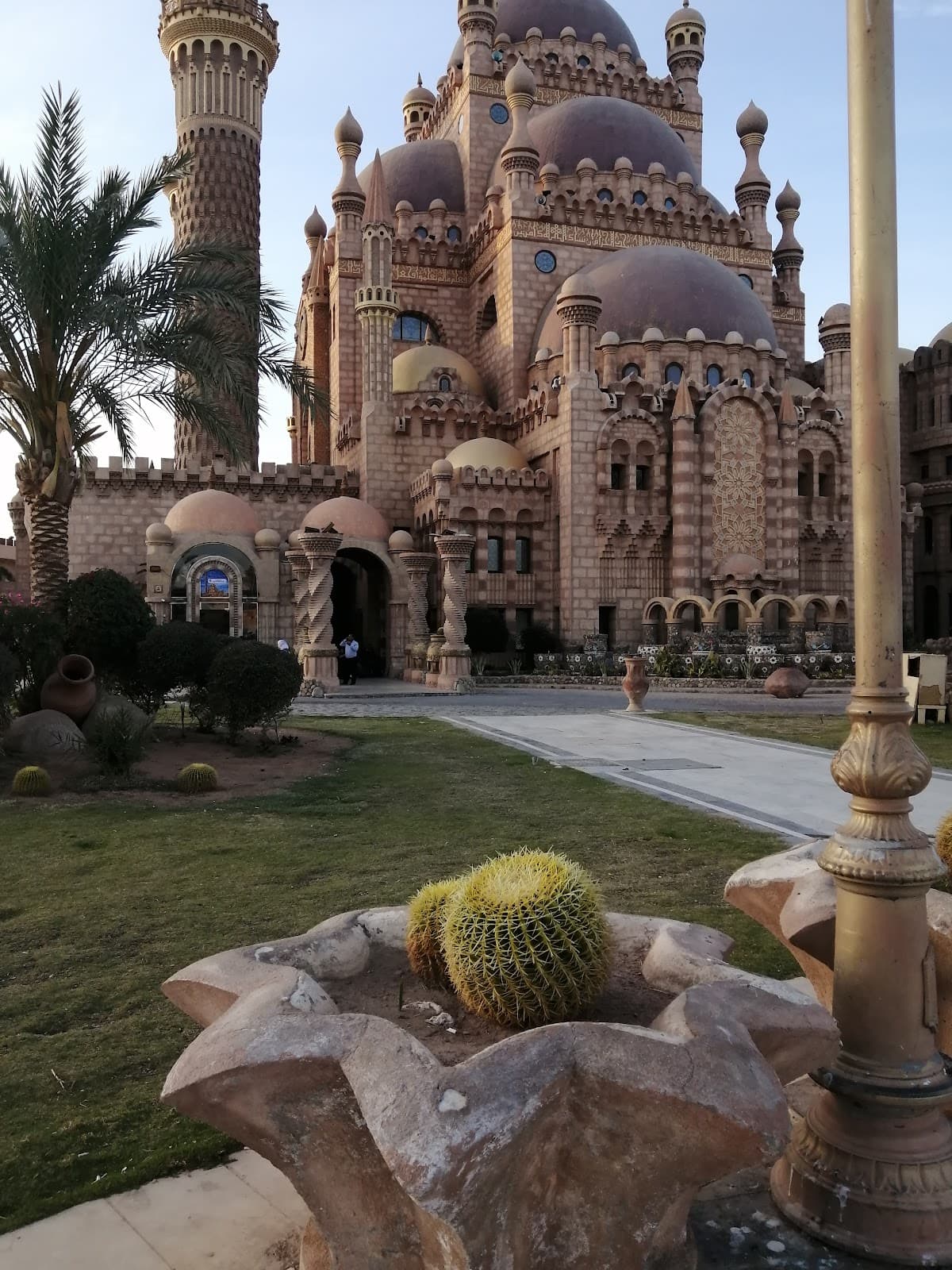
Sharm El Sheikh
Egypt's Red Sea diving paradise with year-round sunshine
Look, Sharm El Sheikh isn't trying to be Cairo or Alexandria. This Red Sea resort town has one job: delivering world-class diving, luxury beaches, and desert adventures under 300+ days of sunshine. Built from scratch in the Sinai Peninsula, it's where coral reefs meet five-star resorts, and Bedouin camps sit minutes from air-conditioned shopping malls. The diving here ranks among the world's best — Ras Mohammed National Park protects some of the most pristine coral in the Red Sea. But here's the thing: Sharm works whether you're planning a family beach holiday, a romantic getaway, or an adrenaline-packed adventure week. The downside? It's entirely resort-focused, so don't expect authentic Egyptian street life. What you get instead is reliable luxury, incredible underwater worlds, and desert landscapes that look like another planet.
Local Knowledge
Culture & Context
Egypt is a predominantly Muslim country, and while Sharm is far more permissive than Cairo or rural Egypt, a few rules still apply. Alcohol is available at most resorts and tourist bars — no issues there. But cover up when you head into markets or mosques. Women need shoulders and knees covered in those spaces. At the beach and in resort zones, normal swimwear is fine. Use your right hand when handing over money or goods. The left hand is considered unclean. Tipping — called baksheesh — is expected everywhere. Budget 5–10% at restaurants, and a few dollars for tour guides and drivers. Bargaining is not just acceptable at the Old Market, it's the whole point. Start at roughly half the asking price and negotiate from there. Vendors expect it. Don't feel rude — they'd be more surprised if you didn't haggle. During Ramadan, refrain from eating, drinking, or smoking in public during daylight hours out of respect, even as a non-Muslim visitor.
Safety
Within the resort zones, Sharm is considered safe and millions visit without incident every year. Naama Bay and SOHO Square are pedestrian-friendly and heavily monitored. The main irritations are financial rather than physical: overcharging on taxis, inflated excursion prices from street touts, and aggressive sales tactics at the Old Market. These are annoyances, not threats. For genuine safety: store your passport in the hotel safe and carry a photocopy. Book marine trips and desert excursions through licensed operators. Pre-book airport transfers rather than taking random street cabs late at night. The broader Sinai Peninsula has a complex security history, and northern Sinai has active travel warnings from most governments — but Sharm is in South Sinai and operates under a dedicated resort security framework with checkpoints and regular patrols. Solo female travelers generally report feeling comfortable, particularly in the main resort zones. Emergency: Sharm El Sheikh International Hospital operates 24/7 at Tel 069 3600000. Dial 122 for general emergencies. Don't photograph military installations, police buildings, or uniformed personnel — it's illegal in Egypt and enforced.
Getting Around
No Uber, no ride-hailing apps. Taxis are the main way to get around, and they are everywhere — but none use meters. Always agree the fare before you get in. A typical 5-mile trip runs roughly E£65–80 (about $1.50–2). Naama Bay to Sharks Bay costs $5–10 depending on your negotiating. Airport transfers run $11–35. The blue-and-white microbuses along Peace Road are officially off-limits to tourists (it's actually against local rules), but some travelers use them anyway for around E£10 ($0.21) between Naama Bay and Hadaba. Private minibus rentals for groups start around E£597 per day. If you're planning multiple day trips — Ras Mohammed, Dahab, Tiran Island — seriously consider booking a car rental or bundling transport into a guided tour. It's often cheaper and far less stressful than negotiating a separate taxi for each leg. Hotel desk transfers cost more than street rates but involve zero hassle.
Useful Phrases
Hello / Welcome
Goodbye (informal)
Thank you
No thank you — the most useful phrase at any market stall
How much is this? Essential for haggling
Where is the toilet? (Note: hammem means toilet; hamem means pigeon — don't mix them up in a restaurant)
Not good — handy when a price is too high or food isn't right
Good (male / female form) — locals appreciate hearing this used correctly
Local Customs
- •Negotiate taxi fares before getting in — no meters exist, and drivers will happily let you forget to discuss price until you've arrived.
- •Tip guides $10–20, drivers $5–10, and leave 5–10% at sit-down restaurants. It's not optional — it makes up most of their income.
- •Bargain in the Old Market. Start at 50% of the asking price. Firm, polite, and a little amused goes a long way.
- •Use your right hand to give and receive money or goods. Offering your left is considered rude.
- •Don't photograph police stations, military buildings, or uniformed personnel. This is illegal in Egypt and enforced.
- •If a vendor approaches you in a market and you're not interested, a firm 'La shukran' (no thank you) while you keep walking is enough. Stopping to explain invites a longer conversation.
- •Modest dress — covered shoulders and knees — is expected at the Old Market and Al-Sahaba Mosque, even for day-trippers from beach resorts.
- •During Ramadan, avoid eating, drinking, or smoking in public during daylight hours as a courtesy to fasting locals.
Itineraries coming soon
We're working on adding amazing itineraries for Sharm El Sheikh. In the meantime, try the app to create your own!
Money-Saving Tips
- 1.Book all-inclusive resort packages to avoid expensive meal and drink markups — they often pay for themselves after 3-4 days
- 2.Visit during shoulder season (May or September) for 30-50% savings on accommodation while still enjoying good weather
- 3.Buy alcohol at duty-free shops in the airport rather than paying resort prices — you can bring it to your hotel
- 4.Negotiate taxi fares before getting in — agree on a price to avoid meter surprises or inflated tourist rates
- 5.Eat at local restaurants in Old Market instead of resort dining for authentic food at half the price
- 6.Book diving packages directly with dive centers rather than through hotels to avoid commission markups
- 7.Use hotel shuttle buses to Naama Bay instead of taxis — many offer free transport to shopping and dining areas
- 8.Shop at local markets for souvenirs instead of hotel gift shops — prices can be 70% lower with some haggling
Travel Tips
- •Bring reef-safe sunscreen — regular sunscreen damages the coral reefs that make Sharm special
- •Pack a light jacket for winter evenings — desert temperatures drop significantly after sunset
- •Get your diving certification before arriving to maximize your time underwater — certification courses eat into vacation days
- •Drink bottled water and avoid ice in drinks outside major hotels to prevent stomach issues
- •Respect local customs by covering shoulders and knees when leaving resort areas, especially in Old Market
- •Book popular dive sites like Ras Mohammed early in your trip — weather can cancel boat trips later
- •Bring cash in Egyptian pounds — many local businesses don't accept cards and ATM fees add up
- •Download offline maps before exploring — cell service can be spotty in desert areas during day trips
- •Pack motion sickness medication if you plan boat trips — Red Sea conditions can get choppy
- •Learn basic Arabic phrases like 'shukran' (thank you) and 'ma'a salama' (goodbye) — locals appreciate the effort
Frequently Asked Questions
Explore Sharm El Sheikh
Ready to explore Sharm El Sheikh?
Get a personalized itinerary in seconds with Takeoff.
Free on iOS. No credit card required.