Serengeti
Witness the greatest wildlife spectacle on Earth unfold
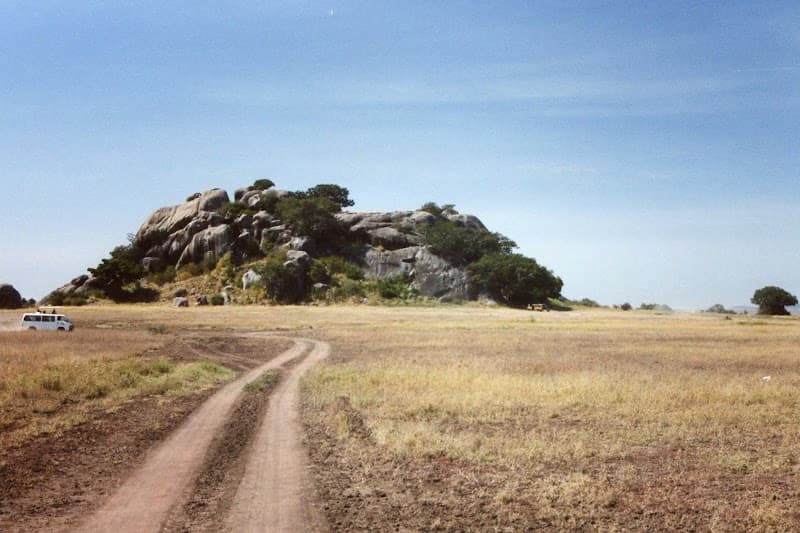
The Serengeti isn't just a national park — it's a living, breathing theater where two million wildebeest, zebras, and gazelles perform the world's greatest wildlife show. Every year, this ancient migration route pulses with life as herds thunder across endless grasslands, pursued by lions, leopards, and crocodiles. But here's what the documentaries don't tell you: timing is everything, and the Serengeti changes dramatically with the seasons. During the dry months, animals cluster around the Mara River, creating wildlife traffic jams that make game viewing almost guaranteed. Come during calving season in February, and you'll witness thousands of newborn wildebeest taking their first wobbly steps. The landscape shifts from golden savanna to emerald plains depending on when you visit, and each season offers a completely different safari experience.
Serengeti Itineraries
Money-Saving Tips
- 1.Book safari packages 6-12 months ahead for better rates and camp availability during peak migration season
- 2.Consider visiting during shoulder seasons (March-May, November) for 30-40% lower lodge rates and fewer crowds
- 3.Internal flights between Serengeti regions cost $200-400 per person but save 6+ hours of bumpy driving
- 4.Budget camps start around $300 per person per day all-inclusive, while luxury lodges reach $2,000+ per person
- 5.Park fees run $70 per person per day, plus $40 vehicle fee — factor these into your total safari cost
- 6.Tipping guides and camp staff is expected — budget $20-30 per person per day for gratuities
- 7.Bring cash (USD) for tips, souvenirs, and any extras as ATMs don't exist inside the park
Travel Tips
- •Pack neutral-colored clothing (khaki, olive, brown) as bright colors can disturb wildlife and attract insects
- •Bring a good camera with telephoto lens — wildlife viewing distances vary greatly throughout the park
- •Download offline maps and GPS coordinates as cell service is spotty to non-existent in remote areas
- •Pack dust masks or bandanas for game drives, especially during dry season when roads get extremely dusty
- •Bring binoculars even if your guide provides them — having your own pair ensures better wildlife viewing
- •Pack layers for temperature swings from cool dawn game drives to hot midday sun
- •Carry hand sanitizer and wet wipes as bathroom facilities are limited during full-day game drives
- •Book balloon safaris and walking tours in advance as they have limited daily capacity
- •Respect minimum distances from wildlife — your guide knows the rules and safety protocols
Frequently Asked Questions
Explore Serengeti
Ready to explore Serengeti?
Get a personalized itinerary in seconds with Takeoff.
Free on iOS. No credit card required.