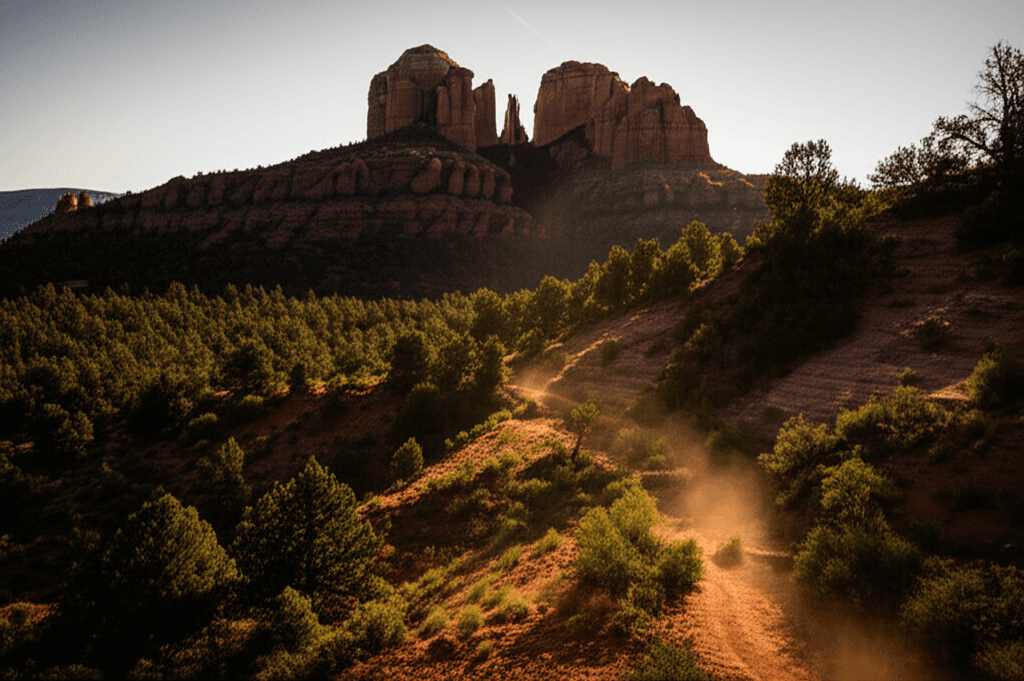
Sedona
Red rock mysticism meets luxury wellness in desert paradise
Red rocks rise like ancient cathedrals from the desert floor, their rust-colored faces catching fire at sunset. Sedona isn't just another Arizona town — it's where Silicon Valley executives come to find their chakras and where couples escape to world-class spas carved into canyon walls. The New Age crowd talks about energy vortexes while hikers tackle Cathedral Rock at dawn. Look, it can feel a bit woo-woo at times, but even skeptics leave feeling refreshed. The red rocks are real, the luxury resorts are world-class, and the hiking trails deliver views that make your Instagram followers jealous.
Best Months
MAR · APR · MAY · SEP · OCT · NOV
~25°C · high crowds
Culture & Context
VORTEX ENERGY REAL
Sedona runs on about 10,000 permanent residents and 3 million annual visitors. That math does the talking. The town has two distinct souls sharing the same red rock backdrop: outdoor adventure culture and New Age spiritual culture.
Both are completely sincere. Don't come here expecting to laugh at the crystal shops and sound bath studios. Locals take the vortex energy seriously, the Indigenous Yavapai and Hopi considered this land sacred long before any tourist set foot here, and even skeptics tend to leave saying they felt something.
The arts scene is genuinely strong, not just gift-shop deep. Tlaquepaque (locals say it "tuh-laa-kay-paa-kee") is a real arts and crafts village modeled after a Mexican colonial town, with working galleries and decent restaurants. But look, the economy is tourism.
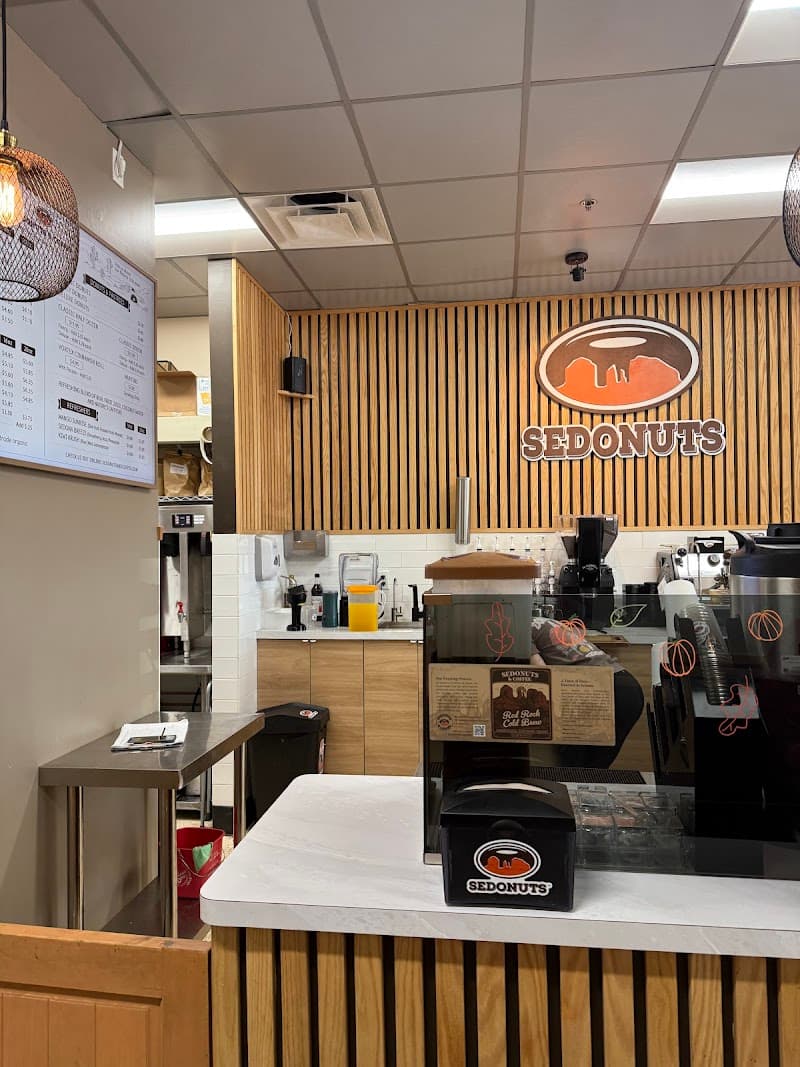
Cost performance for dining out is rough. Restaurant prices run 20-30% above state averages, and some Uptown spots charge resort prices for average food. The town is honest about what it is: a destination that rewards you for actually getting outside.
Local Customs
ARRIVE BEFORE SUNRISE
Respect vortex sites. People may be deep in meditation or performing ceremonies at Airport Mesa, Cathedral Rock, Bell Rock, or Boynton Canyon. Walk quietly past them.
Don't interrupt. This isn't a photo prop for someone else's spiritual moment.. Get to trailheads before 7 AM during peak season (March–May and September–October).
Lots at spots like Devil's Bridge and Cathedral Rock genuinely fill up before sunrise. Locals know this. Tourists find out the hard way..
The red dirt stains everything permanently. Wear shoes and clothes you don't care about on trails. Bring a bag to stash your boots before getting back in the rental car..
Use the free shuttle whenever it's running. During peak seasons, private vehicles are banned from Cathedral Rock and Soldier Pass trailheads during shuttle hours. It's not optional..
Tip your jeep tour drivers well. They're usually locals who know the backcountry better than any guidebook and often make or break the experience.. Don't mock the metaphysical culture to locals.
Even if you're not a believer, it's their community. A little respect goes a long way in a town of 10,000 where everyone knows everyone.
Safety
HEAT AND RATTLESNAKES
Sedona is a genuinely safe town with negligible violent crime. The real safety concerns are environmental. Heat is the primary one — Sedona regularly sees days above 95°F and is seeing more of them each year.
Always carry water (at least a liter per hour of hiking in summer), sunscreen, and a hat. Trails that look short on a map can become serious in afternoon heat. Rattlesnakes are present on trails, especially as temperatures warm up in spring when they're freshly out of hibernation and not yet accustomed to people.
Never put your hands under rocks or ledges without looking first. Don't step over fallen logs without checking the other side. Javelinas (pig-like desert animals) occasionally wander into town and can be aggressive, especially if they have young.
Give them space. The drinking water in Sedona has some quirks — the city utility's own messaging has been confusing about its potability. If you're sensitive to that kind of thing, bottled water or a filter is worth considering.
Wildfire risk is real in and around the forest. Check current fire restrictions before any campfire or backcountry activity, particularly in summer. Finally, the dark sky ordinances that make stargazing excellent here also make roads genuinely dark at night.
Wildlife on roads after dark is common. Drive carefully or just don't drive at night.
Getting Around
CAR REQUIRED, SHUTTLE SAVES
You need a car here. Full stop. Sedona sits 120 miles north of Phoenix Sky Harbor Airport and 30 miles south of Flagstaff, and there's no practical way to get around without wheels.
Uber and Lyft technically exist but are notoriously unreliable — don't count on them for anything time-sensitive. The one major transit win is the free city shuttle, which runs from two Park and Ride lots to popular trailheads including Cathedral Rock and Soldier Pass. During peak seasons (March–May and September through early November), these trailhead lots are closed to private vehicles during shuttle hours.
Use the shuttle. It's free, it reduces parking stress, and it's the only smart move on busy weekends when trailhead lots fill before 7 AM. For parking on national forest land, you'll need a Red Rock Pass: $5/day, $15/week, or $20/year, available at trailhead kiosks, the Sedona Visitor Center, or online at Recreation.
gov. If you already have an America the Beautiful Pass ($80/year), it covers most Coconino National Forest trailheads and doubles as your Red Rock Pass. Important: it does NOT cover Arizona State Parks like Slide Rock or Red Rock State Park, or concessionaire sites like Crescent Moon Ranch.
Those charge separately. One local driving tip — don't drive at night if you can avoid it. Dark sky ordinances mean very little street lighting, roads are narrow with minimal shoulders, and wildlife including deer, javelinas, and coyotes regularly cross the roads after dark.
Useful Phrases


Money-Saving Tips
- 1.Book accommodations in Village of Oak Creek instead of Uptown Sedona for 40-50% savings on hotels
- 2.Pack lunch and snacks — restaurant prices are inflated and options are limited on hiking trails
- 3.Skip Pink Jeep tours and rent an SUV to explore rough roads like Broken Arrow yourself
- 4.Visit during shoulder seasons (late February, early December) for half-price hotel rates
- 5.Buy groceries at Safeway in West Sedona rather than overpriced Uptown convenience stores
- 6.Download the Red Rock Pass app ($5/day) instead of paying $15 for paper permits at popular trailheads
- 7.Fill up your gas tank before arriving — Sedona stations charge 20-30 cents more per gallon than Phoenix
- 8.Bring your own water bottles and refill at hotels — bottled water costs $4+ at tourist shops
Travel Tips
- •Start hikes before 7 AM in summer to avoid dangerous heat and afternoon thunderstorms
- •Wear closed-toe shoes with good grip — red rock sandstone gets slippery and sharp
- •Download offline maps before heading into canyons where cell service disappears
- •Pack layers even in summer — desert temperatures drop 30-40 degrees after sunset
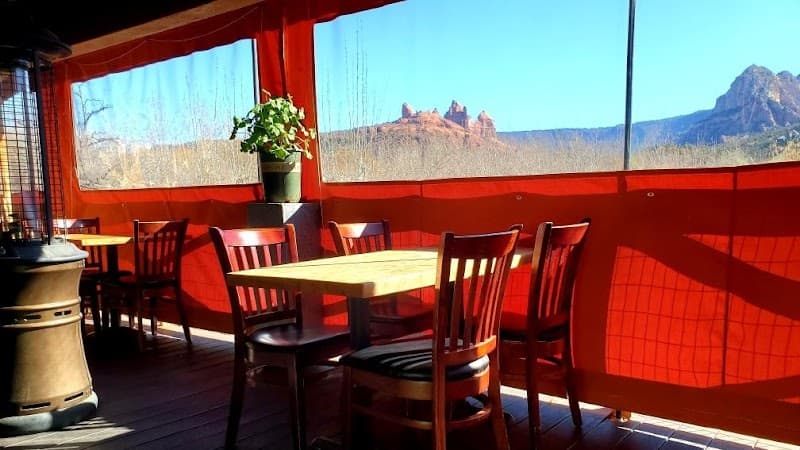
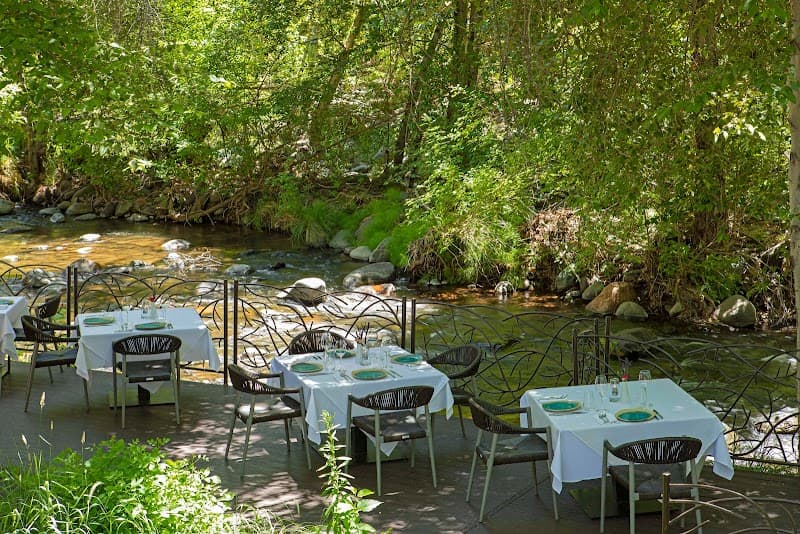
- •Make dinner reservations 2-3 days ahead, especially for sunset viewing restaurants
- •Bring cash for parking meters in Uptown — many don't accept cards and enforcement is strict
- •Check weather before slot canyon hikes — flash floods happen fast during monsoon season
- •Book spa treatments weeks in advance at luxury resorts during peak season
- •Respect private property and stay on marked trails — trespassing fines start at $500
- •Carry more water than you think you need — desert dehydration happens quickly