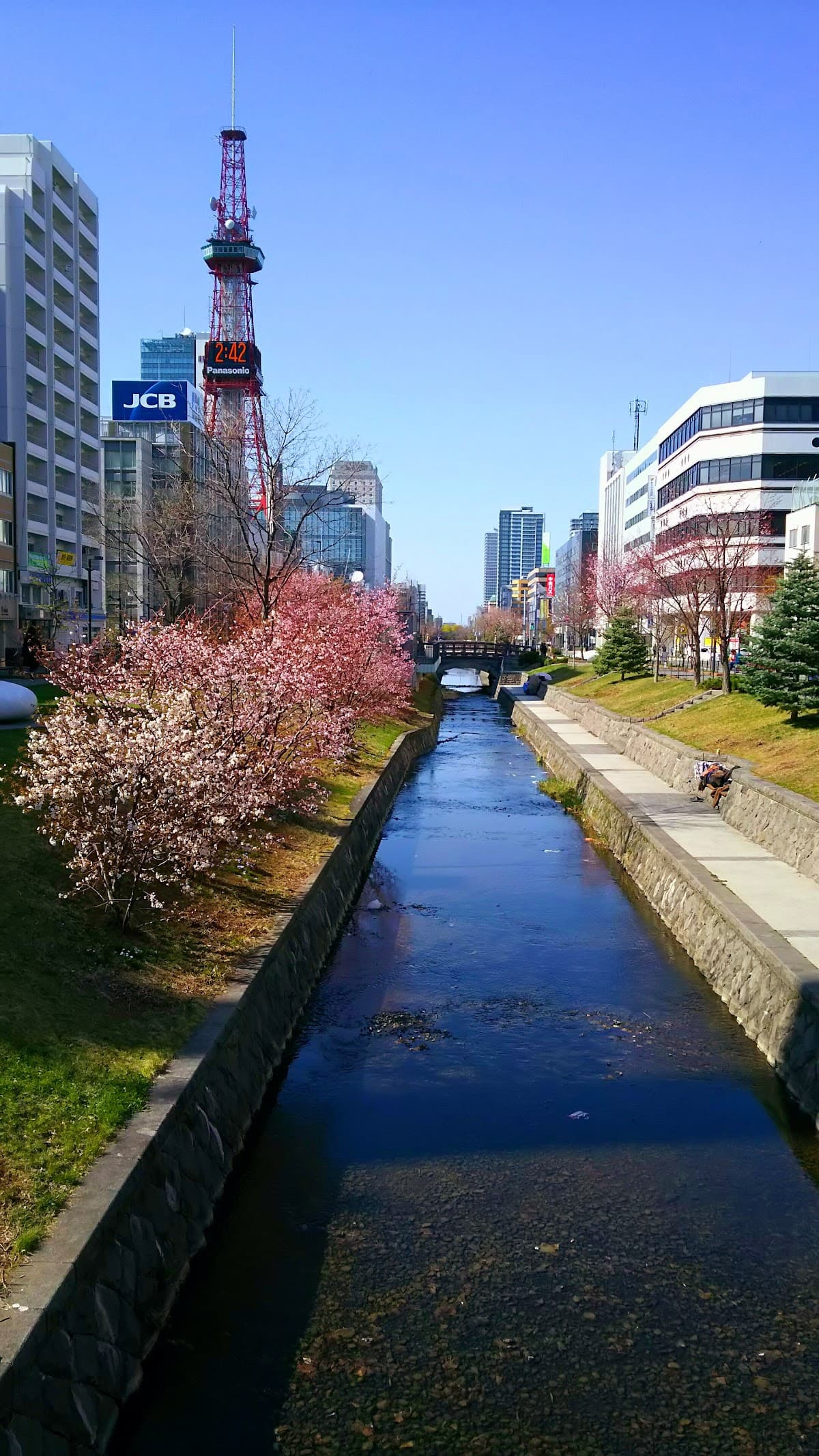
Sapporo
Japan's winter wonderland with world-class powder and beer
Look, most people think of Tokyo or Kyoto when they picture Japan. But Sapporo? This is where Japan gets real. The capital of Hokkaido delivers powder snow that makes skiers weep with joy, ramen so good it'll ruin every other bowl for you, and beer culture that puts most cities to shame. Come winter, the city transforms into a snow-covered playground. Come summer, it's festival central with perfect weather while the rest of Japan melts. Here's the thing — Sapporo doesn't try to be cute or Instagram-perfect. It just delivers on every front.
Best Months
JAN · FEB · JUN · JUL · AUG · DEC
~13°C · peak crowds
Culture & Context
GRID-PLANNED BEER CAPITAL
Sapporo is Japan's fifth-largest city and Hokkaido's capital, sitting on a broad flat plain that makes it feel more open and breathable than Tokyo or Osaka. The whole city runs on a grid. Streets are numbered, not named.
You get oriented fast. It was purpose-built during the Meiji era when the Japanese government was developing Hokkaido, and that colonial planning energy still shows in the wide avenues and organized blocks. The place gets around 485 centimeters of snow annually, which shapes everything from the architecture to the attitude.
Locals treat winter as completely normal. Tourists usually don't dress warmly enough. Sapporo is the birthplace of Japanese beer culture (dating to 1876) and miso ramen.
Soup curry is a Sapporo invention too. The food here is genuinely good, and it costs less than Tokyo. Summers are cool and dry, with temperatures hovering around 20-25°C, which draws visitors from mainland Japan escaping the Honshu heat.
The city hosted the 1972 Winter Olympics and has been angling for future Olympic bids. It's a place where urban convenience and quick access to wild nature coexist without tension.
Local Customs
CASH, NO TIPS
Remove shoes at the entrance of ryokans, many traditional restaurants, and some guesthouses. Look for the shoe rack (getabako) at the door — it makes it obvious.. No tipping.
At all. Sliding money toward a server causes confusion and mild awkwardness. The price on the menu is what you pay..
Don't eat or drink while walking. Sit down, find a spot, enjoy your food. Walking ramen is not a thing..
Onsen etiquette is non-negotiable: shower thoroughly before entering the communal bath. Tattoos are still banned at many traditional onsen, though some venues are becoming more flexible — check in advance.. Queuing is serious.
People line up properly for trains, ramen shops, and festival food stalls. Join the end of the line without question.. During the Snow Festival, the pathways get genuinely slippery.
Locals wear proper winter boots or snap-on ice grips (sold at every convenience store for a few hundred yen). Tourists in sneakers fall down.. Carry cash.
Many smaller ramen shops and izakayas are cash-only, and some ATMs only accept Japanese bank cards. Japan Post and 7-Eleven ATMs reliably accept foreign cards.. Trash cans are rare on the street.
You carry your wrappers and bottles until you find one, which might be back at the convenience store where you bought the thing.
Safety
ICE, NOT CRIME
Sapporo is one of the safest cities in Japan, which already makes it one of the safest cities on earth. Violent crime against tourists is virtually nonexistent. The main hazards are environmental, not human.
In winter, sidewalks become legitimately dangerous ice rinks. Locals buy clip-on ice grips (¥300–500 at any convenience store) and so should you — tourist shoes are a liability on January mornings. Susukino is the one area that warrants a bit of caution after midnight.
Some bars use aggressive touts to pull people in, and overcharging at unlicensed establishments does happen. The rule is simple: check prices before you commit, and if someone is working too hard to get you inside, keep walking. Never enter a venue without confirming the cover charge and drink prices first.
For solo female travelers: Sapporo is widely considered very safe, including for solo women at night. Normal awareness applies around Susukino late at night. Women-only train cars operate during peak hours on the subway.
Tap water is safe to drink everywhere. And keep the Japan Tourism Hotline number handy: 050-3816-2787 (24 hours, English available).
Getting Around
SUBWAY & UNDERGROUND
Getting to Sapporo is straightforward. New Chitose Airport (CTS) is 50km south of the city. The JR Airport Express (Rapid Airport) runs every 15 minutes and reaches Sapporo Station in 37 minutes for ¥1,192 (~$7.
66). It's covered by the Japan Rail Pass. Airport buses serve major hotels and take 60–80 minutes for ¥1,468 (~$9.
42). Taxis from the airport run ¥11,000–¥14,000 and aren't worth it unless you have a lot of luggage and no concern for money. Once in the city, Sapporo has three municipal subway lines: Namboku (north-south), Tozai (east-west), and Toho.
They cover the main areas well. Buy a Kitaca IC card at Sapporo Station — it works on all subway, JR, and bus services and at convenience stores. On weekends and holidays, use the Donichika pass for a flat-rate discount on unlimited subway rides.
The Chi-Ka-Ho underground walkway runs free between Sapporo Station and Odori Station (and connects south toward Susukino), which is genuinely useful in winter when it's -15°C above ground. For day trips to ski resorts like Sapporo Kokusai (about one hour from the center), you'll need a bus. For wider Hokkaido exploration, consider a JR Hokkaido Pass rather than buying individual tickets — the prefecture is large and train fares add up fast.
Useful Phrases
Where to Stay in Sapporo
5 recommended properties
Cross Hotel Sapporo
upscale · Locally rooted design hotel with a contemporary, art-forward aesthetic. Rooms come in three color styles — Urban, Natural, and Hip. The hotel leans into Hokkaido identity hard: local art on the walls, Hokkaido ingredients on the plate, Hokkaido skincare in the Cross Floor rooms. · 17.8/10
Sosei Sapporo - MGallery
luxury · Heritage boutique, Japanese-Western fusion design, intimate and considered rather than grand resort
Suigan
luxury · Radically private, room-centric luxury ryokan. Zero communal spaces by design. Think private apartment in a national park, not a traditional inn with group baths and banquet dining.
The Knot Sapporo
mid-range · Urban-rustic lifestyle hotel. Think big-city design with deliberate nods to Hokkaido's wilderness: local cedar, soft stone, après-ski lounge energy, and DJ sets on Saturday nights.
InterContinental Sapporo
luxury · Modern urban luxury with a strong sense of place — residential feel, Hokkaido nature motifs, and a serious focus on local food culture over flashy brand statements.
Itineraries coming soon
We're working on adding amazing itineraries for Sapporo. In the meantime, try the app to create your own!
Money-Saving Tips
- 1.Buy a Sapporo Welcome Pass for 1,000 yen — includes subway day pass plus discounts at 30+ restaurants and attractions
- 2.Convenience store meals cost 300-500 yen and beat most tourist restaurant food for quality and price
- 3.Book ski resort day trips through your hotel — they often include transport and lift tickets for less than buying separately
- 4.Department store basement food courts offer restaurant-quality meals for half the price of the restaurants upstairs
- 5.Happy hour at hotel bars runs 5-7 PM with drinks at 800 yen instead of the usual 1,500 yen
Travel Tips
- •Download Google Translate with camera function — most menus are Japanese-only, even in tourist areas
- •Pack layers, not just heavy coats — buildings are heated to tropical levels while outside sits at minus 15
- •Carry cash — many restaurants and bars don't accept cards, and ATMs shut down at night
- •Learn to bow slightly when saying arigatou gozaimasu — locals notice and appreciate the effort
- •Book dinner reservations through your hotel concierge — many restaurants don't take phone reservations from foreigners
- •Bring or buy proper winter boots with grip — sidewalks get icy and tourist shoes will have you sliding around
- •Keep your camera batteries warm — cold weather drains them fast, and you'll want photos of everything