San Pedro de Atacama
Chile's otherworldly desert gateway to cosmic wonders
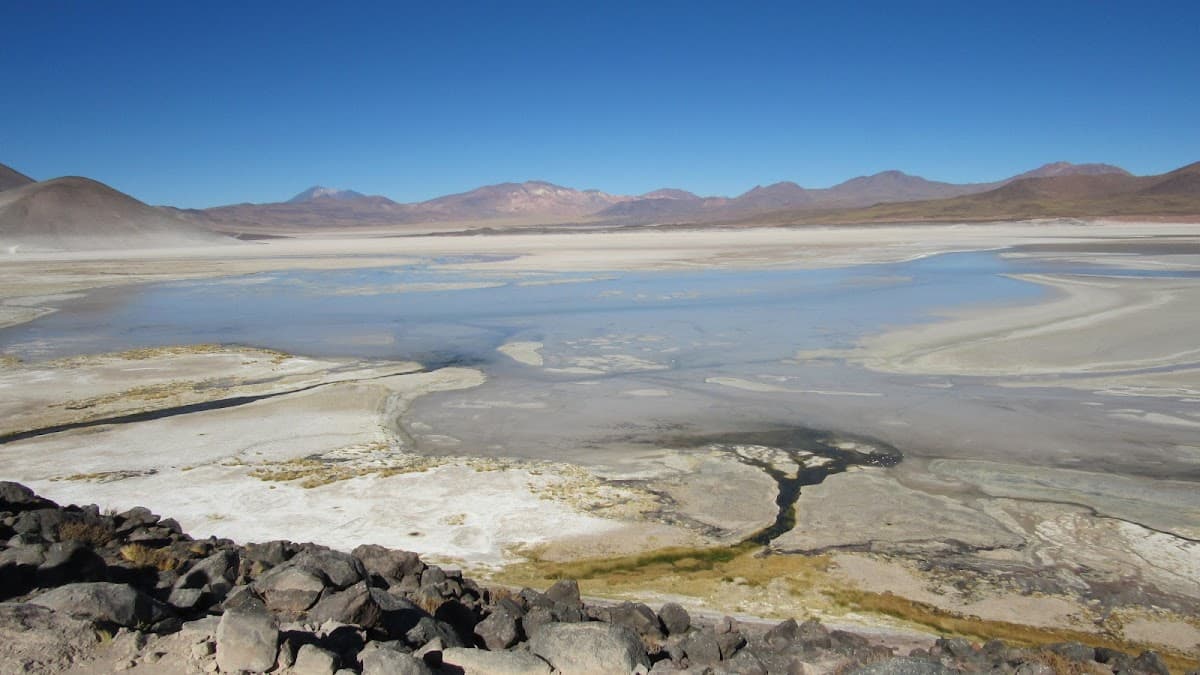
San Pedro de Atacama sits at 2,400 meters above sea level in the world's driest desert, where the air is so thin and clear you can practically touch the Milky Way. This tiny oasis town of 5,000 people has become Chile's adventure capital, drawing travelers who want to witness landscapes that look more Martian than earthly. The Atacama Desert stretches endlessly in every direction, punctuated by salt flats that mirror the sky, geysers that roar to life at dawn, and valleys carved by wind into alien sculptures. But here's what makes San Pedro special: it's not just about the scenery. The town maintains its indigenous Atacameño roots while serving world-class pisco sours, and you can spend your morning chasing flamingos across Salar de Atacama and your evening peering through telescopes at galaxies millions of light-years away.
Local Knowledge
Culture & Context
San Pedro sits on the southern tip of Ambergris Caye, Belize's biggest island. It was founded around 1848 by Mestizo families who fled the Caste War in the Yucatán. They named it after St. Peter, the patron saint of fishermen. That fishing village heritage is still present, even if you have to squint a little past the beach bars and resort signage to see it. Locals are called San Pedranos. And look, they're genuinely warm. But San Pedro has also become what mainlanders call "Little America," a fast-growing tourist enclave with a large expat community of mostly Americans and Canadians. Development has moved fast. The island is evolving constantly, and not everyone is thrilled about the pace. Still, ride out on a golf cart past the bridge on a Tuesday morning and you'll find quiet stretches, locals going about their day, and a real sense that this place has roots. The town's three main streets, Front Street (Barrier Reef Drive), Middle Street (Pescador Drive), and Back Street (Angel Coral Drive), each have their own personality. Front Street is bars and tourist restaurants facing the sea. Back Street is where you eat rice and beans for under $10 and run into more locals than tourists. Locals speak a fluid mix of Spanish, English, and Kriol depending on who they're talking to. It's entirely possible to hear all three in a single conversation.
Safety
San Pedro is considered one of the safest areas in Belize for tourists, and the US State Department's Level 2 advisory for Belize is the same rating given to France, Germany, and the UK. Keep perspective. The island has dedicated tourism police who patrol specifically for visitor safety, and long-term residents (including many solo women who moved there from the US) consistently describe it as comfortable and welcoming. That said, petty theft happens. Don't leave valuables on the beach unattended, don't flash expensive gear, and lock your golf cart every single time you leave it. Golf carts have universal keys and cost BZ$30,000–40,000. Thieves know this. The golf cart issue is the number one thing locals flag. Also: don't drink the tap water. Stick to bottled or filtered. Mosquito-borne illnesses like dengue and Zika are present, especially in rainy season (June–November), so pack DEET repellent. Sandflies at dusk are annoying and real. Credit card fraud rings are active in the region, so use ATMs at banks (Belize Bank, Atlantic Bank) rather than standalone machines. The actual violent crime situation in Belize is almost entirely concentrated in Southside Belize City, which is not somewhere tourists typically go. If you're transiting through Belize City, get to the ferry terminal and move on. Solo women may encounter catcalling; a firm and polite response works fine. Medical care on the island is limited, so get travel insurance that covers evacuation before you go.
Getting Around
There are no regular cars on Ambergris Caye. Golf carts are how everyone gets around. Rent one from any of the cart companies near the ferry docks or through your hotel. Expect to pay $40–80 USD per day depending on season. Book in advance during Lobster Fest or December–April peak season or you'll find nothing available. For short distances in downtown, walking or biking is fine. Many hotels provide free bikes. Getting to San Pedro: the two options are a 15-minute domestic flight or a 1.5-hour water taxi from Belize City. Tropic Air and Maya Island Air run the flights from both Philip Goldson International Airport and the Municipal Airport. Round trips run $55–90 USD. Water taxis depart hourly from 8am to 5:30pm from Belize City's marine terminal. Cost is around $31 USD one-way. The boat is scenic and cheaper; the plane is faster and gives you a stunning view of the reef on approach. Getting between islands: water taxis connect San Pedro to Caye Caulker regularly ($10–15 USD one-way). The Thunderbolt Water Taxi runs daily to Corozal, departing San Pedro at 3pm, taking 2 hours, and costing BZ$52 one-way. Road quality on the island gets rougher the further you go from downtown, especially heading out toward Secret Beach. Expect dirt roads, potholes, and speed bumps. Drive the golf cart slowly at night. There are no streetlights outside of town.
Useful Phrases
What's going on? / How are you?
Good morning
I'm here / I'm doing well
See you later / Goodbye
Children / kids
Angry or upset
Where are you? (used in texts when trying to find someone)
A Belizean and proud of it — a term of local pride
Local Customs
- •Golf carts are the primary way to get around. There are no real cars in the traditional sense. You'll see taxis, golf carts, and bikes. Rent a cart for the day if you're heading anywhere beyond walking distance of your hotel, especially out to Secret Beach.
- •Hitchhiking is normal and accepted here. Locals hop on passing golf carts to get where they're going. If you're heading north or south, it's fine to offer a ride or ask for one. Just say where you're going and they'll let you know if it works.
- •Every Thursday, a bar in town runs the Chicken Drop, a lottery where you pick a number on a grid and a live chicken walks around until it... does its business. Wherever it lands determines the winner. It's ridiculous and everyone loves it.
- •During Carnaval weekend (February), bring old clothes you don't mind destroying. Locals throw paint — actual paint — in the streets. Wear white if you want to end up a walking canvas.
- •Eat on Back Street. Locals call it Back Street, officially Angel Coral Drive. That's where Neri's Tacos, street vendors, and local lunch spots live. It's significantly cheaper than anything on Front Street facing the water.
- •Feeding tarpon from the dock on the lagoon side is a thing. Buy a small bag of sardines, hold one between your fingers over the water, and wait. The tarpon come up fast. It's more exciting than it sounds.
- •Tipping is appreciated but not mandatory at local spots. At tourist restaurants, 10–15% is customary. At street food stalls, rounding up is plenty.
- •Imported alcohol is expensive everywhere. Belikin, the national beer of Belize, is the move. It's cheap, cold, and actually good. Rum is also a strong local choice.
Itineraries coming soon
We're working on adding amazing itineraries for San Pedro de Atacama. In the meantime, try the app to create your own!
Money-Saving Tips
- 1.Book tours directly with operators in town rather than through hotels to save 20-30%
- 2.Bring cash – many places don't accept cards and ATMs charge hefty fees
- 3.Pack snacks and water for tours since food stops are limited and expensive
- 4.Stay at hostels with kitchen access to avoid restaurant prices for every meal
- 5.Buy a SIM card in Calama rather than San Pedro where they cost double
- 6.Group tours cost less per person than private ones – join other travelers
- 7.Altitude sickness medication costs $40+ in town but $5 in Santiago pharmacies
Travel Tips
- •Arrive a day early to acclimatize to the 2,400m altitude before tours
- •Pack layers – temperatures swing from 30°C days to freezing nights
- •Bring high SPF sunscreen and sunglasses – UV exposure is extreme at this altitude
- •Download offline maps since cell service disappears outside town
- •Book stargazing tours for your first clear night – weather can change quickly
- •Carry a headlamp for early morning geyser tours and evening walks
- •Respect indigenous sites – many areas are sacred to local Atacameño communities
Frequently Asked Questions
Explore San Pedro de Atacama
Ready to explore San Pedro de Atacama?
Get a personalized itinerary in seconds with Takeoff.
Free on iOS. No credit card required.