Rabat
Culture & Context
ROYAL CAPITAL, REAL MOROCCO
Rabat is Morocco doing its day job. This is where the government ministers are, where the diplomats eat lunch, where university students argue philosophy over espresso. The whole modern city is a UNESCO World Heritage Site (declared 2012), which tells you something about how seriously it takes itself. But it doesn't show off about it. No carpet-seller ambush at the medina gate. No fever-pitch haggling at every corner. Just Atlantic wind, jacaranda-lined boulevards, and a city that genuinely doesn't need your tourism dollars to feel alive. It sits at the mouth of the Bou Regreg River, where 12th-century Almohad walls meet the ocean. Andalusian refugees once rebuilt their lives in the Kasbah of the Udayas. Barbary pirates ran operations from across the river in Salé. The layers here run deep, they're just quieter about it.
cultural_context_headline: ROYAL CAPITAL, REAL MOROCCO
Local Customs
RIGHT HAND, MINT TEA
Dress modestly in the medina, near religious sites, and anywhere outside modern districts. Cover shoulders and knees. A light linen scarf handles most situations.
Agdal and Hay Riad are more relaxed, but the rule is: when in doubt, cover up.. Always use your right hand for eating, giving, and receiving. The left hand is considered unclean in Moroccan custom..
Bargaining is expected in souks but not in regular shops or restaurants with posted prices. Counter at around 50-60% of the asking price, stay friendly, and be genuinely willing to walk away.. Accepting mint tea when offered is a gesture of goodwill and hospitality.
Refusing repeatedly can cause offence. Sipping and chatting is part of the social contract.. Never photograph people without asking permission first.
'Mumkin tsawer?' means 'May I take a photo?' in Darija.
Decline graciously if refused. Military buildings, police, and government facilities are strictly off-limits to photograph.. During Ramadan (February 17 to March 18, 2026), avoid eating, drinking, or smoking in public during daylight hours out of respect for those fasting..
Alcohol is available in certain hotels and licensed restaurants but never drink on the street or on public transport.. Friday couscous is serious. Many local families gather for the midday meal, and the city slows down around Friday prayers.
Safety
CALM CITY, STAY SHARP
Rabat consistently ranks as one of Morocco's safest cities for tourists. Being the political capital means dense police presence, embassy security, and a generally more orderly atmosphere than Marrakech or Casablanca. Violent crime against tourists is rare. The usual nuisances are exactly that: unofficial "guides" near the Chellah who block exits until you tip, mint tea invitations that end in a surprise bill for pastries you didn't order, and taxi drivers who conveniently forget the meter exists. Fix: hire only licensed guides (they wear yellow badges), say "compteur s'il vous plaît" before the taxi moves, and order from menus directly. The Corniche riverfront is patrolled until midnight. Solo women generally report positive experiences, especially in Agdal and along tram routes. The tram even has a women-only section at the front. Late at night in unfamiliar neighborhoods, take a taxi rather than walking empty streets. Tourist police number: 177.
safety_headline: CALM CITY, STAY SHARP
Getting Around
TRAM FIRST, TAXI SECOND
The Tramway de Rabat-Salé is the city's backbone. It opened in 2011, runs 26km across 42 stops on two lines, and crosses the Bou Regreg into Salé via the Hassan II bridge. Frequency hits every 8 minutes during peak hours. A single ride costs around 6 MAD. Buy tickets from platform machines before boarding. The tram app (launched 2021) lets you buy tickets and check arrivals on your phone. For anything the tram doesn't reach, blue petit taxis are metered (base fare 7 MAD daytime, slightly higher after 8pm) and reliable. Always confirm the meter is on before you pull away. The core historic areas (Medina, Kasbah, Hassan Tower complex) are walkable from each other, though the sun-exposed boulevards tire people out faster than maps suggest. For intercity travel, ONCF trains from Rabat-Ville station are excellent: Casablanca takes about 1 hour, with the Al Boraq high-speed option also connecting through to Tangier. Buses run 4-6 MAD per journey but get crowded at rush hour.
transport_headline: TRAM & BLUE TAXI
Useful Phrases
Where to Stay in Rabat
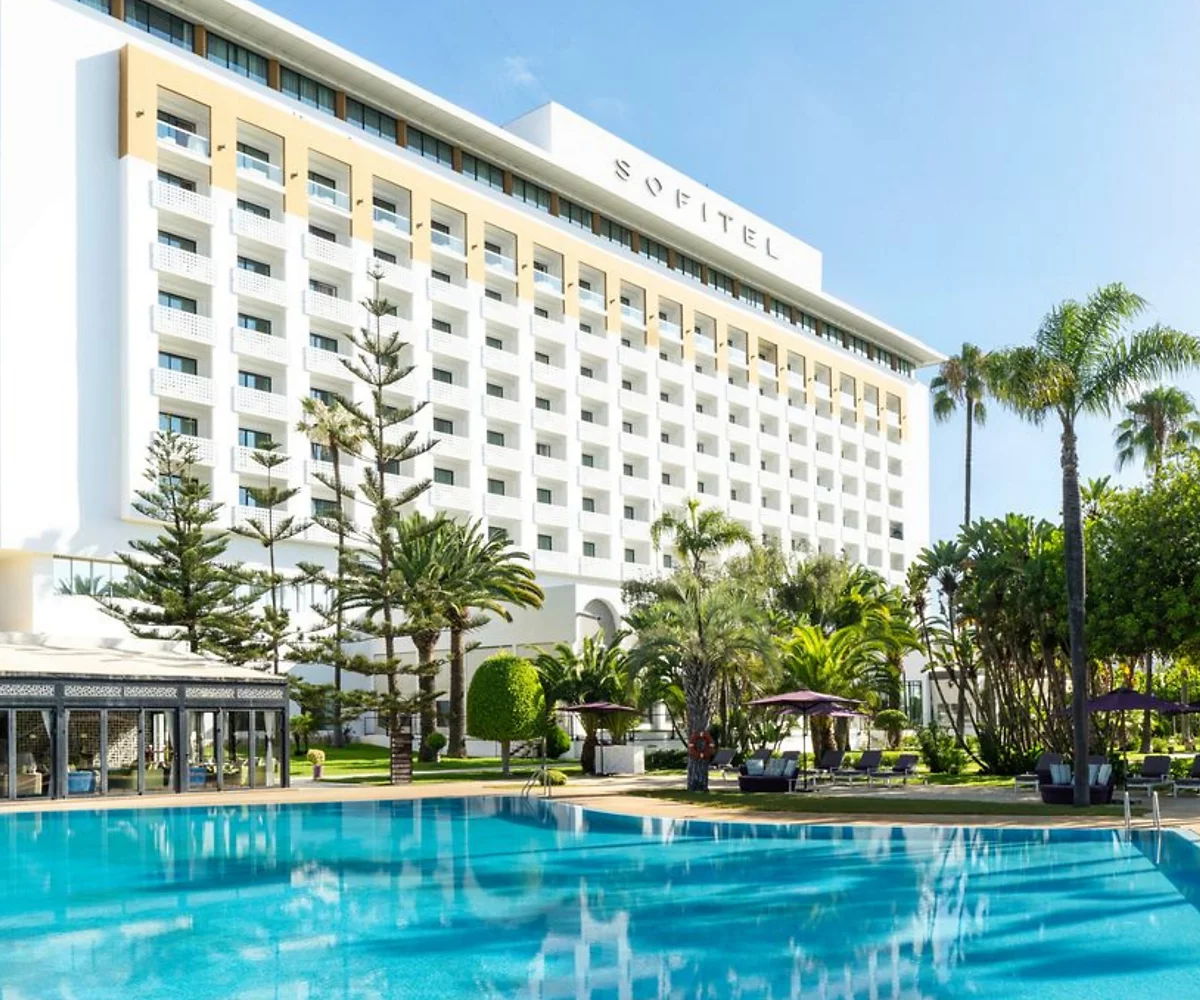
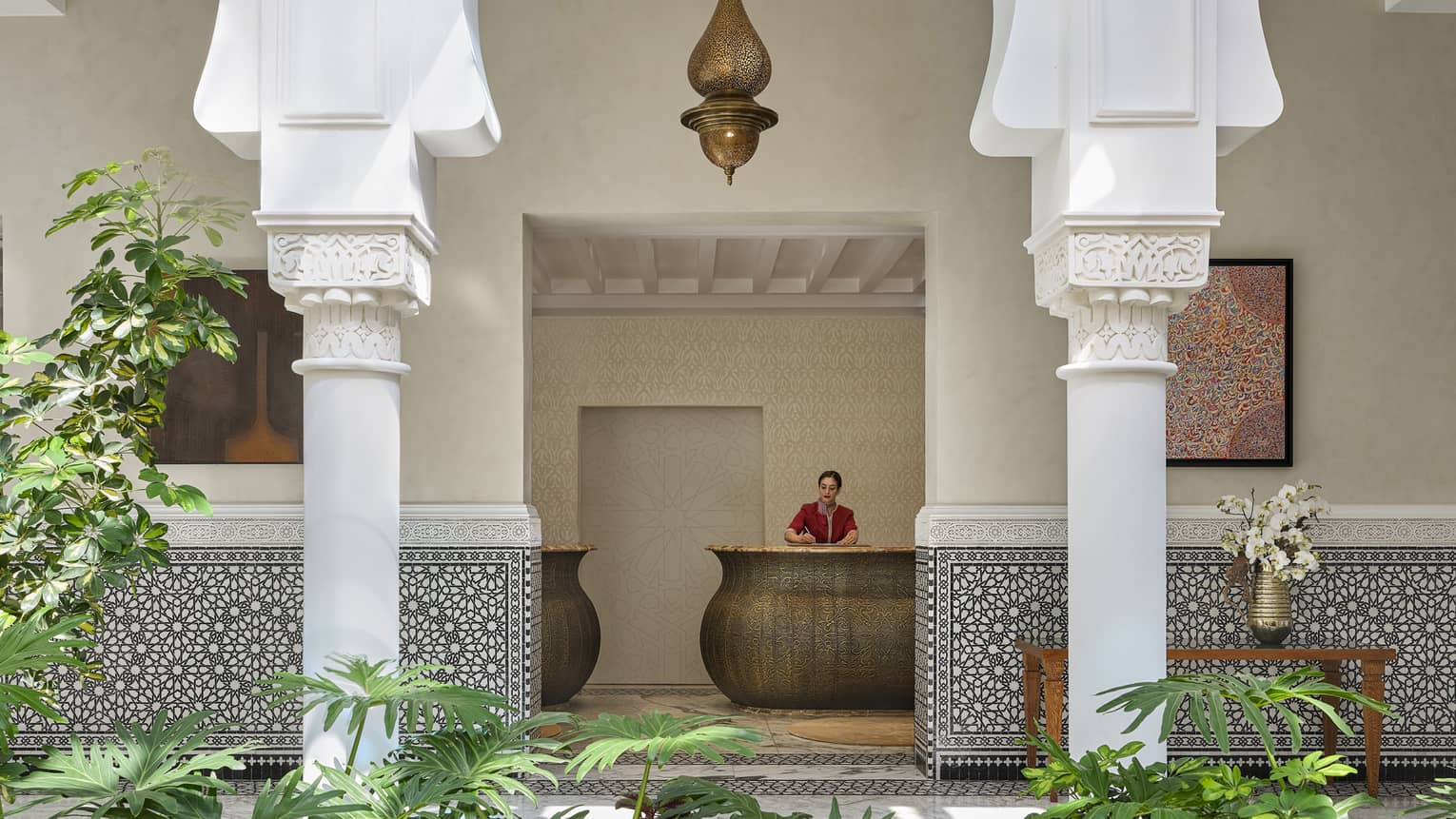
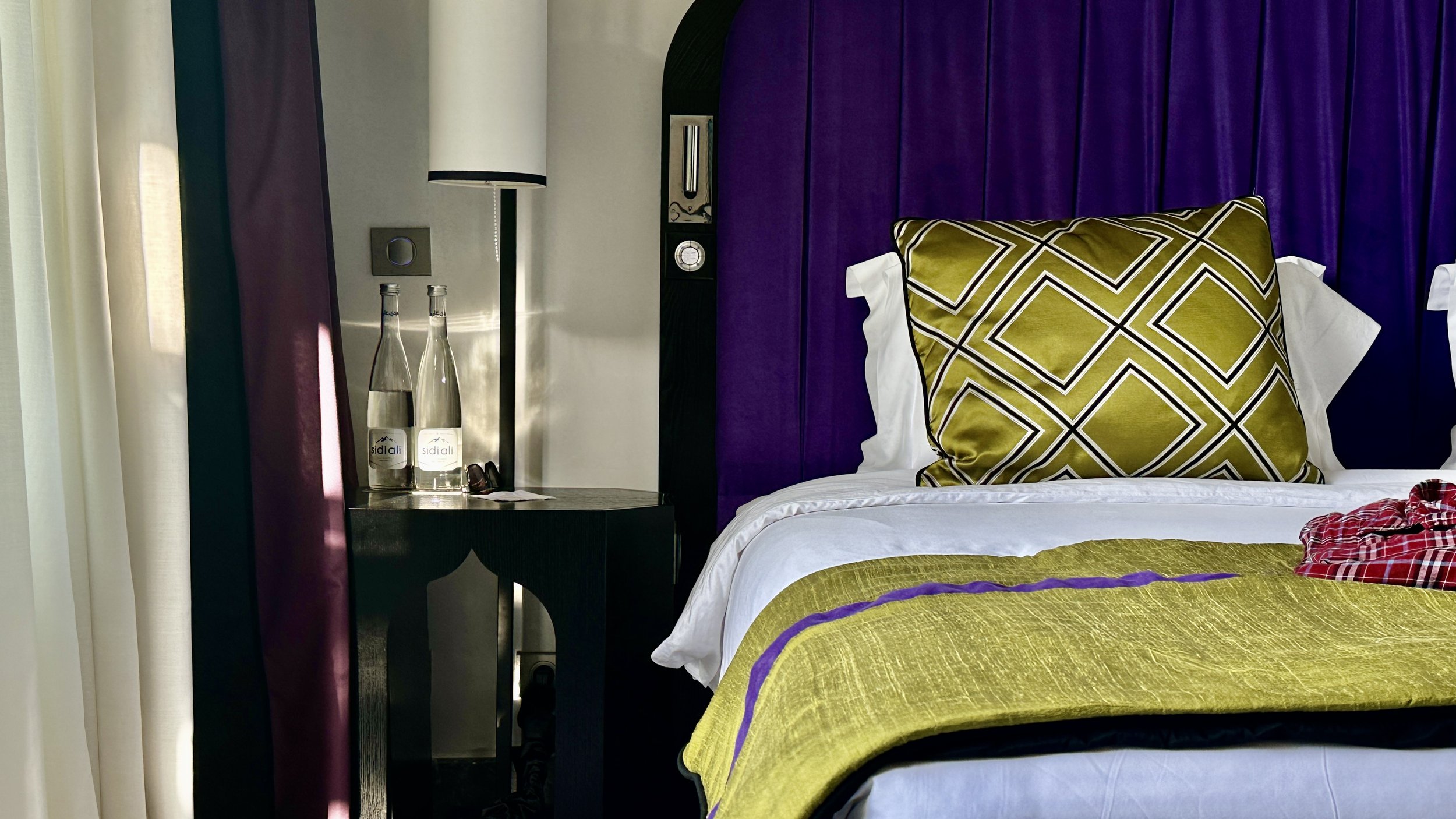
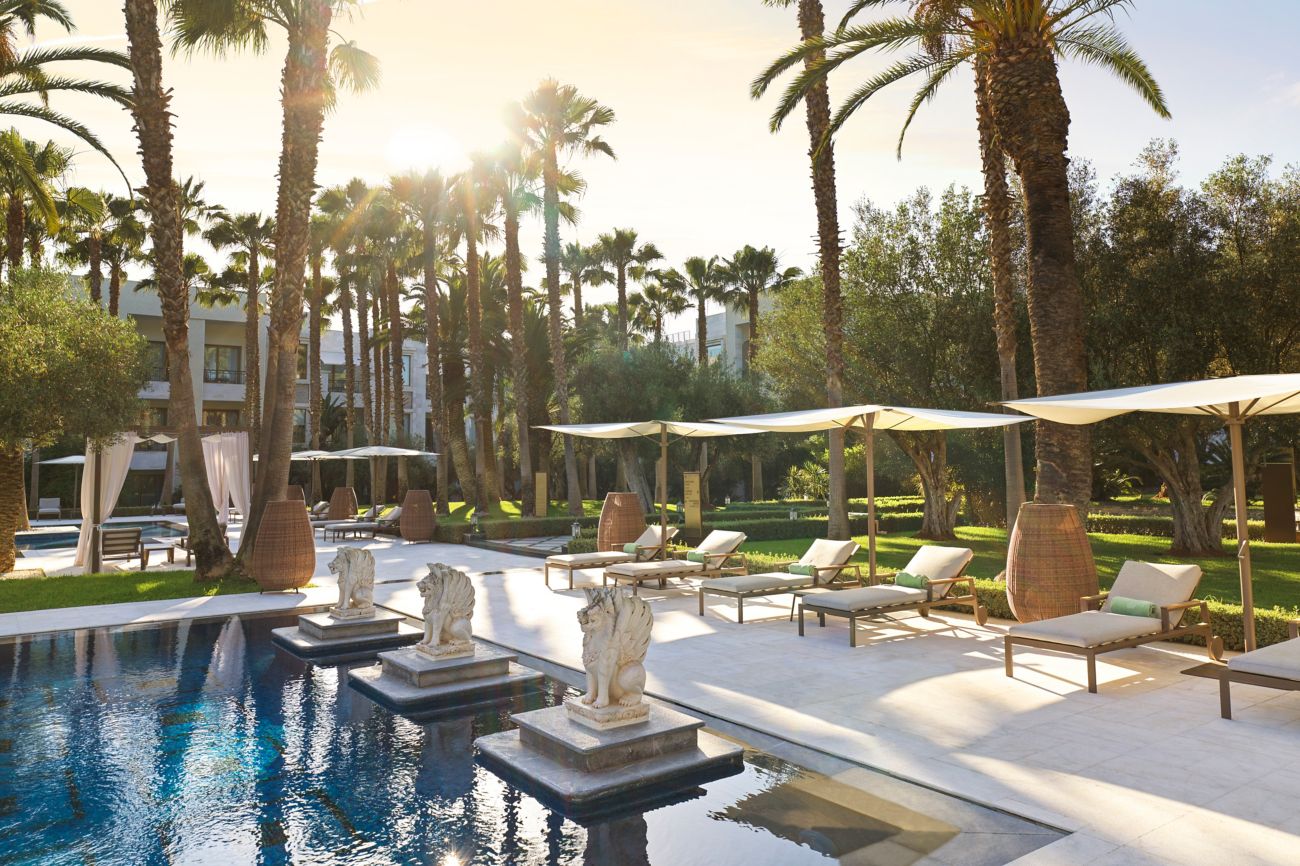
5 recommended properties